What Is The Best Pool Vacuum Cleaner: Top Picks
The best pool vacuum cleaner is usually a robotic model that matches your pool size, surface, debris, and cleaning needs.
Choosing the best pool vacuum cleaner is less about finding the most expensive machine and more about finding the right match. After comparing robotic, suction-side, and pressure-side cleaners, the clear lesson is simple: each type solves a different pool-care problem. This guide will help you compare features, costs, limits, and real-world performance so you can buy with confidence.
What Is the Best Pool Vacuum Cleaner?
For most pool owners, a robotic pool vacuum cleaner is the best overall choice. It runs on its own motor, filters debris inside the unit, and does not depend on your pool pump or filter system.
The Dolphin Nautilus CC Plus is a strong choice for many in-ground pools. It offers automatic cleaning, wall climbing, a simple filter system, and low daily effort. However, the best pool vacuum cleaner for you may be different if you own an above-ground pool, have large leaves, or want a lower upfront price.
A good choice depends on these factors:
• Pool type: Above-ground and in-ground pools need different cleaning designs.
• Pool surface: Plaster, vinyl, fiberglass, and tile can affect grip and brush performance.
• Pool shape: Steps, slopes, drains, and sharp corners can challenge some cleaners.
• Debris: Fine dust needs strong filtration, while leaves need a large debris basket.
• Budget: Robotic cleaners cost more at first but often reduce pump use and hands-on work.
• Cleaning frequency: Daily users may value automation more than occasional pool owners.
:strip_icc()/bhg-polaris-maxx-premium-suction-side-automatic-pool-cleaner-kim-vogt-06-7e29ba9b1aea47378105971330c5eb98.jpeg)
Robotic Pool Cleaners: Best for Most Pool Owners
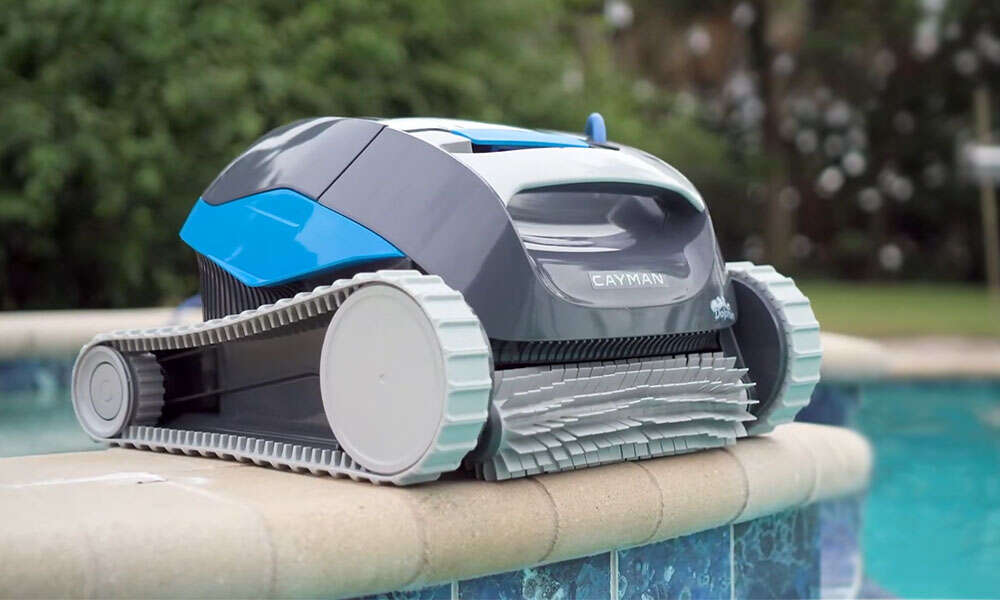
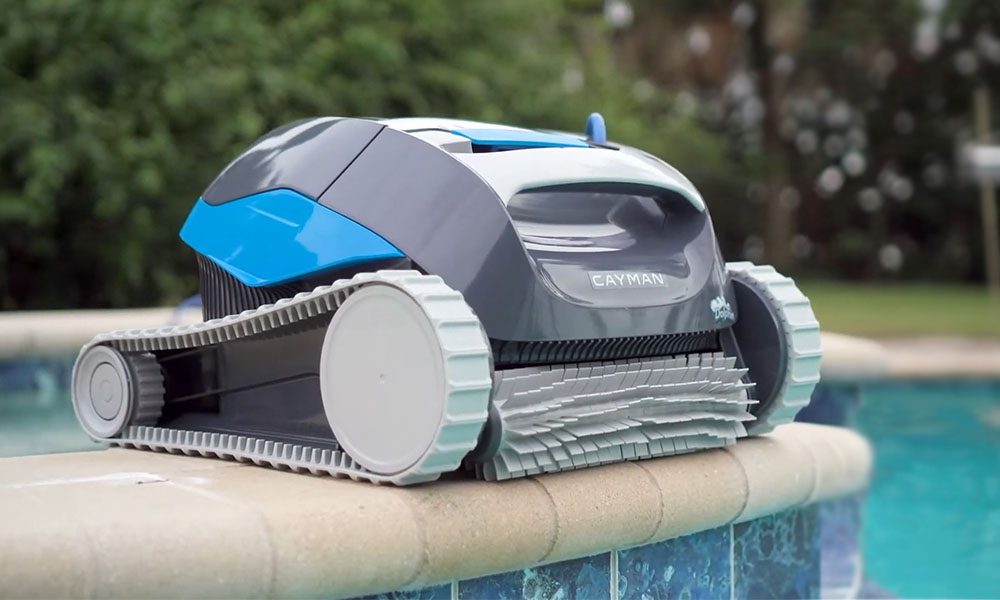
A robotic pool vacuum cleaner is a self-contained device. It has its own motor, brushes, sensors, and filter basket or cartridge. You place it in the pool, connect it to a control unit, and let it clean.
This design has a major benefit. The robot does not force dirt through your pool’s main filter. It collects dirt in its own basket, which can help reduce pressure on the pool filtration system.
Main benefits of robotic cleaners
• Independent operation: The cleaner has its own motor and does not rely on the pool pump.
• Strong cleaning: Rotating brushes scrub dirt from the floor and, in many models, the walls.
• Easy scheduling: Many models support automatic cleaning cycles.
• Better fine-particle control: Some filters catch sand, pollen, and small dust.
• Lower daily effort: You place the unit in the water, start it, and remove it later.
Main limitations
• Higher purchase price: A good robotic pool vacuum cleaner often costs more than a basic suction cleaner.
• Cord management: Corded models need a power supply and careful cord storage.
• Filter cleaning: You must empty and rinse the basket or cartridge after use.
• Battery limits: Cordless models need charging and may have shorter cleaning cycles.
In my experience, the biggest mistake is judging a robot only by its price. A cheap model may clean the floor well but struggle with walls, fine dust, or large leaves. A slightly better filter and brush system can save hours of manual cleaning over a season.

Suction-Side Pool Vacuums
A suction-side pool vacuum cleaner connects to the suction port or skimmer. Your pool pump creates the suction that pulls water and debris through the cleaner.
These units are often affordable and simple. They can work well for pools that collect light dirt, sand, and small leaves. They are also easy to replace because many models use common hoses and parts.
However, a suction cleaner uses your pool pump while it operates. That can increase energy use and place extra demand on the pump and filter. It may also send debris into the pool filter instead of collecting it in a separate basket.
A suction-side cleaner may be right for you if:
• You want a lower purchase price.
• Your pool has light to moderate debris.
• You already run the pump for long periods.
• You do not need advanced wall or waterline cleaning.
• You are comfortable checking hoses and suction flow.
The best pool vacuum cleaner for a small budget may be a suction-side model. Still, check the manufacturer’s flow requirements first. Weak suction can cause poor movement, while too much suction can make the cleaner stick or move poorly.
Pressure-Side Pool Vacuums
A pressure-side pool vacuum cleaner uses water pressure from a dedicated return line or booster pump. The cleaner pushes debris into its own bag instead of sending everything to the main pool filter.
This design is useful for pools with many leaves and larger debris. The bag is easy to remove and empty. It also keeps much of the debris away from the pool filter.
Pressure-side cleaners can provide strong coverage, but they may need extra plumbing or a booster pump. That adds installation cost and may increase energy use. They also may not scrub fine dust as well as a high-quality robotic cleaner.
Choose a pressure-side cleaner when:
• Your pool sits near trees.
• Large leaves are a constant problem.
• You already have a compatible pressure line.
• You want to protect the main filter from heavy debris.
• You prefer a cleaner with a separate debris bag.
The best pool vacuum cleaner for a leafy pool is not always the best cleaner for a dusty pool. Large debris and fine debris require different filter and collection designs.
:strip_icc()/bhg-pressure-pool-cleaners-test-polaris-vac-sweep-280-in-ground-jennifer-zyman-02-7fa57c9d410d4da09f9eaf21a9b3dcf3.jpeg)
Manual Pool Vacuums
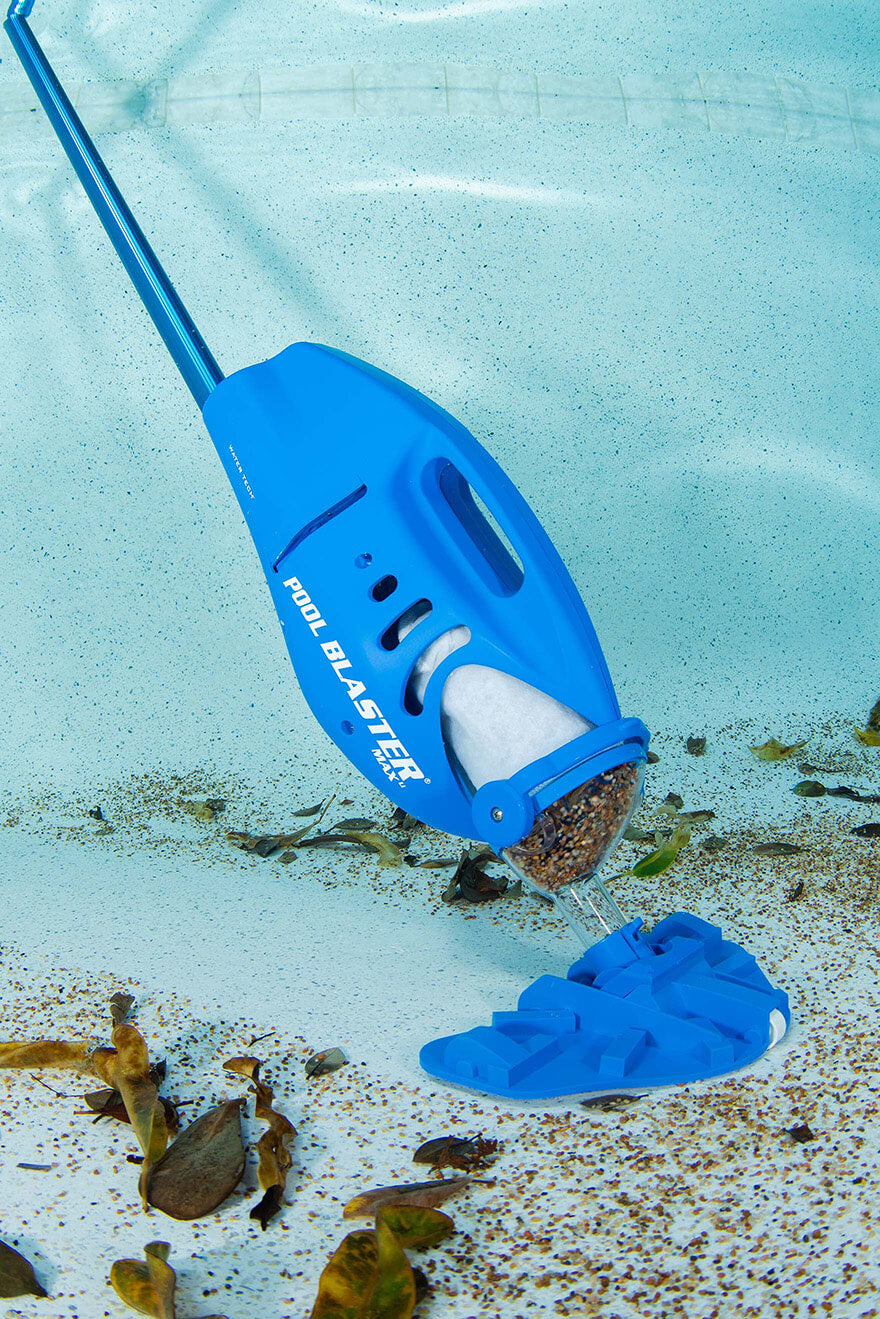
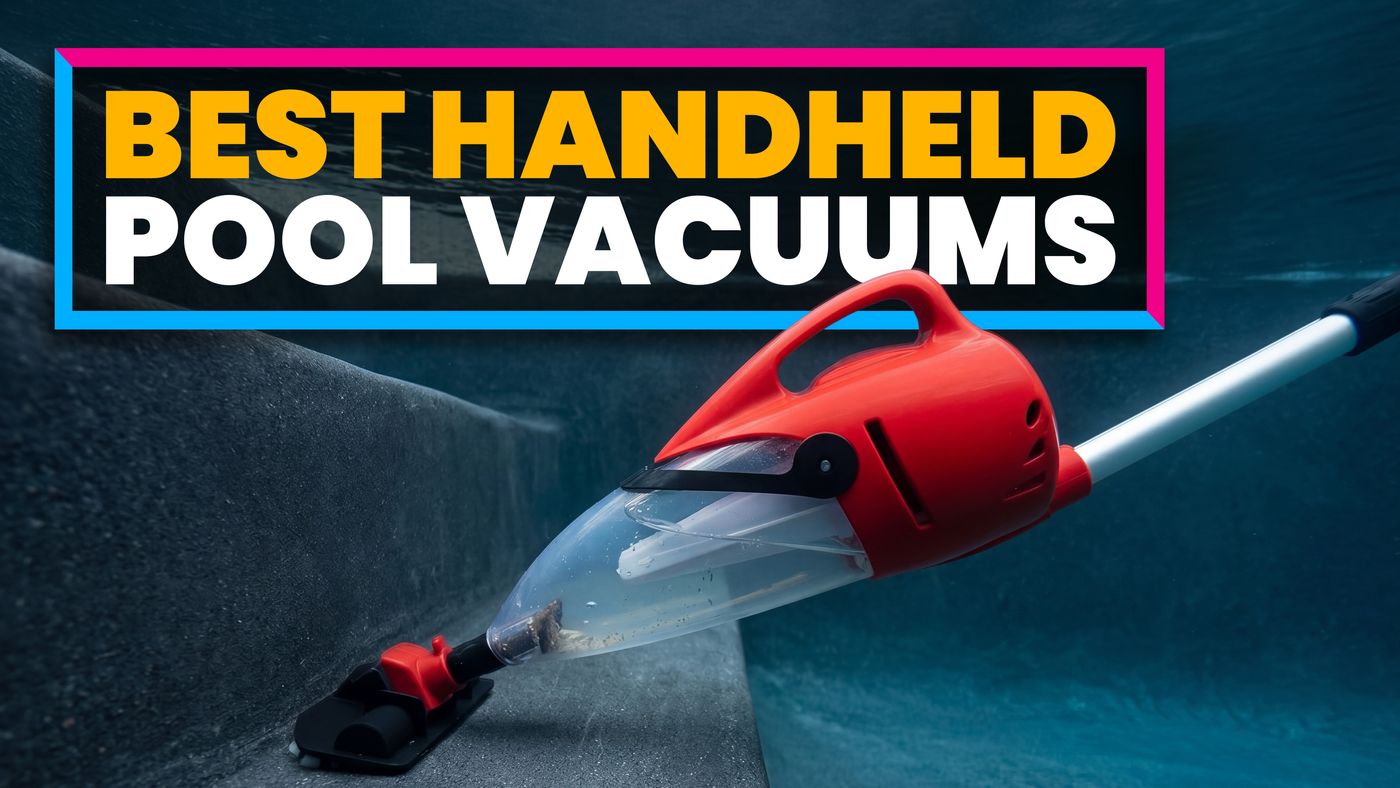
A manual pool vacuum connects to a telescoping pole and hose. You move it across the pool floor by hand while the pump pulls dirt through the system.
Manual vacuums are inexpensive and reliable. They have few moving parts, so there is less to repair. They are also useful for steps, corners, and areas that automatic cleaners miss.
The trade-off is time. You must brush, vacuum, and inspect the pool yourself. For a small pool, this may take only a few minutes. For a large pool, the task can feel like mowing a lawn with scissors.
A manual vacuum makes sense when:
• You clean the pool only once in a while.
• You have a small or simple pool.
• You need a backup cleaner.
• Your pool has difficult steps or tight corners.
• You want the lowest possible purchase cost.
Even owners of an automatic pool vacuum cleaner should keep a manual vacuum nearby. No automatic machine reaches every unusual corner perfectly.
The Best Pool Vacuum Cleaner by Pool Type
The best pool vacuum cleaner depends heavily on whether your pool is above ground or in ground.
Best for in-ground pools
For many in-ground pools, a robotic cleaner with floor and wall cleaning is the most practical option. Look for active brushes, a large filter basket, and a cable that suits the pool length.
The Dolphin Nautilus CC Plus is often considered a solid general-purpose option for in-ground pools. Other brands, including Polaris, Hayward, and Aiper, offer models with different features and price points. Always confirm current specifications before buying because product packages can change.
Best for above-ground pools
Above-ground pools often need a lighter and simpler cleaner. The Dolphin E10 is a well-known example for some above-ground pools, while cordless models can offer convenient use without a long cable.
Check the pool wall shape before purchase. Some above-ground pools have soft sides, curved bottoms, or limited water depth. A cleaner designed for a flat-bottom pool may not work well on steep slopes.
Best for pools with large leaves
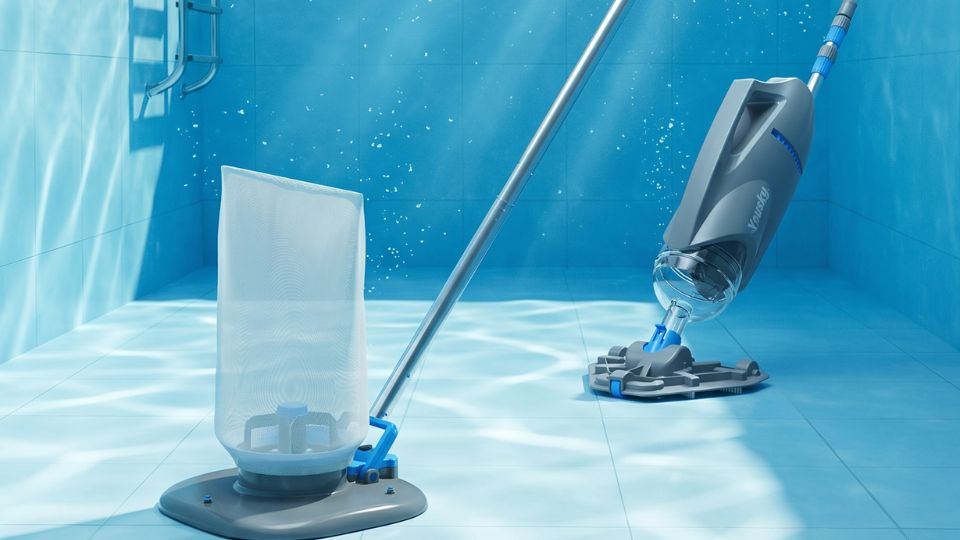
Choose a pressure-side cleaner or robotic model with a large debris basket. A small fine-filter cartridge may clog quickly when the pool collects large leaves.
Use a leaf net before running the cleaner. This simple step protects the machine and reduces cleaning time.
Best for fine dust and sand
A robotic cleaner with a fine filter is usually the better choice. Fine dirt can pass through basic mesh bags and return to the pool.
Rinse the filter after each cycle. A clogged filter reduces water flow and can make the cleaner move slowly or stop before finishing.
How to Choose the Best Pool Vacuum Cleaner
Use this checklist before you buy the best pool vacuum cleaner for your home.
1. Check pool size and cable length
A corded robotic cleaner needs enough cable to reach the far end of the pool. A short cable can limit coverage, while a very long cable can twist and tangle.
Measure the pool length and add enough distance for the power supply to sit safely away from the water. Never use an outdoor extension cord unless the product instructions specifically allow it.
2. Look at cleaning coverage
Some cleaners handle only the pool floor. Others climb walls and scrub the waterline.
Floor-only cleaning can be enough for a flat above-ground pool. In-ground pools with deep ends usually benefit from wall climbing.
3. Compare filter types
A large basket is useful for leaves. A fine cartridge is better for dust and pollen. Some cleaners include more than one filter option.
Ask yourself what you remove from the pool most often. The answer should guide your filter choice.
4. Inspect brush design
Active brushes spin faster than the cleaner moves. They loosen dirt instead of simply passing over it.
This matters most when the pool has algae film, stuck sand, or fine dust. Brushing alone will not solve a chemical imbalance, but it helps the cleaner collect loose debris.
5. Review power needs
Robotic cleaners use a control box. Suction and pressure cleaners use the pool pump or a booster pump.
If energy use matters, compare how each type fits your current pump schedule. A robotic pool vacuum cleaner may let you shorten some cleaning cycles, but the exact savings depend on your pool system and local electricity price.
6. Check warranty and replacement parts
A trusted warranty is important because pool chemicals, water, and moving parts create a tough environment.
Look for available filters, tracks, brushes, belts, and power supplies. A cleaner is easier to keep for years when parts are easy to find.
Pool Vacuum Cleaner Features That Matter Most
Marketing terms can make every cleaner sound powerful. Focus on features that affect daily use.
• Wall climbing: Useful for in-ground pools with vertical sides.
• Waterline cleaning: Helps remove the dirt ring near the surface.
• Active brushing: Loosens stuck dirt before suction collects it.
• Large debris basket: Reduces emptying when leaves are common.
• Fine filtration: Captures small particles such as dust and pollen.
• Smart navigation: Helps the cleaner cover more of the pool.
• Tangle reduction: Makes corded use easier.
• Easy filter access: Saves time after every cleaning cycle.
• Programmable schedules: Helps maintain a clean pool with less effort.
A phone app can be useful, but it should not replace basic cleaning power. I would choose strong brushes, good coverage, and simple maintenance before paying extra for advanced controls.

How Much Does the Best Pool Vacuum Cleaner Cost?
Prices change by brand, features, and season. In general, manual vacuums cost the least, suction cleaners sit in the lower to middle range, pressure cleaners vary widely, and robotic models often cost the most upfront.
Think about total ownership cost, not just the purchase price. Include replacement filters, brushes, hoses, bags, tracks, batteries, and electricity.
A simple cost comparison looks like this:
• Manual cleaner: Low purchase cost, but high time and labor cost.
• Suction cleaner: Moderate purchase cost, with possible added pump use.
• Pressure cleaner: Moderate to high cost, especially with a booster pump.
• Robotic cleaner: Higher starting cost, but easy operation and separate filtration.
The best pool vacuum cleaner is often the one you will use consistently. A premium robot that sits in the garage is a worse value than a basic cleaner you run every week.
:strip_icc()/bhg-suction-pool-cleaners-test-pentair-360042-kreepy-krauly-rob-roszkowski-03-3523a97280c94384976fdf1978c83bce.jpeg)
Common Mistakes to Avoid
Many pool owners blame the cleaner when the real problem is setup or maintenance.
• Running the cleaner with a full filter: A full basket reduces water flow and cleaning performance.
• Ignoring the water chemistry: A cleaner cannot fix high pH, low sanitizer, or algae growth.
• Leaving the robot in the pool all season: Remove it after cleaning unless the manual says otherwise.
• Storing the cable in tight coils: This can create memory twists and tangles.
• Using the wrong filter: Large debris can clog a fine filter very fast.
• Skipping manual brushing: Steps, corners, and waterline marks may still need hand work.
• Buying without checking pool shape: Slopes and steps can stop some cleaners.
A pool vacuum cleaner removes debris. It does not replace brushing, skimming, water testing, or proper filtration. Think of it as one member of the pool-care team.
How to Use a Robotic Pool Vacuum Cleaner
Follow the product manual first, since controls and safety rules vary. These general steps work for many corded robotic cleaners:
-
Remove large leaves with a skimmer net.
-
Check that the filter basket or cartridge is clean.
-
Place the cleaner in the pool and allow trapped air to escape.
-
Connect the floating cable to the control unit.
-
Set the control unit on a dry, stable surface away from the pool edge.
-
Start the cleaning cycle.
-
Remove the cleaner after the cycle ends.
-
Rinse the filter and the cleaner with fresh water.
-
Let the unit drain before storing it in a shaded, dry place.
Do not pull the cleaner from the pool by its cable. Use the float line or supplied hook. This small habit can prevent cable damage and extend the life of the machine.
Maintenance Tips to Extend Cleaner Life
Good maintenance can make the best pool vacuum cleaner last much longer.
Rinse the cleaner after use if your pool has high chlorine, salt, or mineral levels. Pool water can be harsh on plastic, metal, seals, and electronic parts.
Inspect the brushes and tracks every few weeks. Remove hair, string, and small stones before they block movement. Replace worn parts when the cleaner begins to slip or leave dirt behind.
Store robotic cleaners out of direct sun. Heat and ultraviolet light can weaken cables and plastic parts over time. Keep the control box dry and never place it where splashing water can reach it.
My Practical Recommendation
If you own a typical in-ground pool and want the least daily work, choose a robotic pool vacuum cleaner with wall climbing, active brushes, and a large filter. A model such as the Dolphin Nautilus CC Plus may fit that use case, but compare current specifications and warranty terms before ordering.
If you have an above-ground pool, look for a lightweight model made for above-ground walls and floors. If your pool collects many leaves, consider a pressure-side cleaner or a robot with a large debris basket.
My strongest buying lesson is to match the cleaner to the dirt. Fine dust calls for fine filtration. Leaves call for a large basket. Stubborn film calls for active brushes. The best pool vacuum cleaner is the one designed for the mess your pool actually creates.
Frequently Asked Questions About What Is the Best Pool Vacuum Cleaner
What is the best pool vacuum cleaner for most pools?
A robotic pool vacuum cleaner is usually the best overall choice for convenience, cleaning power, and independent filtration. Pick a model with wall climbing and active brushes for most in-ground pools.
Is a robotic pool cleaner better than a suction cleaner?
A robotic cleaner usually offers easier setup and better control over debris collection. A suction cleaner costs less in many cases, but it uses the pool pump and may send debris into the main filter.
What is the best pool vacuum cleaner for an above-ground pool?
Choose a lightweight cleaner designed for above-ground pools. Confirm that it works with your pool’s wall type, depth, and floor shape before buying.
Can a pool vacuum cleaner remove algae?
A pool vacuum cleaner can collect loose algae after brushing, but it cannot cure an algae outbreak. Proper sanitizer levels, circulation, brushing, and water testing are also required.
How often should I run a pool vacuum cleaner?
Run the cleaner when debris builds up, often once or twice each week during normal use. Pools near trees or heavy pollen may need more frequent cleaning.
Should I leave a robotic pool cleaner in the water?
Most manufacturers recommend removing the robot after the cleaning cycle. Follow the manual, rinse the unit when needed, and store it in a cool, shaded place.
How long should a pool vacuum cleaner last?
Service life depends on use, water chemistry, storage, and part quality. Regular filter cleaning and timely replacement of brushes, tracks, hoses, or belts can help extend its working life.
Conclusion
The best pool vacuum cleaner is not the same for every pool. Robotic cleaners suit owners who want automatic, thorough cleaning, while suction-side models offer a lower-cost solution and pressure-side cleaners handle heavy leaves well. Manual vacuums remain useful for small pools, corners, steps, and backup cleaning.
Start by identifying your pool type, surface, size, and main debris problem. Then compare coverage, filtration, brushes, power needs, replacement parts, and warranty support. Choose the cleaner that fits your real routine, and explore more pool-care guides or share your experience in the comments.

Liora Pennings is a seasoned chef and kitchen enthusiast with a passion for turning everyday cooking into an effortless experience. With years of hands-on culinary expertise, she specializes in practical techniques, ingredient know-how, and smart kitchen solutions that help home cooks elevate their meals. At KitchFlair.com, Liora shares her best tips, time-saving tricks, and honest product reviews to guide readers toward a more efficient, enjoyable, and inspired cooking routine. Whether you’re a beginner or a seasoned home chef, Liora’s friendly, knowledge-packed insights make every visit to the kitchen a little easier—and a lot more delicious.