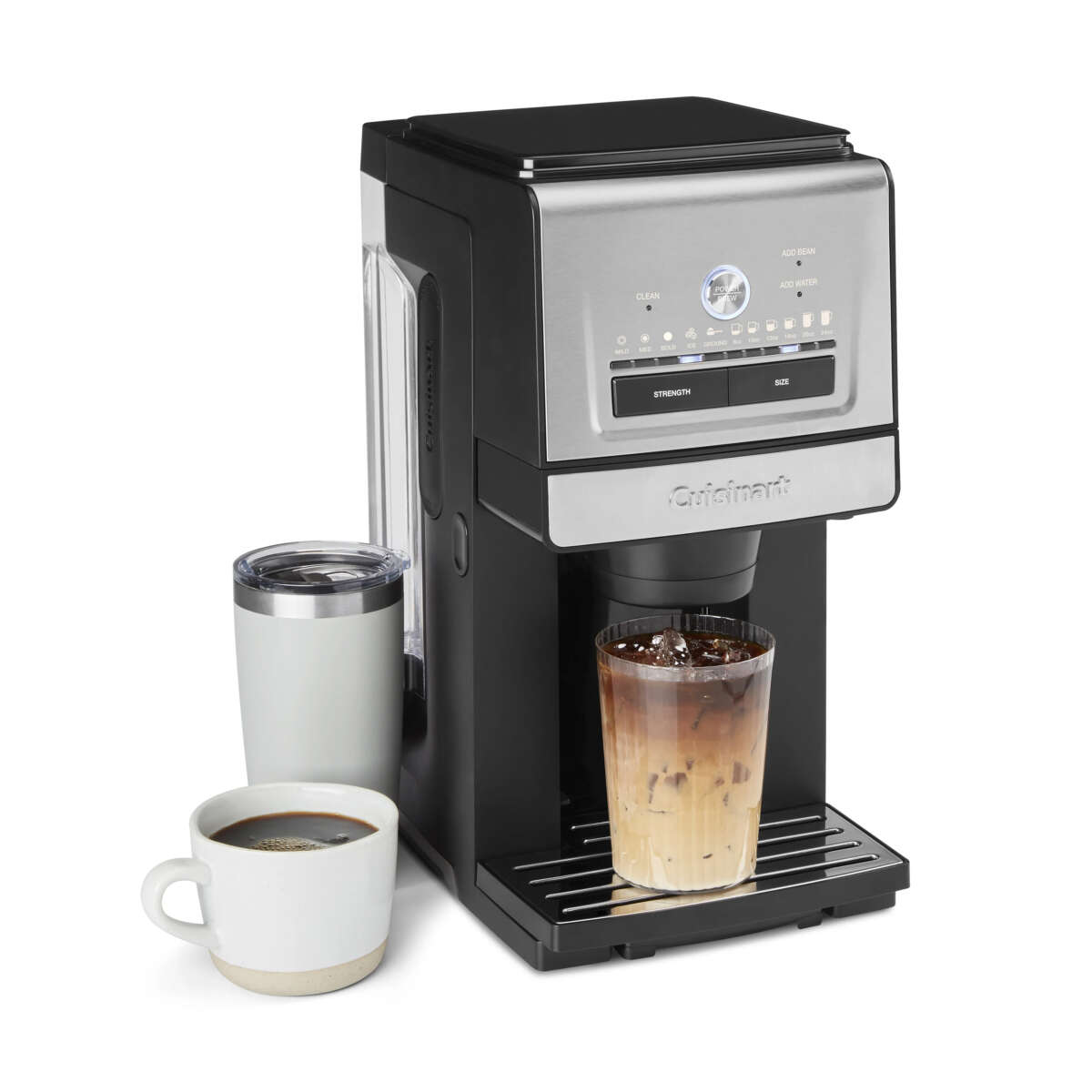
Does A Cuisinart Coffee Maker Give Off Microplastics: Facts
A Cuisinart coffee maker may release tiny plastic particles, but there is no clear proof that every model does.
The answer depends on the Cuisinart model, its plastic parts, water temperature, age, and cleaning routine. Most machines use plastic in the water tank, filter basket, lid, and internal tubing. Heat, friction, and wear may cause some plastic particles to enter the water, but the amount and health risk remain uncertain. This guide explains what current research shows, which parts matter most, and how to lower possible exposure without giving up your morning coffee.
Can a Cuisinart coffee maker give off microplastics?
Yes, a Cuisinart coffee maker could release microplastics or other tiny plastic particles, especially where hot water touches plastic parts. However, there is no strong public evidence showing that all Cuisinart coffee makers release harmful levels of microplastics.
Microplastics are plastic pieces smaller than 5 millimeters. Some are large enough to see, while others are too small to notice. Even smaller particles are often called nanoplastics.
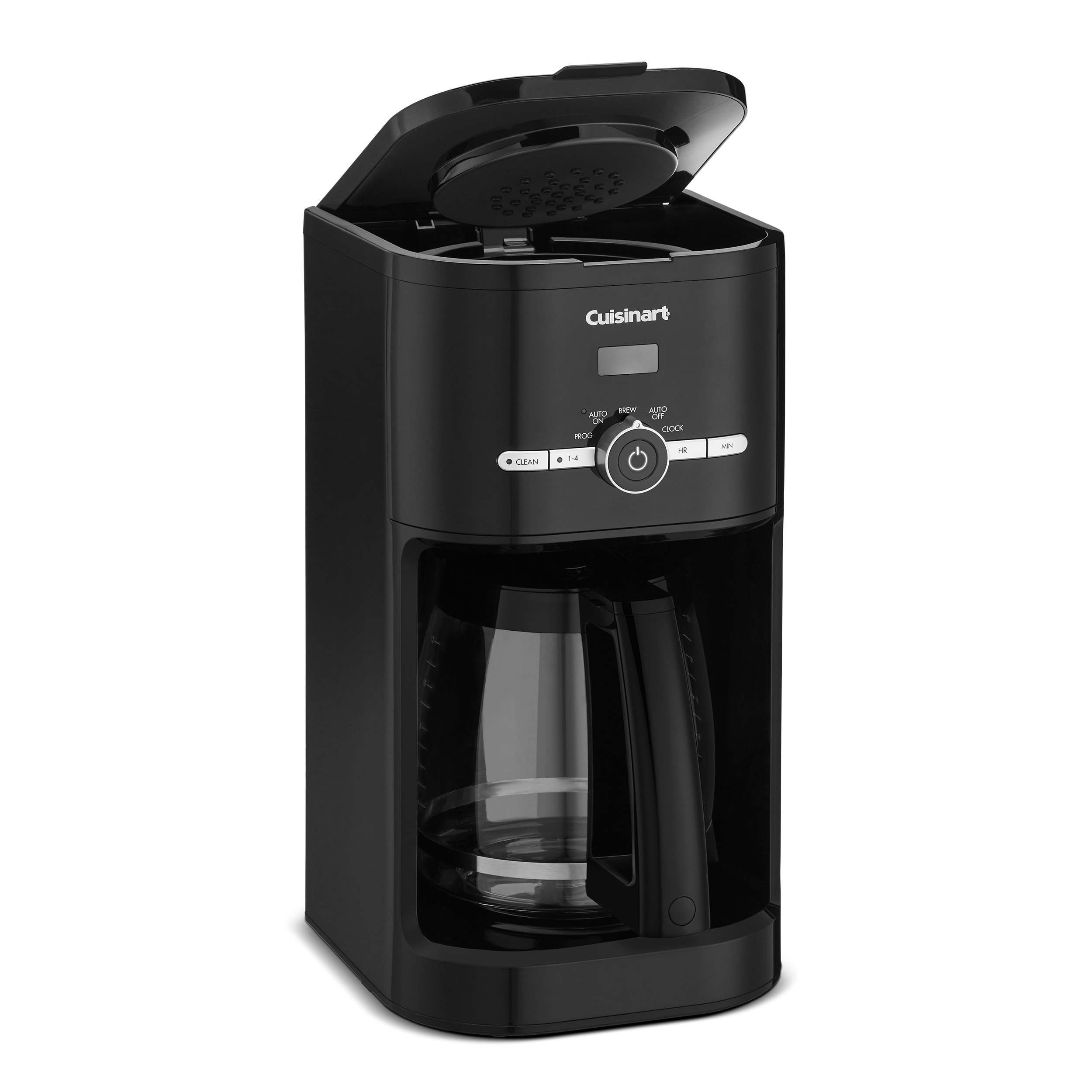
A typical Cuisinart drip coffee maker may include plastic in several areas:
• Water reservoir
• Filter basket
• Brew basket holder
• Reservoir lid
• Internal tubes
• Water level window
• Coffee pot lid
• Hot water outlet parts
The most important detail is not simply whether the machine contains plastic. It is whether hot water stays in contact with that plastic for a long time. Heat can speed up the breakdown of some materials, much like sunlight slowly weakens outdoor plastic.
Still, “plastic contact” does not automatically mean “dangerous exposure.” Food-contact plastics are designed to meet safety rules when used as intended. The concern is that manufacturers do not always publish detailed microplastic release tests for each coffee maker model.
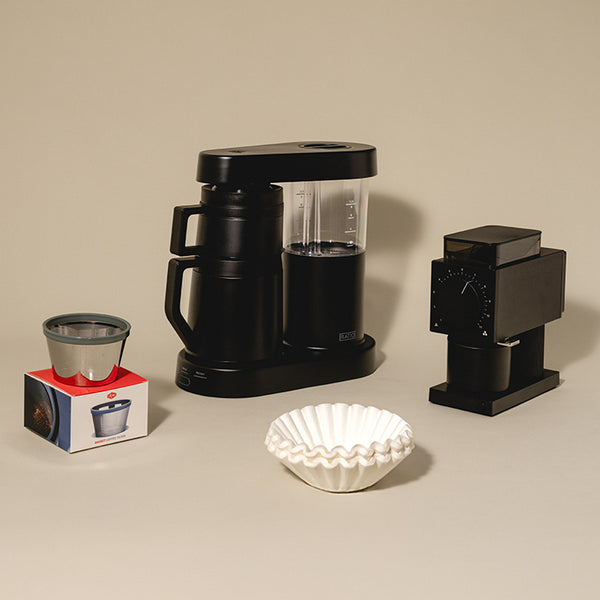
What research says about hot water and plastic
Research shows that heat, movement, age, and repeated use can increase the release of tiny plastic particles from some products. Studies have found plastic particles in bottled water, food containers, tea bags, disposable cups, and other items that touch hot or cold liquids.
Coffee makers are less studied than products such as bottled water and baby-feeding items. This creates an important limit: researchers cannot apply the results from one plastic product directly to every Cuisinart machine.
Several factors can affect particle release:
• Higher temperatures can increase plastic wear.
• Scratches may create weak points on plastic surfaces.
• Strong cleaning tools can damage the filter basket or reservoir.
• Old plastic may become brittle over time.
• Repeated heating and cooling can stress plastic parts.
• Hard water deposits may cause extra rubbing during cleaning.
A study of hot beverage containers found that plastic-lined cups could shed particles into drinks. That finding does not prove that a Cuisinart coffee maker behaves in the same way. It does show why hot water and plastic contact deserve careful attention.
Food safety agencies generally assess plastics through chemical migration tests. Those tests often focus on substances that move from plastic into food or drinks. They do not always measure every possible microplastic or nanoplastic particle. This is one reason the science is still developing.
:max_bytes(150000):strip_icc()/faw-coffee-makers-with-grinders-oct-24-test-cuisinart-12c-coffee-center-grind-brew-plus-rkilgore-0954-18f2af835fd1412cad0621774a7db5c9.jpeg)
Which Cuisinart parts may matter most?
The water reservoir and filter basket deserve the closest look. They are often made from food-grade plastic and may contact hot water during brewing or rinsing.
The reservoir usually holds cold water before brewing. That lowers concern compared with parts exposed to very hot water. Yet warm water can remain in the reservoir after a brew cycle, and repeated heating may affect older plastic.
The filter basket can receive hot water directly. It also faces regular washing, scraping, and contact with coffee grounds. A scratched or cloudy basket may release more debris than a smooth, undamaged one.
Internal tubing is harder to assess. You cannot easily inspect it, and the material may differ between models. Water can pass through these tubes at high temperatures, but there is not enough public model-by-model testing to say how much plastic, if any, enters the coffee.
Look for these warning signs:
• Cracks in the reservoir
• Deep scratches in the filter basket
• A strong plastic smell after repeated rinsing
• Flaking or peeling parts
• Cloudy plastic that does not improve after cleaning
• Small flakes or specks in the water
A slight plastic smell from a new appliance may fade after several rinse cycles. A strong smell that continues is a reason to contact the manufacturer or stop using the machine.
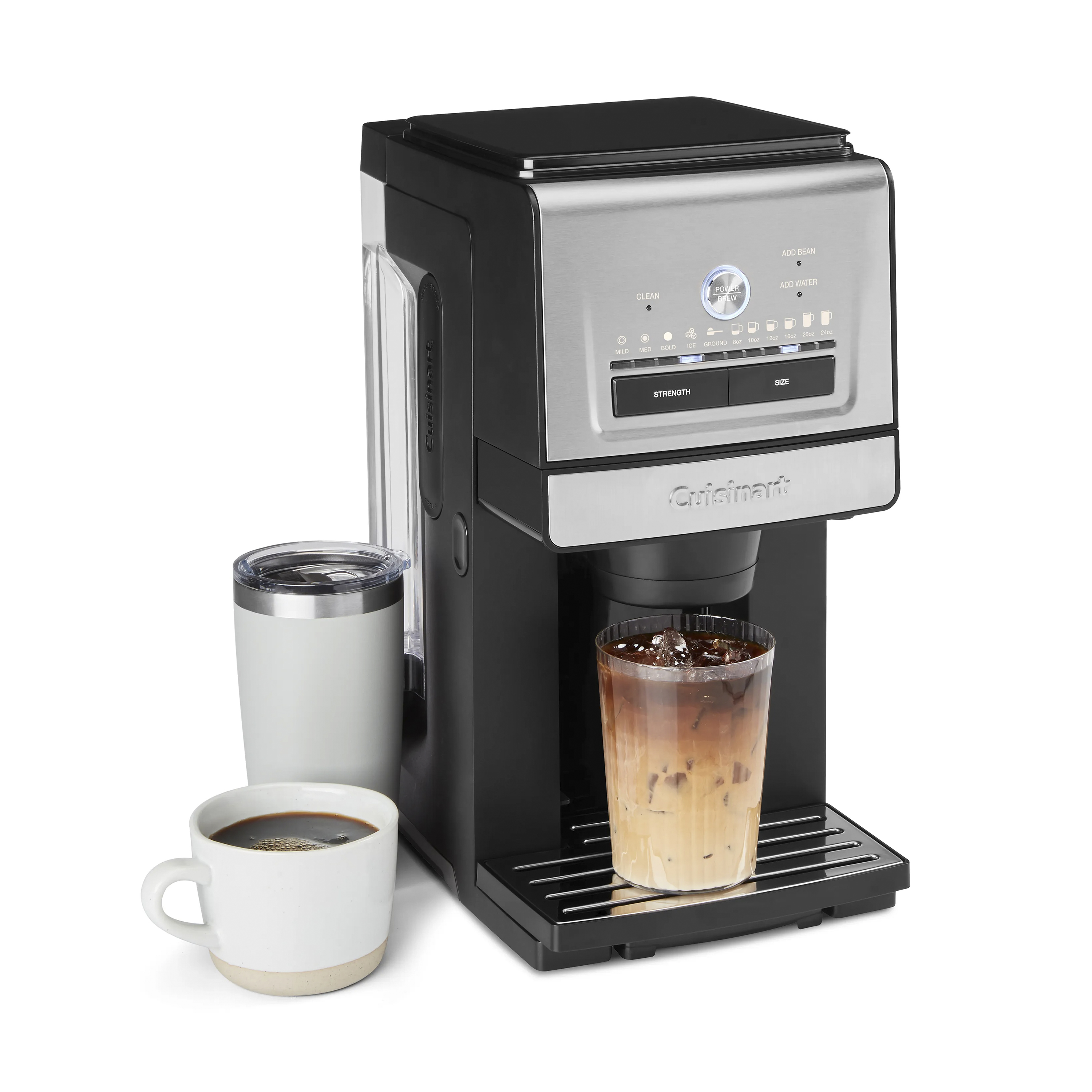
Does the model change the answer?
Yes. Asking whether a Cuisinart coffee maker gives off microplastics is not quite enough because Cuisinart sells many different designs.
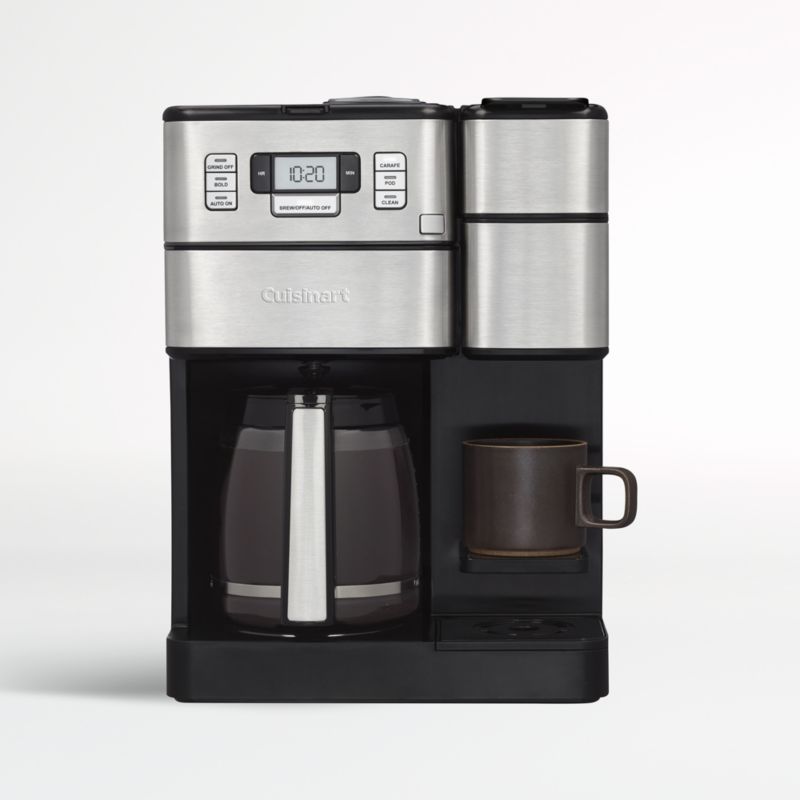
A basic 12-cup drip model may have a plastic reservoir and basket. A grind-and-brew model may contain more plastic parts because it combines a grinder, brew system, chute, and larger housing. A single-serve model may expose water to different parts and may involve reusable or disposable pods.
The exact material can also change by production year. A replacement basket may not have the same design as the original part. For that reason, avoid assuming that one online review applies to every Cuisinart coffee maker.
To learn more about a specific model, check:
-
The user manual for material and cleaning instructions.
-
The product label for model and series numbers.
-
The replacement parts page.
-
The manufacturer’s customer service team.
-
Any food-contact or material statement supplied by the company.
Ask a clear question, such as: “Which materials touch brewing water in this model, and has the machine been tested for particle migration?” A helpful answer should identify the materials rather than simply say that the product is safe.
:max_bytes(150000):strip_icc()/FAW-Cuisinart_CenterGrind_SS-GB1_6-0895-Russell-Kilgore-3x2-48a3053286fa441b9b9a33fc07bb7e01.jpeg)
How to reduce possible microplastic exposure
If you already own a Cuisinart coffee maker, you do not need to panic or throw it away. A few simple habits can reduce wear and keep the machine in better condition.
Use these practical steps:
• Rinse the reservoir each day and let it air-dry.
• Do not leave water sitting in the tank for several days.
• Follow the manual’s descaling schedule.
• Use filtered water if your tap water is very hard.
• Wash removable parts with a soft sponge.
• Avoid steel wool, rough scrub pads, and abrasive powders.
• Replace cracked, scratched, or peeling plastic parts.
• Run two or three water-only cycles before using a new machine.
• Never use parts that are not approved for the model.
• Avoid placing plastic parts in a dishwasher unless the manual allows it.
You can also reduce direct contact by using a paper coffee filter. A paper filter will not stop every possible particle, but it can catch coffee grounds and larger debris. It should not be viewed as a complete solution for microplastics.
Do not pour boiling water into the reservoir unless the manual specifically permits it. The machine is designed to heat water in a controlled way. Adding very hot water may increase stress on plastic and other parts.
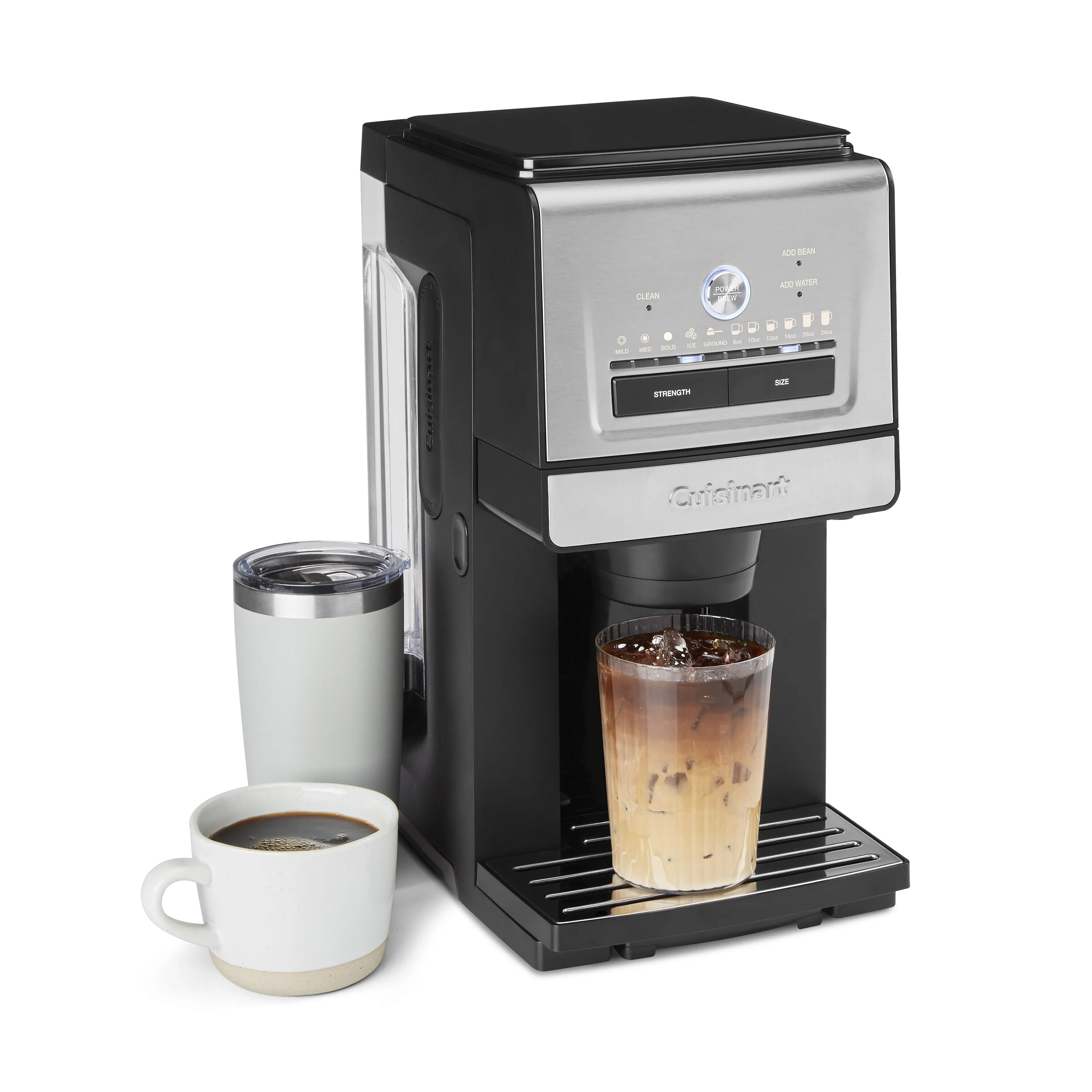
Are glass and stainless steel coffee makers safer?
Glass and stainless steel can reduce plastic contact, but they do not make a coffee maker completely plastic-free. Many machines still use plastic in the reservoir, tubing, seals, handles, and filter holder.
A glass carafe mainly reduces plastic contact with the finished coffee. That is useful, but the coffee may have already passed through plastic parts inside the brewer.
Stainless steel water paths may also lower concern. Yet the phrase “stainless steel” can describe only one part of the machine. Read the product details carefully and ask which sections touch brewing water.
When comparing coffee makers, look for:
• A glass carafe
• A stainless steel boiler or water path
• A replaceable filter basket
• Clear material information
• Easy access to removable parts
• A strong warranty and replacement-part program
A machine with fewer plastic parts may be a reasonable choice for someone who wants to limit exposure. It is not proof that the machine releases zero particles.
:max_bytes(150000):strip_icc()/FAW-Cuisinart_ConicalBurr_DGB2_4-0906-Russell-Kilgore.jpg-4b7c20755efa4212915b57138e4b2e84.jpg)
What I would check before using one
I cannot honestly claim personal laboratory testing of every Cuisinart coffee maker. No home inspection can measure microplastics accurately. Proper testing requires controlled sampling, clean equipment, particle identification, and laboratory tools that can separate plastic from dust or coffee residue.
A practical inspection can still reveal problems. When reviewing a coffee maker, I would focus on the parts that touch hot water, check for scratches, smell the machine after several rinse cycles, and inspect the coffee for visible flakes.
One common mistake is using a new machine without rinsing it. Manufacturing dust, packaging residue, and leftover odors may remain inside the appliance. Another mistake is scrubbing plastic parts with a rough pad. That may make the surface look clean while creating tiny scratches.
A useful lesson is simple: treat the plastic parts gently and replace them when they show damage. This approach does not prove that a Cuisinart coffee maker gives off microplastics, but it reduces avoidable wear and keeps the appliance cleaner.
Health risks and what remains unknown
Scientists are still studying how microplastics affect human health. People may consume or inhale small plastic particles from many sources, including food, water, air, packaging, and household products.
Possible concerns include inflammation, chemical exposure, and changes to the gut environment. However, researchers have not established a clear risk level for the small amount that might come from a household coffee maker.
The biggest limitation is the lack of standard testing. One study may count particles in a certain size range, while another may use different equipment or definitions. Results can vary based on the plastic type, water temperature, contact time, and testing method.
This means it would be inaccurate to say that a Cuisinart coffee maker is either completely risk-free or proven dangerous. The most accurate statement is that possible particle release cannot be ruled out, but the real-world health impact is not yet clear.
How to decide whether to replace your coffee maker
Replacement makes more sense when the machine shows visible damage or unusual changes. A worn appliance may also have other problems, such as poor temperature control, leaks, mold growth, or electrical faults.