A coffee shop in the United States can make anywhere from about $20,000 to more than $100,000 in monthly sales, depending on its location, size, hours, menu, and customer traffic. Many small cafés earn less than that, while busy shops in major cities or high-traffic areas can earn far more.
Sales are not the same as income. After rent, wages, coffee, food, utilities, insurance, taxes, repairs, and loan payments, a coffee shop may keep roughly 2% to 10% of sales as net profit. A well-run shop with strong volume may do better. A new shop may lose money during its first year.
The most useful way to estimate coffee shop income is:
Monthly sales = daily customer transactions × average customer spend × open days


For example, a café serving 250 customers per day at an average ticket of $7 and operating 30 days per month would produce:
250 × $7 × 30 = $52,500 in monthly sales
If the shop keeps 6% after all expenses, its monthly net profit would be about $3,150.
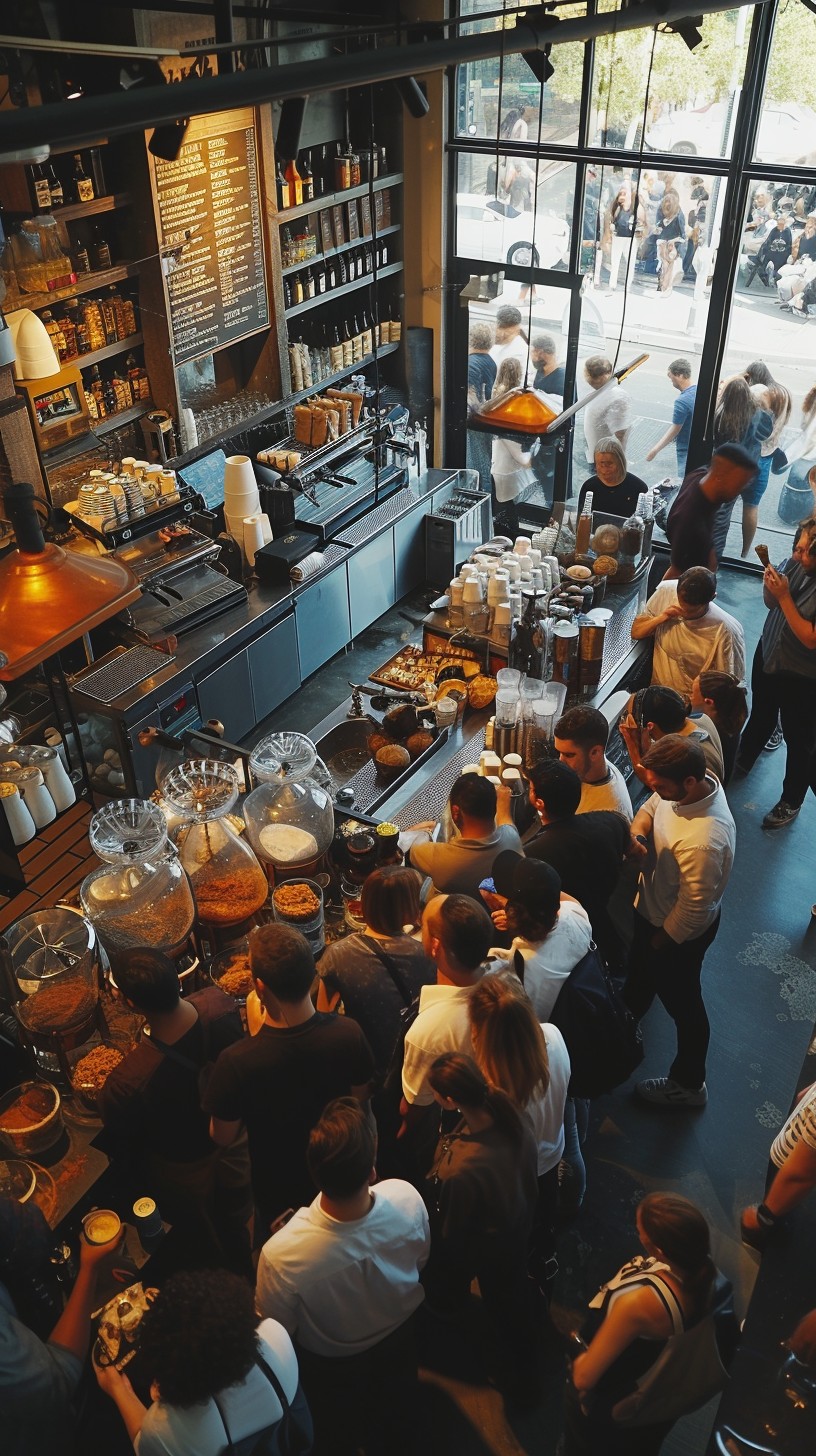
Coffee shop revenue versus profit
Coffee shop revenue is the money collected from customers. Profit is what remains after the business pays its bills.
These terms are often confused:
- Gross sales: Total money collected before refunds, discounts, and taxes.
- Net sales: Sales after refunds and discounts, but usually before operating costs.
- Gross profit: Sales minus the direct cost of products sold.
- Operating profit: Profit after normal operating expenses, such as labor and rent.
- Net profit: Money left after operating costs, interest, taxes, depreciation, and other expenses.
A shop can have high sales and still make little money. For example, a café with $60,000 in monthly sales may spend $20,000 on wages, $15,000 on rent and occupancy, $12,000 on supplies and food, and $10,000 on other costs. Its final profit would be only $3,000.
Business owners should also separate owner pay from profit. If the owner works full time but does not record a wage, the reported profit can look larger than the true economic return.
Typical monthly sales ranges
The following figures are planning examples, not guaranteed national averages:
| Coffee shop type | Possible monthly sales | Possible annual sales |
|---|---|---|
| Small neighborhood kiosk | $15,000–$35,000 | $180,000–$420,000 |
| Small café with limited seating | $25,000–$60,000 | $300,000–$720,000 |
| Busy independent coffee shop | $50,000–$100,000 | $600,000–$1.2 million |
| High-volume urban café | $80,000–$200,000+ | $960,000–$2.4 million+ |
| Drive-through coffee stand | $40,000–$150,000+ | $480,000–$1.8 million+ |
These ranges change greatly by market. A shop in Manhattan, Seattle, or San Francisco may have higher prices and sales potential than a shop in a small town. It may also face much higher rent and labor costs.
The U.S. Small Business Administration recommends building a location-specific business plan and cost estimate rather than relying on broad industry figures. That is especially important for restaurants and cafés, where rent, wages, and local demand vary sharply.


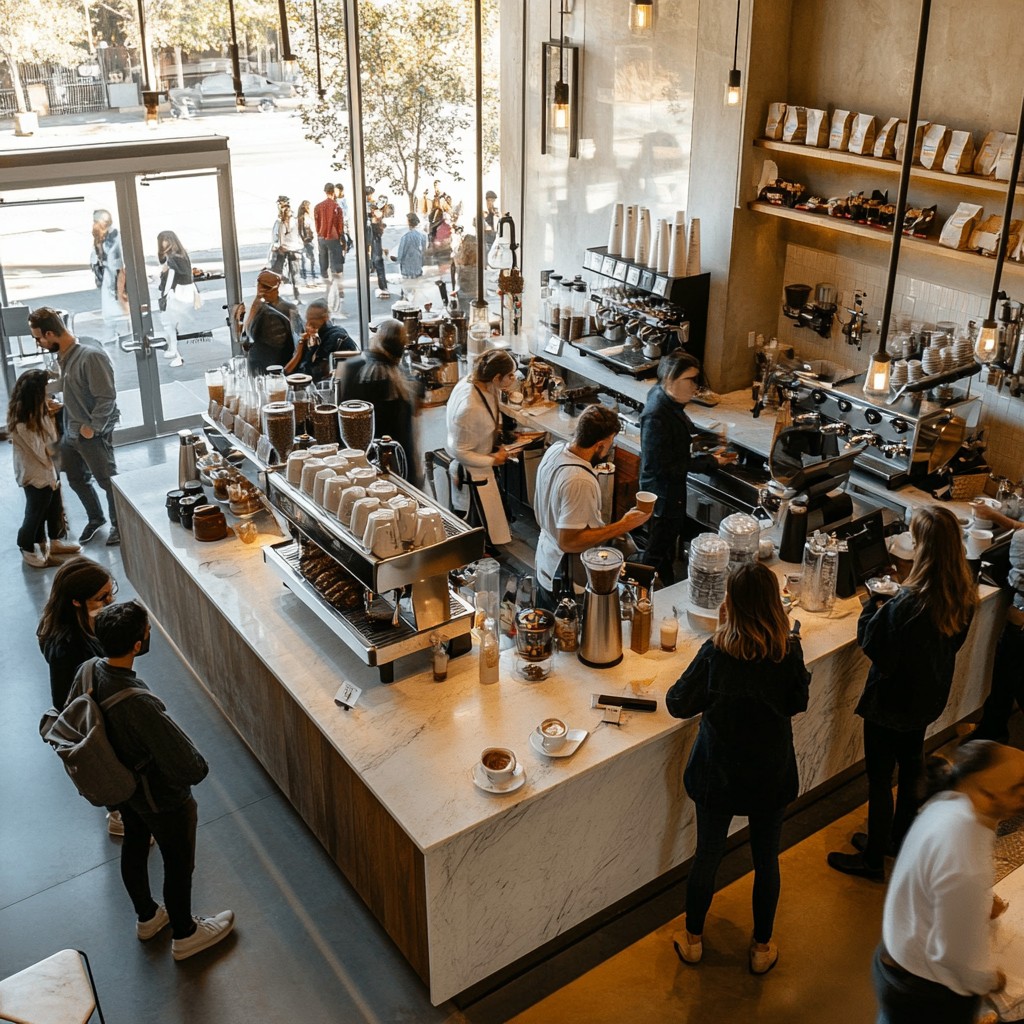
How much profit does a coffee shop make?
A coffee shop may produce a net profit margin of about 2% to 10%, but the result depends on sales volume and cost control. A new business may operate at a loss while it builds a customer base.
Here is a simple example:
| Monthly sales | Net margin | Monthly net profit | Annual net profit |
|---|---|---|---|
| $25,000 | 3% | $750 | $9,000 |
| $50,000 | 5% | $2,500 | $30,000 |
| $75,000 | 7% | $5,250 | $63,000 |
| $100,000 | 8% | $8,000 | $96,000 |
| $150,000 | 10% | $15,000 | $180,000 |
These are hypothetical calculations. They are not promises of performance.
A shop can have a strong gross margin on coffee drinks because the ingredients are inexpensive compared with the selling price. However, beverages still require labor, equipment, rent, payment processing, cleaning, waste control, and maintenance.
For example, a $5 latte does not produce $4.50 in actual profit. The milk, espresso, cup, lid, labor, rent, credit card fee, utilities, and other costs reduce the amount left.
Owner income can look different from business profit
An owner may receive money in three ways:
- Wages for working as a manager or barista.
- Owner draws taken from available cash.
- Business profit left after all expenses.
A shop showing $70,000 in accounting profit may not provide $70,000 of spendable personal income if the owner still needs to repay loans, replace equipment, or fund inventory.
For a clearer estimate, calculate:
Owner economic benefit = salary for work + distributable profit − debt principal − required reinvestment
This helps compare a coffee shop with a job or another investment.

The main costs that reduce coffee shop earnings
Labor and occupancy usually have the greatest effect on coffee shop profit. A shop with good sales can still struggle if it has too many employees, a costly lease, or long periods with few customers.
1. Labor
Labor includes:
- Barista wages
- Shift supervisors
- Managers
- Payroll taxes
- Workers’ compensation insurance
- Paid time off and benefits
- Training and hiring costs
The Bureau of Labor Statistics publishes wage data for food service occupations, but local wages can differ from national figures. Employers must also follow federal, state, and local wage laws. The U.S. Department of Labor provides current guidance on minimum wage and overtime rules.


A common planning error is to budget only hourly pay. Payroll taxes, workers’ compensation, scheduling gaps, overtime, and employee turnover also affect the real labor cost.
2. Rent and occupancy
Occupancy costs may include:
- Base rent
- Common-area fees
- Property taxes passed through by the landlord
- Insurance
- Maintenance
- Utilities
- Trash service
- Security
- Parking or site fees
A low-rent site may have weak traffic. A high-traffic site may produce more sales but leave less profit after rent. The right question is not “Is the rent cheap?” but:
Can the location generate enough contribution margin to support the full occupancy cost?
3. Coffee, milk, food, and packaging
Product costs include:
- Coffee beans
- Milk and milk alternatives
- Syrups
- Tea
- Pastries
- Sandwiches
- Cups, lids, napkins, and straws
- Spoilage and waste
Food often has a different margin from drinks. Pastries may increase the average order value, but they can also create waste if demand is hard to predict.
4. Equipment and repairs
Major equipment may include:
- Espresso machines
- Grinders
- Brewers
- Refrigerators
- Freezers
- Ice machines
- Ovens
- Blenders
- Water filtration systems
- Point-of-sale hardware
Repairs can create sudden cash needs. A business plan should include a replacement reserve instead of treating equipment as a one-time cost.
5. Other expenses
Other costs may include:
- Business licenses and permits
- Insurance
- Accounting and legal services
- Point-of-sale fees
- Delivery app commissions
- Advertising
- Music licensing
- Internet and phone service
- Cleaning supplies
- Loan interest
- Taxes
The IRS explains that business expenses must generally be ordinary and necessary to be deductible, but a deduction does not make an expense free. Owners should use a qualified tax professional for entity-specific and state-specific tax advice.

How to calculate a coffee shop’s expected sales
Use customer count and average ticket size. This method is simple, transparent, and easy to change.
Step 1: Estimate daily transactions
Count likely transactions by day type:
- Weekday morning
- Weekday afternoon
- Weekend
- Seasonal or event days
A transaction is usually one customer order, not one item. A group of three people buying three drinks may create three transactions.
Step 2: Estimate the average ticket
Average ticket means the average amount spent per order.


A basic café may have an average ticket of $5 to $8. A café with food, specialty drinks, retail beans, and larger orders may reach $8 to $15 or more. These are planning assumptions, not universal benchmarks.
Step 3: Multiply by open days
Use the actual schedule. A shop open 26 days per month should not use 30 days in its forecast.
Example: small neighborhood café
Assume:
- 180 transactions per day
- $7.50 average ticket
- 27 open days per month
Calculation:
180 × $7.50 × 27 = $36,450 monthly sales
Annual sales:
$36,450 × 12 = $437,400
If the business earns a 5% net margin:
$36,450 × 0.05 = $1,822.50 monthly profit
Annual net profit would be about $21,870 before owner taxes, assuming the margin already includes normal operating expenses.
Example: busy coffee shop
Assume:
- 400 transactions per day
- $8.25 average ticket
- 30 open days per month
Calculation:
400 × $8.25 × 30 = $99,000 monthly sales
At a 7% net margin:
$99,000 × 0.07 = $6,930 monthly profit


Annual profit would be about $83,160 before owner taxes, under the same assumptions.
The biggest forecasting mistake is to assume that a new shop will reach its mature customer count immediately. Build a ramp-up period into the model.
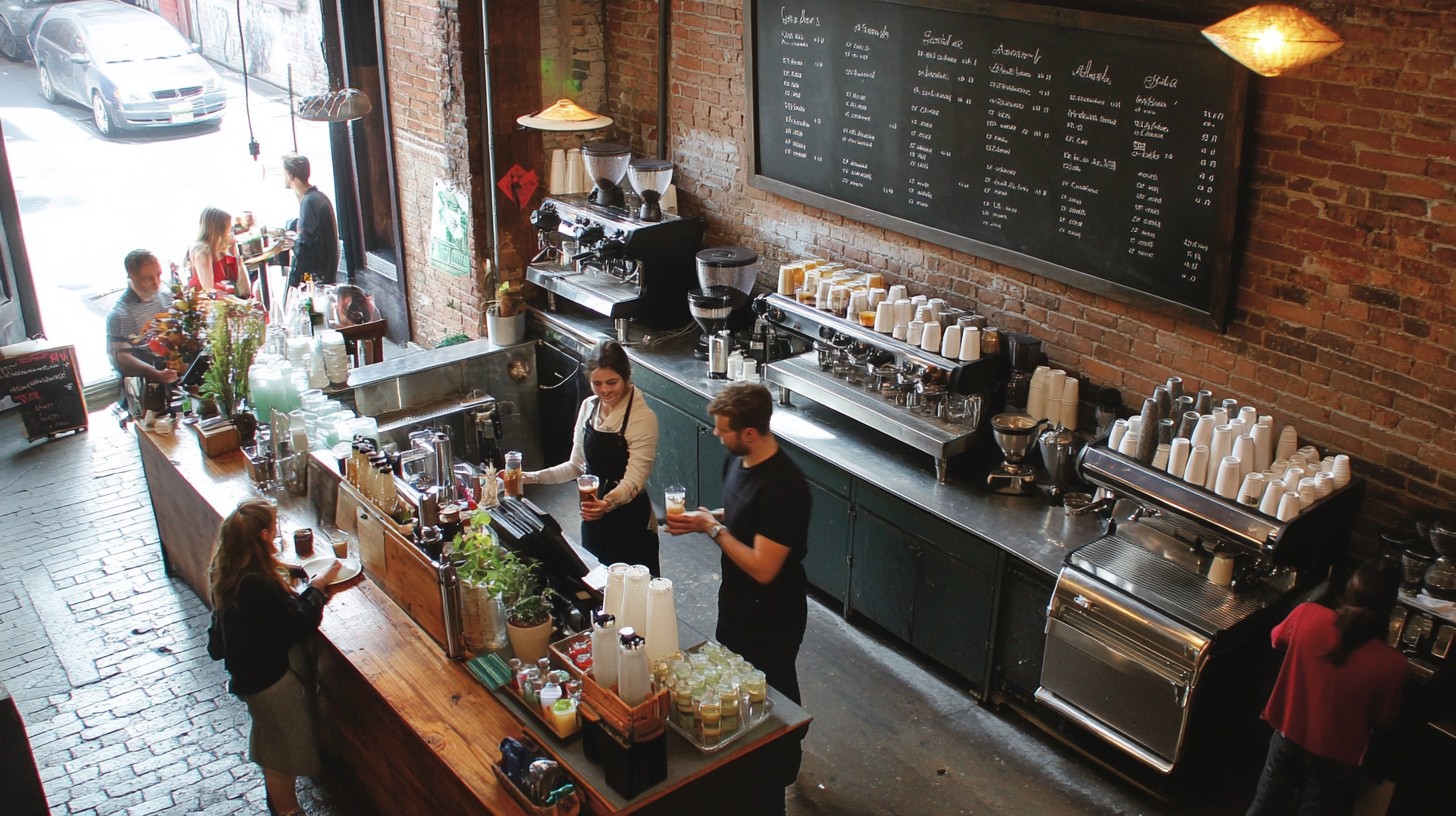
What affects how much a coffee shop can make?
Location, traffic, menu design, speed, and repeat business often matter more than the size of the shop.
Location and customer traffic
A coffee shop near offices may depend on weekday mornings. A shop near a college may have strong demand during the school year. A residential café may rely more on weekends and repeat customers.
Study:
- Pedestrian traffic
- Vehicle traffic
- Parking access
- Nearby offices and schools
- Competition
- Household income
- Daypart demand
- Seasonal changes
- Delivery demand
Traffic alone is not enough. A busy road may have many cars but few people who can safely stop.
Average order value
A shop can increase sales without adding the same number of customers by improving the average order value. Examples include:
- Adding a pastry
- Offering a larger size
- Selling breakfast items
- Promoting cold drinks
- Selling whole beans
- Offering office coffee boxes
- Creating simple bundles
The trade-off is complexity. A larger menu can increase waste, training time, storage needs, and service delays.
Service speed
Coffee shops often earn most of their sales during a few busy hours. If the line moves slowly, customers may leave or avoid returning.
Speed depends on:
- Workflow
- Equipment placement
- Staff training
- Mobile order design
- Menu complexity
- Payment processing
- Pickup organization
Faster service can increase capacity, but adding staff before demand exists can reduce profit.
Sales mix
Not all sales have the same margin. A drink may have a different contribution margin from a sandwich, a pastry, or a retail bag of coffee.
Track sales by category:
- Espresso drinks
- Brewed coffee
- Cold drinks
- Tea
- Food
- Retail coffee
- Merchandise
- Catering
This shows which products create sales and which products create useful profit.
Seasonality
Many U.S. coffee shops see changes caused by:
- Weather
- Holidays
- School calendars
- Tourism
- Local events
- Office occupancy
- Summer drink demand
Use monthly forecasts rather than one annual average. A shop that appears profitable for the year may face cash shortages in slow months.
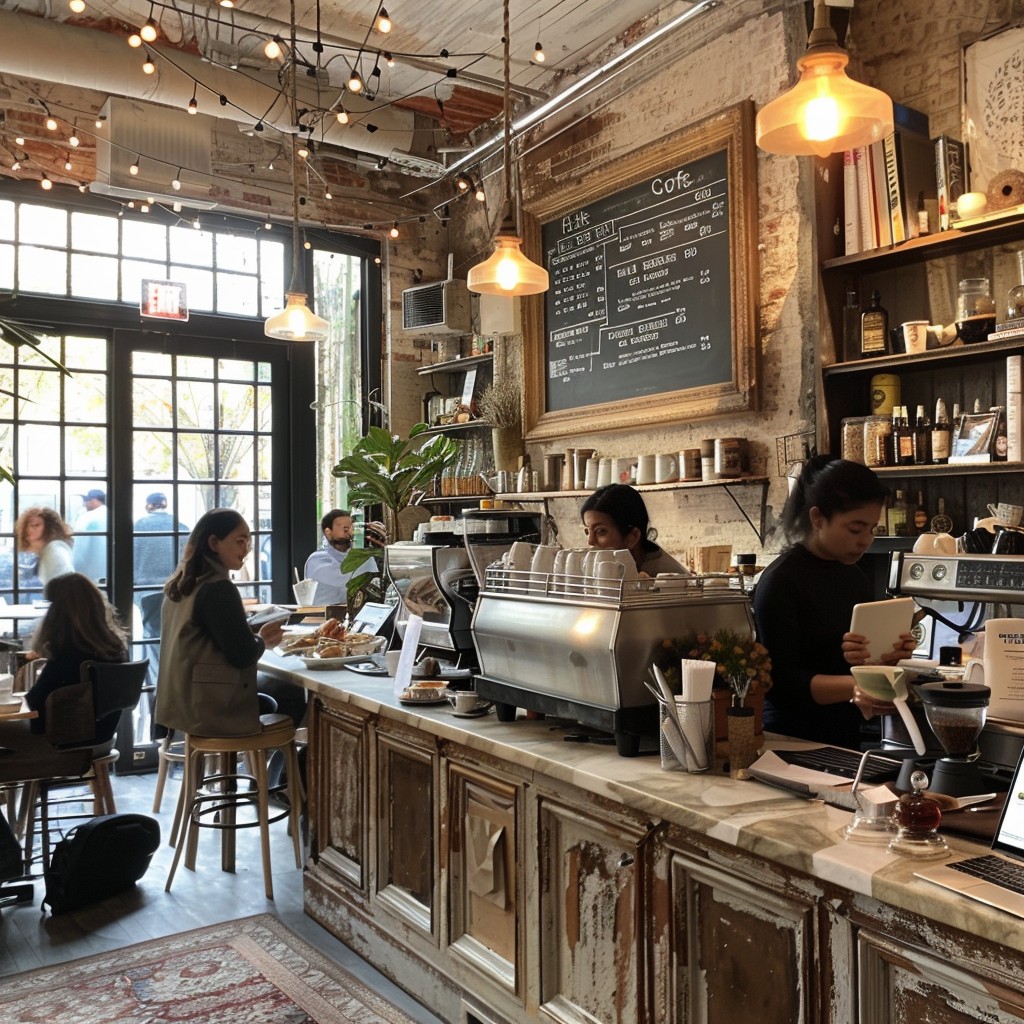
How much money do you need to open a coffee shop?
Opening costs can range from tens of thousands of dollars for a small kiosk or mobile setup to several hundred thousand dollars for a full café build-out. A drive-through, franchise, or heavily remodeled location may cost more.
Common startup costs include:
- Lease deposit
- Construction and plumbing
- Electrical work
- Espresso equipment
- Refrigeration
- Furniture
- Signage
- Point-of-sale system
- Initial inventory
- Licenses and permits
- Insurance
- Professional fees
- Pre-opening payroll
- Marketing
- Working capital
The SBA recommends calculating both startup costs and ongoing costs. Working capital is especially important because sales may build slowly while rent and payroll begin immediately.
A practical funding plan should cover:
- The cost to open.
- Several months of fixed expenses.
- Inventory and payroll.
- Unexpected repairs.
- Loan payments.
- The owner’s personal living needs, if the shop will not provide a salary at first.
Do not assume that a profitable business is automatically cash-rich. Loan payments, inventory purchases, and equipment replacement can reduce cash even when the income statement shows a profit.
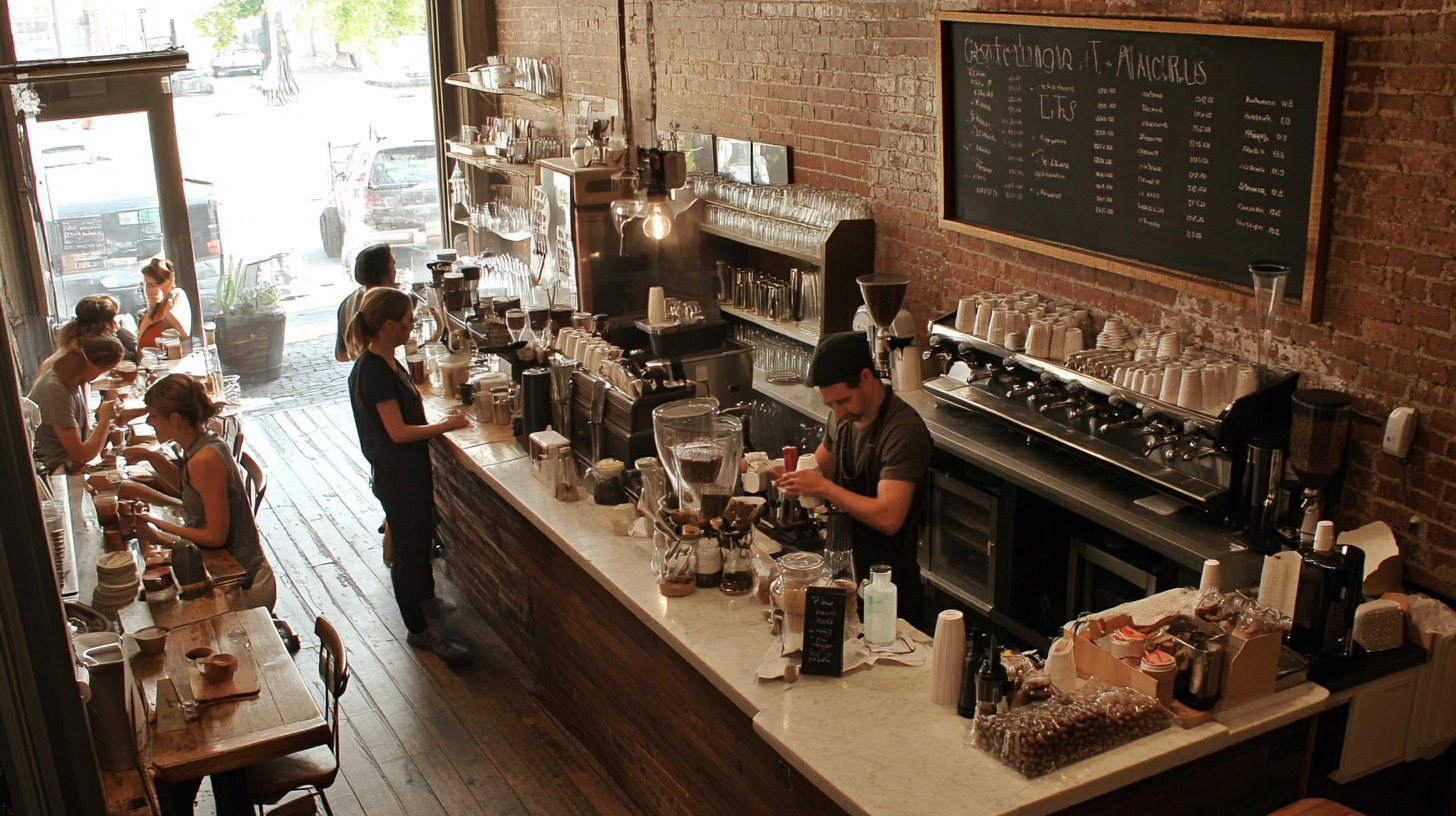
Break-even sales for a coffee shop
Break-even sales are the sales level at which the business covers its costs but earns no profit.
The formula is:
Break-even sales = fixed costs ÷ contribution margin
Contribution margin is the portion of each sales dollar left after variable costs. Variable costs rise with sales, such as coffee, milk, food, packaging, and payment fees.
Hypothetical break-even example
Assume monthly fixed costs of:
- Rent and occupancy: $9,000
- Salaried management: $7,000
- Base payroll: $8,000
- Insurance and software: $2,000
- Loan payments and other fixed costs: $4,000
Total fixed costs: $30,000
Assume the average contribution margin is 65%.
Calculation:
$30,000 ÷ 0.65 = $46,154
The shop would need about $46,154 in monthly sales to break even under these assumptions.
At an average ticket of $7.50 and 27 open days, required daily transactions would be:
$46,154 ÷ $7.50 ÷ 27 = about 228 transactions per day
This calculation gives the owner a useful reality check. If the location cannot reasonably support about 228 daily transactions, the lease, pricing, staffing, or business model may need to change.

Common mistakes when estimating coffee shop income
Many forecasts fail because they focus on sales and ignore capacity, costs, or cash flow.
Mistake 1: Treating industry ranges as promises
Published estimates may describe different business types, years, regions, and accounting methods. Use them as rough context, not as a substitute for local research.
Mistake 2: Underestimating labor
A shop may need more staff during rush periods even if the rest of the day is quiet. Build schedules around actual demand and include payroll taxes and turnover.
Mistake 3: Ignoring owner labor
If the owner works 50 hours per week without pay, the business may appear more profitable than it really is.
Mistake 4: Using optimistic traffic assumptions
Count likely customers by time of day. Do not base the forecast only on a busy Saturday or a landlord’s traffic claim.
Mistake 5: Forgetting taxes and debt
Profit before taxes is not personal take-home pay. Loan principal, income taxes, self-employment taxes, and reinvestment can reduce the owner’s available cash.
Mistake 6: Adding too much menu complexity
More items can raise sales, but they can also increase waste, training, storage, and service time.
Mistake 7: Opening without enough working capital
A café can fail even when demand is good if it runs out of cash during construction delays, slow months, or equipment repairs.

A practical coffee shop income checklist
Before opening or buying a coffee shop, prepare these figures:
- Expected daily transactions
- Average ticket
- Open days per month
- Monthly sales
- Product cost percentage
- Labor cost
- Rent and occupancy cost
- Utilities and insurance
- Loan payments
- Taxes
- Owner salary
- Break-even sales
- Seasonal cash needs
- Equipment replacement reserve
Then create three forecasts:
- Conservative case: Lower traffic, slower growth, and higher costs.
- Expected case: Reasonable local assumptions.
- Strong case: Higher traffic and better sales mix.
The conservative case is the most useful for deciding whether the business can survive.
Key takeaways
- A U.S. coffee shop may generate $20,000 to $100,000 or more in monthly sales, but results vary widely.
- Net profit is often much lower than revenue. A planning range of 2% to 10% is more realistic than assuming every drink produces high profit.
- Customer volume and average ticket size drive sales.
- Labor, rent, waste, and debt payments often determine whether sales become profit.
- Use local traffic, wages, rent, competition, and seasonality to build the forecast.
- Calculate break-even sales before signing a lease.
- Treat owner wages, taxes, loan payments, and reinvestment as real costs.
Frequently asked questions
Can a small coffee shop make $10,000 a month?
It can, but that figure may refer to sales rather than profit. A small shop with $10,000 in monthly sales could lose money after rent and payroll. A shop earning $10,000 in monthly net profit would likely need much higher sales, strong margins, or unusually low overhead.
How many customers does a coffee shop need to make money?
The number depends on the average ticket and costs. If monthly break-even sales are $45,000, the average ticket is $7.50, and the shop is open 27 days, it needs about 222 transactions per day:
$45,000 ÷ $7.50 ÷ 27 = about 222 customers per day
Is a coffee shop more profitable than a restaurant?
It may have simpler operations and strong beverage margins, but profitability still depends on rent, labor, sales volume, and waste. A coffee shop can be cheaper to operate than a full-service restaurant, but it may also have lower average tickets and heavy dependence on morning traffic.
Do coffee shop owners make good money?
Some owners earn a strong income, while others earn little or lose money. Owner income depends on sales, debt, location, labor needs, and whether the owner works in the shop. A business that produces profit only because the owner works unpaid hours may not be financially attractive.
What is the most profitable item in a coffee shop?
Beverages often have a high gross margin because their ingredient costs can be modest compared with the selling price. That does not mean every drink has high net profit. Labor, rent, equipment, waste, and payment fees still apply.
Conclusion
A coffee shop can make a good living, but sales alone do not answer the question. The stronger measure is how much remains after every cost, including the owner’s labor, taxes, debt, and equipment replacement.
Start with a local forecast:
transactions × average ticket × open days
Then test the result against labor, rent, product costs, break-even sales, and slow months. If the numbers work under conservative assumptions, the business has a stronger chance of producing sustainable income.

Liora Pennings is a seasoned chef and kitchen enthusiast with a passion for turning everyday cooking into an effortless experience. With years of hands-on culinary expertise, she specializes in practical techniques, ingredient know-how, and smart kitchen solutions that help home cooks elevate their meals. At KitchFlair.com, Liora shares her best tips, time-saving tricks, and honest product reviews to guide readers toward a more efficient, enjoyable, and inspired cooking routine. Whether you’re a beginner or a seasoned home chef, Liora’s friendly, knowledge-packed insights make every visit to the kitchen a little easier—and a lot more delicious.