How To Make Popcorn From Corn: Easy Stovetop Guide
Make popcorn from dried popcorn kernels with oil, heat, and a covered pot in just a few simple steps.
Learning how to make popcorn from corn is easy once you understand one key detail: only special popcorn kernels have enough moisture inside to burst. With the right heat, a little oil, and good timing, you can make crisp, fluffy popcorn on the stovetop without expensive equipment. This guide explains the best method, common mistakes, seasoning ideas, storage tips, and the science behind every pop.
What Kind of Corn Makes Popcorn?
You need dried popcorn kernels, not fresh corn or ordinary dried field corn. Popcorn is a special type of corn with a hard outer shell and a small amount of moisture sealed inside.
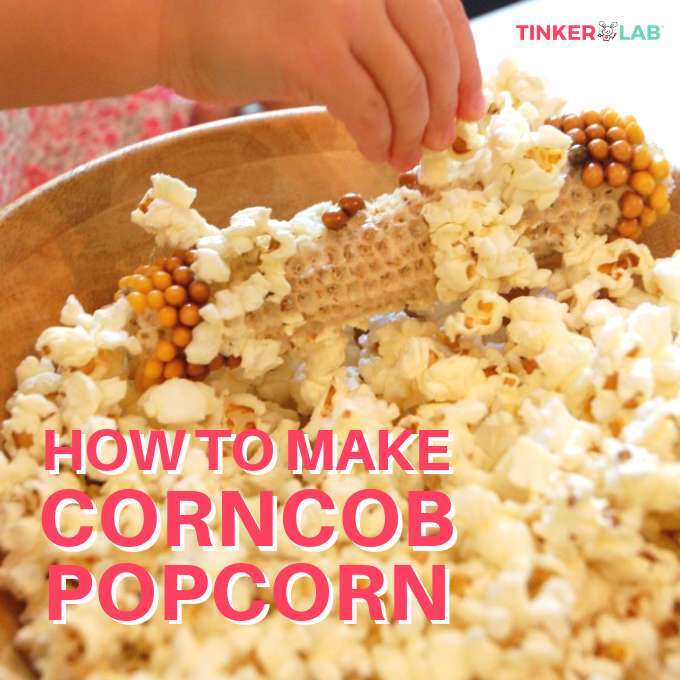
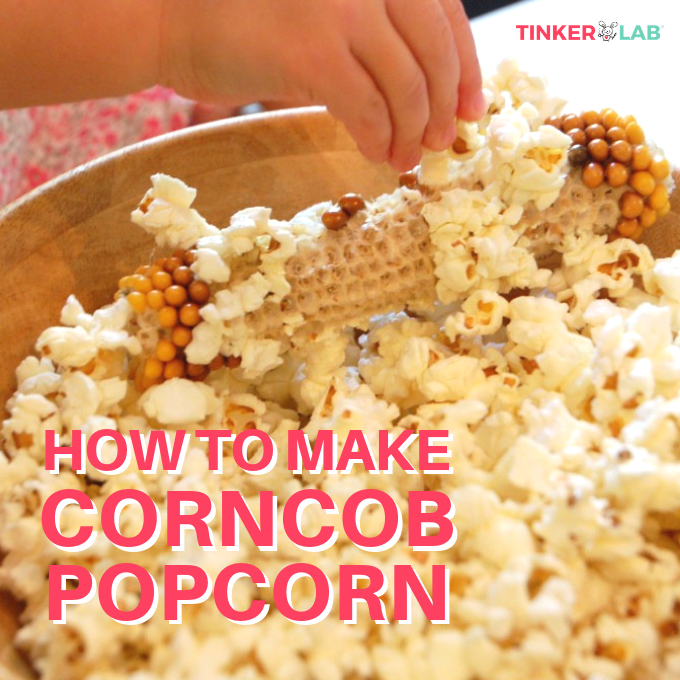
When the kernel heats, the water turns into steam. Pressure builds until the shell breaks open. The soft starch inside expands and turns into the white popcorn you eat.
Popcorn kernels come in several forms:
• Yellow kernels usually make large, fluffy pieces with a classic popcorn taste.
• White kernels often have a smaller, tender texture.
• Mushroom kernels create round pieces that work well with caramel or chocolate coatings.
• Butterfly kernels have irregular wings and are common for movie-style popcorn.
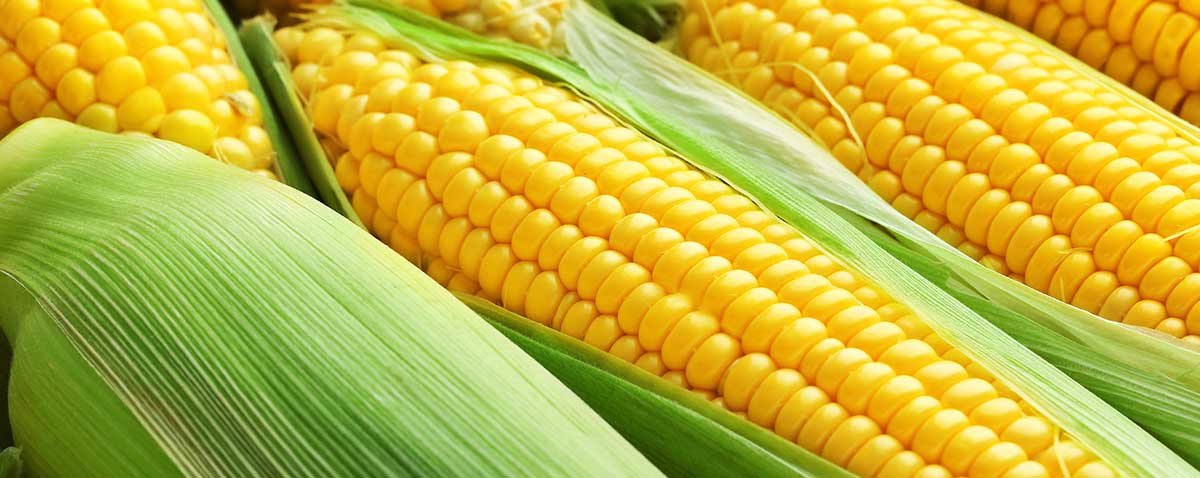
Do not use corn on the cob, canned corn, frozen corn, or standard feed corn. These types do not have the right shell and moisture balance for reliable popping.
Ingredients and Equipment You Need
The basic method for how to make popcorn from corn needs only a few ingredients. Good tools also make the process safer and more even.
Ingredients
For about 8 cups of popped popcorn, use:
• ½ cup popcorn kernels
• 2 tablespoons neutral cooking oil
• ¼ to ½ teaspoon fine salt, or salt to taste
Good oil choices include canola, vegetable, peanut, avocado, and refined coconut oil. Choose an oil that can handle medium-high heat without smoking.
Butter tastes great, but regular butter contains water and milk solids. It can burn before the kernels finish popping. For better results, pop the kernels in oil and add melted butter afterward.
Equipment
You will need:
• A large, heavy pot with a lid
• A heat-safe bowl
• A long spoon or silicone spatula
• Oven mitts
• A small saucepan or microwave-safe bowl for melted butter
A heavy pot spreads heat more evenly. This helps prevent burned kernels and reduces the number of unpopped pieces.

How to Make Popcorn from Corn on the Stovetop
The stovetop method gives you control over heat, oil, and seasoning. It also produces crisp popcorn with a fresh roasted flavor.
Step 1: Measure the kernels and oil
Place ½ cup of popcorn kernels and 2 tablespoons of oil near the stove. A useful rule is to use about 1 tablespoon of oil for every ¼ cup of kernels.
The kernels should sit in one layer across the bottom of the pot. Overcrowding traps steam and makes some pieces chewy.
Step 2: Test the heat
Pour the oil into the pot and add two or three kernels. Cover the pot and heat it over medium heat.
When the test kernels pop, the oil is ready. This simple step helps you avoid heating the oil for too long.
Step 3: Add the remaining kernels
Remove the pot from the burner for about 30 seconds. Add the remaining kernels, then cover the pot again.
This short pause allows the kernels to warm more evenly. It is one of the best tricks for how to make popcorn from corn with fewer unpopped kernels.
Step 4: Shake the pot
Return the covered pot to medium heat. Hold the lid firmly and gently shake the pot from side to side every few seconds.
Shaking moves unpopped kernels across the hot surface. It also keeps popped pieces from staying in one place and burning.
Leave a small gap in the lid if your lid design allows it. This lets excess steam escape while still keeping the kernels contained. Too much trapped steam can make the popcorn soft.
Step 5: Stop at the right time
Listen closely as the kernels pop. When the sound slows to about one pop every two seconds, remove the pot from the heat.
Do not wait until every kernel pops. The last few kernels may burn before they burst. Quickly pour the popcorn into a large bowl to stop the cooking.
Step 6: Season while warm
Add salt, melted butter, or another topping while the popcorn is still warm. Toss it well so the seasoning reaches as many pieces as possible.
For better coverage, drizzle butter in a thin stream while tossing. Sprinkling fine salt from high above the bowl also helps distribute it evenly.

How to Make Popcorn from Corn Without Oil
You can make popcorn without oil, but the stovetop method is less reliable. Kernels may scorch more easily because oil helps transfer heat across the surface of the pot.
For oil-free popcorn, use a microwave-safe bowl with a loose, vented cover:
-
Add ¼ cup popcorn kernels to the bowl.
-
Cover the bowl with a vented lid or microwave-safe plate.
-
Microwave on high for about 2 to 3 minutes.
-
Stop the microwave when popping slows to one or two seconds between pops.
-
Remove the bowl carefully because it may be hot.
Microwave power varies. Start with a shorter time and add small bursts if needed. Never microwave popcorn kernels in a completely sealed container.
Air poppers are another good choice. They use hot air instead of oil and can produce light popcorn with fewer calories from added fat. However, air-popped popcorn may taste drier unless you add butter, oil, cheese powder, herbs, or another topping.

How to Make Popcorn from Corn in the Microwave
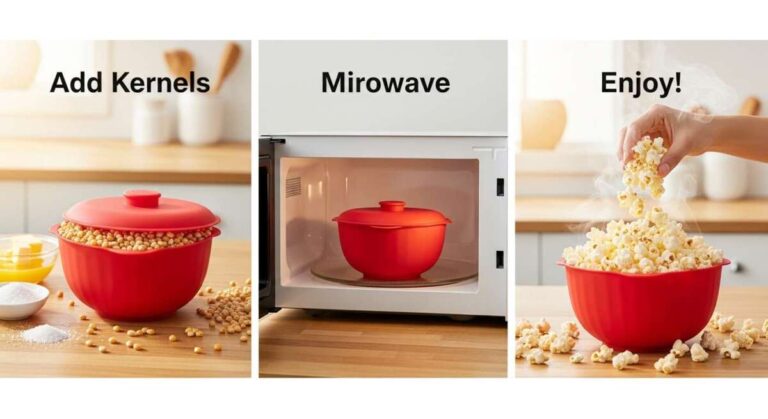
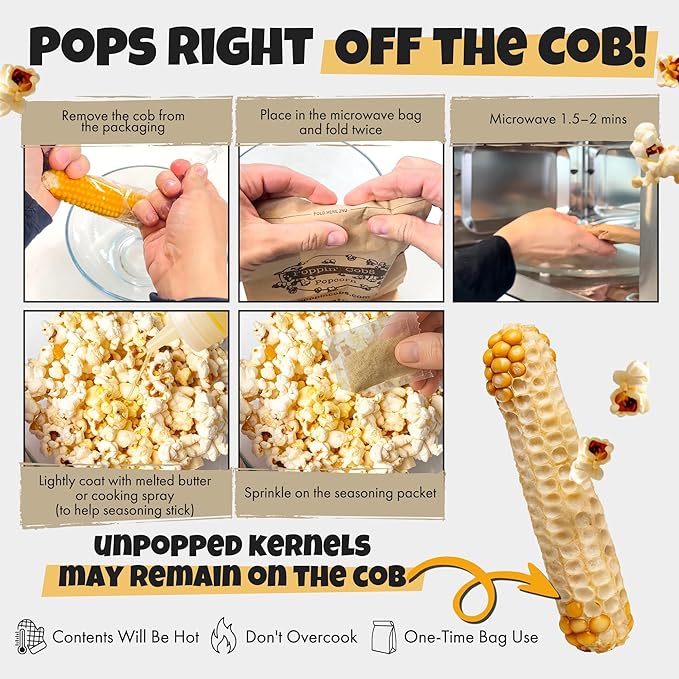
A microwave can make popcorn quickly, but safety and timing matter. Use plain popcorn kernels rather than placing loose kernels in a sealed jar or container.
Put ¼ cup of kernels into a large microwave-safe bowl. Cover it with a vented lid or a microwave-safe plate that allows steam to escape.
Heat the kernels on high for 2 to 3 minutes. Stay nearby and listen. Stop the microwave when the popping slows, even if a few kernels remain.
Do not use a paper bag unless it is specifically made and labeled for microwave cooking. Some bags, inks, glues, and coatings are not designed for high heat.
For the best results, use a bowl large enough to let the popcorn expand. A small bowl can overflow and force steam or hot kernels out of the container.

Why Does Popcorn Pop?
Popcorn pops because of water trapped inside each kernel. A popcorn kernel usually contains a small amount of moisture inside a dense starch center.
As the kernel heats, the moisture changes into steam. The hard hull holds in the pressure. At around 347°F, the hull can rupture, allowing the starch to expand rapidly.
The softened starch cools into the white, crunchy shape we call popcorn. If a kernel has too little moisture, it may stay hard. If it has too much moisture, it may pop poorly or create soft popcorn.
This is why storage matters. Popcorn kernels should stay in an airtight container at room temperature. Do not store them in the refrigerator unless needed, because changing moisture levels can affect popping quality.
Common Mistakes When Making Popcorn
Even a simple recipe can go wrong. These mistakes are common when learning how to make popcorn from corn.
Using the wrong corn
Fresh sweet corn does not pop like popcorn kernels. It contains too much water and has a soft outer layer.
Using too much heat
High heat can burn the oil and scorch the popcorn before all the kernels pop. Medium heat gives the kernels time to warm and expand.
Filling the pot too much
A crowded pot creates uneven heating. Use a larger pot or make two smaller batches.
Forgetting to shake
Without movement, kernels can sit on hot spots. Gentle shaking improves heat distribution.
Keeping the pot on the heat too long
The popping sound is your timer. Remove the pot when pops slow down.
Adding wet toppings
Water-based sauces can make popcorn soggy. Add wet toppings just before serving, or use a low oven to help dry coated popcorn.
Using coarse salt
Large salt crystals may fall to the bottom of the bowl. Fine popcorn salt sticks better to the warm surface.
In my kitchen tests, the most common problem is not the recipe. It is waiting too long to remove the pot. The aroma may still seem pleasant, but burnt kernels can quickly spread a bitter taste through the whole batch.
Best Seasonings for Homemade Popcorn
Plain popcorn is a blank canvas. You can keep it simple with salt or build a sweet, spicy, cheesy, or savory snack.
Try these combinations:
• Classic: melted butter and fine salt
• Garlic herb: olive oil, garlic powder, dried parsley, and black pepper
• Chili lime: lime zest, chili powder, and a small pinch of salt
• Parmesan: finely grated Parmesan, black pepper, and dried Italian herbs
• Cinnamon sugar: melted butter, cinnamon, and a little sugar
• Nutritional yeast: nutritional yeast, garlic powder, and smoked paprika
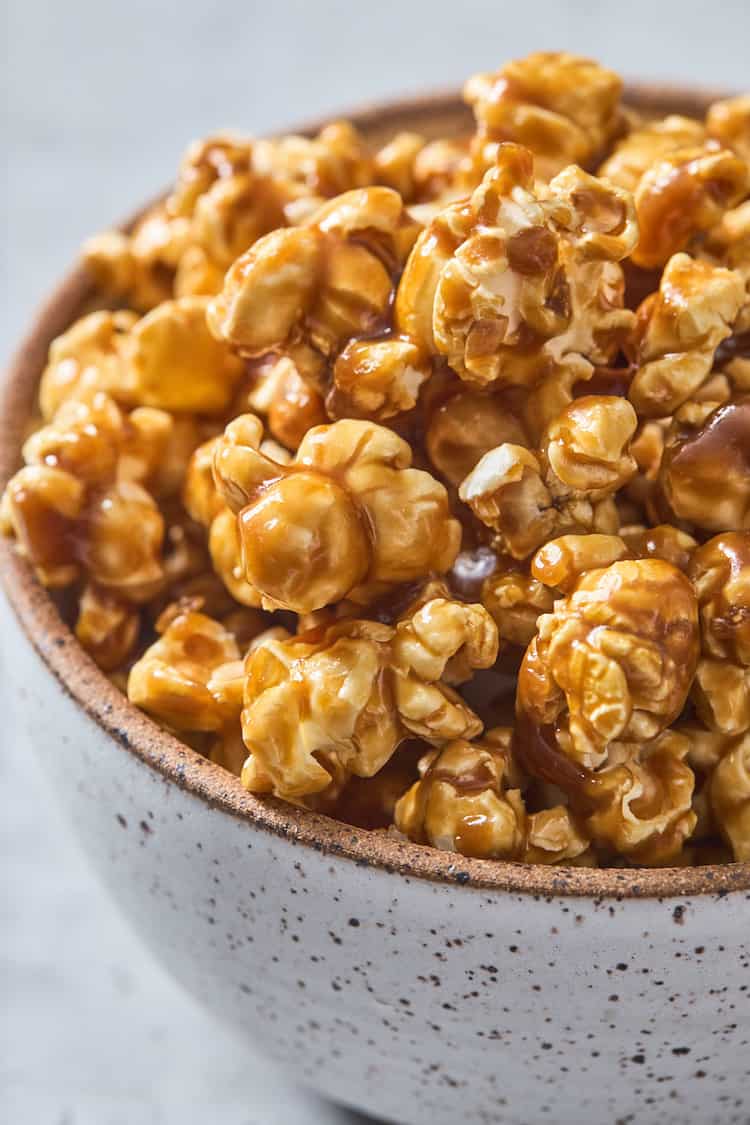
• Caramel: homemade caramel sauce poured over warm popcorn
Add dry seasonings while the popcorn is warm. A small amount of oil or melted butter helps the powder stick.
Use salt carefully if you add cheese, salted butter, bacon, or packaged seasoning. Layering several salty ingredients can make the final bowl too salty.
How to Keep Popcorn Crisp
Fresh popcorn tastes best right away, but you can store it for later. Let it cool fully before sealing it in an airtight container or resealable bag.
Warm popcorn releases steam. If you close the container while it is still hot, that moisture can soften the pieces.
Keep plain popcorn in a cool, dry place. Popcorn with butter, cheese, caramel, or other toppings may have a shorter shelf life because those ingredients can affect texture and freshness.
For crisp results:
• Cool the popcorn before storing it.
• Use a dry, airtight container.
• Keep it away from steam and humidity.
• Avoid adding butter until you are ready to eat.
• Reheat briefly in a low oven if the popcorn becomes slightly soft.
Do not expect stored popcorn to stay as crisp as a fresh batch. Homemade popcorn has no commercial moisture controls, so texture naturally changes over time.

Is Homemade Popcorn Healthy?
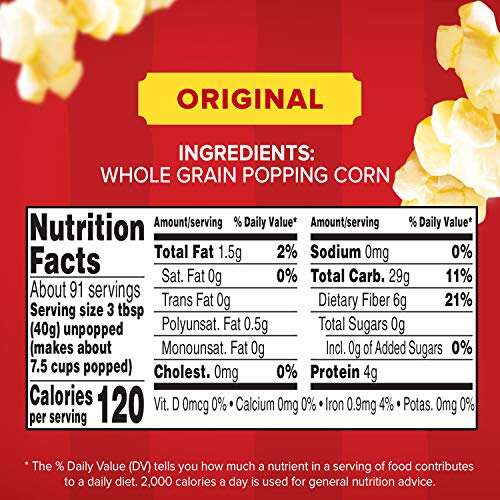
Popcorn itself is a whole-grain food and can be part of a balanced diet. It also provides fiber, but the nutritional value changes when you add large amounts of butter, oil, sugar, cheese, or salt.
Air-popped popcorn has fewer calories from added fat. Stovetop popcorn can still be a sensible snack when you control the oil and portion size.
A balanced serving might include:
• About 3 cups of popped popcorn
• A small amount of oil or butter
• Light seasoning
• No large amount of sugary coating
The best choice depends on your diet and health needs. People managing high blood pressure may want to limit sodium. Anyone with food allergies should check seasoning blends for milk, soy, wheat, peanuts, or other allergens.
Popcorn is not automatically healthy or unhealthy. The kernel is simple. The toppings determine much of the final nutritional profile.
How to Make Popcorn from Corn for a Crowd
When serving several people, make multiple small batches instead of one very large batch. This helps the kernels pop evenly and keeps the pot from becoming overloaded.
For about 16 cups of popcorn, make two batches using:
• 1 cup popcorn kernels total
• ¼ cup oil total
• Salt and toppings as needed
Pour each finished batch into a large bowl. Season in layers rather than adding all the salt at once. This gives you better control and prevents a salty bottom layer.
For a party, keep butter and seasonings in separate bowls. Guests can create their own flavors, and the popcorn stays crisp longer without wet toppings.
Always warn children about hot oil, steam, and the pot. An adult should handle popping and transfer the finished popcorn.
How to Make Popcorn from Corn Safely
Hot oil and steam can cause burns. Use a pot with a secure lid and keep the handle turned away from the edge of the stove.
Do not lift the lid while kernels are actively popping. Escaping steam can burn your hands and face. If you need to check the pot, use oven mitts and lift the lid away from your body.
Other safety tips include:
• Never leave heating oil unattended.
• Keep children away from the stove.
• Use a large pot to prevent overflow.
• Do not add water to hot oil.
• Turn off the burner before moving the pot.
• Let the pot and oil cool before washing.
If oil begins to smoke heavily, remove the pot from the burner. Let it cool before deciding whether to discard it. Never pour hot oil down the sink.
Frequently Asked Questions About How to Make Popcorn from Corn
Can you make popcorn from regular corn?
No. Regular sweet corn, field corn, canned corn, and frozen corn do not have the hard hull and moisture balance needed to pop well. Use kernels labeled “popcorn.”
How much popcorn does ½ cup of kernels make?
Half a cup of kernels usually makes about 8 cups of popped popcorn. The exact amount depends on the kernel type, age, moisture level, and cooking method.
Why are some popcorn kernels left unpopped?
Unpopped kernels may have uneven moisture, a damaged hull, poor storage, or insufficient heat. Overcrowding the pot can also prevent some kernels from heating evenly.
Should you soak popcorn kernels before cooking?
No. Soaking adds extra water and can make the kernels steam instead of pop. Store popcorn kernels in an airtight container at room temperature instead.
What oil is best for making popcorn?
Neutral oils with a suitable smoke point work well, including canola, vegetable, peanut, avocado, and refined coconut oil. Avoid heating regular butter for the full popping process because its milk solids can burn.
How do you make popcorn taste like movie theater popcorn?
Use a small amount of neutral oil, fine popcorn salt, and melted butter or butter-flavored topping. Toss the popcorn in layers so the seasoning spreads evenly rather than collecting at the bottom.
Can you make popcorn from corn without a popcorn maker?
Yes. A covered pot on the stovetop is one of the easiest methods. You can also use a microwave-safe bowl or an air popper.
Conclusion
Making popcorn from corn is simple when you use the right kernels, moderate heat, enough space, and careful timing. Start with a heavy pot, warm the oil with a few test kernels, shake the pot gently, and stop cooking when the pops slow down.
Once you learn how to make popcorn from corn, you can adjust the oil, salt, and toppings to suit your taste. Try a classic butter blend first, then explore garlic herb, chili lime, cinnamon sugar, or caramel flavors. Make a fresh batch today, and share your favorite homemade popcorn seasoning in the comments.
Liora Pennings is a seasoned chef and kitchen enthusiast with a passion for turning everyday cooking into an effortless experience. With years of hands-on culinary expertise, she specializes in practical techniques, ingredient know-how, and smart kitchen solutions that help home cooks elevate their meals. At KitchFlair.com, Liora shares her best tips, time-saving tricks, and honest product reviews to guide readers toward a more efficient, enjoyable, and inspired cooking routine. Whether you’re a beginner or a seasoned home chef, Liora’s friendly, knowledge-packed insights make every visit to the kitchen a little easier—and a lot more delicious.