What Is A French Press Coffee Maker: Easy Guide
A French press coffee maker is a simple brewing device that steeps ground coffee in hot water, then filters it.
Unlike a drip machine, a French press coffee maker gives you direct control over water, time, grind size, and strength. After years of studying and testing coffee brewing methods, I find the French press especially rewarding because it turns a few basic ingredients into a rich, full-bodied cup without pods, paper filters, or complex settings. This guide explains how it works, how to use it well, and how to avoid the mistakes that make French press coffee taste bitter or gritty.

What Is a French Press Coffee Maker?
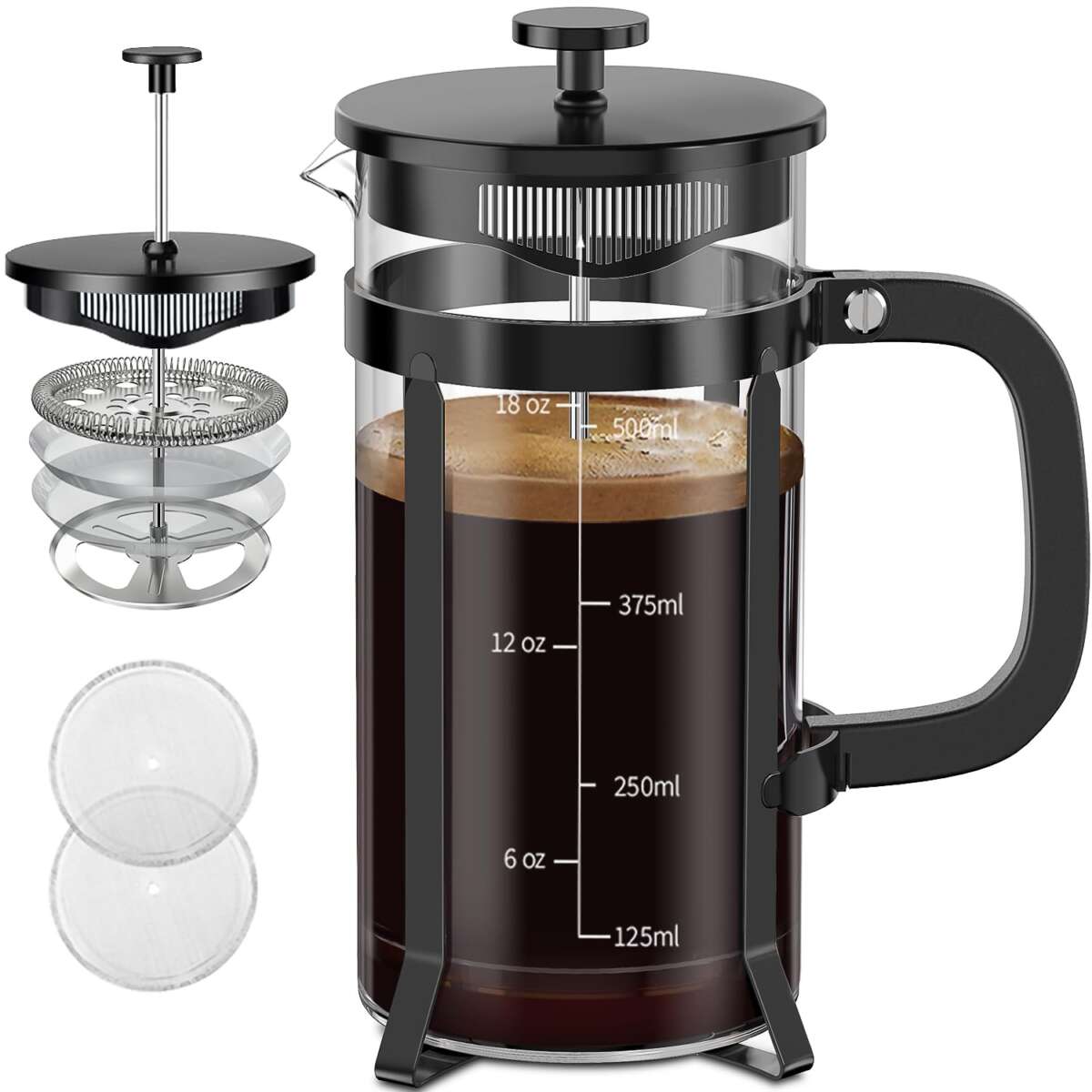
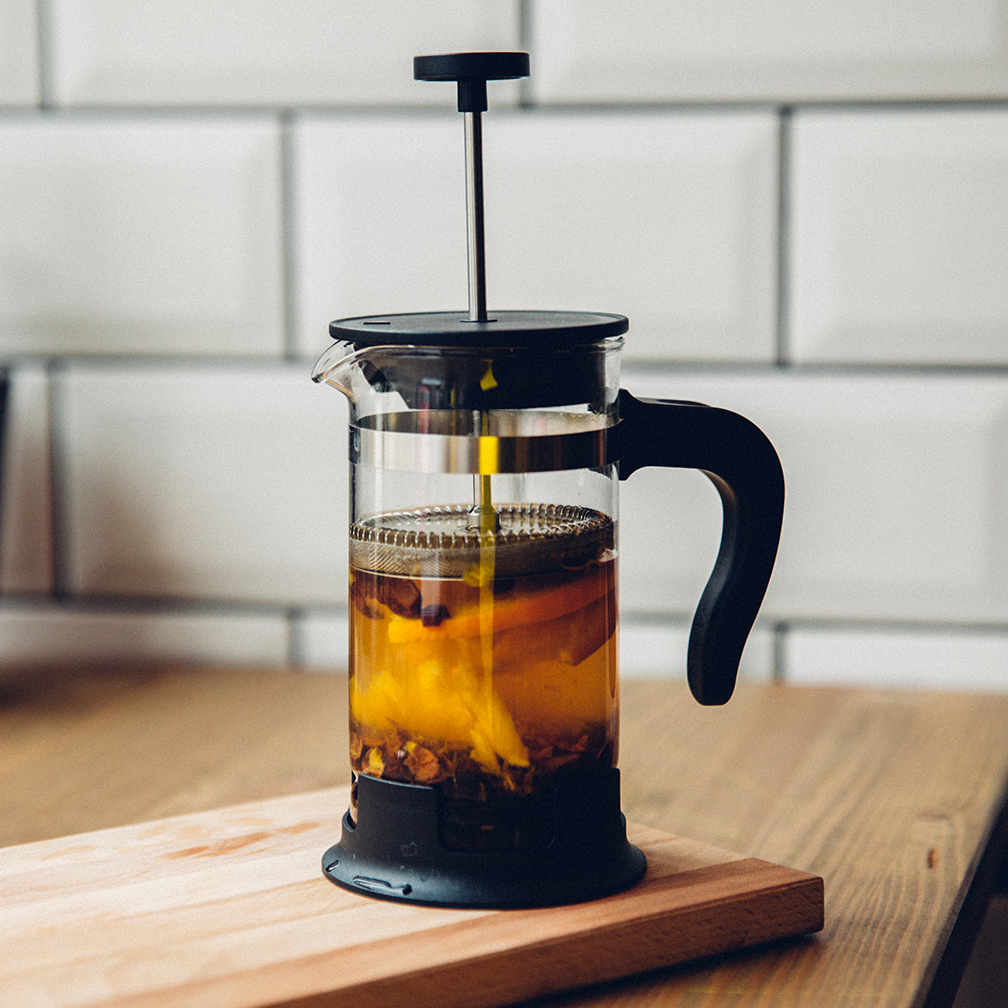
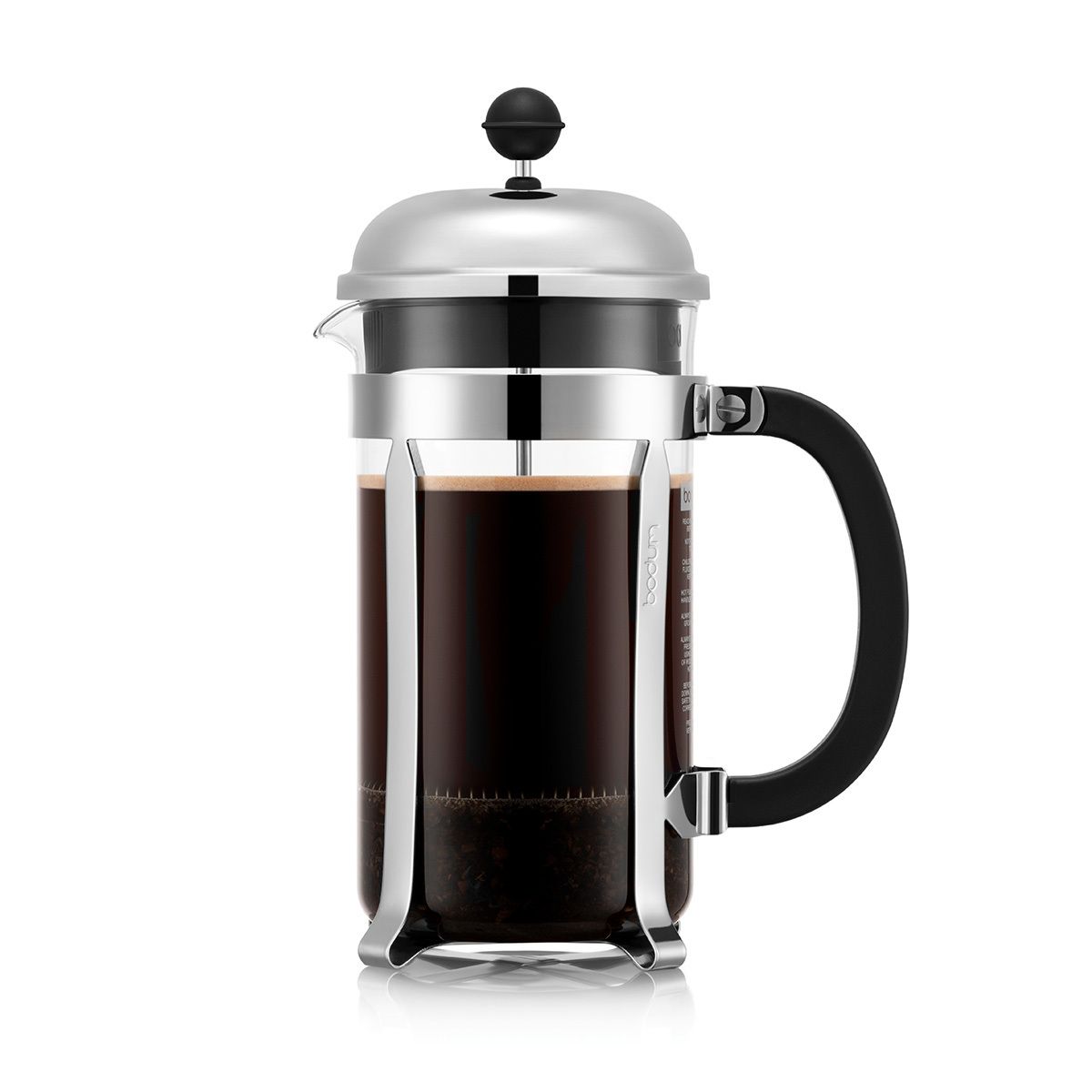
A French press coffee maker is a manual coffee brewer made from a cylindrical carafe, a lid, and a plunger with a metal mesh filter. You place coarse coffee grounds in the carafe, add hot water, let the mixture steep, and press the plunger down to separate the brewed coffee from the grounds.
The coffee grounds stay in contact with the water during the entire brew. This method is called immersion brewing. It is similar to steeping tea, but the plunger and filter make it easy to separate the liquid from the grounds.
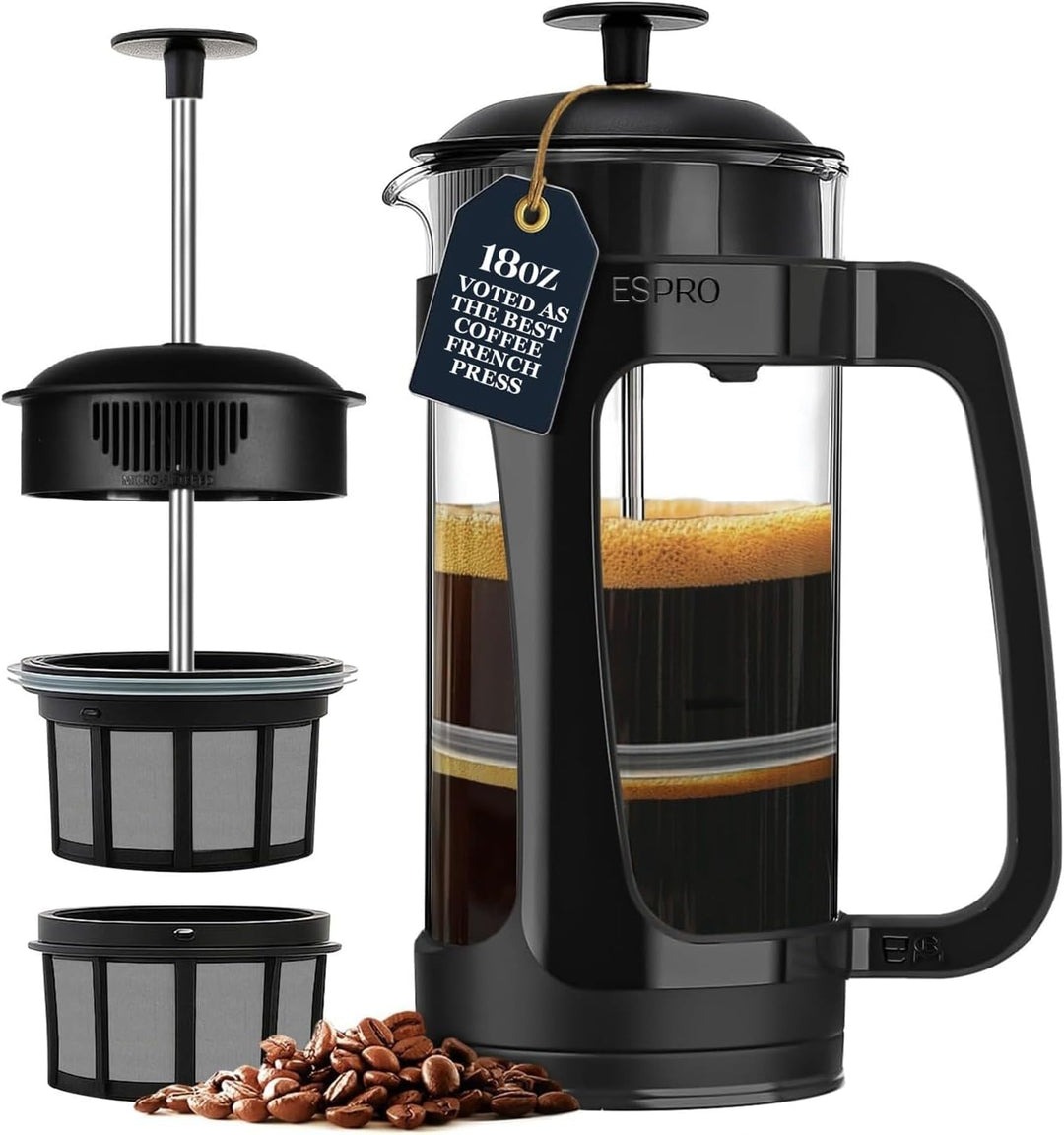
A typical French press coffee maker has four main parts:
• Carafe: The container that holds the coffee and water. It may be made from glass, stainless steel, or plastic.
• Plunger rod: The long rod attached to the handle on top.
• Mesh filter: The fine metal screen that traps most coffee grounds while allowing natural oils to pass through.
• Lid and frame: These parts help keep heat inside and guide the plunger.
The metal filter is important. Paper filters remove more oils and tiny particles, while the mesh filter in a French press coffee maker allows more of them into your cup. That is why French press coffee often tastes heavier, smoother, and more textured than drip coffee.
How Does a French Press Coffee Maker Work?
A French press coffee maker uses four basic steps: add coffee, add water, steep, and press. The process is simple, but each step affects the final taste.
When hot water touches the grounds, it extracts soluble flavor compounds. Early extraction brings out bright and acidic notes. More time extracts deeper flavors and body. If the coffee steeps too long, it may become bitter, dry, or harsh.
The plunger does not brew the coffee. It only separates the grounds from the liquid after steeping. This distinction matters because pressing harder or faster cannot fix coffee that was over-extracted during a long brew.
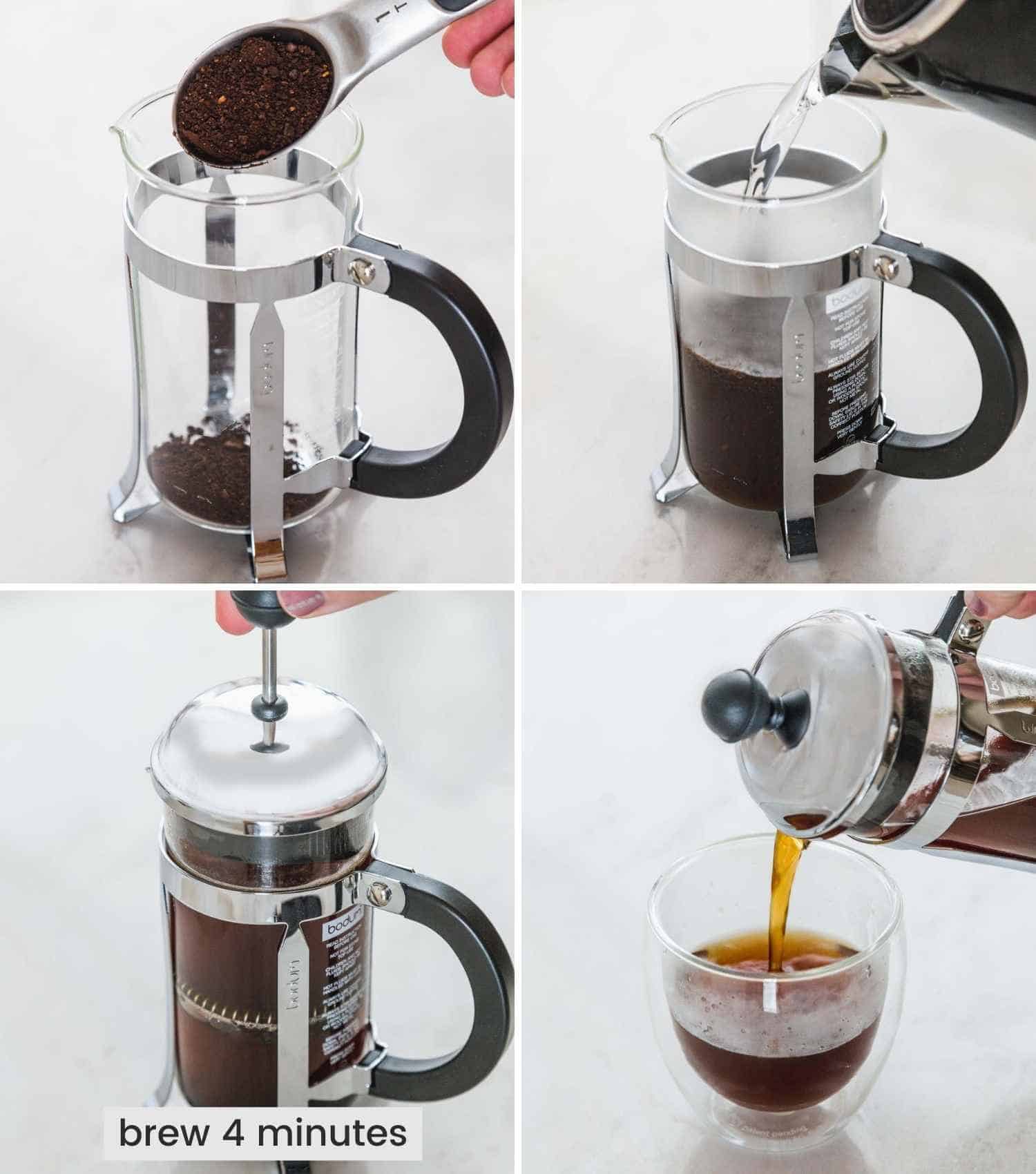
A simple brewing process looks like this:
-
Heat fresh water until it is hot but not violently boiling.
-
Add coarse coffee grounds to the carafe.
-
Pour in the water and gently stir to wet all the grounds.
-
Place the lid on top without pressing the plunger.
-
Let the coffee steep for about four minutes.
-
Press the plunger slowly and evenly.
-
Pour the coffee into a separate mug or serving pot.
A common starting ratio is 1 gram of coffee for every 15 to 17 grams of water. For a 12-ounce serving, try about 24 to 28 grams of coffee with 400 to 450 grams of water. A kitchen scale gives more consistent results than measuring spoons.

What Does French Press Coffee Taste Like?
French press coffee usually has a rich body, noticeable aroma, and full mouthfeel. The metal mesh filter lets coffee oils and very fine particles pass through, so the drink feels thicker than coffee made with a paper filter.
The flavor depends on the beans and the brewing method. Medium and dark roasts often produce notes of chocolate, nuts, caramel, and spice. Light roasts can taste bright and fruity, but they may need careful control of water temperature, grind size, and steeping time.
You may notice a small layer of sediment at the bottom of the mug. This is normal. If the cup feels very muddy, the coffee may be ground too fine, the filter may be damaged, or the plunger may have been pressed too forcefully.
In practical brewing, I would describe French press coffee as closer to a rich soup than a clear tea. It carries more of the bean’s natural oils, which can make a good coffee feel comforting and bold.
How to Use a French Press Coffee Maker
Learning how to use a French press coffee maker takes only a few minutes. The key is to control the variables instead of changing everything at once.
Step 1: Choose fresh coffee
Use whole coffee beans when possible. Grind them just before brewing to preserve aroma and flavor. Older pre-ground coffee can still work, but it may taste flat because coffee loses fragrance soon after grinding.
Step 2: Use a coarse grind
The grounds should look similar to coarse sea salt. Fine grounds can pass through the mesh filter and create a bitter, muddy cup.
If your coffee tastes weak and sour, try a slightly finer grind or a longer steep. If it tastes bitter and dry, try a coarser grind or a shorter steep.
Step 3: Heat the water
A useful water range is about 195 to 205°F. If you do not have a thermometer, bring the water to a boil, then let it rest for about 30 seconds.
Water that is too cool may produce weak coffee. Water that is too hot can increase harsh flavors, especially with dark-roasted beans.
Step 4: Add the coffee and water
Put the grounds into the carafe. Pour the water in a slow circle so all the grounds become wet.
Give the mixture one gentle stir. Do not whip it or stir aggressively, since this can increase agitation and lead to uneven extraction.
Step 5: Steep for four minutes
Place the lid on the carafe and keep the plunger above the coffee. Start a timer and allow the coffee to steep for around four minutes.
Some people prefer three minutes for a lighter cup, while others enjoy five minutes for more body. Change only one factor at a time so you know what improved the flavor.
Step 6: Press slowly
Push the plunger down with steady, gentle pressure. If it becomes difficult to press, stop and lift it slightly before trying again.
A hard press can force fine grounds through the filter. It can also disturb the sediment and make the coffee feel gritty.
Step 7: Serve right away
Pour all the coffee into mugs or another container after pressing. Leaving it in the French press coffee maker allows the grounds to continue extracting, which can make the last cup bitter.

Best Coffee-to-Water Ratio for a French Press Coffee Maker
The best ratio depends on your taste, coffee roast, and serving size. Still, a reliable starting point is 1:16, meaning one part coffee to 16 parts water by weight.
Here are useful starting measurements:
• 8-ounce cup: 15 grams of coffee and 240 grams of water
• 12-ounce cup: 23 grams of coffee and 370 grams of water
• 32-ounce press: 55 grams of coffee and 880 grams of water
Use more coffee for a stronger drink. Use less coffee for a lighter drink. Avoid adding random amounts of coffee each time, because inconsistent measurements make it hard to learn what works.
The ratio is not a strict rule. It is a starting map. Once you find a cup you enjoy, write down the coffee weight, water weight, grind setting, and steep time.
Benefits of a French Press Coffee Maker
A French press coffee maker has several advantages over automatic brewers and single-serve machines.
• Simple design: It has no electronics, pumps, capsules, or complicated controls.
• Low cost: A good model can brew coffee for years with basic care.
• Full flavor: The metal filter preserves natural oils and body.
• Easy control: You can adjust the grind, water, time, and coffee ratio.
• No paper filters: You do not need to keep buying disposable filters.
• Portable brewing: It works in kitchens, offices, cabins, and many travel settings.
• Low energy use: You only heat the amount of water you need.
• Easy batch brewing: Larger models can make several cups at once.
A French press coffee maker is also useful for people who enjoy learning through taste. Small changes are easy to notice, so the brewer teaches you how coffee extraction works.

Limitations of a French Press Coffee Maker
A French press coffee maker is not perfect for every drinker. Its strengths also create a few limitations.
The metal filter allows more sediment into the cup. People who prefer clean, bright coffee may like a pour-over brewer better. French press coffee also contains more visible oils than paper-filtered coffee.
Cleanup takes more effort than throwing away a paper filter. You must remove the grounds, rinse the filter, and wash the carafe. Never push coffee grounds down a sink drain, because they can collect and cause blockages.
Glass models can break if they are dropped or exposed to sudden temperature changes. Stainless steel models are stronger and hold heat well, but they do not let you watch the brew and may cost more.
A French press coffee maker also does not keep coffee from over-extracting. Once the coffee is ready, pour it out. Do not let it sit on the grounds for a long time.
French Press vs. Drip Coffee Maker
The main difference is how the coffee and water interact. A French press coffee maker uses immersion, while a drip machine pours water through a bed of grounds and usually uses a paper filter.
French press coffee tends to have more body and oil. Drip coffee is often cleaner and lighter, with less sediment. A drip machine may also be more convenient when you want coffee ready at a set time.
Choose a French press if you want:
• Rich texture
• Manual control
• Small-batch brewing