How To Make Greek Coffee: Easy Traditional Guide
To make Greek coffee, simmer finely ground coffee, water, and sugar in a briki until a rich foam forms.
Learning how to make Greek coffee is less about speed and more about control. The coffee must stay unfiltered, the foam must remain intact, and the grounds need time to settle. With the right grind, a small briki, and gentle heat, you can prepare a cup that feels rich, smooth, and deeply tied to Greek coffee culture.
What Is Greek Coffee?
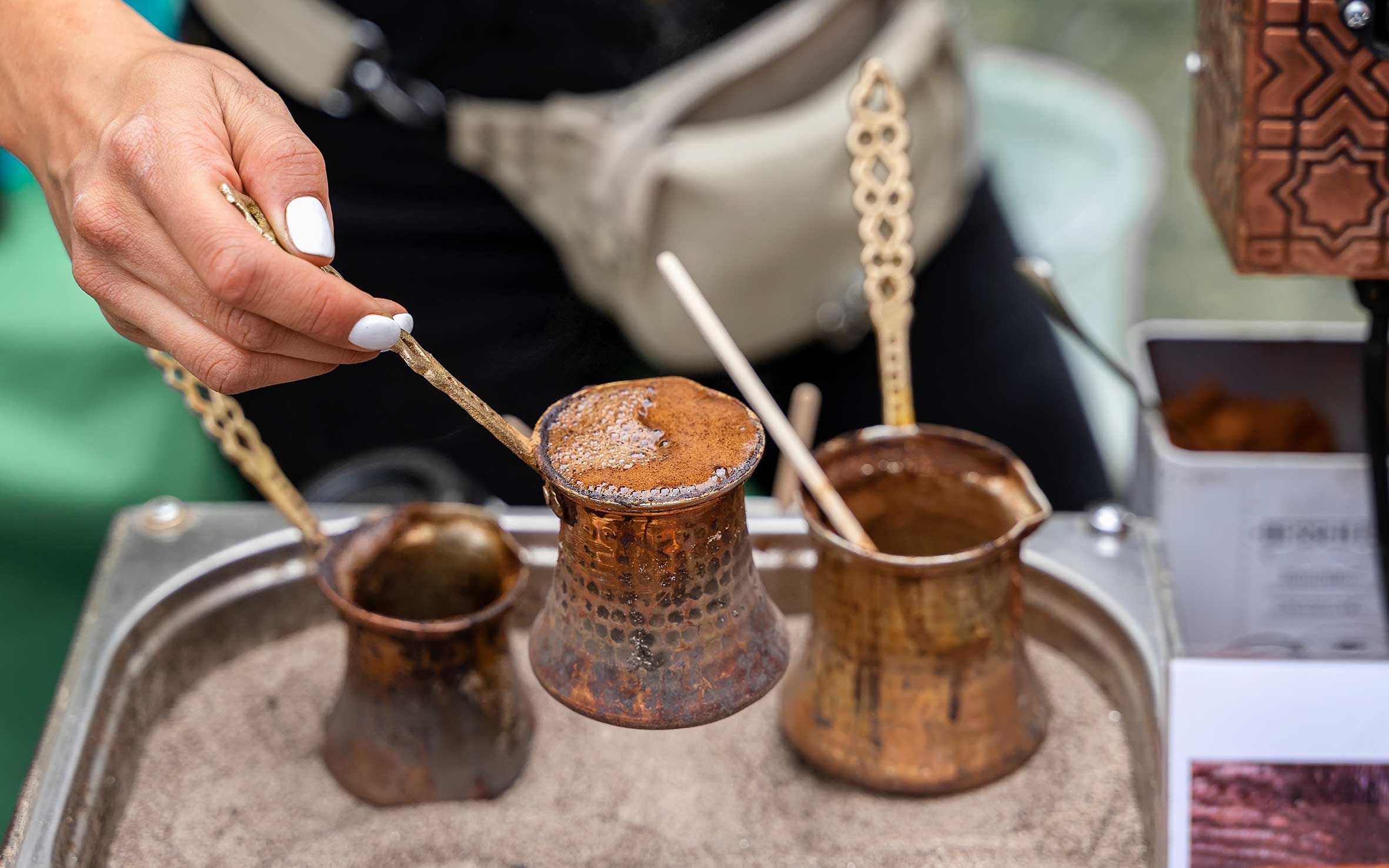
Greek coffee is a strong, unfiltered coffee made with very finely ground beans. It is brewed in a small pot called a briki, then poured into a small cup with the grounds still in the drink.
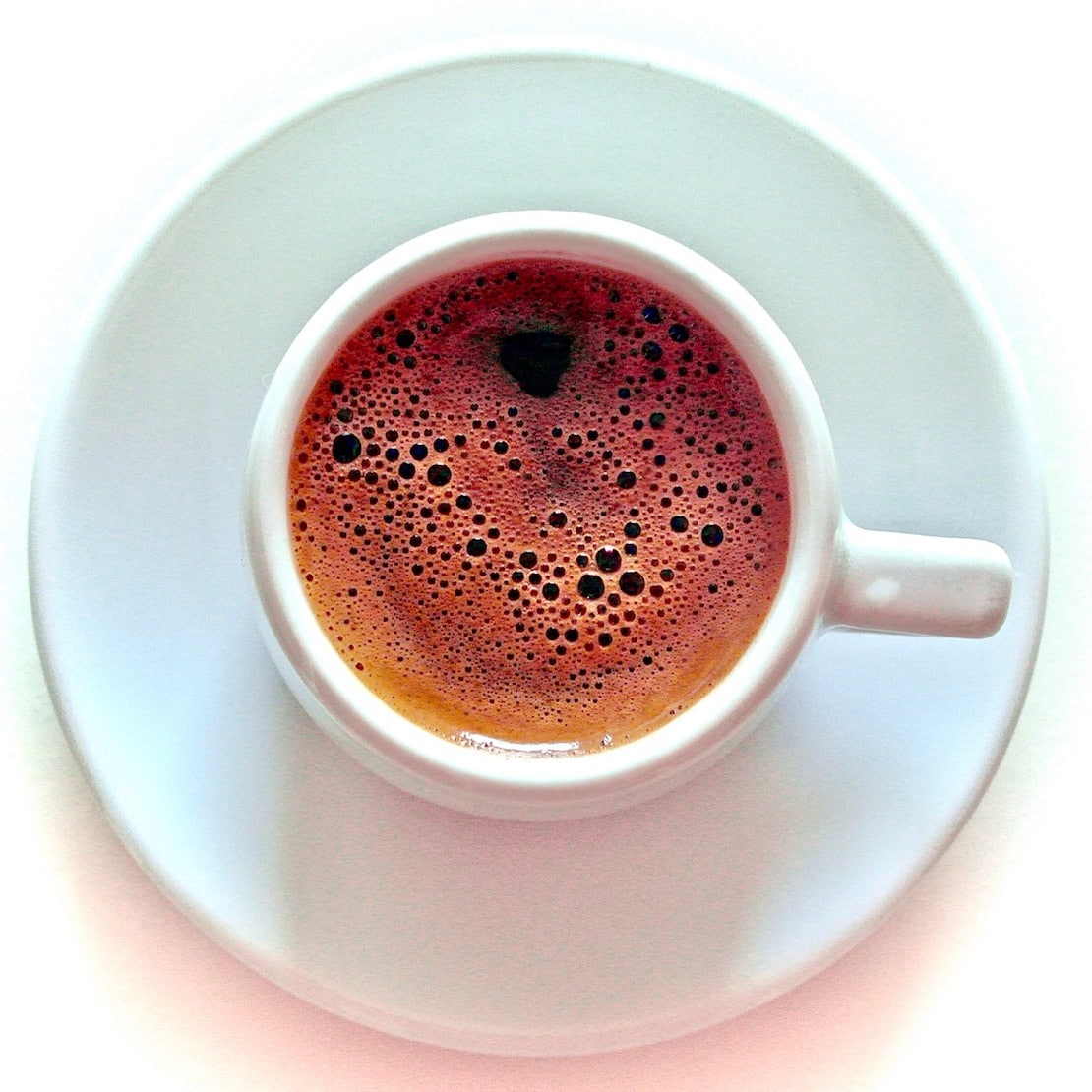
The coffee is not boiled in the same way as drip coffee. Instead, it is heated slowly until a thick foam, called kaïmaki, rises to the top. This foam is one of the best signs of well-made Greek coffee.
Greek coffee is closely related to coffee traditions across the eastern Mediterranean and the Middle East. The beans and brewing method are often similar to Turkish coffee, but the name reflects Greek language, culture, and serving customs.
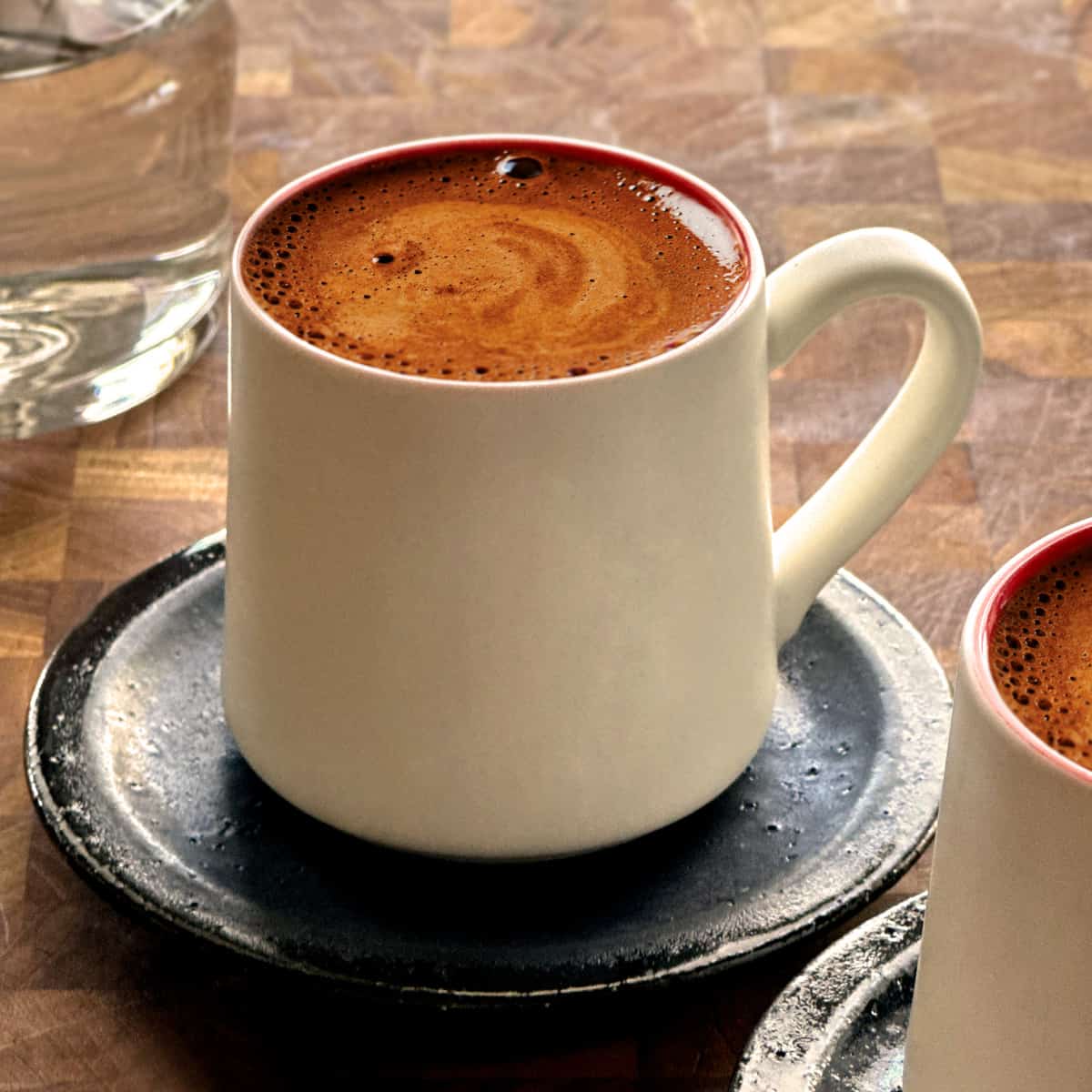
Greek coffee is usually served in a small demitasse cup. People often drink it slowly, with a glass of cold water and sometimes a small sweet treat.
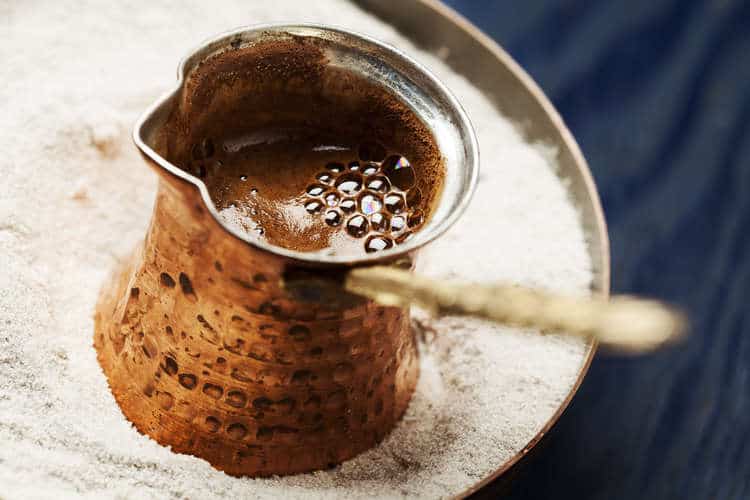
Greek Coffee Ingredients and Equipment
You do not need expensive equipment to learn how to make Greek coffee. In fact, the traditional method uses only a few simple items.
Ingredients for one cup
• 1 small demitasse cup of cold water
• 1 heaping teaspoon of Greek coffee
• Sugar, if desired
• Optional: a small pinch of cardamom for a regional variation
Use cold water rather than warm water. Cold water gives the coffee more time to release its flavor as it heats.
Equipment
• A briki, also called an ibrik or cezve
• A small Greek coffee cup
• A teaspoon for stirring
• A gas, electric, or induction cooktop
A briki is usually made from copper, stainless steel, or aluminum. Copper heats quickly and gives you good control, but stainless steel is easier to clean and works well for most home cooks.
The most important ingredient is the coffee grind. Greek coffee must be ground almost as fine as powder. Regular drip coffee, espresso grounds, and French press coffee will not produce the same result.
How to Make Greek Coffee Step by Step
Follow these steps for a traditional cup of Greek coffee. The full process takes only a few minutes, but each step affects the final taste.
1. Measure the water
Fill your serving cup with cold water. Pour that water into the briki.
This method gives you the right amount for the cup. It also prevents you from making too much coffee, since Greek coffee is meant to be served in small portions.
2. Add the coffee
Add one heaping teaspoon of finely ground Greek coffee to the briki.
Do not add too much coffee. A large amount can make the drink harsh and may prevent the foam from rising evenly.
3. Add sugar before heating
Add sugar according to your taste. Greek coffee sugar levels have traditional names:
• Sketos means plain, with no sugar
• Metrios means medium sweet, usually one teaspoon of sugar
• Glykos means sweet, usually two teaspoons of sugar
• Vary glykos means very sweet, often more than two teaspoons
Add the sugar before the coffee heats. Once the coffee begins to foam, avoid stirring because stirring can break the foam.
4. Stir while the coffee is cold
Stir the water, coffee, and sugar together until the mixture looks even. Make sure no dry coffee remains on the surface.
This is the last time you should stir. After this point, gentle heat does the work.
5. Heat the briki slowly
Place the briki over low to medium-low heat. Watch the surface closely as the coffee warms.
The coffee should heat slowly. High heat can make it boil too fast, destroy the foam, and produce a bitter taste.
6. Remove the briki before it boils
As the coffee heats, foam will begin to form around the edges. When the foam rises toward the top, remove the briki from the heat.
Do not let the coffee roll into a full boil. Traditional Greek coffee is heated until it is ready to rise, not boiled aggressively.
7. Pour the foam first
Spoon a little foam into the cup if needed. Then pour the coffee slowly.
Pouring gently helps keep the foam on top. It also allows the coffee grounds to remain at the bottom of the cup.
8. Let the coffee rest
Wait for about one minute before drinking. This gives the fine grounds time to settle.
Never drink the final sip. That last portion usually contains thick coffee grounds and can feel gritty.

How to Get Thick Greek Coffee Foam
The foam is called kaïmaki, and it gives Greek coffee its recognizable look and texture. It should be light, creamy, and stable enough to sit on top of the drink.
Several factors affect the foam:
• Use coffee ground specifically for Greek or Turkish coffee.
• Start with cold water.
• Use a clean briki without oil or soap residue.
• Keep the heat low.
• Avoid stirring after the coffee begins to warm.
• Remove the briki as soon as the foam rises.
A narrow briki often helps create better foam because the coffee has less surface area. If the pot is too wide for the amount of coffee, the foam may spread thinly.
One mistake I often see when people first learn how to make Greek coffee is rushing the heat. The coffee may look ready, but fast heating can make the foam collapse before it reaches the cup. Think of the foam as a small cloud: gentle heat helps it grow, while sudden heat tears it apart.

Greek Coffee Sugar Levels and Serving Styles
Greek coffee is easy to personalize. The traditional sugar levels make it simple to order or prepare the drink exactly as you like it.
Sketos
Sketos Greek coffee contains no sugar. It has a bold, roasted taste and is often preferred by people who enjoy strong coffee without sweetness.
Metrios
Metrios is medium sweet. One teaspoon of sugar balances the coffee’s bitterness without making it taste like a dessert.
Glykos
Glykos is sweet Greek coffee. Two teaspoons of sugar create a smooth, rich drink that pairs well with a small cookie or pastry.
Vary glykos
Vary glykos is very sweet. This style is less common for everyday preparation but remains an option for people who enjoy a sugary cup.
Serve Greek coffee with a glass of cold water. The water cleanses the palate and makes the coffee taste more balanced. In many homes and cafés, coffee is also served with a small sweet, such as a cookie, cake, or spoon sweet.

How to Make Greek Coffee for Two or More People
You can prepare several cups at once, but you must use a larger briki. The basic rule is one demitasse cup of water and one heaping teaspoon of coffee per person.
For two cups, use:
• 2 demitasse cups of cold water
• 2 heaping teaspoons of Greek coffee
• Sugar based on the preferred sweetness
Mix all ingredients while cold. Heat the briki slowly and remove it when the foam rises.
For the best foam, prepare several small batches if you have many guests. A crowded briki may heat unevenly, and the foam can become thin. Greek coffee is traditionally made with care, so making two smaller batches is often better than forcing a large batch.
If your guests want different sugar levels, prepare separate batches. Once sugar is mixed into the briki, it is difficult to adjust the sweetness without changing the texture.
Common Greek Coffee Mistakes to Avoid
Learning how to make Greek coffee becomes easier when you know what can go wrong.
Using the wrong coffee grind
Coarse or medium grounds will not dissolve into the water properly. They can create a weak drink with poor foam.
Choose coffee labeled Greek coffee, Turkish coffee, or extra-fine coffee. The package should describe the grind as powder-fine.
Boiling the coffee too hard
A strong boil destroys the foam and can make the coffee taste burnt. Remove the briki when the foam rises, even if the coffee has not bubbled heavily.
Stirring after heating begins
Stirring at the wrong time breaks the foam. Stir only before placing the briki on the cooktop.
Using hot water
Hot water shortens the brewing time. It can also make it harder to control the foam and flavor.
Pouring too quickly
Fast pouring can disturb the grounds and push foam out of the cup. Pour slowly, with the briki close to the cup.
Drinking the grounds
Greek coffee is unfiltered. Let it rest before drinking, and stop when you reach the sediment at the bottom.
Cleaning the briki with strong soap
Coffee oils can affect the flavor, but strong soap residue can affect it even more. Rinse the briki well and dry it after use. If you use soap, use a small amount and rinse thoroughly.

How Greek Coffee Tastes
Greek coffee has a full body, deep roasted flavor, and a slightly gritty texture near the bottom. Its taste depends on the coffee blend, roast level, water quality, sugar, and heating time.
A light roast may show more fruit or spice. A dark roast usually tastes stronger, smokier, and more bitter. Some blends include cardamom or other spices, though plain Greek coffee is also very common.
The drink is concentrated because it uses little water and no paper filter. However, the total caffeine in one small cup may not be higher than a large mug of drip coffee. Caffeine varies by bean type, roast, serving size, and recipe.
People who are sensitive to caffeine should treat Greek coffee like any other caffeinated drink. Pregnancy, heart conditions, anxiety, and medication use may require individual advice from a health professional.
Greek Coffee Compared With Espresso and Drip Coffee
Greek coffee differs from other popular coffee drinks in both texture and preparation.
| Coffee style | Brewing method | Texture | Typical serving |
|---|---|---|---|
| Greek coffee | Heated in a briki | Unfiltered and full-bodied | Small cup |
| Espresso | Pressurized water through compacted grounds | Smooth with crema | Small shot |
| Drip coffee | Hot water passes through a filter | Clear and clean | Large mug |
| French press | Grounds steep in hot water | Rich with some sediment | Medium or large cup |
Greek coffee does not use pressure like espresso. It also does not use a filter like drip coffee. The very fine grounds remain in the drink and settle at the bottom.
This difference explains why Greek coffee should be sipped slowly. It is closer to a small coffee ritual than a large drink to consume quickly.
Practical Tips for Better Greek Coffee
Small changes can make a noticeable difference in flavor and foam.
• Use filtered water if your tap water has a strong taste.
• Store coffee in an airtight container away from heat and light.
• Grind the beans just before brewing when possible.
• Warm the serving cup with hot water, then empty it before pouring.
• Use a small briki that matches the number of servings.
• Keep the heat steady rather than moving the pot on and off the burner.
• Serve the coffee as soon as it is ready.
• Let the cup rest before taking the first sip.
One useful lesson from testing different methods is that consistency matters more than expensive tools. A simple stainless steel briki, fresh coffee, and low heat can produce an excellent cup. The main challenge is learning when to remove the coffee from the heat.
If the coffee tastes weak, check the grind and coffee amount first. If it tastes burnt, lower the heat and remove the briki sooner. If there is no foam, the coffee may be stale, the pot may be too wide, or the mixture may have been stirred after heating began.
Greek Coffee Culture and Tradition
Greek coffee is more than a morning drink. It is often connected with hospitality, conversation, and long pauses.
In Greece, offering coffee to a guest can be a warm sign of welcome. Friends and family may sit together over one small cup and talk for a long time. The slow pace is part of the experience.
Greek coffee also has a place in traditional fortune reading. After the drink is finished, some people turn the cup upside down and interpret the patterns left by the grounds. This is a cultural custom and form of entertainment, not a proven method of predicting the future.
The best way to enjoy Greek coffee is to give it time. Let the foam settle, sip slowly, and notice how the flavor changes as the coffee cools.
Frequently Asked Questions About How to Make Greek Coffee
Can I make Greek coffee without a briki?
Yes. A very small saucepan can work if it has enough room for the coffee to foam without spilling. However, a briki gives you better control and usually makes it easier to create a thick foam.
What type of coffee should I use for Greek coffee?
Use coffee labeled Greek coffee, Turkish coffee, or extra-fine coffee. The grounds should be much finer than espresso grounds and should feel almost like powder.
Why does my Greek coffee have no foam?
No foam may result from stale coffee, high heat, a wide pot, or stirring after the coffee starts warming. Fresh extra-fine grounds and slow heating usually improve the foam.
Do you filter Greek coffee?
No. Greek coffee is traditionally unfiltered, so the fine grounds remain in the cup and settle at the bottom. Stop drinking before reaching the sediment.
How much sugar goes in Greek coffee?
For one small cup, use no sugar for sketos, one teaspoon for metrios, two teaspoons for glykos, or more for vary glykos. Add the sugar before heating so it blends evenly.
Can I use instant coffee to make Greek coffee?
Instant coffee will not create the same flavor, foam, or sediment. It dissolves fully and uses a different preparation method, so finely ground Greek coffee is the better choice.
Is Greek coffee stronger than regular coffee?
Greek coffee tastes concentrated because it is served in a small cup and brewed without a filter. Its total caffeine can vary, so a large serving of drip coffee may contain as much or more caffeine.
Conclusion
Greek coffee is simple to make but rewards patience. Use cold water, extra-fine coffee, and the right amount of sugar. Stir before heating, warm the briki slowly, and remove it as soon as the foam rises.
The most important skill is learning to watch the coffee instead of relying only on a timer. Make one cup of sketos, metrios, or glykos Greek coffee today, then adjust the heat and sugar until the method feels natural. Share your favorite preparation or explore more traditional coffee recipes for your next cup.

Liora Pennings is a seasoned chef and kitchen enthusiast with a passion for turning everyday cooking into an effortless experience. With years of hands-on culinary expertise, she specializes in practical techniques, ingredient know-how, and smart kitchen solutions that help home cooks elevate their meals. At KitchFlair.com, Liora shares her best tips, time-saving tricks, and honest product reviews to guide readers toward a more efficient, enjoyable, and inspired cooking routine. Whether you’re a beginner or a seasoned home chef, Liora’s friendly, knowledge-packed insights make every visit to the kitchen a little easier—and a lot more delicious.