What Is A Good Lightweight Vacuum Cleaner: Top Picks
A good lightweight vacuum cleaner is easy to carry, strong on dirt, simple to steer, and suited to your floors.
The best choice depends on your home, flooring, pets, and cleaning habits. After comparing vacuum weight, suction, filtration, battery life, tools, noise, and upkeep, this guide explains what is a good lightweight vacuum cleaner and how to choose one without paying for features you will not use.

What Is a Good Lightweight Vacuum Cleaner?
A good lightweight vacuum cleaner usually weighs between 5 and 12 pounds, though the exact weight depends on its design. It should clean dust, crumbs, hair, and small debris without making your arm tired. It should also feel balanced when you carry it, push it, or use it on stairs.
Weight alone does not make a vacuum good. A very light model may have a small dust cup, weak suction, a short cord, or a battery that runs out quickly. The best lightweight vacuum cleaner balances low weight with useful cleaning power.
Look for these core traits:
• A manageable weight for your body and home
• Strong pickup on your main floor type
• Easy steering around furniture
• A comfortable handle
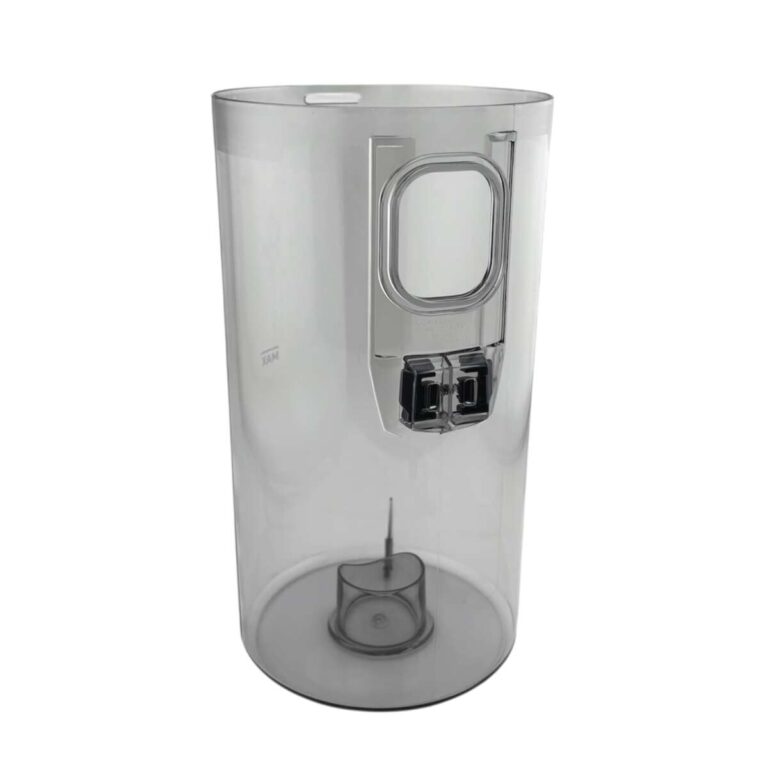
• A dust cup that is simple to empty
• A washable or replaceable filter
• Useful tools for stairs, upholstery, and corners
• Reliable battery life or a long power cord
• A design that stores easily
A vacuum should feel like a helpful broom with power behind it, not like a heavy machine you avoid using.
Why Choose a Lightweight Vacuum Cleaner?
A lightweight vacuum cleaner can make regular cleaning faster and less tiring. This matters if you live in a small apartment, have stairs, clean several rooms at once, or have limited strength in your hands, shoulders, or back.
A lighter model is also easier to grab for quick messes. You are more likely to clean spilled cereal, tracked-in dirt, or pet hair when the vacuum is ready to use. This simple convenience can lead to a cleaner home over time.
The main benefits include:
• Easier carrying between floors
• Better control around chairs and tables
• Less strain during long cleaning sessions
• Faster spot cleaning
• Easier stair cleaning
• Simpler storage in small closets
• Better access to high shelves with a hose or wand
However, a lightweight vacuum cleaner may have limits. Some models use smaller motors, narrow cleaning heads, or compact batteries. They can work very well for daily dirt but may not match a full-size canister vacuum for deep carpet cleaning.

What Features Matter Most?
The right features depend on how you clean. A person with hardwood floors needs different tools from someone with thick carpet and three shedding dogs.
Suction and Brush Design
Suction pulls dirt into the vacuum, but brush design also matters. A powered brush roll can lift hair and grit from carpet. On hard floors, a soft brush or suction-only setting may reduce the risk of scattering debris.
Do not judge cleaning power by motor wattage alone. A well-sealed vacuum can use its power more effectively than a poorly sealed model with a larger motor.
For mixed flooring, choose a vacuum with:
• A brush roll you can turn off
• Adjustable suction or floor settings
• A cleaning head that sits close to the floor
• A powered brush for rugs and carpet
Filtration
A good filter helps trap fine dust instead of sending it back into the room. Many modern vacuums use washable foam filters, pleated filters, or high-efficiency filters.
If you have allergies, asthma, or pets, look for sealed filtration. A filter label alone does not tell the whole story. Air can escape through gaps around the dust cup or body if the vacuum is not well sealed.
Washable filters can reduce long-term cost. Let them dry fully before replacing them. A damp filter can restrict airflow and may create an unpleasant smell.
Dust Cup Size
A small dust cup keeps the vacuum compact, but it needs more frequent emptying. This is not always a problem for quick cleaning. It can become annoying in a large home or a home with several pets.
Choose a larger cup if:
• You clean a large area at once
• You have pets that shed heavily
• You dislike stopping to empty the vacuum
• You often collect sand, litter, or fine dust
A dust cup that opens from the bottom can help you empty it without touching the dirt. Still, some dust may float into the air, so empty it outdoors if possible.
Battery Life
Cordless models offer excellent freedom, but battery time can vary. Manufacturers may list a maximum run time measured in a low-power mode. Using a motorized brush or high-power setting can reduce that time.
For most homes, aim for:
• 20 to 30 minutes for quick cleaning
• 30 to 45 minutes for a small home
• More than 45 minutes for a larger home or several rooms
A removable battery is useful. You can buy a spare, replace an old battery, or charge it away from the vacuum. Check whether the battery and charger are included before you buy.
Cord Length
A corded stick vacuum avoids battery limits. It can provide steady power for long cleaning sessions, though you must move the plug between rooms.
A long cord can make a major difference. A short cord may force you to stop often, which defeats the convenience of a lightweight design.
Noise
Lightweight vacuums are not always quiet. Small motors can make a sharp, high-pitched sound that feels louder than a larger machine.
If noise matters, check user reports and independent tests. A quiet setting may reduce suction, so make sure the vacuum still cleans well at a lower power level.
Which Type of Lightweight Vacuum Is Best?
There is no single best design for every home. The most suitable type depends on your floor plan and cleaning needs.
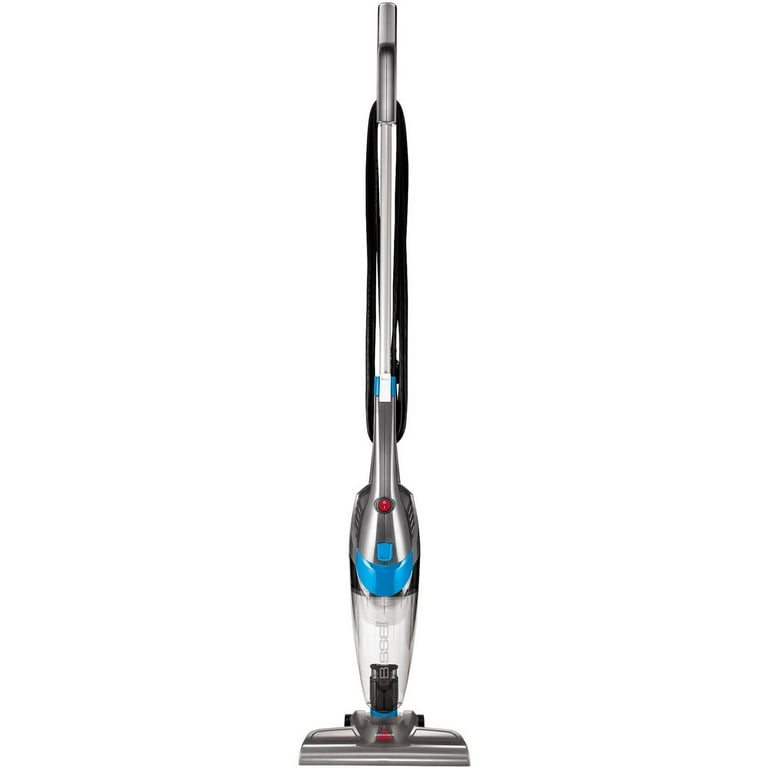
Lightweight Stick Vacuum
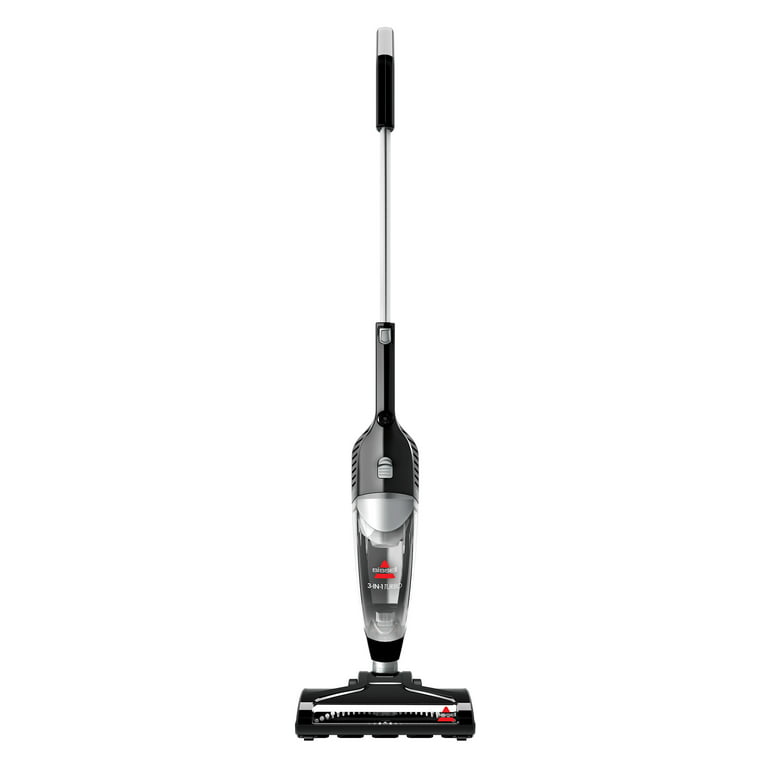
A stick vacuum has a slim body and usually weighs less than a traditional upright. It is a strong choice for apartments, hardwood floors, low-pile rugs, and quick daily cleaning.
Many stick models convert into handheld vacuums. This helps with sofas, stairs, car seats, and small spills.
The trade-off is that some stick vacuums have small dust cups and short battery life. They may also struggle with thick carpet unless they have a strong powered brush.
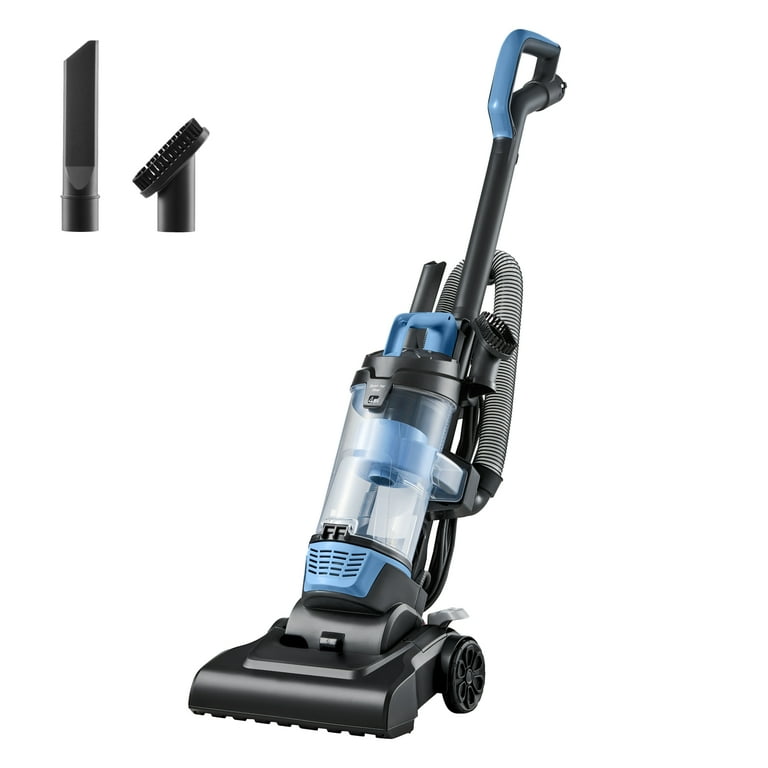
Lightweight Upright Vacuum
A compact upright often provides more carpet power than a very small stick vacuum. It may have a larger dust cup and a wider cleaning head.
This type can work well in homes with wall-to-wall carpet. It is usually heavier than a stick model but still much easier to handle than a large traditional upright.
Handheld Vacuum
A handheld vacuum is ideal for crumbs, car interiors, furniture, and small messes. It is not usually a full-home solution because its dust cup and battery are small.
A handheld model works best as a second vacuum. Some stick vacuums include a removable handheld unit, which gives you two tools in one.
Lightweight Canister Vacuum
A canister vacuum places the motor and dust container in a separate body that rolls behind you. The floor head is often light because you hold only the hose and wand.
This design can be excellent for stairs, bare floors, curtains, and furniture. The downside is storage. A canister vacuum may also feel less convenient for a quick spill.

How to Choose a Lightweight Vacuum for Your Floors
Your floor type should guide your purchase more than appearance or brand popularity.
Hardwood and Tile Floors
For hard floors, choose a vacuum with strong airflow and a soft cleaning head. A brush roll that can be switched off helps prevent scattering crumbs.
A crevice tool is useful for baseboards and gaps between floorboards. A wide nozzle can collect dust faster in open rooms.
Low-Pile Carpet
Most lightweight stick and upright vacuums can handle low-pile carpet. Look for a powered brush roll and enough suction to pull grit from the fibers.
A vacuum with adjustable height may improve performance. If the head seals too tightly to the carpet, it may become hard to push.
Thick Carpet
Thick carpet can expose the limits of a lightweight vacuum cleaner. The machine needs a strong motor, a powered brush, and a head that does not clog easily.
Before buying, check whether the manufacturer lists the vacuum for plush carpet. User reviews can also reveal whether the brush stops or the head becomes difficult to move.
Area Rugs
Rugs need careful handling. A powerful brush can pull loose fibers or make a thin rug bunch up.
Use a lower setting when available. You may also need to turn off the brush roll on delicate rugs.
Pet Hair
Pet hair requires more than suction. It can wrap around a brush roll and block airflow.
For homes with pets, prioritize:
• A tangle-resistant brush roll
• A motorized upholstery tool
• Easy brush access
• A sealed filter system
• A large enough dust cup
A rubber tool can work well on furniture because hair clings to rubber instead of hiding in fabric.

How Much Should a Lightweight Vacuum Weigh?
For many people, 6 to 8 pounds feels easy to carry. A model between 8 and 12 pounds may still be comfortable if the weight stays low and the handle is well balanced.
The listed weight may not include every attachment. A cordless vacuum can feel heavier in handheld mode because the motor and battery sit near your hand.
Try to think about “carrying weight” and “cleaning weight” separately. A vacuum may be light to carry but tiring to push if the head sticks to the floor.
A good test is to hold the vacuum in one hand for 30 seconds. Then steer it around a chair and lift it to a stair. If your wrist bends or your shoulder rises, the design may not suit you.

Corded or Cordless: Which Is Better?
A corded lightweight vacuum offers constant power. It is often a good choice for long cleaning sessions, thick rugs, and homes where you do not want to manage battery charging.
A cordless model is easier to use and store. It is especially convenient for quick messes and homes with many rooms or stairs.
Choose cordless if you value:
• Fast grab-and-go cleaning
• No cord to move
• Easy car and stair cleaning
• Flexible storage
Choose corded if you value:
• Unlimited cleaning time
• Consistent suction
• Lower long-term battery concerns
• Often lower purchase cost
Neither choice is automatically better. A cordless vacuum may be more convenient, while a corded model may deliver better value for heavy cleaning.
Common Mistakes to Avoid
Even a highly rated vacuum can disappoint if it does not match your home.
Choosing by Weight Alone
The lightest model is not always the best. A tiny vacuum may require several passes to collect dirt, turning a short job into a long one.
Balance weight with suction, battery life, dust capacity, and floor tools.
Ignoring Maintenance
Filters, brush rolls, and air paths need care. Hair around the brush can reduce pickup and increase motor strain.
Check the brush roll each week if you have pets. Wash filters as directed and replace them when they remain dirty or damaged.
Buying Without Checking Replacement Parts
A low-cost vacuum may become expensive if filters, batteries, or brush rolls are hard to find.
Before buying, check the price and availability of:
• Filters
• Batteries
• Belts, if used
• Brush rolls
• Chargers
• Specialized tools
Expecting One Small Vacuum to Do Everything
A compact stick vacuum may be excellent for daily dirt but less effective on deep carpet. A handheld vacuum may be perfect for crumbs but poor for a whole room.
Set realistic expectations. Sometimes a lightweight vacuum cleaner works best as a daily tool paired with a stronger vacuum for monthly deep cleaning.
Forgetting Storage
Measure your closet, pantry, or charging area. Some models do not stand on their own and need a wall mount or floor dock.
A vacuum that is hard to store may be used less often, no matter how well it cleans.
How I Compare Lightweight Vacuums in Real Homes
When I assess a lightweight vacuum cleaner, I focus on more than the first few minutes of use. I look at how easily it moves under furniture, whether the dust cup gets messy, and how the brush handles hair after repeated cleaning.
One lesson is clear: comfort often matters more than a small difference in suction. A vacuum that feels balanced can encourage frequent cleaning, while a powerful but awkward model may stay in the closet.
I also pay close attention to stairs. A long wand and a useful handheld mode can make a major difference. A model that is easy on the living room floor may still be awkward on narrow steps.
My practical test includes:
-
Cleaning crumbs from hard floors
-
Removing hair from a low-pile rug
-
Cleaning along baseboards
-
Reaching under furniture
-
Emptying the dust cup
-
Checking the filter and brush roll
-
Carrying the vacuum up and down stairs
One mistake worth avoiding is trusting a product description without checking the details. Run time, weight, and included tools can differ by model or package. Always read the full specifications and confirm the warranty before purchase.
How to Maintain a Lightweight Vacuum Cleaner
Good maintenance keeps suction steady and helps the vacuum last longer.
Follow this simple routine:
• Empty the dust cup before it reaches the maximum line
• Remove hair from the brush roll
• Clean washable filters on the recommended schedule
• Let filters dry completely
• Check the hose and air path for clogs
• Inspect wheels and floor heads for trapped debris
• Store the charger and tools in a dry place
Do not wash parts unless the manual says they are washable. Water inside the motor or battery area can cause serious damage.
If the vacuum loses suction, start with the simple checks. Empty the bin, clean the filter, inspect the brush, and look for a blockage. These steps solve many performance problems without a repair visit.
What Is a Reasonable Price?
A basic lightweight vacuum cleaner may cost less than $100. These models can work well for small spaces and light daily messes.
Midrange models often cost about $100 to $300. They may offer better filtration, stronger tools, longer battery life, and improved build quality.
Premium cordless models can cost more than $300. A higher price may bring stronger cleaning, better batteries, advanced filtration, and more convenient controls. It does not guarantee that the vacuum is right for your floors.
Consider the total cost, not only the purchase price. Replacement batteries, filters, tools, and warranties can affect long-term value.
A Simple Buying Checklist
Use this checklist before choosing a lightweight vacuum cleaner:
• Does it clean your main floor type?
• Is the weight comfortable for you?
• Can you steer it around furniture?
• Does it have a powered brush if you need one?
• Can you turn the brush off for hard floors?
• Is the battery time realistic for your home?
• Is the dust cup large enough?
• Are replacement filters easy to find?
• Does it include a crevice tool?
• Does it have a useful upholstery or pet tool?
• Is the noise level acceptable?
• Does it fit your storage space?
• Does the warranty provide enough protection?
If you answer these questions first, marketing claims become much easier to judge.
Frequently Asked Questions About What Is a Good Lightweight Vacuum Cleaner
What is the best weight for a lightweight vacuum cleaner?
For many users, 6 to 8 pounds offers a good balance of power and comfort. People with stairs or limited strength may prefer a model closer to 5 or 6 pounds.
Is a lightweight vacuum powerful enough for carpet?
Some are, especially models with a powered brush roll and strong airflow. Thick carpet may require a larger upright or canister vacuum with deeper cleaning power.
Are cordless lightweight vacuums worth it?
Cordless models are worth it when convenience and quick cleaning matter most. Check the real run time, charging time, battery replacement cost, and performance in high-power mode before buying.
What is a good lightweight vacuum cleaner for pet hair?
Choose a model with a tangle-resistant brush roll, a motorized upholstery tool, strong filtration, and easy brush access. A rubber tool can also help remove hair from sofas and pet beds.
Can a lightweight vacuum replace a full-size vacuum?
It can replace one in a small home with hard floors and light debris. Homes with thick carpet, many pets, or heavy dirt may still benefit from a full-size vacuum for deep cleaning.
How often should I clean a lightweight vacuum filter?
Follow the care instructions for your model, but many washable filters need cleaning every few weeks with regular use. Heavy pet hair, fine dust, and frequent cleaning may require more frequent care.
Do lightweight vacuums use less electricity?
They may use less power because they often have smaller motors, but energy use varies by model and cleaning mode. A cordless vacuum uses electricity during charging, while a corded model draws power during operation.
Conclusion
A good lightweight vacuum cleaner is not simply the model with the lowest number on the scale. It should offer comfortable handling, suitable suction, useful floor tools, reliable filtration, easy maintenance, and enough battery or cord length for your home.
Choose based on your floors, pets, stairs, storage space, and cleaning routine. Compare the full specifications, check replacement parts, and test the balance if possible. Use this guide to narrow your choices, then explore trusted reviews and owner feedback before making your purchase.

Liora Pennings is a seasoned chef and kitchen enthusiast with a passion for turning everyday cooking into an effortless experience. With years of hands-on culinary expertise, she specializes in practical techniques, ingredient know-how, and smart kitchen solutions that help home cooks elevate their meals. At KitchFlair.com, Liora shares her best tips, time-saving tricks, and honest product reviews to guide readers toward a more efficient, enjoyable, and inspired cooking routine. Whether you’re a beginner or a seasoned home chef, Liora’s friendly, knowledge-packed insights make every visit to the kitchen a little easier—and a lot more delicious.