How To Make Flavored Popcorn: Easy Flavor Ideas
Make flavored popcorn by popping fresh kernels, adding a light coating, and mixing in sweet or savory seasonings.
Learning how to make flavored popcorn is easier than most people think. With the right heat, a balanced coating, and a few simple ingredients, you can make movie-style, gourmet, or healthy popcorn at home. This guide shares tested methods, flavor ideas, common mistakes, and practical tips for crisp results every time.
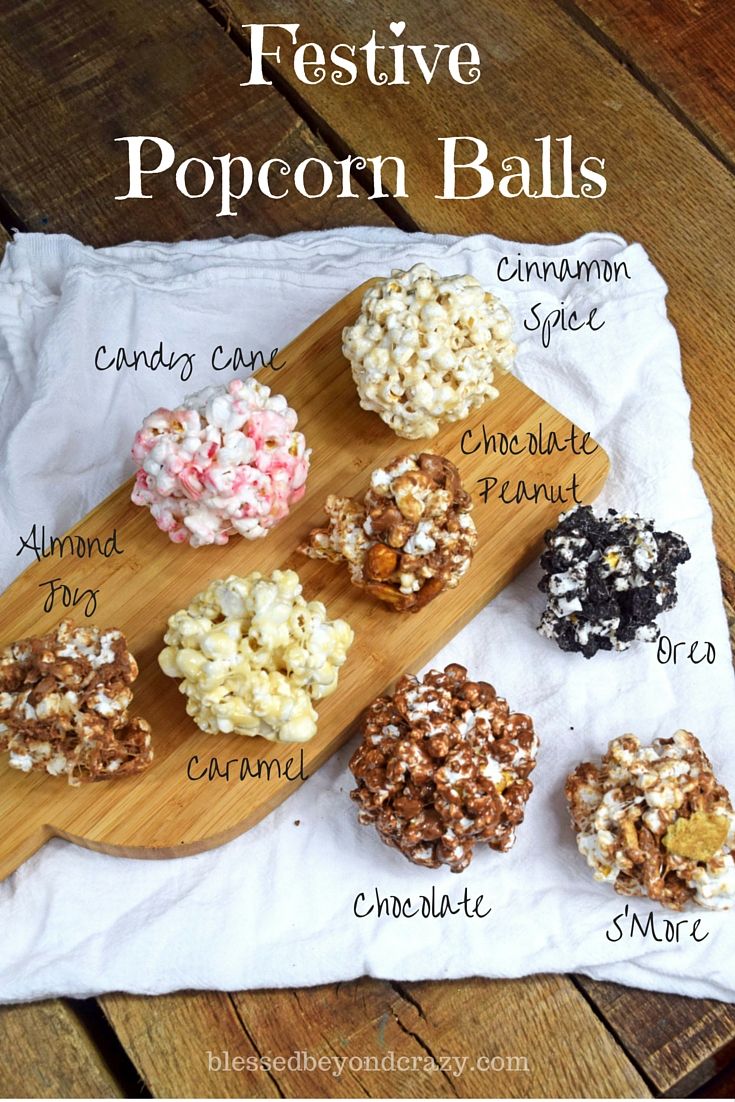
Why Make Flavored Popcorn at Home?
Homemade flavored popcorn gives you control over the taste, texture, and ingredients. You can make it sweet, spicy, cheesy, buttery, or even chocolatey without relying on store-bought packets.
It also costs less than ready-made gourmet popcorn. A bag of kernels can make several large bowls, and most flavorings may already be in your pantry.
When learning how to make flavored popcorn, think of each kernel as a blank canvas. Oil helps seasonings stick, while sugar, butter, cheese, herbs, and spices create the final taste.
Homemade popcorn also lets you adjust:
• Salt levels
• Sugar levels
• Butter or oil amounts
• Spice intensity
• Dairy-free and vegan ingredients
• Allergens such as nuts or milk
I often make one plain batch and divide it into smaller bowls. This lets everyone choose a flavor, which works well for movie nights, school snacks, and parties.
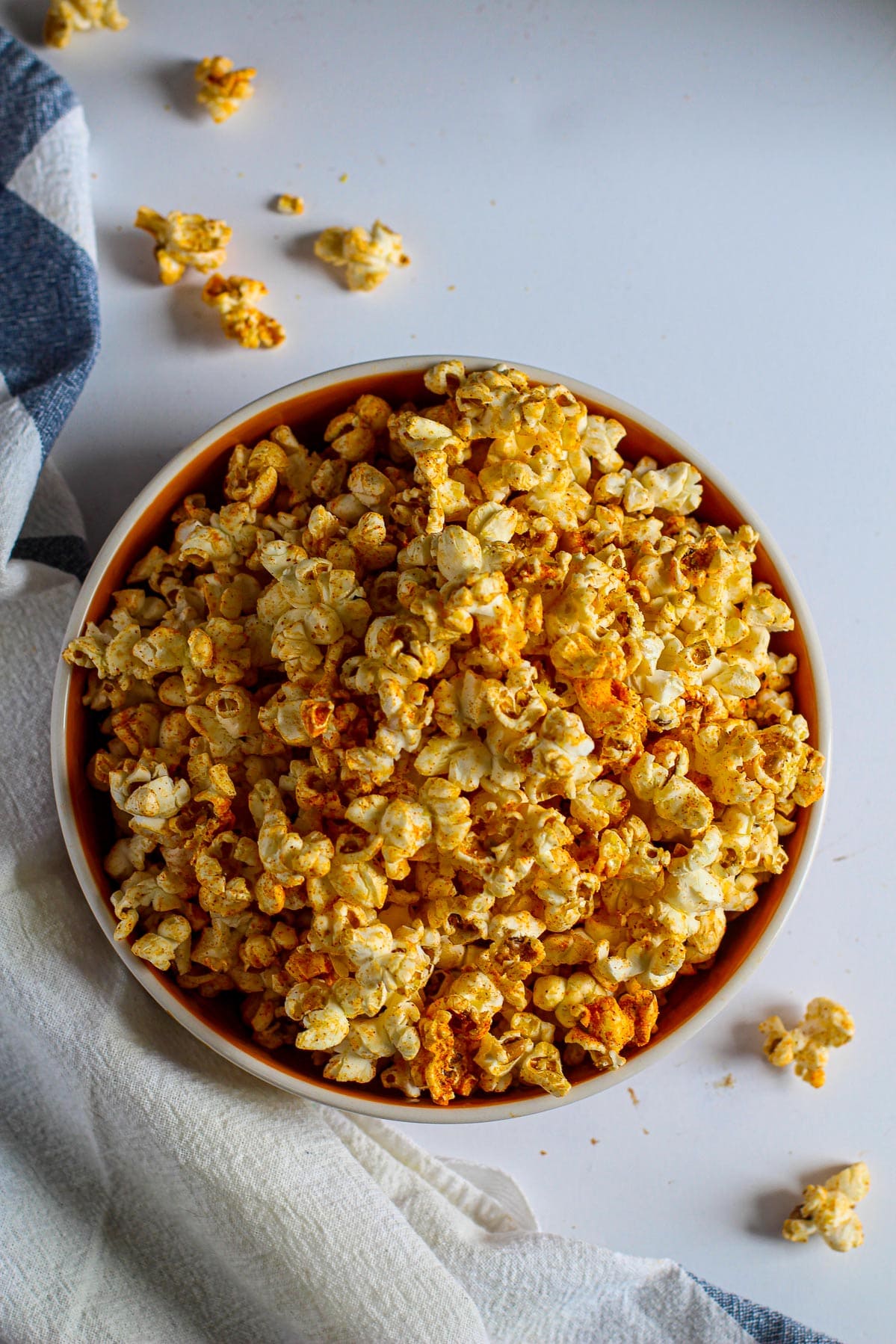
What You Need to Make Flavored Popcorn
The best popcorn starts with fresh ingredients and basic tools. You do not need a special popcorn machine or expensive equipment.
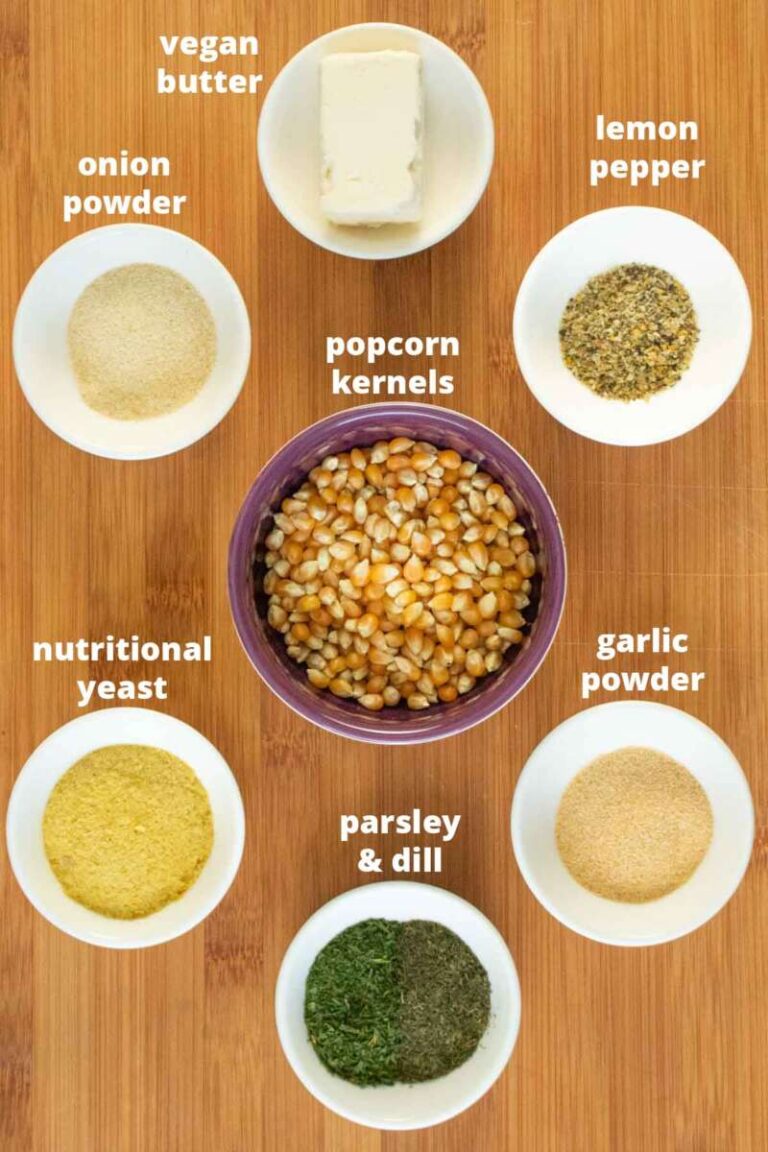
Basic ingredients
For about 8 cups of popped popcorn, gather:
• ½ cup popcorn kernels
• 2 to 3 tablespoons neutral oil
• ½ teaspoon fine salt, or more to taste
• 2 tablespoons melted butter, optional
• Your chosen sweet, savory, or spicy flavoring
Good oils include canola, avocado, sunflower, coconut, and light olive oil. Avoid extra-virgin olive oil over high heat because it can smoke and add a strong taste.
Useful equipment
You will need:
• A large pot with a lid
• A large mixing bowl
• A small saucepan or microwave-safe bowl
• A wide spoon or silicone spatula
• Measuring spoons
• A baking sheet for coated popcorn
A pot with a thick base spreads heat well. This reduces hot spots that can burn kernels before the rest pop.
Choosing the right popcorn kernels
Fresh kernels usually pop better than old, dry kernels. Store them in a sealed container at room temperature. Do not keep them in the refrigerator, where moisture changes may affect the texture.
For how to make flavored popcorn successfully, fresh popcorn matters because stale kernels can leave many unpopped pieces. They may also produce popcorn that feels tough instead of light and crisp.
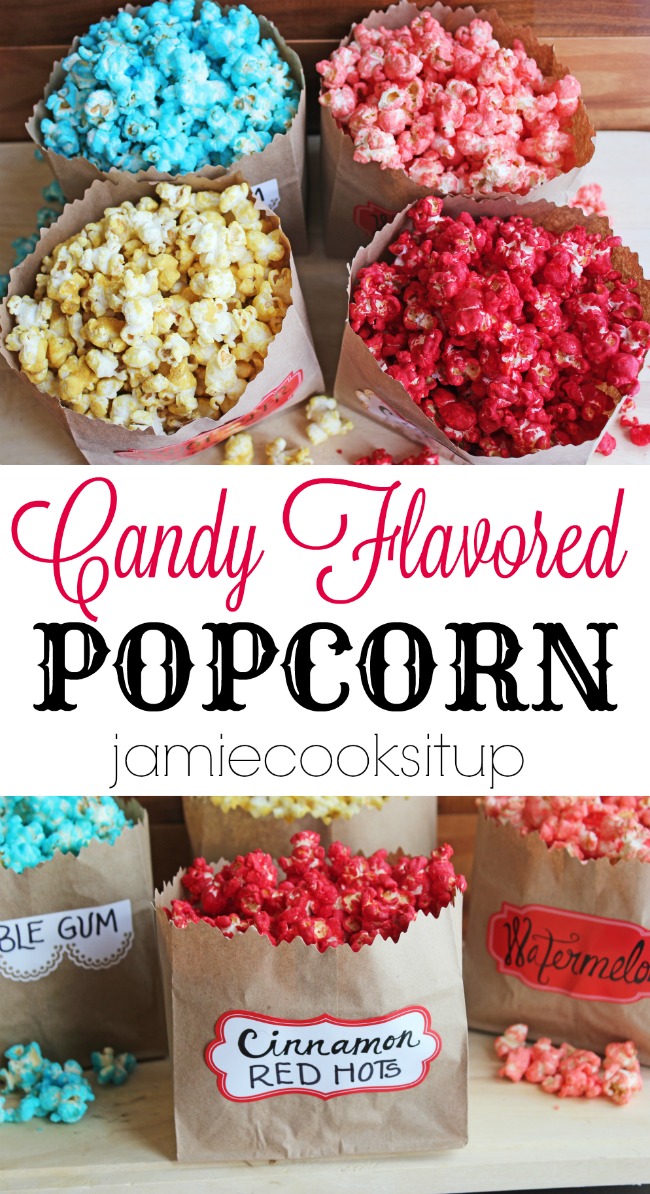
How to Make Flavored Popcorn: Basic Stovetop Method
The stovetop method gives you the most control. It also creates crisp popcorn that holds seasoning well.
Step 1: Heat the oil
Place a large pot over medium heat. Add the oil and two or three kernels. Cover the pot and wait until those test kernels pop.
This step tells you that the oil is hot enough. It also prevents you from adding all the kernels too early.
Step 2: Add the remaining kernels
Remove the pot from the heat for about 30 seconds. Add the rest of the kernels, spread them into one layer, and cover the pot.
Return it to medium heat. Shake the pot gently every few seconds to help the kernels heat evenly.
Step 3: Watch and listen
The kernels will begin to pop after a short time. Keep the lid slightly open, if your pot design allows it, so steam can escape.
Too much steam makes popcorn soft. A small gap helps keep the pieces crisp, but be careful because hot oil and steam can burn skin.
Step 4: Stop at the right moment
When the popping slows to about one pop every two seconds, remove the pot from the heat. Wait a few seconds before lifting the lid.
Do not wait until every kernel pops. The last kernels often burn before they pop. Pour the popcorn into a large bowl and remove any unpopped pieces.
Step 5: Add the flavor
Melt butter or prepare your sauce in a separate bowl. Drizzle it over the popcorn in a thin stream while tossing.
Add dry seasonings in small amounts. Toss after each addition so the flavor spreads instead of collecting at the bottom.
If you are testing how to make flavored popcorn for the first time, season in layers. It is easy to add more salt, but you cannot remove it once it is mixed in.
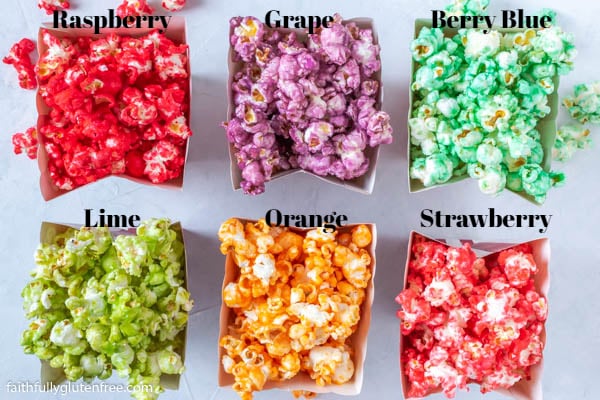
How to Make Flavored Popcorn in the Microwave
Microwave popcorn can be quick, but plain kernels work best when you want full control over the ingredients.
Place ¼ cup kernels in a large microwave-safe glass bowl. Cover it with a microwave-safe plate or vented lid. Do not use a sealed container because steam needs to escape.
Microwave on high for about 2 to 4 minutes. Stop when popping slows to one pop every two seconds. Microwave strength varies, so stay nearby and listen carefully.
Once popped, transfer the popcorn to a bowl. Add butter, oil, caramel, cinnamon sugar, cheese powder, or another seasoning.
Never use a brown paper bag unless it is labeled microwave-safe. Some bags contain glue, ink, or coatings that are not designed for heating.
Microwave popcorn is useful when time is short. However, stovetop popcorn often gives you better control over oil, salt, and flavor.

Sweet Flavored Popcorn Recipes
Sweet popcorn is popular because it combines crisp texture with rich, bright flavor. Add sweet coatings after popping unless the recipe specifically requires baking.
Cinnamon sugar popcorn
Mix together:
• 2 tablespoons melted butter
• 2 tablespoons sugar
• ½ teaspoon ground cinnamon
• A small pinch of salt
Drizzle the butter over 8 cups of popcorn. Add the cinnamon sugar and toss well.
For a drier finish, place the coated popcorn on a baking sheet and bake at 250°F for 15 to 20 minutes. Stir once during baking.
Chocolate popcorn
Melt ½ cup chocolate chips with 1 teaspoon coconut oil. Drizzle the mixture over cooled popcorn.
Let the popcorn sit on parchment paper until the chocolate firms. Add crushed pretzels, dried cherries, or a pinch of sea salt for more contrast.
Do not pour hot chocolate over warm popcorn. Heat can create excess steam and make the popcorn lose its crisp texture.
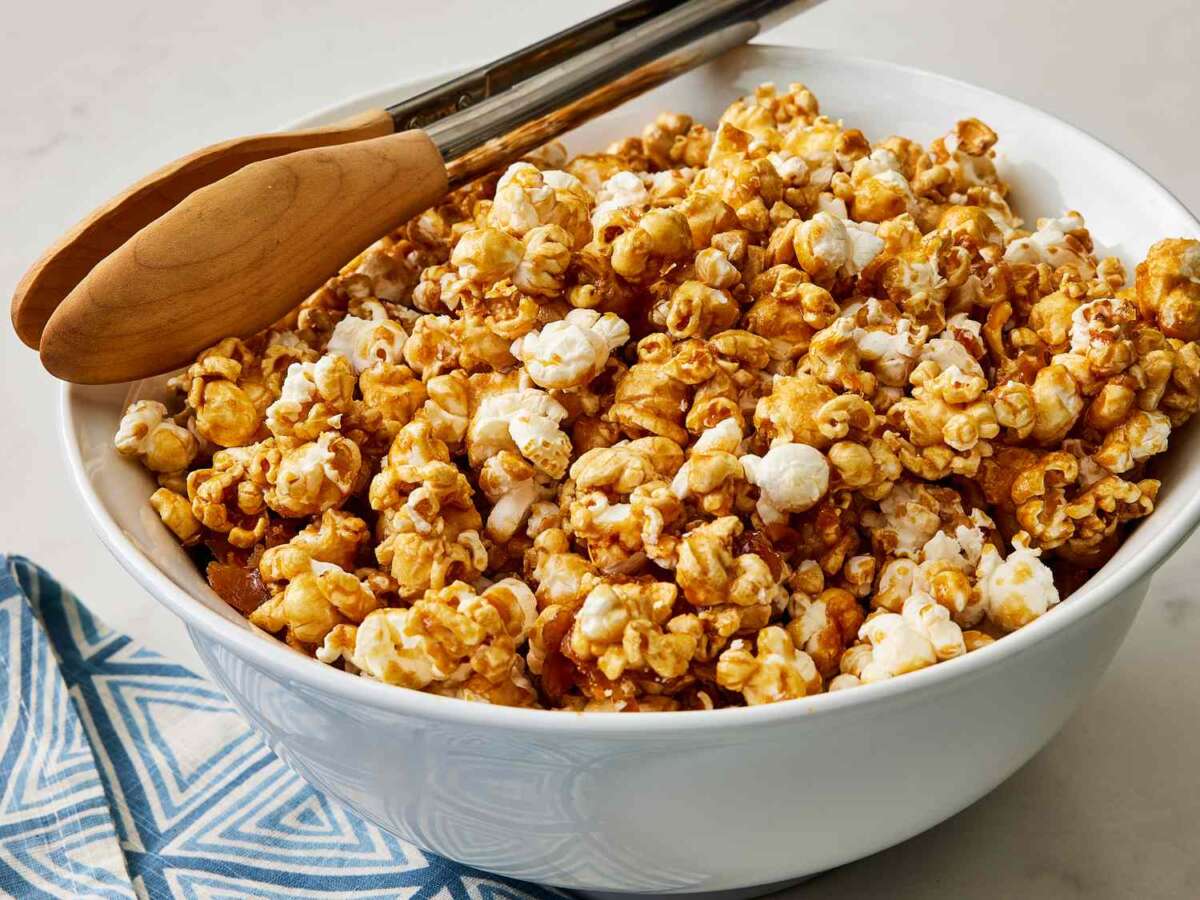
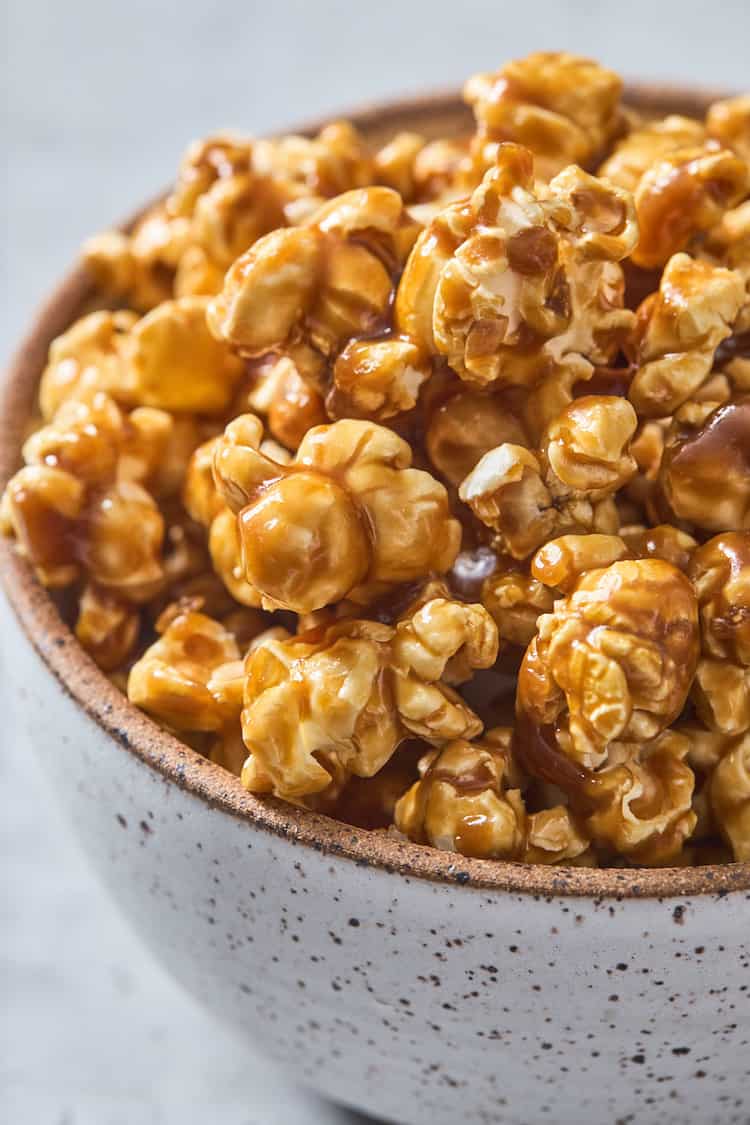
Caramel popcorn
For a simple caramel coating, melt:
• ½ cup unsalted butter
• 1 cup brown sugar
• ¼ cup light corn syrup
• ¼ teaspoon salt
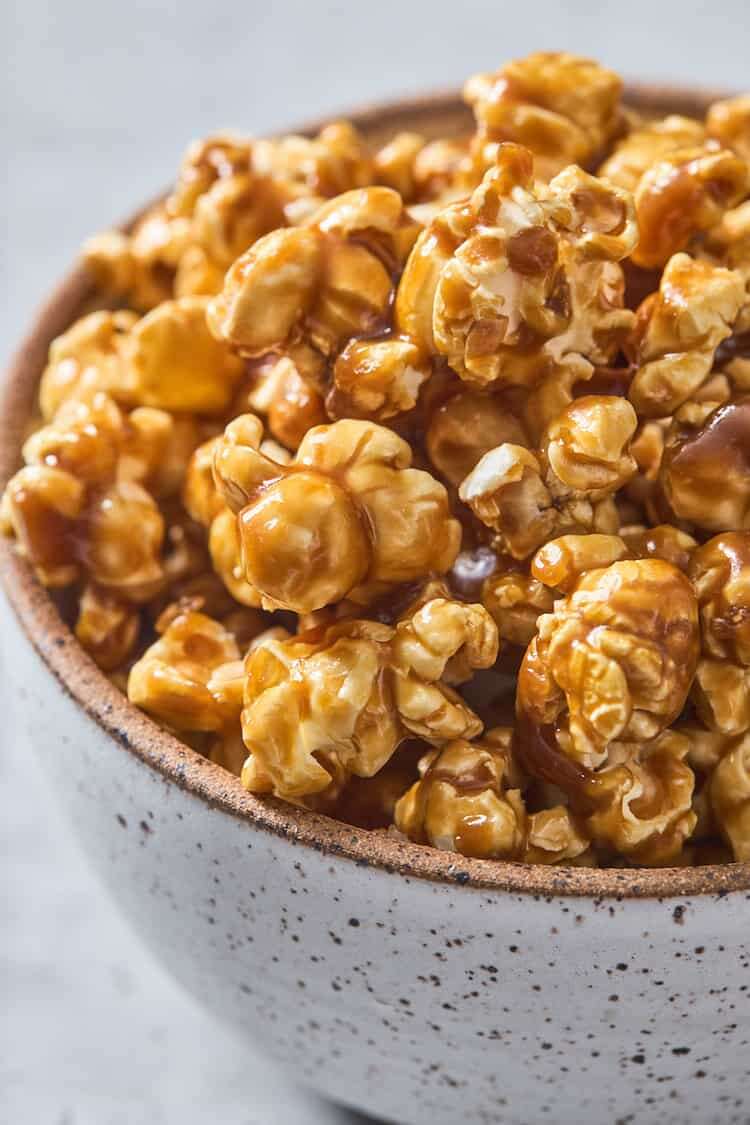
Bring the mixture to a gentle boil, then cook for about 3 to 4 minutes. Remove it from the heat and stir in ½ teaspoon baking soda.
Pour the caramel over 10 to 12 cups of popcorn. Mix quickly, then bake at 250°F for about 45 minutes, stirring every 15 minutes.
Caramel becomes very hot. Use oven mitts and keep children away from the cooking pot.
Maple pecan popcorn
Warm ¼ cup maple syrup with 1 tablespoon butter. Pour it over popcorn and add chopped pecans.
For a crisp coating, bake the mixture at 250°F for 20 to 30 minutes. Let it cool fully before serving.
Check for nut allergies before serving this flavor at gatherings.
Savory Flavored Popcorn Ideas
Savory popcorn works well as a snack, appetizer, or side for soup and sandwiches. Dry seasonings stick best when the popcorn has a small amount of oil or butter.
Garlic herb popcorn
Toss 8 cups of popcorn with:
• 2 tablespoons melted butter or olive oil
• ½ teaspoon garlic powder
• ½ teaspoon dried parsley
• ¼ teaspoon dried oregano
• Fine salt to taste
Use garlic powder instead of fresh garlic. Fresh garlic contains moisture and can make popcorn soft.
Cheddar popcorn
Add 2 tablespoons melted butter to 8 cups of popcorn. Sprinkle in ¼ to ⅓ cup cheddar cheese powder and toss.
Cheese powder gives a more even coating than shredded cheese. Shredded cheese can melt into clumps and create a damp texture.
For a stronger flavor, add a small pinch of mustard powder or smoked paprika.
Ranch popcorn
Mix:
• 1 tablespoon dry ranch seasoning
• ½ teaspoon dried dill
• 1 tablespoon powdered buttermilk, optional
• 1 tablespoon melted butter
Add the mixture gradually. Ranch seasoning can contain a lot of salt, so taste before adding more.
Chili lime popcorn
Toss popcorn with 1 tablespoon avocado oil, ½ teaspoon chili powder, and a pinch of salt. Add fresh lime zest after tossing.
Use lime zest rather than a large amount of lime juice. Juice adds water and can make the popcorn chewy.
Everything bagel popcorn
Mix popcorn with a little melted butter and sprinkle on everything bagel seasoning. Start with 1 teaspoon, then add more if needed.
This flavor pairs well with nutritional yeast, sesame seeds, or a small amount of garlic powder.
:max_bytes(150000):strip_icc()/24952-Caramel-Popcorn-ddmfs-4x3-156-25ce4108d73341a6a810b28e85384bad.jpg)
How to Make Flavored Popcorn Stick to Every Piece
Seasoning often falls to the bottom of the bowl. This happens when the popcorn is too dry or the seasoning particles are too large.
Use these methods to improve coverage:
• Toss popcorn while it is still slightly warm.
• Drizzle butter or oil slowly instead of pouring it in one spot.
• Use fine salt or powdered seasoning.
• Mix in a very large bowl.
• Toss from the bottom upward.
• Add seasoning in two or three stages.
• Use a light spray of oil for very dry seasonings.
For caramel, chocolate, and other wet coatings, spread the popcorn on parchment paper. This prevents large clumps and makes cleanup easier.
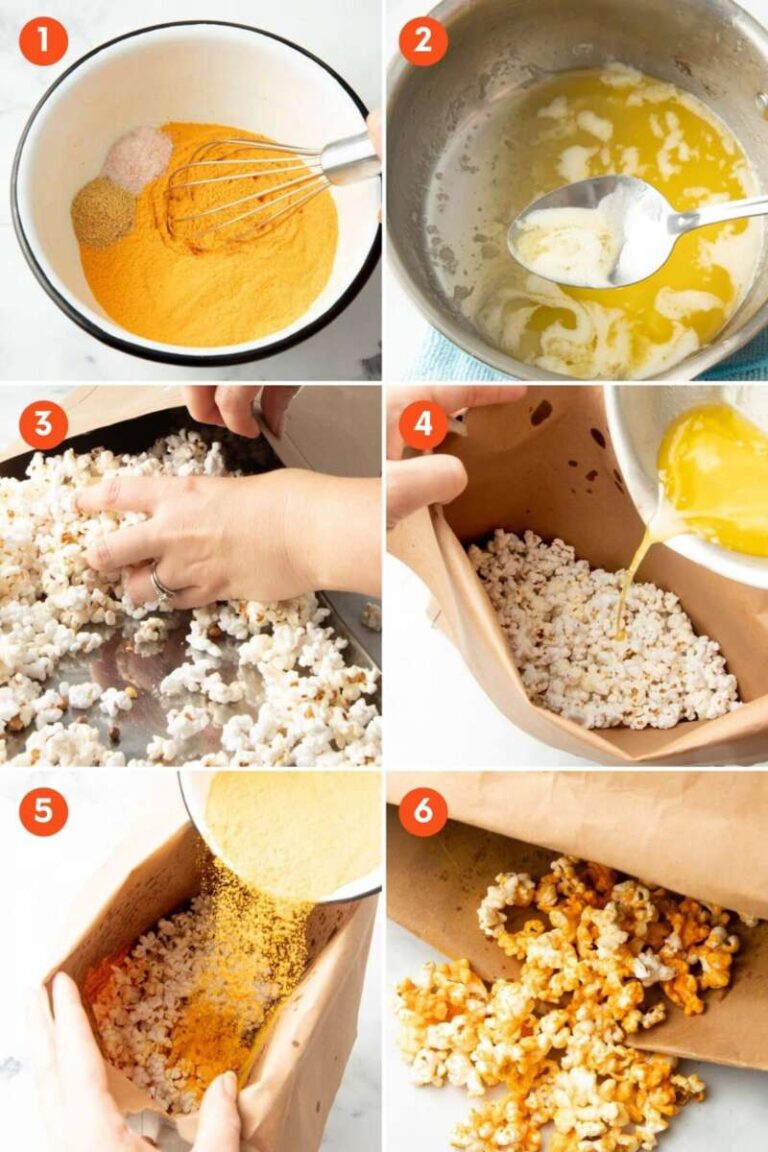
A useful trick from my own kitchen is to season in a paper grocery bag made for food use. Add the popcorn, oil, and dry seasoning, then fold the top and shake gently. Use this only with food-safe bags and avoid hot sauces or very hot coatings.
The key lesson in how to make flavored popcorn is balance. Too little coating will not hold flavor, while too much can make the popcorn heavy and soggy.

Common Mistakes to Avoid
Even simple popcorn has a few trouble spots. Most problems come from too much heat, too much liquid, or poor timing.
Burning the kernels
High heat can burn the oil and popcorn. Medium heat gives the kernels time to heat through.
If you smell burning before the popping slows, remove the pot from the burner. Pour the popcorn into a bowl at once.
Making popcorn soggy
Water-based ingredients, such as juice, thin sauces, and fresh herbs, add moisture. Use them sparingly or bake the popcorn afterward to dry the coating.
Let butter cool for a minute before using it. Very hot butter can create steam when it touches warm popcorn.
Adding too much salt
Salt is stronger when it is fine. Start with less than you think you need, toss, and taste.
For cheese, ranch, bacon, or seasoned salt flavors, remember that the main ingredient may already contain sodium.
Using too much oil
Oil helps flavor stick, but excess oil makes popcorn greasy. For 8 cups of popcorn, begin with 1 to 2 tablespoons of butter or oil.
You can always add more. A light coating usually creates a better texture.
Forgetting unpopped kernels
Unpopped kernels can hurt teeth. Pour popcorn slowly into a serving bowl, or remove hard pieces by hand before serving children.

Tips for Crisp, Safe, and Flavorful Popcorn
Freshly made popcorn tastes best within a few hours. If you need to store it, let it cool completely first.
Place cooled popcorn in an airtight container or resealable bag. Keep it at room temperature and away from heat and humidity.
Use these storage guidelines:
• Plain popcorn usually stays crisp for about 1 to 2 days.
• Dry-seasoned popcorn may last 1 to 2 days in a sealed container.
• Caramel popcorn can last longer when fully baked and sealed.
• Popcorn with fresh dairy, meat, or wet sauces should be eaten promptly.
Food safety guidance recommends keeping perishable ingredients out of the temperature danger zone. Do not leave popcorn with cream cheese, fresh meat, or other perishable toppings at room temperature for long periods.
When serving guests, label flavors that contain milk, nuts, gluten, soy, or other common allergens. This small step helps people make safe choices.
For the best results, make small batches. Large batches sit longer, lose heat, and are harder to coat evenly.
How to Make Flavored Popcorn for Parties
A popcorn bar is an easy way to serve a group. Make one large batch of plain popcorn, then place toppings in separate bowls.
Offer choices such as:
• Melted butter
• Caramel sauce
• Chocolate drizzle
• Cheddar powder
• Cinnamon sugar
• Chili powder
• Ranch seasoning
• Nutritional yeast
• Crushed cookies
• Mini chocolate chips
• Pretzels and nuts
Keep wet toppings separate until guests are ready to eat. This protects the texture and lets people build their own combinations.
For a movie night, serve three flavors with different profiles. A good set includes one sweet flavor, one savory flavor, and one spicy flavor.
I have found that simple labels help guests choose faster. Write the flavor name and common allergens on a small card beside each topping.
Frequently Asked Questions About How to Make Flavored Popcorn
What is the easiest way to make flavored popcorn?
Pop plain popcorn first, then toss it with melted butter or oil and a dry seasoning. This method is fast, flexible, and less likely to make the popcorn soggy.
How do you get seasoning to stick to popcorn?
Use a small amount of melted butter, oil, or cooking spray. Add fine seasoning while the popcorn is warm, and toss it in several stages.
Can you make flavored popcorn without butter?
Yes. Use avocado oil, coconut oil, olive oil, or a light cooking spray. Nutritional yeast, herbs, spices, cinnamon, and cocoa powder can add flavor without butter.
Why does my flavored popcorn turn soggy?
Soggy popcorn usually has too much liquid, butter, or steam. Use less coating, let steam escape during popping, and bake wet-coated popcorn at a low temperature to restore crispness.
How do you make caramel popcorn crisp?
Cook the caramel fully, coat the popcorn quickly, and bake it at 250°F until dry. Stir during baking and let it cool completely before storing.
Is homemade flavored popcorn healthy?
Homemade popcorn can be a filling whole-grain snack, especially when you control the oil, salt, and sugar. Its nutrition depends on the coating and portion size.
Can you use fresh herbs on popcorn?
Yes, but fresh herbs add moisture and can shorten shelf life. Use a small amount and eat the popcorn soon, or choose dried herbs for a crisper result.
Conclusion
Learning how to make flavored popcorn starts with one simple rule: pop the kernels evenly, use a light coating, and add seasonings in layers. Sweet options like caramel and cinnamon sugar are great for treats, while cheddar, garlic herb, ranch, and chili lime make excellent savory snacks.
Keep heat moderate, let steam escape, and avoid adding too much liquid. Once you understand how to make flavored popcorn, you can create endless combinations with ingredients already in your kitchen.
Start with one sweet and one savory recipe today. Then share your favorite flavor in the comments or explore more homemade snack ideas for your next movie night.
Liora Pennings is a seasoned chef and kitchen enthusiast with a passion for turning everyday cooking into an effortless experience. With years of hands-on culinary expertise, she specializes in practical techniques, ingredient know-how, and smart kitchen solutions that help home cooks elevate their meals. At KitchFlair.com, Liora shares her best tips, time-saving tricks, and honest product reviews to guide readers toward a more efficient, enjoyable, and inspired cooking routine. Whether you’re a beginner or a seasoned home chef, Liora’s friendly, knowledge-packed insights make every visit to the kitchen a little easier—and a lot more delicious.