What Is HEPA Filter In Vacuum Cleaner: Benefits Explained
A HEPA filter in a vacuum cleaner traps tiny particles, helping keep indoor air cleaner.
Understanding what is HEPA filter in vacuum cleaner can help you choose the right machine for allergies, pets, dust, or daily cleaning. After comparing vacuum designs, filter labels, airflow systems, and real-world maintenance needs, I have found that a HEPA filter is useful but not magic. Its value depends on the filter quality, the vacuum’s sealed design, and how well you maintain it.
What Is a HEPA Filter in a Vacuum Cleaner?
A HEPA filter is a high-efficiency air filter designed to capture very small particles. HEPA stands for High Efficiency Particulate Air. A true HEPA filter is commonly rated to remove at least 99.97% of particles that are 0.3 microns in size under test conditions.
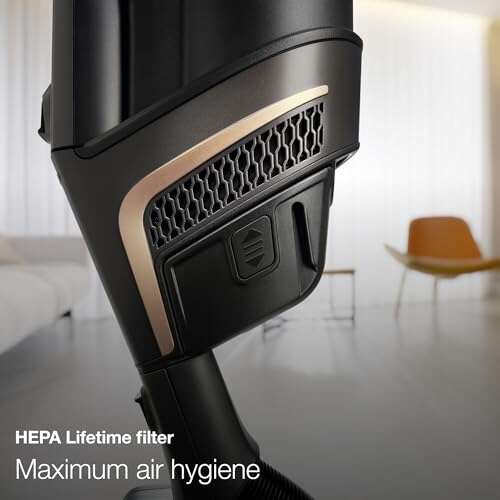
So, what is HEPA filter in vacuum cleaner technology? It is the part that cleans the air before the vacuum sends that air back into your room. It can trap fine dust, pollen, mold spores, and some particles linked to pet dander.
The term “0.3 microns” can sound confusing. This size is often called the most difficult particle size to capture. Larger and smaller particles may be trapped even more easily through several filtration effects.
A HEPA filter does not usually kill germs, remove odors, or destroy allergens. It captures particles and holds them in the filter material. This distinction matters when comparing HEPA filtration with carbon filters, UV lights, or scented exhaust systems.
How Does a HEPA Vacuum Filter Work?
A HEPA filter uses a dense mat of fibers. These fibers do not work like a simple net. Instead, particles become trapped through several physical processes as air moves through the filter.
The main capture methods include:
• Interception: A particle follows the airflow but touches a filter fiber and sticks to it.
• Impaction: A larger particle cannot turn quickly with the moving air, so it strikes a fiber.
• Diffusion: Very small particles move in a less predictable path and eventually contact a fiber.
This design explains why what is HEPA filter in vacuum cleaner discussions often focus on particle size, airflow, and filter density. A filter must catch fine particles without blocking too much air.
A vacuum needs strong airflow to collect dirt from floors. However, a filter that is too dense or clogged can reduce that airflow. Good vacuum design balances suction power, motor strength, filter surface area, and air sealing.
The filter is only one part of the system. A vacuum may also use:
• A pre-motor filter to protect the motor
• A dust bag or dust bin to hold debris
• A foam filter for larger particles
• A post-motor HEPA filter to clean exhaust air
• Gaskets and seals to prevent dirty air from escaping around the filter
What Does a HEPA Filter Remove?
A HEPA vacuum filter can capture many airborne particles that ordinary filters may release back into the room. It is especially helpful when cleaning fine dust and allergen-filled debris.
Common particles captured by HEPA filtration include:
• Household dust
• Pollen
• Pet dander
• Dust mite waste particles
• Mold spores
• Fine soil particles
• Some smoke particles
• Small fibers from carpets and furniture
It is important to understand that a HEPA filter does not remove every form of pollution. It will not reliably remove gases, chemical vapors, or strong smells. Those jobs usually require activated carbon or another specialized filter.
What is HEPA filter in vacuum cleaner performance like around pet hair? The filter can capture fine dander and dust linked to pets, but it does not pick up hair by itself. The vacuum still needs a strong brush roll, good suction, and a suitable floor head.
HEPA filtration can also help reduce the amount of dust that becomes airborne while vacuuming. It cannot guarantee a completely allergen-free room. Allergens can remain in bedding, curtains, carpets, upholstery, and the air outside the vacuum.

Benefits of Using a HEPA Filter in a Vacuum Cleaner
The biggest benefit of a HEPA vacuum is cleaner exhaust air. This matters because a vacuum can collect dirt from the floor and then release fine dust through its exhaust.
A standard vacuum filter may stop larger debris but allow some tiny particles to pass through. A sealed HEPA vacuum is built to reduce that problem.
Key benefits include:
Better control of fine dust
Fine dust can stay suspended in the air for a long time. HEPA filtration helps capture more of these particles instead of spreading them around the room.
Help for allergy-sensitive homes
People with allergies may benefit from less airborne dust, pollen, and pet dander. A HEPA vacuum is not a medical treatment, but it can support a cleaner indoor environment.
Useful for pet owners
Pets bring in soil, pollen, and tiny skin flakes. A HEPA filter can trap some of the fine material that a brush roll loosens from rugs and furniture.
Cleaner vacuum exhaust
A well-sealed vacuum with a genuine HEPA filter sends cleaner air back into the room. This is one of the clearest answers to what is HEPA filter in vacuum cleaner used for.
Better cleaning of high-dust areas
HEPA filtration is helpful in bedrooms, carpeted rooms, home offices, and areas near entry doors. These places often collect fine dust and outdoor particles.
Research on indoor air quality supports the value of reducing airborne particles, but results depend on the whole cleaning routine. Vacuuming alone cannot solve poor ventilation, dampness, or serious mold problems.
HEPA Filter vs. Standard Vacuum Filter
A standard filter may be made from paper, foam, fabric, or another material. Its quality can vary widely. Some standard filters stop large dust particles but are not tested for very fine particle removal.
A HEPA filter has a specific efficiency standard. However, marketing terms can create confusion. “HEPA-type,” “HEPA-like,” and “high-efficiency” do not always mean the filter meets the same performance level as a true HEPA filter.
Here is a simple comparison:
• Standard filter: Often captures larger dirt and dust, but fine-particle performance varies.
• HEPA-type filter: May offer better filtration, but the exact rating may not be clear.
• True HEPA filter: Meets a defined particle-capture performance claim under testing.
• Sealed HEPA system: Uses a HEPA filter plus sealed joints and housing to reduce air leaks.
The best choice is usually a vacuum with a true HEPA filter and a sealed air path. A powerful vacuum with a poorly sealed filter chamber may still release dust into the room.
When researching what is HEPA filter in vacuum cleaner labeling, look for clear wording. Check the product manual, certification details, and replacement filter information. Do not rely on a large “HEPA” sticker alone.
Is a HEPA Filter the Same as a Sealed Vacuum?
No. A HEPA filter and a sealed vacuum are related, but they are not the same thing.
The filter captures particles that pass through it. The sealed body prevents dirty air from escaping through cracks, loose covers, poor gaskets, or weak connections before it reaches the filter.
Think of the system as a water pipe with a fine screen. The screen may be excellent, but leaks around the screen can still let dirty water escape. A vacuum needs both strong filtration and good sealing.
A sealed HEPA vacuum usually has:
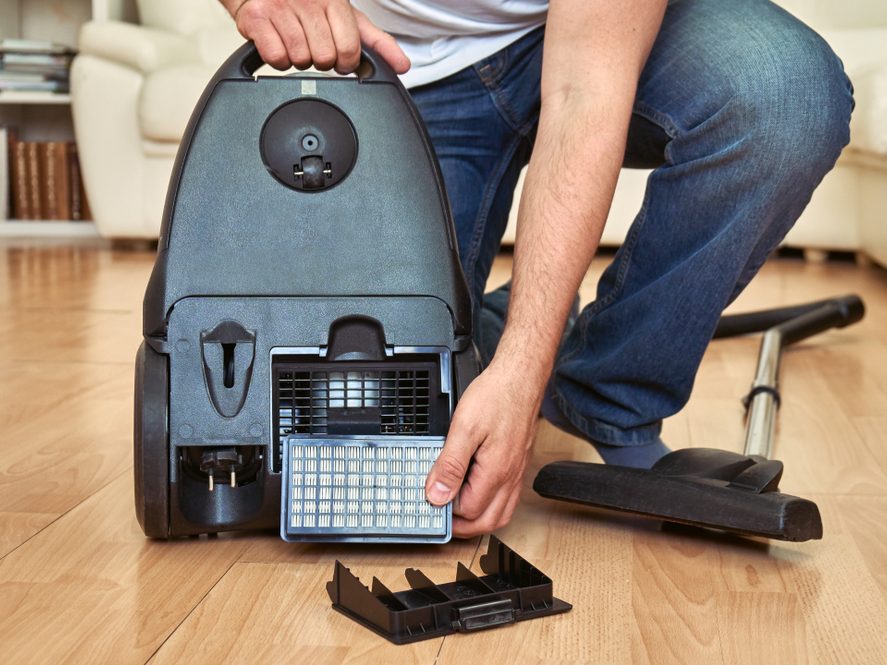
• A tight filter compartment
• Secure dust bin or bag connections
• Sealed motor housing
• Well-fitted hoses
• Strong seals around doors and covers
This is a key lesson when comparing what is HEPA filter in vacuum cleaner claims. Filter efficiency alone does not tell you how clean the exhaust will be in everyday use.
For allergy-sensitive homes, look for terms such as “sealed system,” “whole-machine filtration,” or “fully sealed filtration.” Also read independent reviews that discuss dust leakage and filter access.

Types of HEPA Filters Used in Vacuums
Different vacuum cleaners use different filter designs. The basic purpose remains the same, but the shape, location, and care requirements can change.
Bagged HEPA vacuums
Bagged vacuums store dirt in a disposable bag. The bag often acts as the first layer of filtration, while the HEPA filter cleans the exhaust air.
These models can be a good choice for allergy sufferers because the dust stays contained during normal use. Replacing a full bag can also create less dust than emptying a bin.
Bagless HEPA vacuums
Bagless models collect debris in a dust cup. They can be convenient and may reduce the cost of buying bags.
The downside is dust exposure when emptying the container. Emptying it outdoors and wearing a mask can help reduce contact with fine particles.
Washable HEPA-style filters
Some filters are washable, while others are not. Never wash a filter unless the manual clearly says it is washable.
A wet filter can grow mold or damage the motor if installed before it is fully dry. Even washable filters may lose performance over time.
Cartridge and pleated filters
Many HEPA filters use pleats to create more surface area. More surface area allows the vacuum to filter air while maintaining airflow for longer.
When looking at what is HEPA filter in vacuum cleaner construction, the filter shape is less important than its tested efficiency, fit, durability, and compatibility with the machine.

How to Maintain a HEPA Vacuum Filter
Proper care helps the filter work well and protects the vacuum motor. A neglected filter can become blocked, which may reduce suction and increase motor strain.
Follow these maintenance steps:
-
Check the manual for the correct filter schedule.
-
Empty the dust bin before it becomes packed.
-
Replace disposable bags when they are full or nearly full.
-
Clean washable filters only as directed.
-
Allow washed filters to dry completely.
-
Inspect seals for cracks, gaps, or loose fitting.
-
Replace damaged, warped, or permanently clogged filters.
-
Use the correct replacement filter for your model.
One practical mistake people often make is tapping a HEPA filter against a wall. This may release a cloud of fine dust and can damage the filter fibers. If the manual does not allow washing or shaking, replacement is safer.
Another common mistake is using a vacuum without its filter. The machine may sound powerful for a short time, but unfiltered dust can reach the motor and return to the room.
A clogged filter does not always mean the filter is bad. It may show that the vacuum is collecting a lot of dirt. Still, once airflow drops, cleaning or replacement is needed.