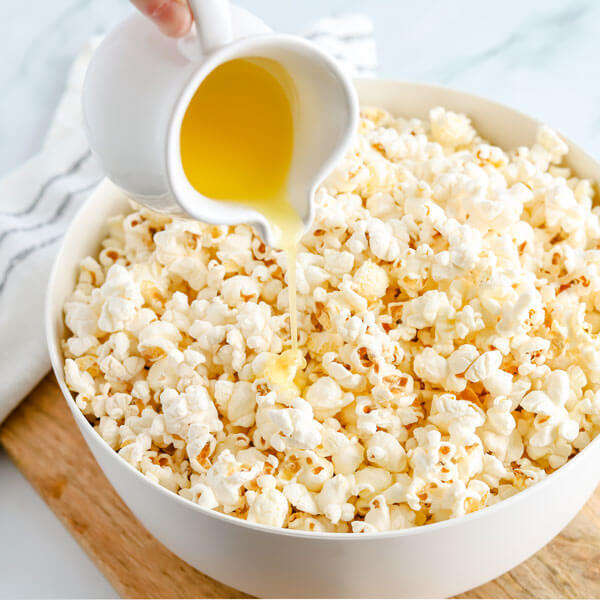
How To Make Butter Popcorn: Easy Movie-Style Recipe
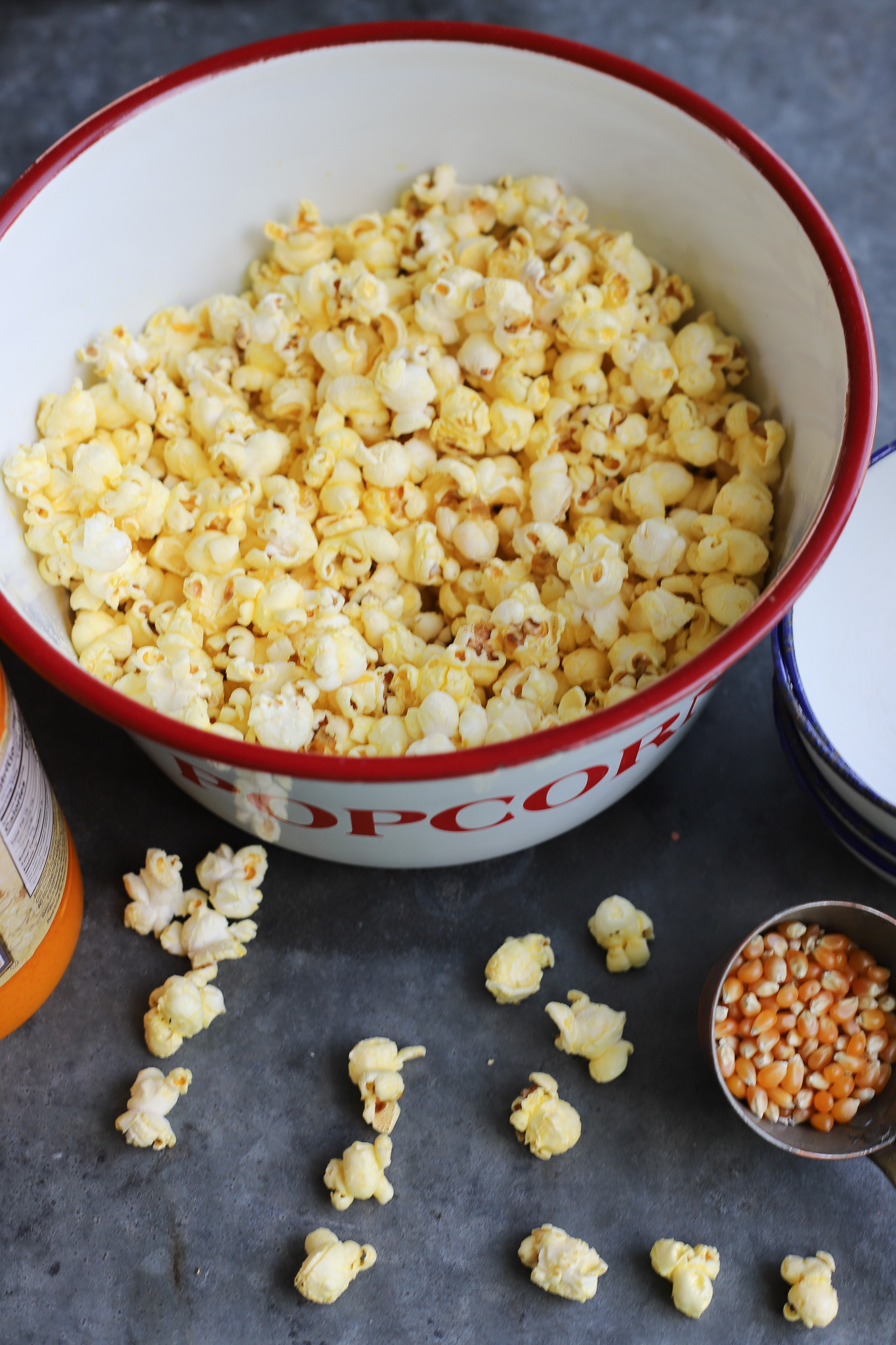
Make butter popcorn by popping kernels in oil, then tossing them with melted butter and fine salt.
Learning how to make butter popcorn at home is simple, but small details matter. The right oil, steady heat, fresh kernels, and carefully melted butter can turn basic pantry items into crisp, rich popcorn that tastes better than most movie theater snacks. This guide shares a tested stovetop method, easy microwave options, common mistakes, and useful tips for evenly coated popcorn.
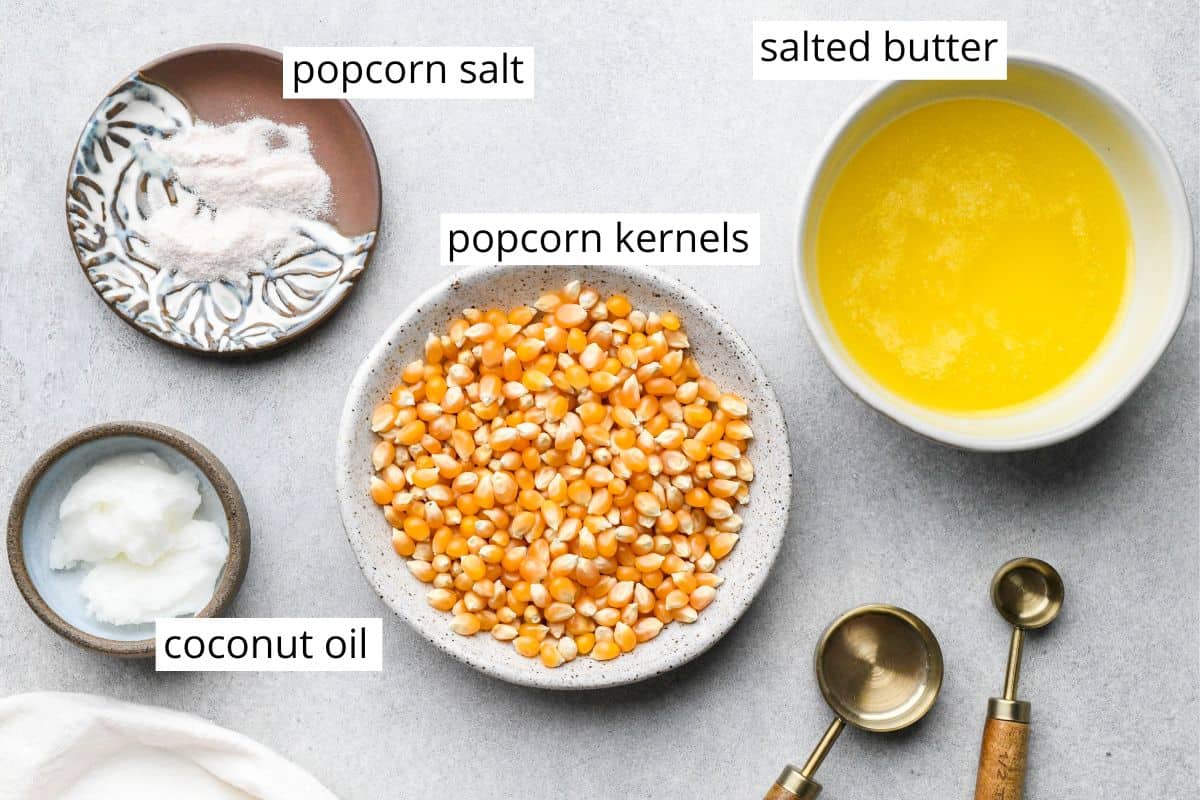
What You Need to Make Butter Popcorn
A good butter popcorn recipe needs only a few ingredients. Each one has a clear job, so choosing the right type can improve the final taste and texture.
Ingredients
• ½ cup popcorn kernels
• 2 tablespoons neutral cooking oil, such as canola, vegetable, avocado, or coconut oil
• 3 tablespoons unsalted butter
• ¼ to ½ teaspoon fine salt, adjusted to taste
This amount makes about 10 to 12 cups of popped popcorn. It serves two to four people, depending on portion size.
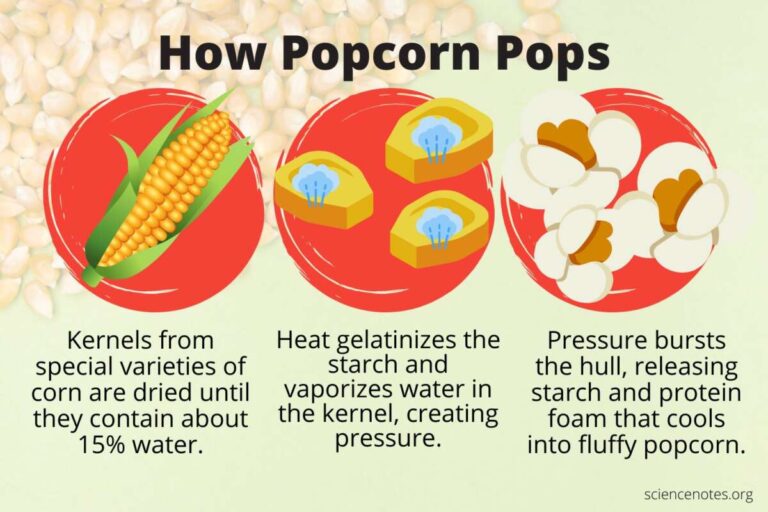
Use fresh popcorn kernels when possible. Older kernels may lose moisture and fail to pop well. Popcorn kernels need a small amount of moisture inside to create steam. That steam builds pressure until the hull opens.
Unsalted butter gives you better control over the salt. If you only have salted butter, use less added salt and taste the popcorn before adding more.
How to Make Butter Popcorn on the Stovetop
The stovetop method gives you the best control over heat and seasoning. It also creates crisp popcorn without the soft texture that can occur when too much butter is used during popping.
Step 1: Melt the butter
Place the butter in a small saucepan over low heat. Let it melt slowly, then remove it from the heat.
For a cleaner butter flavor, skim away the white foam that rises to the top. You can also pour the melted butter through a fine strainer. This removes some milk solids and helps reduce sogginess.
Do not brown the butter unless you want a nutty flavor. Browned butter can taste excellent, but it needs close attention because the milk solids can burn quickly.
Step 2: Heat the oil
Place a large, heavy-bottomed pot over medium heat. Add the oil and two or three popcorn kernels.
Cover the pot and wait until those test kernels pop. This tells you that the oil is hot enough for the rest of the kernels.
Step 3: Add the kernels
Remove the pot from the heat for about 30 seconds. Add the remaining kernels, cover the pot, and gently shake it to coat them with oil.
Return the pot to medium heat. Keep the lid slightly open if it has a vent. This allows steam to escape while keeping the kernels inside.
Step 4: Shake the pot
Once the kernels begin to pop, gently move the pot back and forth over the burner. Use a towel or oven mitt to hold the handle and lid safely.
Shaking helps prevent burned kernels at the bottom. It also spreads heat across the kernels, much like turning each seed toward the sun.
Step 5: Remove the pot at the right time
When the popping slows to about two seconds between pops, remove the pot from the heat. Wait a few seconds before lifting the lid.
Do not wait until every kernel pops. Some unpopped kernels are normal, and waiting too long can burn the finished popcorn.
Step 6: Add the butter and salt
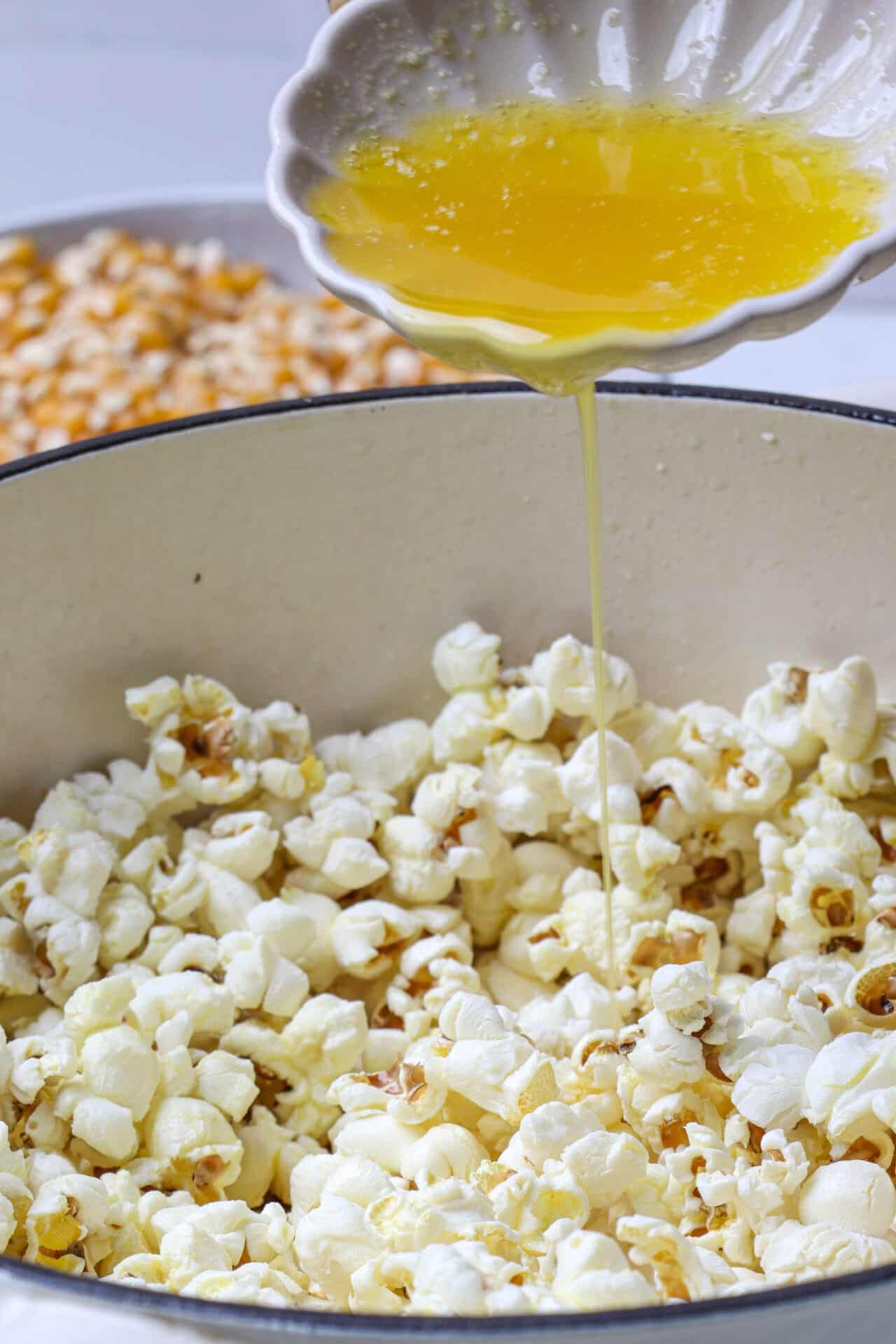
Transfer the popcorn to a large bowl. Drizzle the melted butter over the popcorn in a thin stream while tossing gently.
Sprinkle on the salt in small amounts. Toss again, taste, and adjust. This method gives you an even coating without soaking one area of the bowl.
This stovetop process is the most reliable answer to how to make butter popcorn with a fresh, crisp texture.

How to Make Butter Popcorn in the Microwave
Microwave popcorn is fast and convenient. You can make it without a commercial popcorn bag, which also lets you control the oil, butter, and salt.
Paper bag method
Add ¼ cup of popcorn kernels to a plain brown paper lunch bag. Fold the top down twice to close it.
Place the bag upright in the microwave. Cook on high for about two to three minutes, but listen closely. Stop the microwave when the popping slows to about two seconds between pops.
Pour the popcorn into a bowl and add melted butter and salt. Never add butter to the paper bag before microwaving, because it can make the bag greasy and may create a mess or safety concern.
Microwave bowl method
Place the kernels in a large, microwave-safe glass or ceramic bowl. Cover the bowl with a microwave-safe vented lid or a microwave-safe plate that allows steam to escape.
Microwave on high until the popping slows. Timing varies by microwave, so sound is more useful than a fixed cooking time.
This method is a practical choice when you want to learn how to make butter popcorn without using a stovetop. Still, stovetop popcorn usually gives you more control over browning and batch size.
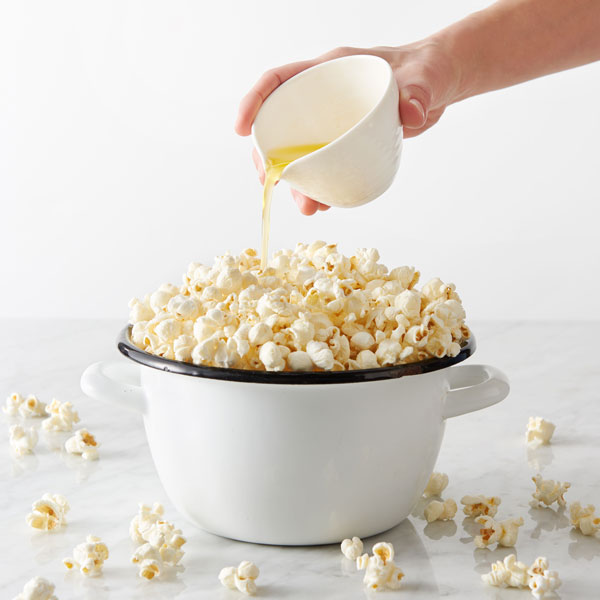
How to Keep Butter Popcorn Crisp
Butter contains water and milk solids. If you add too much, or if it is very hot, the popcorn can become soft.
Use these tips for a crisp bowl:
• Melt the butter separately before adding it.
• Drizzle butter slowly instead of pouring it in one spot.
• Toss the popcorn after each small drizzle.
• Let steam escape while the popcorn cooks.
• Serve the popcorn soon after seasoning.
• Use clarified butter or ghee for a richer taste with less water.
Clarified butter has most of its water and milk solids removed. It spreads well and can help the popcorn stay crisp. It also has a higher smoke point than regular butter, but you should still add it after popping for the best flavor.
If your popcorn becomes soft, spread it on a baking sheet. Warm it in a 250°F oven for about 10 minutes, then let it cool before serving. Watch it closely because extra heat can darken the butter.

The Best Oil for Butter Popcorn
Oil protects the kernels from direct heat and helps them pop evenly. It also affects flavor.
Good options include:
• Canola oil for a mild, neutral taste
• Vegetable oil for a budget-friendly choice
• Avocado oil for a high-heat option
• Refined coconut oil for a light movie theater style flavor
• Peanut oil for a slightly nutty taste
Avoid using butter as the only popping fat. Regular butter contains water and milk solids. The water can cause uneven popping, while the milk solids may burn before the kernels finish.
For most home cooks, a neutral oil is the easiest choice. You can add butter after popping to get a clear butter flavor without burning it.
/2024.jan/2024_retail_truffle-popcorn_600x600.jpg?ext=.jpg)
How Much Butter Should You Use?
For ½ cup of kernels, start with 3 tablespoons of melted butter. This gives the popcorn a rich flavor without making it heavy.
You can use less for a lighter snack or more for a richer batch. Add butter in stages, because it is easier to add more than to fix greasy popcorn.
• 1 tablespoon for a light coating
• 2 tablespoons for a mild butter flavor
• 3 tablespoons for classic butter popcorn
• 4 tablespoons for a rich, indulgent batch
Fine salt works better than coarse salt because it clings to the butter. If you only have coarse salt, pulse it briefly in a spice grinder or crush it with the back of a spoon.

Common Mistakes to Avoid
Even a simple recipe can go wrong. These mistakes are easy to prevent once you know what causes them.
Using heat that is too high
High heat may pop the first kernels quickly, but it can burn the rest. Medium heat gives the kernels time to heat evenly.
Filling the pot too much
The kernels need room to expand. Use a large pot, and keep the kernels in a single layer when possible.
Adding butter too early
Regular butter can burn during the popping stage. Melt it separately and add it after the popcorn is done.
Keeping the lid tightly sealed
A sealed lid traps steam. That moisture can make the popcorn less crisp. A vented lid or a slightly open lid works better.
Salting only the top
Salt added at the end may sit on the surface. Toss the popcorn as you add the butter and salt so the seasoning reaches more pieces.
Leaving the pot unattended
Popcorn can change from golden to burned in less than a minute. Stay near the stove and use the popping sound as your guide.
When I test a new batch, I focus on the last few pops. That is where many people lose the batch. Removing the pot just before the popping fully stops usually gives a better balance of color, flavor, and texture.
Easy Butter Popcorn Flavor Ideas
Once you know how to make butter popcorn, you can change the flavor without changing the basic method.
Try these simple additions:
• Garlic butter: Add a small pinch of garlic powder to the melted butter.
• Parmesan popcorn: Toss with finely grated Parmesan and black pepper.
• Spicy popcorn: Add cayenne, smoked paprika, or chili powder.
• Herb popcorn: Mix dried parsley, dill, or rosemary with the salt.
• Sweet and salty popcorn: Add a small amount of sugar after buttering.
• Ranch popcorn: Use a light sprinkle of ranch seasoning.
Add dry seasonings after the butter goes on. The butter gives them something to cling to. Start with a small amount, especially when using strong seasonings such as cayenne or garlic powder.
For children, keep the seasoning mild and check for hard pieces. Popcorn is not recommended for very young children because it can be a choking hazard.

Butter Popcorn Nutrition and Portion Tips
Plain air-popped popcorn is a whole-grain food and provides fiber. However, butter and salt increase the calorie and sodium content.
The exact nutrition depends on the amount of oil, butter, and salt used. Homemade popcorn gives you more control than many packaged varieties, since you choose every ingredient.
For a lighter bowl:
• Use 1 tablespoon of butter instead of 3.
• Choose an oil spray for a thin coating.
• Add herbs, paprika, or nutritional yeast for flavor.
• Use fine salt sparingly.