
How To Make Butter For Popcorn Without Being Soggy: Dry Tips
Use clarified butter, a light drizzle, and warm popcorn so kernels stay crisp, not soggy.
Learning how to make butter for popcorn without being soggy comes down to controlling moisture, heat, and portion size. As a home cook who has tested melted butter, ghee, and butter blends, I have found that clarified butter gives the best crisp coating without hiding the popcorn’s natural crunch.
This guide explains how to make butter for popcorn without being soggy, how much to use, which mistakes to avoid, and how to spread flavor evenly from the first kernel to the last.

Why butter makes popcorn soggy
Regular butter contains more than just fat. It also has water and milk solids. When you melt it, the water can soak into the popcorn and soften its crisp shell.
Fresh popcorn is full of tiny air spaces. Think of each piece as a small sponge with a crunchy coat. If you pour too much water-based butter over it, those spaces absorb moisture.
The main causes of soggy popcorn are:
- Pouring cold or warm butter into one spot
- Using too much butter at once
- Adding butter before the popcorn has finished steaming
- Covering the bowl while the popcorn is still hot
- Using regular butter without removing its water
- Stirring too little after adding the topping
The best method is to remove most of the water from the butter. This creates a rich fat that coats the popcorn instead of soaking into it.
If you are learning how to make butter for popcorn without being soggy, remember this simple rule: less water means more crunch.

The best butter to use for crisp popcorn
Clarified butter is the top choice for crisp popcorn. It is regular butter that has been gently melted so the water evaporates and the milk solids separate.
Ghee is another excellent option. It is clarified butter cooked longer, so it has a deeper, nutty taste. Both choices are mostly butterfat, which spreads well and adds less moisture than standard melted butter.
You can use these options:
- Clarified butter for a clean, classic butter flavor
- Ghee for a toasted, nutty flavor
- Butter oil for a very smooth, movie-style coating
- Regular butter with the water carefully separated
- A mix of clarified butter and a small amount of regular butter for stronger dairy flavor
Movie theater popcorn topping is often not the same as melted table butter. It may be a flavored oil made with butter flavoring, salt, and coloring. It stays fluid and coats popcorn well, but it may not taste as fresh or rich as real clarified butter.
For most home kitchens, ghee or homemade clarified butter gives the best balance of flavor, texture, and simplicity.

How to make butter for popcorn without being soggy
This method takes only a few minutes and works well for about 8 cups of popped popcorn.
Ingredients
- 4 tablespoons unsalted butter
- 8 cups freshly popped popcorn
- Fine popcorn salt, to taste
- Optional seasonings, such as smoked paprika, garlic powder, or nutritional yeast
Use unsalted butter when possible. It lets you control the salt and helps prevent the popcorn from becoming overly salty.
Step-by-step method
- Place the butter in a small, light-colored saucepan. A light pan makes it easier to see the milk solids.
- Melt the butter over low heat. Do not rush this step with high heat.
- Let the butter gently bubble for about 3 to 5 minutes. The water will steam away.
- Watch for white foam on the surface and pale solids settling at the bottom.
- Turn off the heat when the bubbling slows.
- Pour the clear golden butterfat into a small cup. Leave the cloudy solids behind.
- Put the warm popcorn in a large bowl with plenty of room for tossing.
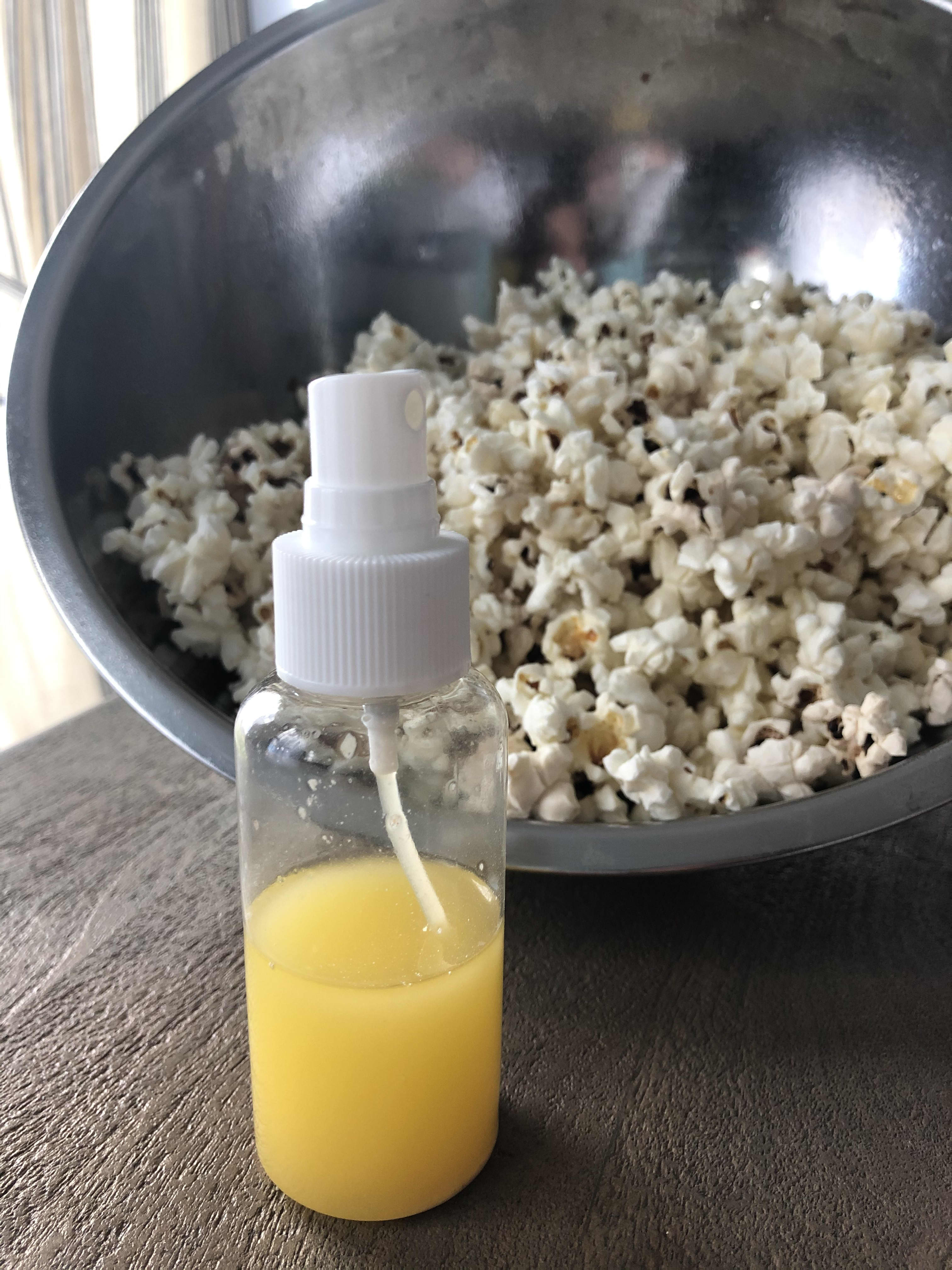
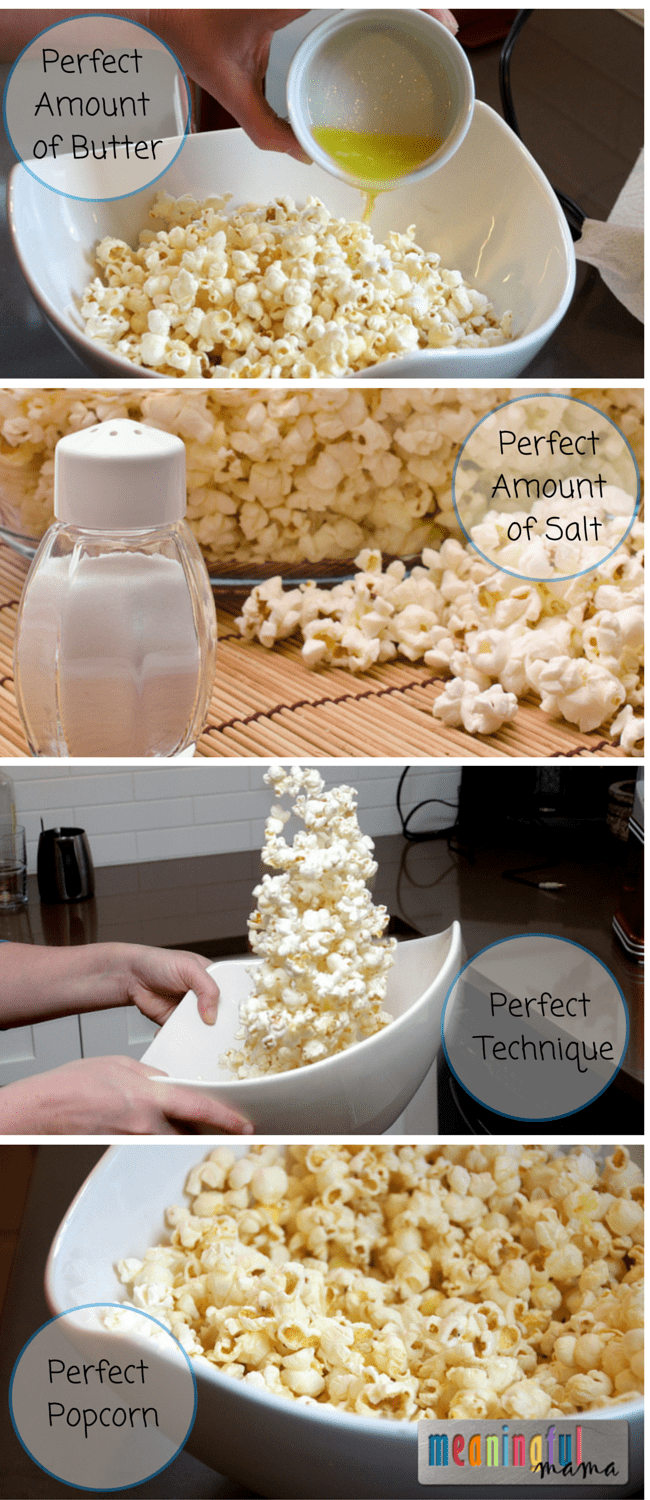
- Drizzle about half the butter over the popcorn in a thin stream.
- Add a small amount of salt.
- Toss the popcorn for 10 to 15 seconds.
- Add the remaining butter in another thin drizzle.
- Toss again until the coating is even.
This two-stage drizzle is one of the most useful lessons in how to make butter for popcorn without being soggy. It prevents heavy spots and gives the butter more surface area to cover.
Do not pour all the butter into the middle of the bowl. That creates a wet center while the popcorn near the sides stays plain.
The science behind dry, buttery popcorn
Popcorn becomes crisp when its heat drives off moisture during popping. After popping, steam still escapes from the fresh kernels. If you trap that steam, the popcorn can soften before you even add butter.
That is why ventilation matters. Keep the bowl uncovered, and let the popcorn sit for 30 to 60 seconds before dressing it. A wide bowl works better than a deep, narrow container because steam can escape more easily.
Clarified butter helps because it contains far less water than standard melted butter. The fat clings to the rough surface of the popcorn, while the missing water cannot seep into the shell.
Here is the basic texture formula:
- Fresh popcorn provides heat and crunch
- Clarified butter provides flavor and smooth coating
- Fine salt sticks to the buttered surface
- A wide bowl allows steam to escape
- Gentle tossing spreads the coating evenly
The fat itself does not make popcorn soggy. Excess water, trapped steam, and too much liquid in one area cause most texture problems.

How much butter should you use?
The right amount depends on your taste and the amount of popcorn. Too little butter can leave the seasoning loose. Too much can make even clarified butter feel heavy.
A useful starting point is:
- 1 tablespoon of clarified butter for 4 cups of popcorn
- 2 tablespoons for 8 cups of popcorn
- 3 tablespoons for 12 cups of popcorn
Start with less. You can always add more, but you cannot easily remove excess butter.
When I tested this method, the best texture came from adding about 2 tablespoons of clarified butter to 8 cups of popcorn in two pours. The popcorn tasted rich but still snapped when bitten.
If you prefer a very buttery snack, use more butter in small additions. Toss after each addition instead of increasing the amount all at once.
This measured approach makes how to make butter for popcorn without being soggy much easier for beginners.

A fast method using the microwave
You can make a quick version in the microwave, although it may not remove as much water as the stovetop method.
Place the butter in a microwave-safe glass cup. Heat it in 15-second bursts until melted. Let it stand for 1 to 2 minutes, then spoon the clear fat from the top and leave the watery liquid at the bottom.
Use the clear portion for your popcorn. This method is convenient, but the stovetop method gives you better control and a slightly drier result.
For the microwave method:
- Use a tall glass cup to reduce splatter
- Cover the cup loosely with a paper towel
- Heat in short bursts
- Let the butter rest before separating it
- Drizzle the clear fat slowly over warm popcorn
Do not microwave butter in a sealed container. Steam pressure can build and cause a mess or injury.
Common mistakes that cause soggy popcorn
Even good butter can produce soft popcorn if the technique is off. These mistakes are common, but they are easy to fix.
Using butter straight from the pan
Very hot butter can soften the popcorn quickly and may burn its delicate surface. Let clarified butter cool for about 30 seconds before drizzling.
It should remain liquid but not be fiercely hot.
Pouring in one heavy stream
A thick stream creates wet patches. Use a spoon, squeeze bottle, or small measuring cup to distribute the butter across the bowl.
Move your hand as you pour. Think of drawing thin lines over the popcorn.
Skipping the toss
Seasoning and butter need movement to spread. Toss from the bottom of the bowl using a large spoon or by gently lifting the bowl and turning the popcorn.
Avoid crushing the kernels with force.
Covering hot popcorn
A lid or tightly sealed container traps steam. This can ruin crisp popcorn within minutes.
Leave the bowl open until the popcorn has cooled slightly.
Using coarse salt
Large salt crystals fall to the bottom and do not cling well. Fine popcorn salt works better because it fits the ridges on each kernel.
You can make finer salt by pulsing standard salt in a clean spice grinder for a few seconds.
Adding wet toppings
Hot sauce, liquid ranch dressing, and other watery toppings can make popcorn soft. Add them sparingly, or choose dry seasoning blends instead.

How to add flavor without losing crunch
Once you know how to make butter for popcorn without being soggy, you can build many flavor combinations.
Add dry seasonings after the first butter drizzle and before the second. The first layer helps the seasoning stick, while the second layer adds a fresh butter taste.
Try these combinations:
- Parmesan, black pepper, and garlic powder
- Smoked paprika, onion powder, and fine salt
- Cinnamon, sugar, and a small pinch of salt
- Nutritional yeast, garlic powder, and chili powder
- Lemon zest, black pepper, and dried herbs
- Cajun seasoning with clarified butter
Use dry lemon zest instead of lemon juice. Juice contains water and can soften the popcorn.
For sweet popcorn, keep the butter amount modest. A light coat of ghee with cinnamon sugar gives flavor without making the kernels greasy.
Always check seasoning labels. Some spice blends contain a large amount of salt, so you may need less added salt than expected.

How to keep popcorn crisp after buttering
The best popcorn is eaten soon after it is seasoned. Still, you can protect its texture for a short time.
Spread the buttered popcorn on a baking sheet for 5 minutes. This lets excess heat and steam escape. Then move it to a loosely covered bowl.
For storage, follow these tips:
- Cool the popcorn fully before covering it
- Use an airtight container only after steam is gone
- Keep it at room temperature
- Avoid the refrigerator, which adds moisture
- Eat it within one day for the best crunch
Do not store warm popcorn in a sealed plastic bag. Condensation will collect inside and soften the kernels.
If the popcorn has already gone soft, spread it on a baking sheet and warm it at 250°F for 5 to 10 minutes. Let it cool before serving. This may restore some crispness, though it will not make old popcorn taste completely fresh.
How to make butter for popcorn without being soggy for a crowd
A large batch needs a different approach because popcorn at the bottom of a deep bowl receives most of the butter.
Use two or three wide bowls instead of one very deep bowl. Divide the popcorn, butter, and seasoning between them. This gives each kernel a better chance to receive a light coating.
For a party-sized batch:
- Pop the corn in advance.
- Keep it uncovered while it cools slightly.
- Divide it into wide bowls.
- Prepare clarified butter in a separate pan.
- Drizzle a small amount over each bowl.
- Add seasoning and toss.
- Repeat until the butter is used.
If you are serving popcorn at a movie night, season it in small batches. This keeps the last bowl from becoming oily while the first bowl remains dry.
A practical trick is to use a clean squeeze bottle. It lets you apply a fine stream and makes portion control much easier.
Can you make popcorn butter ahead of time?
Yes. Clarified butter can be made ahead and stored in a clean, covered container. Let it cool, then refrigerate it if you will not use it soon.
Before serving, warm it gently until liquid. Do not boil it again, because high heat can darken the milk solids and create a bitter taste.
Homemade clarified butter may last for several weeks in the refrigerator when handled with clean utensils, but quality and storage conditions vary. For the safest approach, follow the storage guidance on your butter package and discard it if it smells sour, rancid, or unusual.
Ghee usually keeps longer because most water and milk solids have been removed. However, it still needs clean handling and proper storage.
Frequently Asked Questions About How to Make Butter for Popcorn Without Being Soggy
Can I use regular melted butter on popcorn?
Yes, but regular butter contains water, so it can soften popcorn more easily. For a crisper result, separate the clear butterfat or use clarified butter or ghee.
Why does my buttered popcorn turn soggy so fast?
The usual causes are excess water, trapped steam, and too much butter in one place. Let the popcorn vent, use clarified butter, and drizzle it in two thin layers.
Is ghee better than butter for popcorn?
Ghee is often better for crisp popcorn because it contains very little water. It also has a rich, toasted flavor that works well with salt and dry seasonings.
How much butter should I use for 8 cups of popcorn?
Start with about 2 tablespoons of clarified butter for 8 cups of popcorn. Add more only if needed, and toss after each small addition.
Should popcorn be hot when I add butter?
Popcorn should be warm, but it should not be steaming heavily. Let it sit uncovered for 30 to 60 seconds before adding butter so excess steam can escape.
What kind of salt sticks best to buttered popcorn?
Very fine popcorn salt sticks best because its small crystals cling to the buttered surface. You can also grind regular salt into a finer powder before using it.
Can I fix popcorn that is already soggy?
You can spread it on a baking sheet and warm it at 250°F for 5 to 10 minutes. Let it cool uncovered afterward, but understand that the original crunch may not fully return.
Conclusion
The secret to how to make butter for popcorn without being soggy is simple: remove excess water, use a light hand, and let steam escape. Clarified butter or ghee gives popcorn a rich coating without adding as much moisture as regular melted butter.
Use warm popcorn, a wide bowl, fine salt, and two thin drizzles. These small steps create a crisp, evenly seasoned snack that tastes far better than a wet pile of kernels.
Try the method with your next batch, then adjust the butter and seasoning to suit your taste. Share your favorite popcorn flavor combination or explore more practical kitchen tips for better homemade snacks.

Liora Pennings is a seasoned chef and kitchen enthusiast with a passion for turning everyday cooking into an effortless experience. With years of hands-on culinary expertise, she specializes in practical techniques, ingredient know-how, and smart kitchen solutions that help home cooks elevate their meals. At KitchFlair.com, Liora shares her best tips, time-saving tricks, and honest product reviews to guide readers toward a more efficient, enjoyable, and inspired cooking routine. Whether you’re a beginner or a seasoned home chef, Liora’s friendly, knowledge-packed insights make every visit to the kitchen a little easier—and a lot more delicious.