How To Fix Inconsistent Coffee Taste Between Brews: Tips
Use consistent beans, grind, dose, water, temperature, and clean gear to fix taste swings.
I’ve spent years pulling shots, testing brew ratios, and fixing kitchen disasters so you don’t have to. This guide on how to fix inconsistent coffee taste between brews explains the real causes, step-by-step fixes, and simple routines that work at home or in a small cafe. Read on for practical checks, easy tests, and habits you can adopt today to make each cup taste as you expect.
Why coffee tastes different from one brew to the next
Taste swings happen when small variables change. A tiny change in grind or dose can move a cup from bright to flat. Temperature, water quality, and stale beans also shift flavor. In short, inconsistent coffee taste between brews results from variable inputs, unstable routines, or dirty equipment.
Common root causes:
- Beans that vary in roast date, origin, or batch.
- Grinder inconsistencies or uneven particle size.
- Dosing errors and tamping changes for espresso.
- Water temperature and mineral content shifts.
- Residual oils and old grounds in equipment.
- Brewing technique differences between sessions.
Understanding these causes helps you target fixes that reduce variability and deliver the coffee you expect. This is how to fix inconsistent coffee taste between brews in a practical way.
A quick checklist to stabilize flavor
Follow this checklist each time you brew to reduce swings. It’s a compact routine you can use every day.
- Use the same beans and note roast date.
- Weigh dose with a scale every brew.
- Set grind to the same setting and check for clumps.
- Use filtered water at consistent temperature.
- Clean equipment regularly and remove old grounds.
- Record extraction time and taste notes.
Do these steps daily to cut down the main causes of inconsistent coffee taste between brews. Small habits add up fast and make a big difference in cup-to-cup consistency.

Step-by-step: how to fix inconsistent coffee taste between brews (espresso and filter)
This section gives a simple routine for both espresso and filter coffee. Use it as a template.
For espresso:
- Check beans and roast date. Use fresh beans within 2–4 weeks of roast.
- Calibrate your grinder. Dial for a target shot time (e.g., 25–30 seconds).
- Weigh dose and yield. Track grams in and out.
- Keep water temp stable and warm your portafilter.
- Clean group head and baskets before and after shots.
For filter coffee:
- Weigh beans and water. Use a consistent brew ratio (for example 1:16).
- Use the same grind setting and distribution method.
- Pour with a consistent pace and timing.
- Note total brew time; adjust grind if extraction time drifts.
- Rinse paper filters to remove papery taste and preheat vessel.
Following these steps addresses the most common reasons people ask how to fix inconsistent coffee taste between brews. When one variable is steady, the cup becomes predictable.
Water, temperature, and why they matter
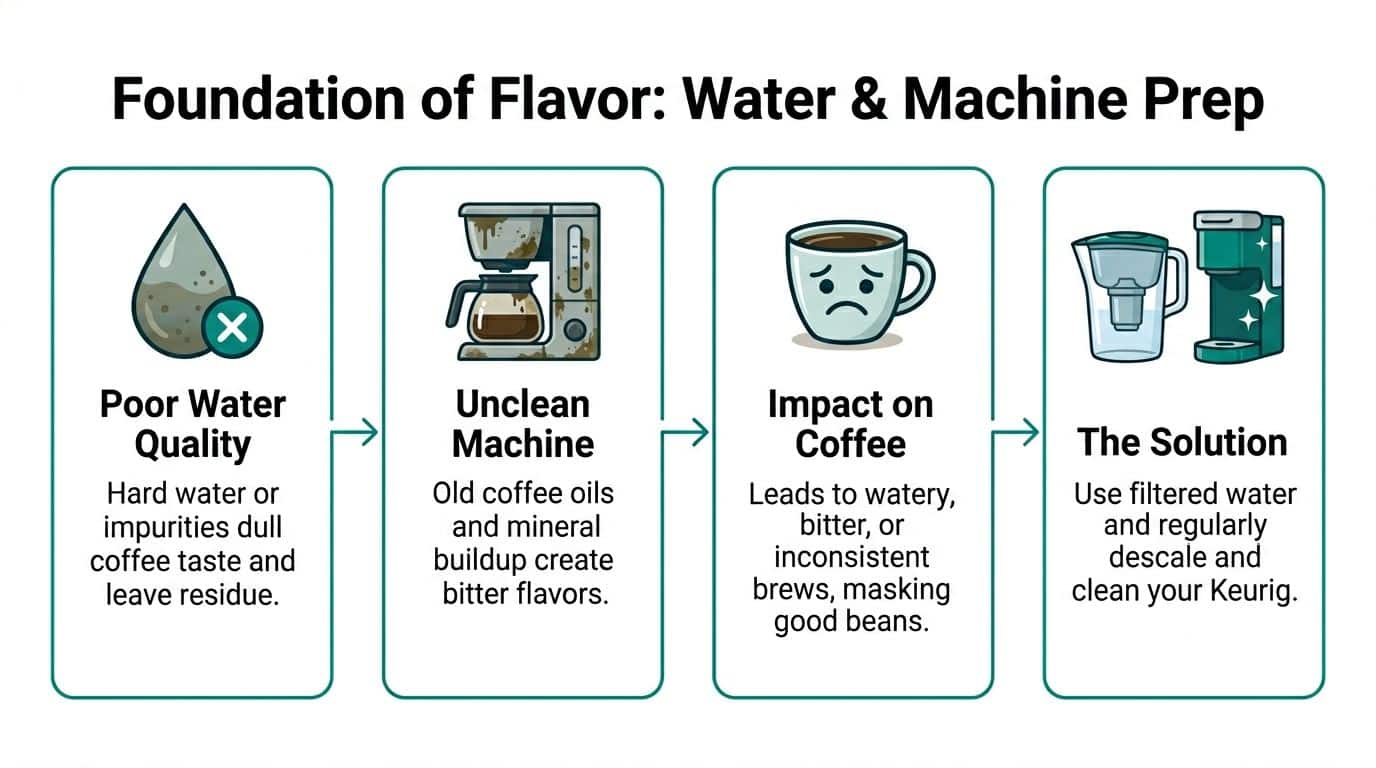
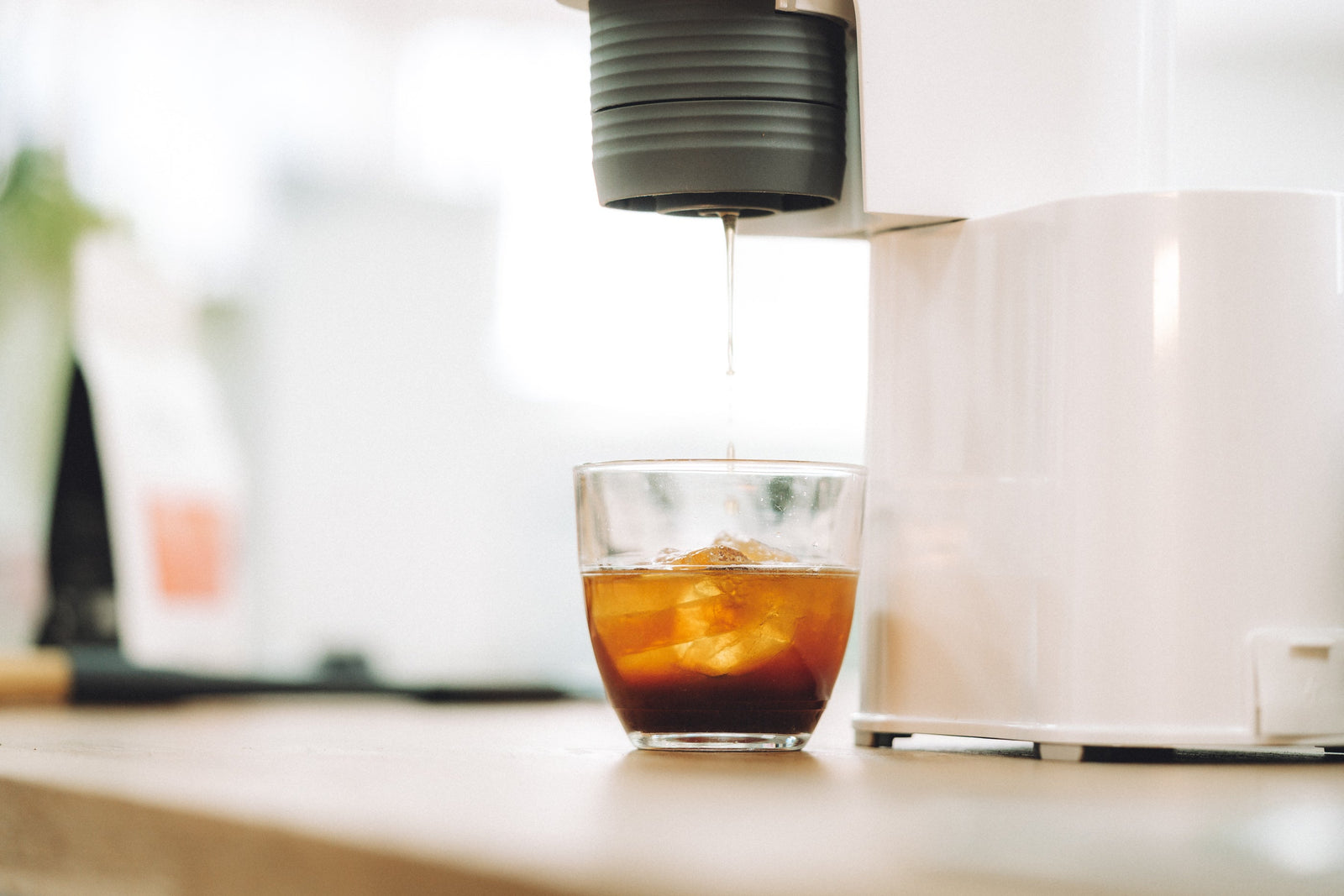
Water is more than a background ingredient. It shapes acidity, sweetness, and body. Hard or soft water can mute or highlight flavors. Temperature controls extraction speed.
Tips:
- Use filtered water with balanced mineral content for best extraction.
- Aim for 195–205°F for filter coffee and about 200°F for espresso brew water.
- Keep kettle and carafe warm to avoid sudden temperature drops.
- Test with the same temperature each time to learn consistent results.
If you want a repeatable cup, treat water like a recipe ingredient. That is central to how to fix inconsistent coffee taste between brews.
Grinder and dosing: the mechanical heart of consistency
A grinder that drifts or produces uneven particles is a major culprit. So is inconsistent dosing.
Key actions:
- Use a burr grinder rather than blade grinder for uniform particles.
- Clean burrs weekly to remove oils and fines.
- Use a scale to weigh beans and grounds for each brew.
- Consider a timed or scale-based dosing system to avoid guesswork.
- Replace burrs when they show wear, usually after 500–1000 pounds of coffee for home grinders.
I once chased flavor swings for weeks until I cleaned my grinder and found old oils gum up the burrs. Cleaning fixed both taste and shot time. This experience shows how to fix inconsistent coffee taste between brews by maintaining grind quality.

Beans, storage, and roast variability
Beans are alive for a while after roast. Age, storage, and roast profile change taste.
Best practices:
- Buy beans in small batches and note roast dates.
- Store in an opaque, airtight container at room temperature.
- Avoid the fridge; it introduces moisture and odors.
- Use first-in, first-out rotation to keep freshness steady.
- Taste test new batches and adjust grind/dose to match prior flavor.
A lot of inconsistency comes from switching bags without recalibrating. When you change beans, run a quick grind and dose test to bring the cup back in line. This is a direct way to fix inconsistent coffee taste between brews across bag changes.

Cleaning and equipment maintenance
Old oils and residues cloud flavor. Clean tools give clean cups.
Routine cleaning:
- Backflush espresso machines daily with water and weekly with a cleaning detergent.
- Replace seals and gaskets as needed to avoid leaks.
- Empty drip baskets and clean filter holders after each use.
- Clean grinders and hoppers weekly.
- Descale machines every 2–3 months or as needed.
I once brewed three identical recipes and got three different flavors. Cleaning the portafilter and group head eliminated the problem. Regular maintenance makes a huge, immediate difference in how to fix inconsistent coffee taste between brews.
Tasting routine and record keeping
Train your palate and track what you do. Small notes prevent repeating mistakes.
Try this routine:
- Taste each brew and record aroma, acidity, sweetness, bitterness, and body.
- Note bean, dose, grind, water temp, brew time, and yield.
- Use a simple template or app to store entries.
- Compare entries to find patterns and adjustments.
A log is your best ally. The more you record, the faster you learn how to fix inconsistent coffee taste between brews and reproduce your favorite cups.

Troubleshooting common flavor swings
Short answers for common symptoms and fixes.
- Sour, under-extracted filter coffee
- Coarsen the grind slightly, increase brew time, or raise water temp.
- Bitter, over-extracted espresso
- Finer grind or shorter shot time, reduce dose slightly.
- Flat or dull taste
- Check bean freshness, clean equipment, and verify water quality.
- Metal or chemical notes
- Rinse new equipment thoroughly and check water source.
- Rapid daily variation
- Stabilize one variable at a time and use a log to spot trends.
Use these quick fixes when diagnosing how to fix inconsistent coffee taste between brews. They help pinpoint the likely variable causing the change.
Personal lessons and small habits that helped me
I’ve brewed hundreds of coffees under varying conditions. These habits cut my variability in half.
What worked for me:
- I switched to weighing everything. That stopped random dosing errors.
- I set a ritual: grind, rinse, preheat, brew. Ritual reduced mistakes.
- I scheduled weekly equipment checks. That removed surprise flavors.
- I learned to adjust to new beans with a simple 3-brew test: dial-in, fine-tune, and confirm.
These simple acts show how to fix inconsistent coffee taste between brews without fancy gear. Consistency comes from routine, not luck.
Small experiments to find the real problem
Run controlled tests to isolate issues. Keep other variables fixed.
Example tests:
- Change only grind size and note extraction time and flavor.
- Brew the same recipe with different water to test mineral impact.
- Use the same beans on different days while only cleaning one variable at a time.
- Swap the grinder temporarily to check for burr issues.
Record results and revert changes one at a time. This method helps you discover how to fix inconsistent coffee taste between brews with confidence.
Frequently Asked Questions of how to fix inconsistent coffee taste between brews
Why does my coffee taste different even when I use the same beans?
Small shifts in grind, dose, water temp, or equipment cleanliness can change extraction. Track one variable at a time to find the source.
How often should I clean my grinder and machine?
Clean grinders weekly and perform deeper machine cleaning and backflushing weekly to monthly, depending on usage. Heavy use requires more frequent care.
Can water really change my coffee flavor?
Yes. Water mineral content and temperature affect extraction and perceived taste. Use filtered water with balanced minerals for consistent results.
How long after roasting should I use beans?
Taste is usually best between 3 and 21 days after roast for many coffee styles, but this varies by roast profile. Test and record your preferred window.
Will switching to a scale improve consistency?
Yes. Weighing beans and output removes guesswork and dramatically reduces variation between brews. It’s one of the easiest changes to make.
Conclusion
Small, consistent habits beat occasional brilliance. Focus on stable beans, precise grind and dose, clean equipment, and steady water to solve how to fix inconsistent coffee taste between brews. Start with a simple checklist, log your results, and change one thing at a time. Try the steps in this guide for a week and you’ll notice steadier cups fast. Share your results, subscribe for more tips, or leave a comment about your biggest coffee challenge.

Liora Pennings is a seasoned chef and kitchen enthusiast with a passion for turning everyday cooking into an effortless experience. With years of hands-on culinary expertise, she specializes in practical techniques, ingredient know-how, and smart kitchen solutions that help home cooks elevate their meals. At KitchFlair.com, Liora shares her best tips, time-saving tricks, and honest product reviews to guide readers toward a more efficient, enjoyable, and inspired cooking routine. Whether you’re a beginner or a seasoned home chef, Liora’s friendly, knowledge-packed insights make every visit to the kitchen a little easier—and a lot more delicious.