How To Clean Shark Vacuum Cleaner: Easy Guide
Unplug the Shark vacuum, empty its parts, wash washable filters, clear the brush roll, and let everything dry.
Learning how to clean Shark vacuum cleaner parts the right way can restore suction, reduce odors, and help your machine last longer. The exact steps vary by model, but the core method is the same: work safely, clean one part at a time, and never reinstall a damp filter or block the airflow.

Why regular Shark vacuum cleaning matters
A Shark vacuum collects dust, pet hair, crumbs, and fine dirt every time you use it. Over time, this debris can fill the dust cup, clog the airway, wrap around the brush roll, and cover the filters.
A dirty vacuum may show clear warning signs:
• Weak suction
• A dusty or musty smell
• Loud or unusual sounds
• Overheating
• A brush roll that stops spinning
• Dust blowing back into the room
Cleaning the vacuum is not only about appearance. A blocked filter forces the motor to work harder. A tangled brush roll also creates extra strain on the belt, bearings, and motor system.
Shark makes many types of vacuums, including upright, cordless stick, canister, and robot models. Parts and filter designs differ, so check the manual for your model before washing or removing anything. If the manual says a filter is disposable, replace it rather than rinsing it.

What you need before cleaning a Shark vacuum
Gather your supplies before you begin. This makes the process faster and helps prevent damage.
• A soft, dry cloth
• Warm water
• Mild dish soap
• A soft cleaning brush or old toothbrush
• Scissors or a seam ripper
• A small bowl
• A dry towel
• A trash bag
Avoid harsh cleaners, bleach, alcohol, and abrasive pads. These products may damage plastic, seals, foam, or filter material.
Choose a well-lit area with good airflow. If the vacuum has picked up fine dust, empty the dust cup outdoors when possible. This reduces the amount of dust released into your home.
Before you start, unplug a corded model. Remove the battery from a cordless Shark vacuum if the design allows it. Never clean a powered vacuum, and never place the motor body under running water.

How to clean Shark vacuum cleaner step by step
The safest approach is to clean the vacuum from the outside in. Start with the dust cup, then clean the filters, brush roll, hose, and attachments.
1. Turn off and unplug the vacuum
Switch off the vacuum and unplug it from the wall. For a cordless model, remove the battery only if the user manual permits it.
Place the vacuum on a stable floor. Keep screws, clips, and small parts in one spot if you remove them. A quick photo before disassembly can help you remember where each part belongs.
2. Empty the dust cup
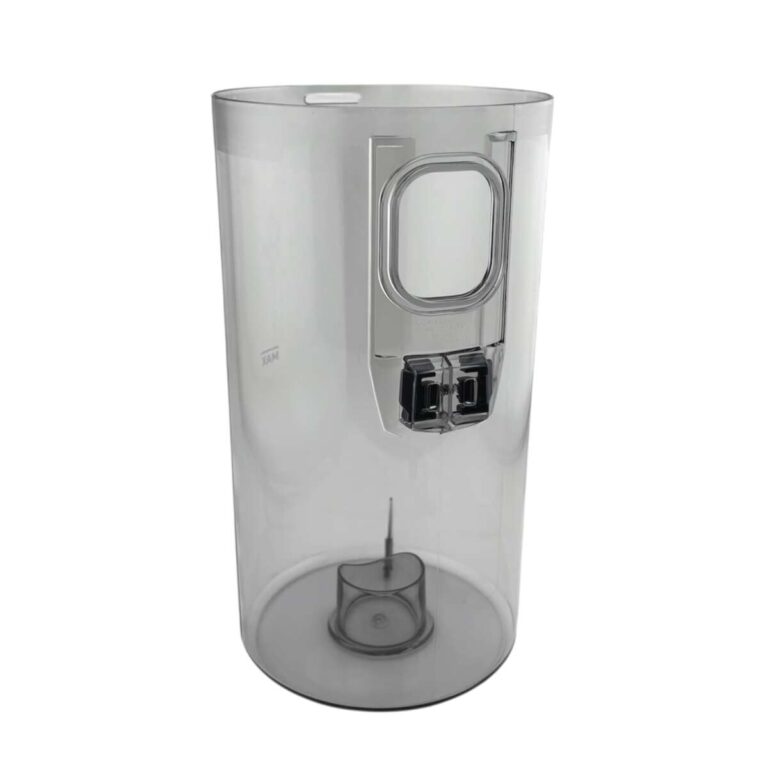
Hold the dust cup over a trash bag. Press the release button and allow the debris to fall out.
Do not shake the cup aggressively. Fine dust can rise into the air and settle on nearby surfaces. If the cup has a fill line, empty it before the debris reaches that mark.
Use a dry cloth to wipe dust from the inside. For sticky dirt, remove the cup if the model allows it and wash it with warm water and a small amount of mild dish soap.
Rinse the cup well. Soap residue can trap dust and affect airflow. Let the cup dry completely before putting it back.
3. Clean the pre-motor filters
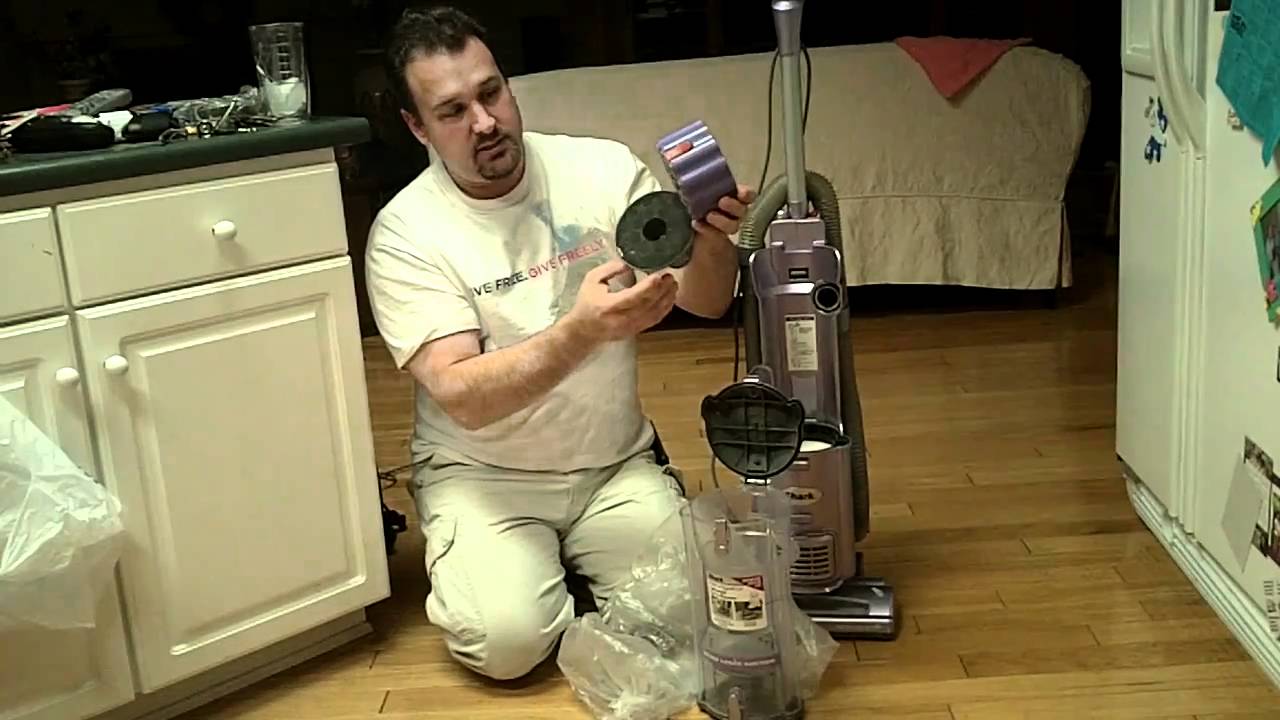
Many Shark vacuums have foam and felt filters near the dust cup. These filters protect the motor from fine particles.
Remove the filters carefully. Tap them over a trash bag to release loose dust. Do not twist, wring, or scrub them hard, because this can tear the material.
If the filters are washable, rinse them under cool or lukewarm water until the water runs clear. Do not add soap unless the manual specifically allows it.
Press the filters gently between clean towels. Do not put them in a dryer. Place them in a warm, open area and let them air-dry for at least 24 hours. Thick filters may need more time.
4. Clean the post-motor filter
The post-motor filter is often located near the exhaust area. Some models use a washable filter, while others use a replaceable HEPA-style filter.
Remove the filter and check its label or manual. If it is washable, rinse it with cool water and air-dry it fully. If it is not washable, tap it gently outside or replace it when dirty.
Never run the vacuum without its filters. The filters protect the motor and help keep fine dust from returning to the room.
5. Clean the brush roll
Hair and thread can wrap around the brush roll like rope around a wheel. This makes the roll harder to turn and can reduce cleaning performance.
Open the brush-roll cover according to the model instructions. Use scissors to cut hair along the groove of the roller. Keep the scissor tips away from bristles and rubber strips.
Pull away the loosened hair and thread. Use a dry brush to remove dust from the roller and nearby housing.
Some Shark models have a soft roller that can be removed and washed. If so, rinse it with water and let it dry fully before reinstalling it. Do not wash a powered brush-roll housing.
Check the end caps and small wheels. Hair often hides in these areas and can stop the roller from moving freely.
6. Clear the floor head and airway
Look through the floor nozzle for packed dust, toys, paper, or pet hair. Use a long, blunt object to loosen a blockage if needed.
Do not push a sharp tool deep into the airway. It may damage the hose or puncture a seal.
Turn the brush roll by hand after cleaning. It should move smoothly. If it feels stuck, check for hair at both ends or inside the nozzle.
7. Clean the hose
Disconnect the hose only if the model is designed for hose removal. Look through it toward a light to find clogs.
For a small blockage, use a flexible cleaning brush or gently massage the hose from the outside. Do not force a rigid object through the hose.
If the manual allows hose rinsing, use clean water and let the hose dry completely. Many hoses contain electrical connections or sensors, so never soak one unless the manufacturer clearly approves it.
8. Wipe the vacuum body and tools
Use a slightly damp cloth on the outside of the vacuum. Wipe the handle, switches, wand, crevice tool, upholstery tool, and other attachments.
Keep water away from the motor, battery contacts, display, charging port, and electrical controls. Use a dry cotton swab around narrow seams.
Inspect the wand for dust buildup. A blocked wand can look like a motor problem when the real issue is a simple clog.
9. Reassemble the vacuum
Only reinstall parts when they are clean and completely dry. Fit each filter flat and secure the dust cup until it clicks into place.
Check that the brush-roll cover is locked. Confirm that the hose, wand, and floor head are firmly attached.
Turn on the vacuum for a short test. Listen for unusual sounds and check whether suction has improved. Stop immediately if you smell burning, hear grinding, or notice that the brush roll does not spin.

How to clean Shark vacuum filters safely
Filters are among the most important parts to clean, but they are also easy to damage. The basic rule is simple: wash only filters marked as washable.
Use these filter-cleaning habits:
• Rinse washable filters with cool or lukewarm water.
• Avoid bleach, detergent, fabric softener, and disinfectant.
• Do not scrub foam filters with force.
• Never reinstall a damp filter.
• Replace filters that are torn, crushed, or permanently gray.
• Check the manual for the recommended replacement schedule.
A filter may look clean on the surface but still hold fine dust inside. Rinse it until the water is clear, then allow it to dry in open air. Drying may take 24 to 48 hours.
In my experience, rushing this step causes more trouble than almost any other mistake. A damp filter can restrict airflow, create a sour smell, and place moisture near the motor. Treat the filter like a wet sponge: clean it gently, then give it time.
How to clean a Shark vacuum brush roll with pet hair
Pet hair is one of the most common causes of brush-roll problems. Long hair can wrap around the roller, while short fur can collect behind the end caps.
For better results, clean the brush roll after heavy shedding seasons. Homes with dogs, cats, or long-haired family members may need weekly checks.
Follow this process:
-
Turn off and unplug the vacuum.
-
Remove the floor head or open the brush-roll cover.
-
Cut wrapped hair with scissors.
-
Pull the hair away by hand.
-
Brush dust from the roller.
-
Inspect both ends of the roller.
-
Remove hair from the nozzle and small wheels.
-
Reinstall the roller and test its movement.
Never cut across the bristles unless the manual directs you to do so. Damaged bristles can reduce the vacuum’s ability to lift dirt from carpets.
If the brush roll remains stuck after cleaning, the problem may involve a belt, motor, sensor, or bearing. At that point, contact Shark support or a qualified repair professional.

How often should you clean a Shark vacuum?
The right schedule depends on how often you vacuum and what you collect. A home with pets, children, carpets, or construction dust usually needs more frequent care.
A practical schedule looks like this:
• Empty the dust cup after every use or when it reaches the fill line.
• Check the brush roll once a week.
• Wipe the dust cup and attachments every one to two weeks.
• Wash washable filters about once a month, or as the manual recommends.
• Inspect the hose and floor head each month.
• Replace disposable or worn filters according to the model guide.
If suction drops suddenly, clean the vacuum at once rather than waiting for the calendar. A vacuum can become blocked between scheduled cleanings, especially after picking up cereal, paper, thread, or large amounts of pet hair.

Common mistakes to avoid when cleaning a Shark vacuum
Many vacuum problems begin with a well-intended cleaning mistake. Avoid these common errors:
Washing electrical parts
Do not rinse the motor housing, battery, charger, powered wand, or electrical floor head. Water and electricity are a dangerous combination.
Using the vacuum before parts are dry
Even a small amount of moisture can create odor or damage internal parts. When in doubt, wait longer.
Using soap on every filter
Soap may leave a film that traps dust. Plain water is usually the safer choice for washable filters.
Ignoring the filter frame
Dust can collect around the filter seat and reduce the seal. Wipe the frame with a dry cloth before replacing the filter.
Pulling hair without cutting it
A large knot may damage bristles or stretch a belt. Cut the hair first, then remove it.
Overfilling the dust cup
An overfilled cup can block airflow and make the vacuum appear weak. Empty it before debris reaches the maximum line.
Forcing a clog
Sharp tools and excessive force can puncture hoses or damage internal parts. Work slowly and use a flexible tool.

How to improve Shark vacuum suction after cleaning
If the vacuum still has weak suction, inspect the complete air path. Suction depends on more than the motor.
Check these areas:
• Dust cup seating
• Pre-motor filters
• Post-motor filter
• Wand
• Hose
• Floor nozzle
• Brush roll
• Airway doors and seals
A poorly fitted dust cup can leak air. A clogged wand can restrict airflow. A dirty filter can also cause the motor to sound normal while the vacuum picks up very little dirt.
Test the vacuum on a bare floor first. Then test it on carpet. If the vacuum works on the floor but struggles on carpet, inspect the brush roll, height setting, and nozzle for blockages.
If the motor becomes hot, turns off, or smells like burning, stop using the vacuum. Thermal protection may shut the machine down to prevent damage, but repeated overheating needs professional attention.

Safety tips for cleaning a Shark vacuum
Safe cleaning protects both you and the machine. Follow these precautions every time:
• Unplug corded vacuums before opening or cleaning them.
• Keep batteries and charging ports dry.
• Wear a mask if you are sensitive to dust.
• Wash your hands after handling dirty filters.
• Keep small parts away from children and pets.
• Do not vacuum liquids unless the model is made for wet pickup.
• Do not use a damaged cord, cracked hose, or swollen battery.
• Stop using the vacuum if it sparks, smokes, or smells strongly of burning.
If your Shark vacuum has picked up glass, needles, chemicals, hot ash, or bodily fluids, use extra caution. Do not handle hazardous material with bare hands. Follow local disposal guidance and the model’s safety instructions.
When to replace Shark vacuum parts
Cleaning can restore many vacuums, but it cannot repair every worn part. Replace a component when it is cracked, torn, misshapen, or unable to seal.
Common replacement parts include:
• Foam and felt filters
• HEPA or exhaust filters
• Brush rolls
• Belts, when used by the model
• Hoses
• Dust-cup seals
• Batteries for cordless models
Use parts made for your exact Shark model. A filter that looks similar may not fit correctly or provide the required airflow.
A good sign that you need a new filter is persistent odor or weak suction after proper washing and complete drying. A brush roll with missing bristles or damaged rubber should also be replaced rather than repeatedly cleaned.
Frequently asked questions about how to clean Shark vacuum cleaner
Can I wash my Shark vacuum filter?
You can wash a filter only when the model instructions identify it as washable. Rinse it with cool water, avoid harsh soap, and let it air-dry completely before reinstalling it.
How often should I clean my Shark vacuum?
Empty the dust cup after each use or when it reaches the fill line. Check the brush roll weekly and clean washable filters about monthly, unless your model manual gives a different schedule.
Why does my Shark vacuum smell after cleaning?
A smell may come from a damp filter, trapped hair, dirty brush-roll ends, or debris inside the hose. Let all washable parts dry fully and inspect the entire airflow path.
Can I rinse the Shark vacuum dust cup?
Many Shark dust cups can be removed and rinsed, but the motor and electrical parts must stay dry. Check the manual, use mild soap if needed, rinse away all residue, and dry the cup before reassembly.
Why is my Shark vacuum still losing suction?
A full dust cup, blocked hose, dirty filter, poor seal, or tangled brush roll can reduce suction. If cleaning all of these areas does not help, the vacuum may have a worn part or motor fault.
How long should Shark vacuum filters dry?
Allow washable filters to air-dry for at least 24 hours. Thick foam filters may need 48 hours, and they should feel completely dry inside and out before use.
Can I use vinegar to clean my Shark vacuum?
Vinegar is not necessary and may affect seals or leave an odor. Plain water is the safer choice for washable filters and parts unless the manufacturer recommends another cleaner.
Conclusion
Knowing how to clean Shark vacuum cleaner parts helps protect suction, reduce smells, and prevent avoidable repairs. Empty the dust cup often, clear hair from the brush roll, inspect the hose, wash only approved filters, and allow every washable part to dry fully.
Use your model manual as the final guide, especially for filter care and disassembly. Make this simple routine part of your home care, and your Shark vacuum can work more reliably for years. If you found these steps useful, explore more vacuum-care guides or share your cleaning tips in the comments.

Liora Pennings is a seasoned chef and kitchen enthusiast with a passion for turning everyday cooking into an effortless experience. With years of hands-on culinary expertise, she specializes in practical techniques, ingredient know-how, and smart kitchen solutions that help home cooks elevate their meals. At KitchFlair.com, Liora shares her best tips, time-saving tricks, and honest product reviews to guide readers toward a more efficient, enjoyable, and inspired cooking routine. Whether you’re a beginner or a seasoned home chef, Liora’s friendly, knowledge-packed insights make every visit to the kitchen a little easier—and a lot more delicious.