How To Clean Coffee Grinder Oily Residue Buildup: Easy Fix
Clean removable parts, brush burrs, and wipe oily residue with warm soapy water and alcohol.
I have cleaned dozens of grinders and taught baristas simple fixes. This guide shows exactly how to clean coffee grinder oily residue buildup, step by step. You’ll learn safe methods for burr and blade grinders, what to avoid, and a maintenance plan that keeps your coffee tasting fresh. Read on for practical tips, real mistakes I made, and the best tools to remove oily buildup without damaging your machine.
Why coffee grinders get oily residue buildup
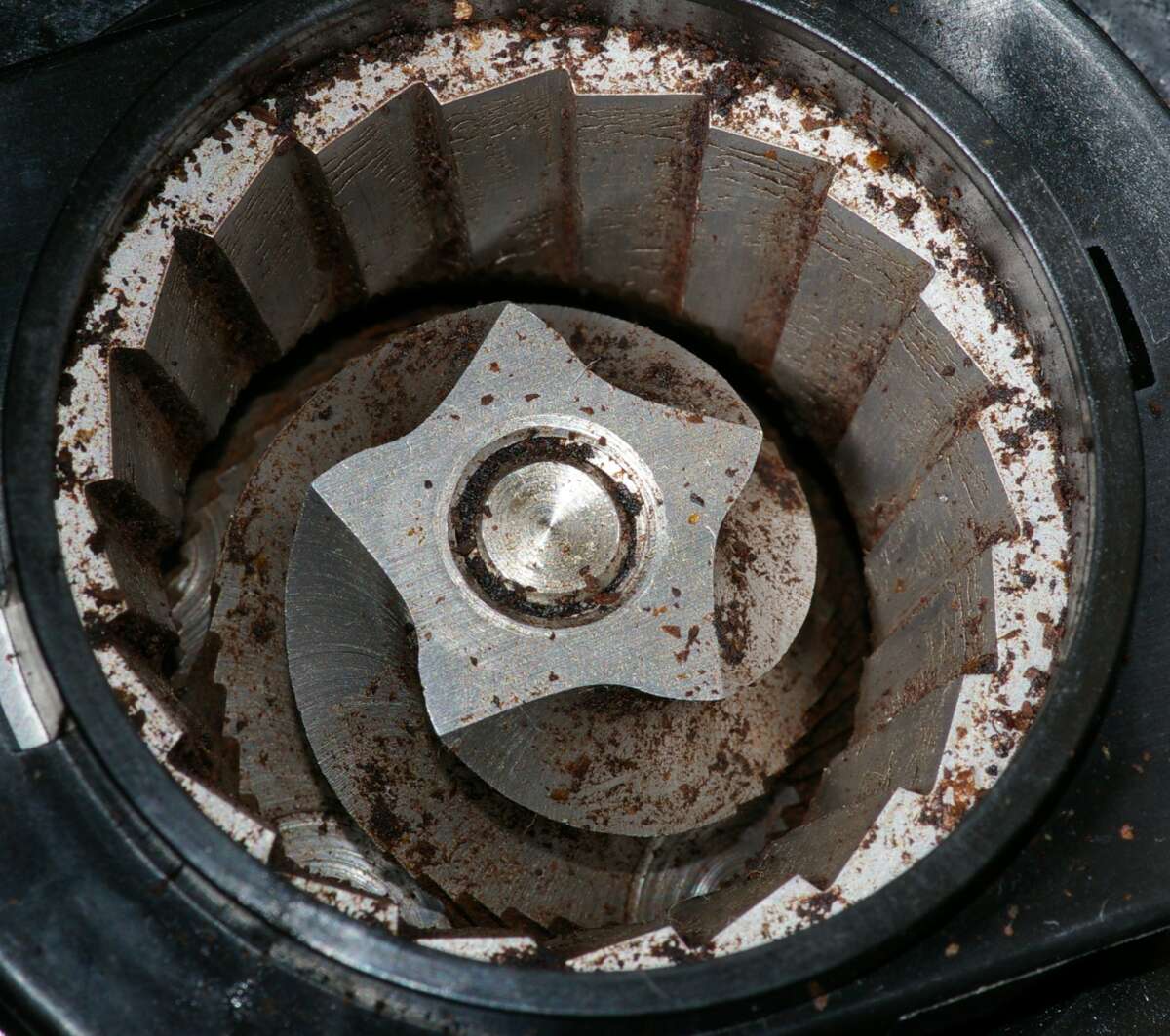
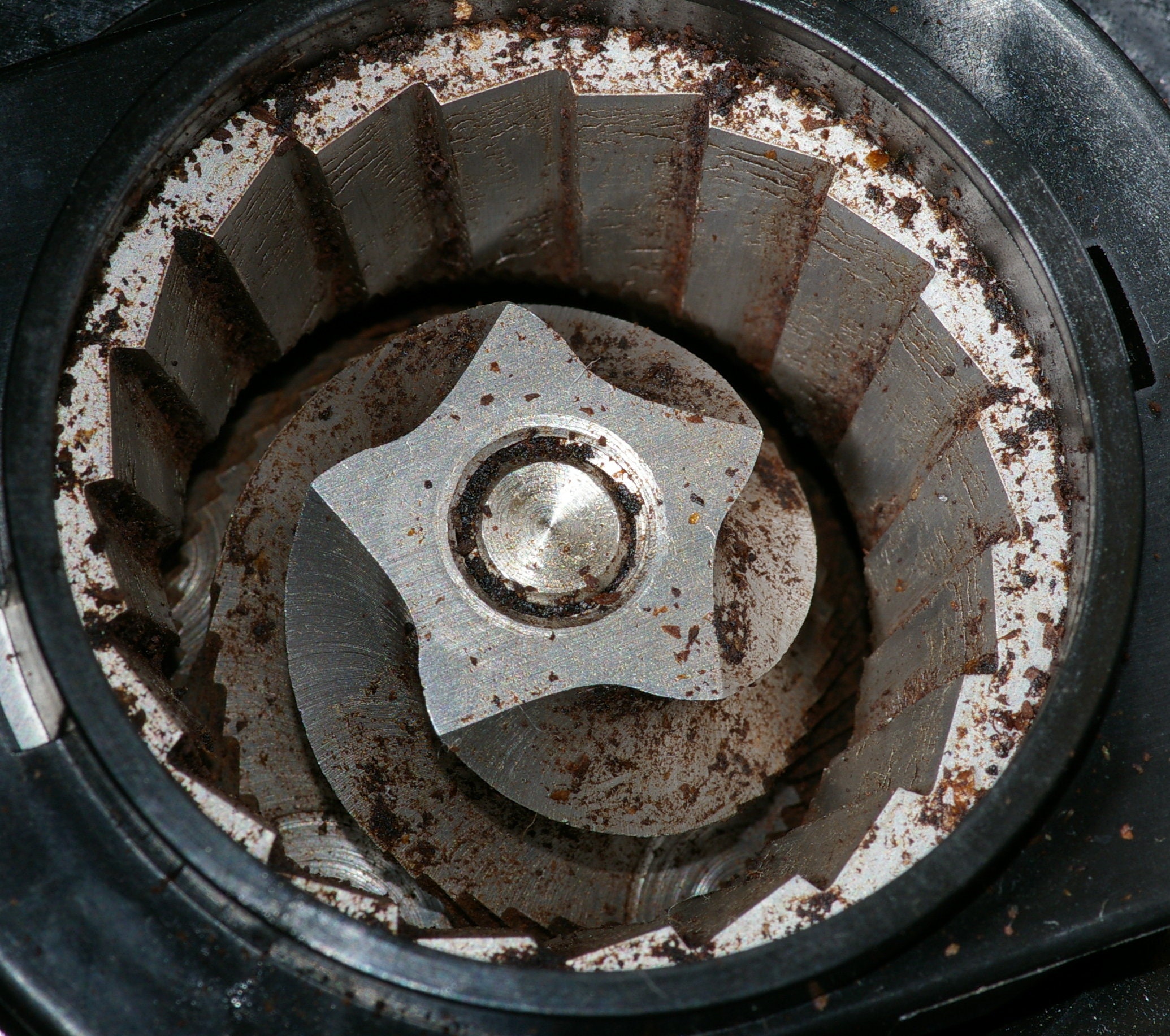
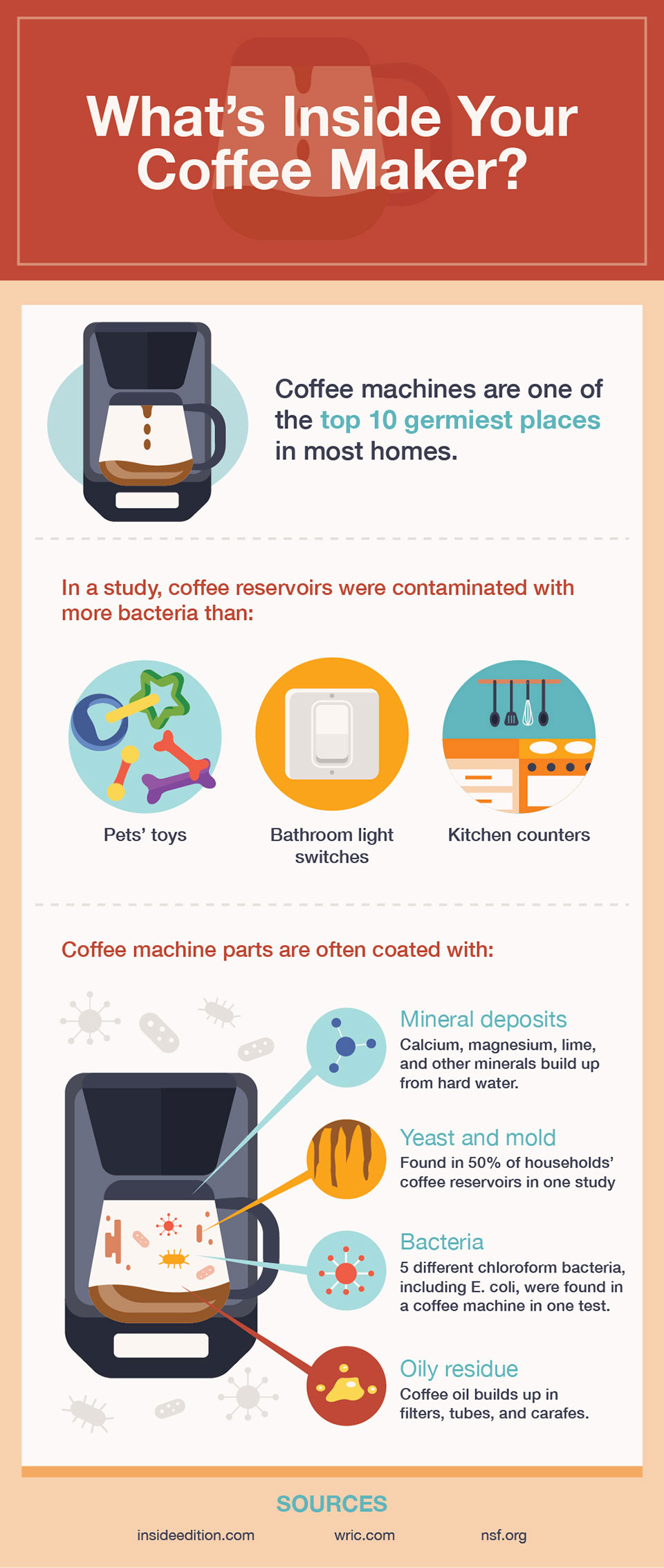
Oily residue forms when natural oils from coffee beans coat the grinder parts. Dark and oily roasts release more surface oil. Over time this oil mixes with fine grounds and dust. That mix clogs burrs, sticks to chambers, and changes flavor.
How to clean coffee grinder oily residue buildup starts with knowing the cause. Beans, humidity, and grind retention all add to buildup. Knowing why helps you prevent it.
Tools and supplies you need
Have the right tools before you start. Simple tools make cleaning faster and safer.
- Quality grinder brush or small paintbrush for burrs and crevices.
- Microfiber cloths or lint-free rags.
- Soft toothbrush and cotton swabs for tight spots.
- Mild dish soap and warm water for removable parts.
- 70% isopropyl alcohol for stubborn oil on metal parts.
- Small vacuum or canned air for loose grounds.
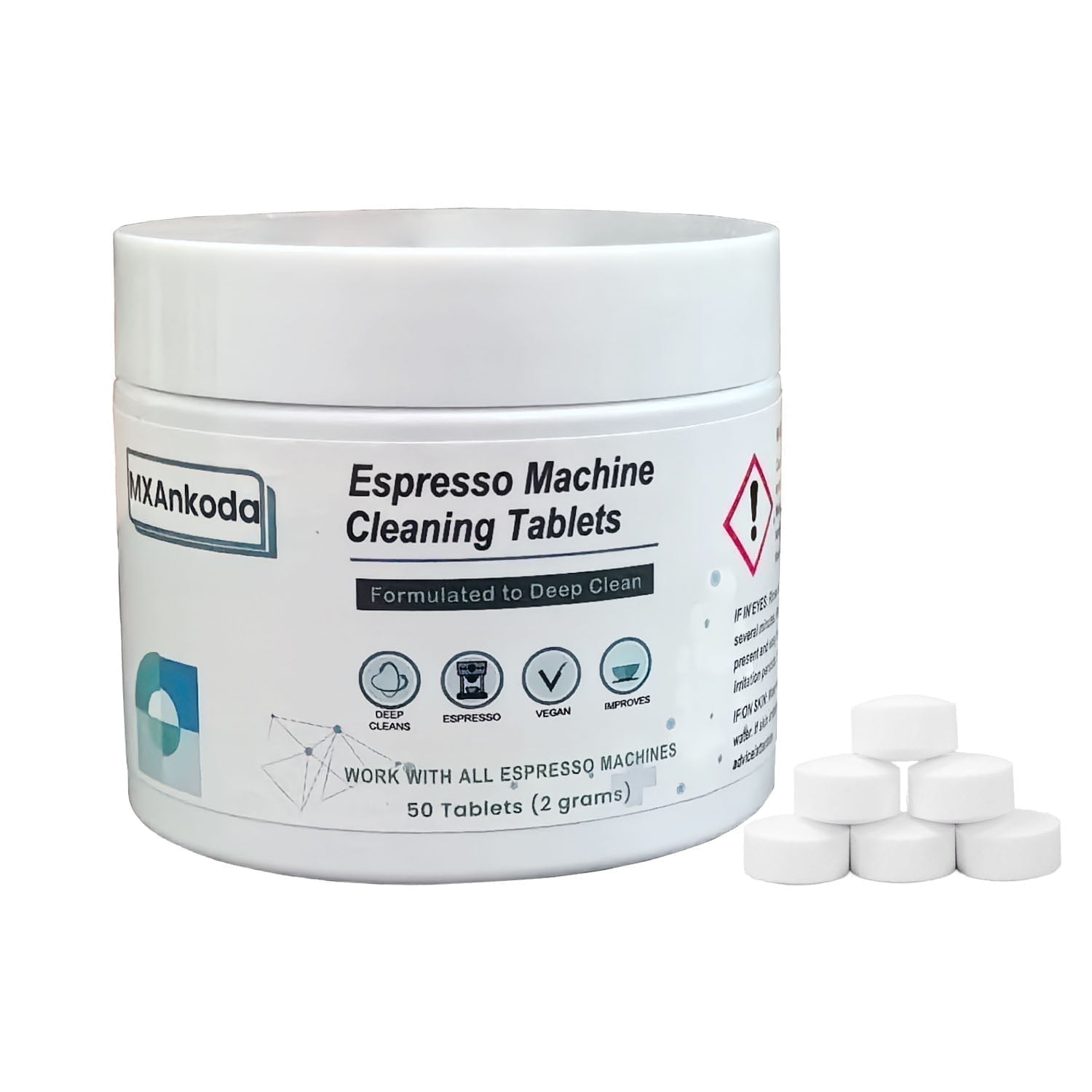
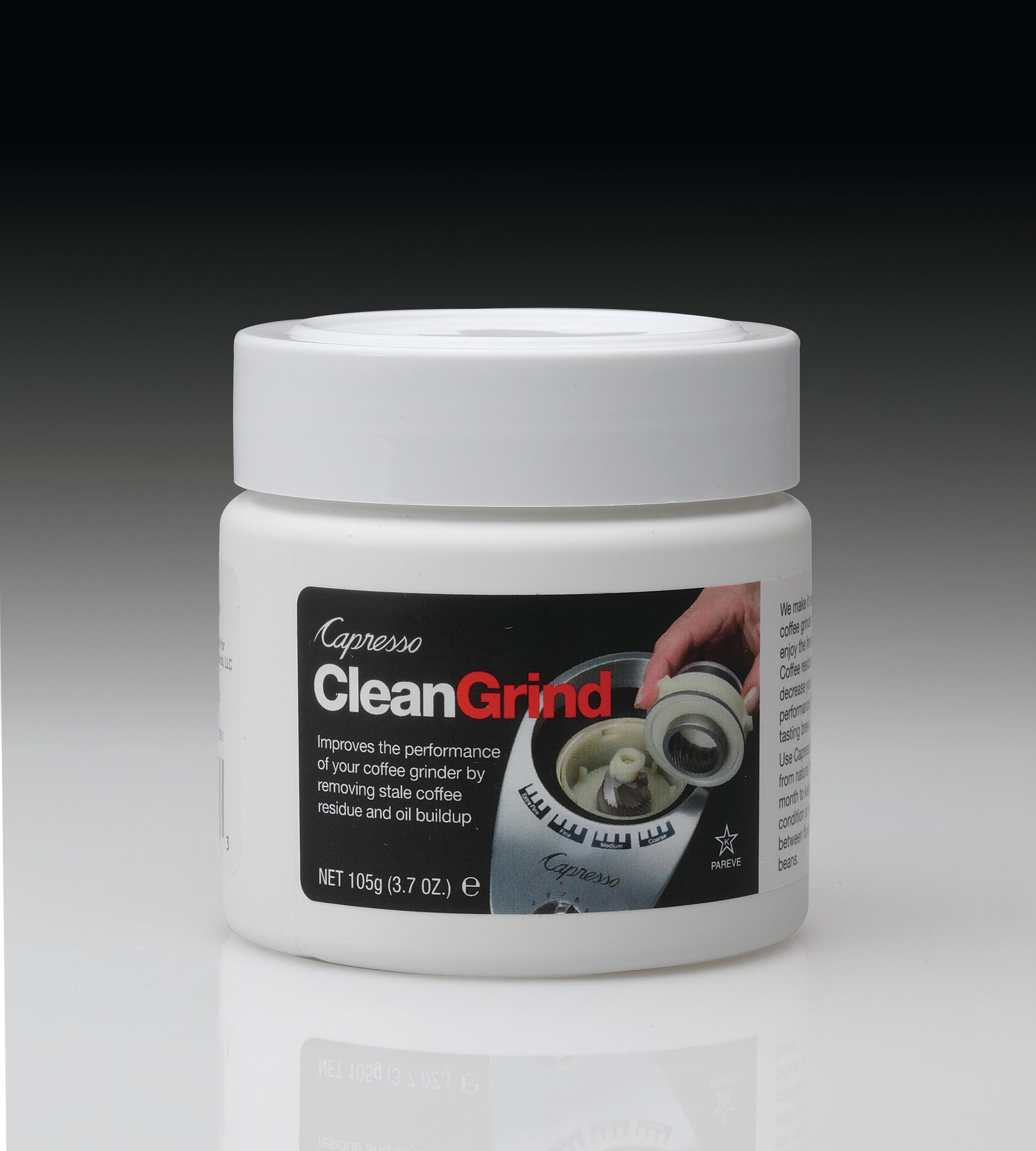
- Commercial grinder cleaning pellets (optional) for deep dry cleaning.
When you learn how to clean coffee grinder oily residue buildup, a few basic tools will do most of the work. Check your grinder manual for disassembly steps and allowed cleaning agents.

Step-by-step cleaning: burr grinders
Burr grinders need a gentle, methodical approach. Follow these steps to remove oily residue safely.
- Unplug the grinder and remove the hopper. Empty beans into a jar.
- Remove the upper burr per the manual. Keep screws and parts in a small tray.
- Use a brush to sweep grounds and oil from both burrs and the chute.
- Vacuum loose grounds from the chamber and hopper area.
- Wipe removable, non-electrical parts with a damp cloth and mild soap. Rinse and dry completely.
- For stubborn oil, dab a cotton swab with isopropyl alcohol and wipe metal parts. Avoid alcohol on plastic parts unless manufacturer approves.
- Reassemble after all parts are fully dry. Run a small batch of beans to purge any residue.
These steps explain how to clean coffee grinder oily residue buildup without harming the grind geometry. Take your time. Clean more often if you use dark roasts.
Step-by-step cleaning: blade grinders
Blade grinders are simpler to clean but still need care. Here’s a safe routine.
- Unplug and remove the lid. Brush out loose grounds with a dry brush.
- Wipe internal surfaces with a slightly damp cloth and mild soap. Do not submerge the motor unit.
- For oily buildup, use a cloth dampened with warm soapy water, then a cloth with plain water to rinse. Dry immediately.
- If oils linger, wipe with a cotton swab dipped in isopropyl alcohol. Avoid getting alcohol into the motor.
- Reassemble and grind a small amount of fresh beans to clear any soap traces.
Knowing how to clean coffee grinder oily residue buildup in blade grinders keeps odors and rancid flavors away. Never pour water into the motor.
Deep clean routine and maintenance schedule
Set a routine to stop buildup before it becomes a problem. Regular care saves money and time.
- Daily: Brush out grounds and wipe the hopper rim. Do this before you brew.
- Weekly: Empty the hopper and clean removable parts with warm soapy water. Dry well.
- Monthly: Full disassembly of burr grinders. Brush and vacuum, and spot-clean oil with alcohol as needed.
- Every 3–6 months: Use a commercial grinder cleaner if you grind oily beans daily.
Following this schedule helps you master how to clean coffee grinder oily residue buildup and keeps flavor consistent. Track your cleaning in a notebook or app to stay on top of it.
Natural cleaners vs commercial products
Choose the right cleaner for your grinder and needs.
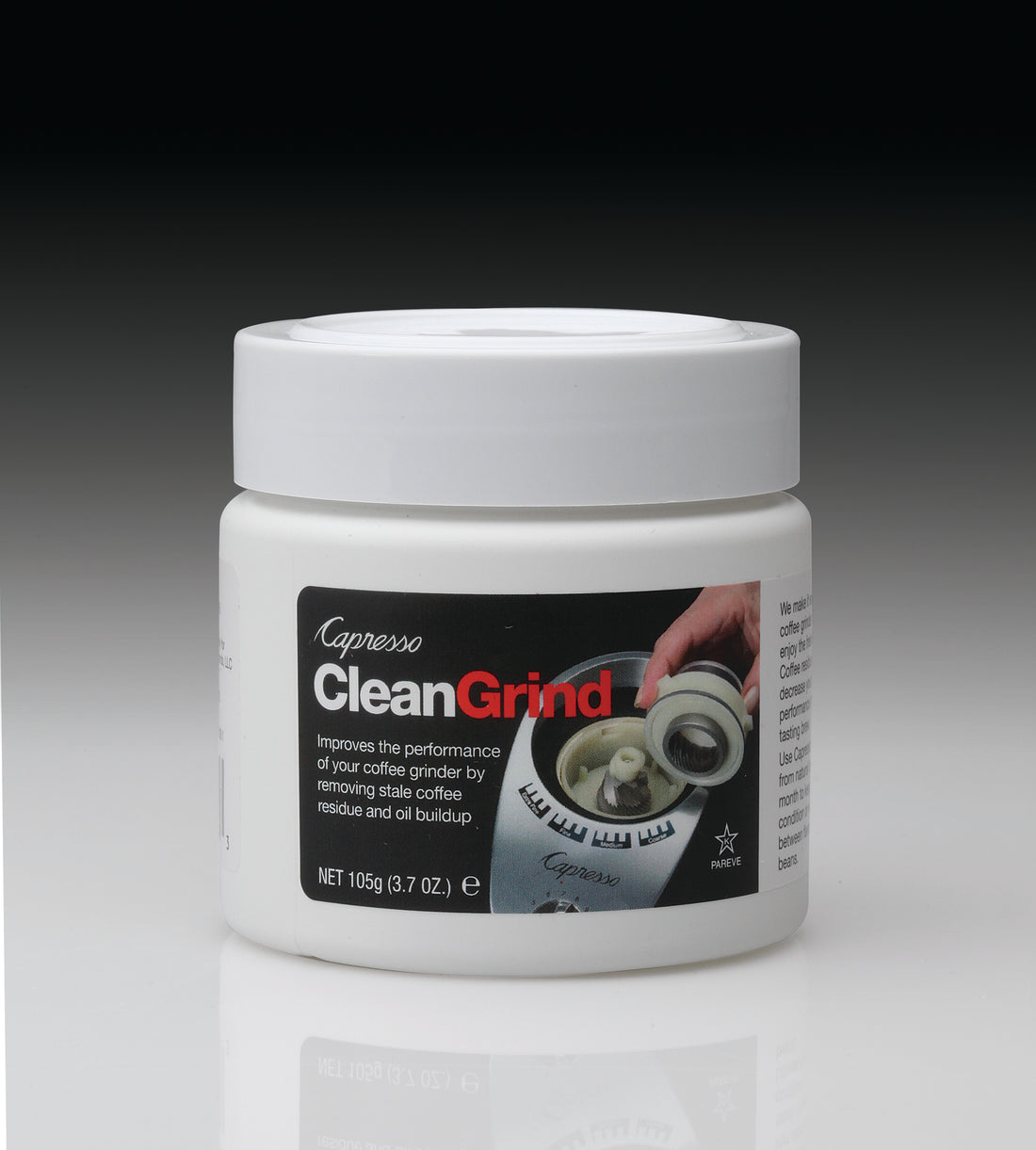
- Commercial grinder cleaning pellets are made to absorb oils and clear grounds. They are safe for most grinders and easy to use.
- Natural options like dry rice are controversial. Rice can break down and damage burrs. Avoid rice in burr grinders.
- Simple soap and water work well on removable, non-electrical parts. Use isopropyl alcohol for metal parts only.
- Always check the manufacturer’s guidance before using any cleaner.
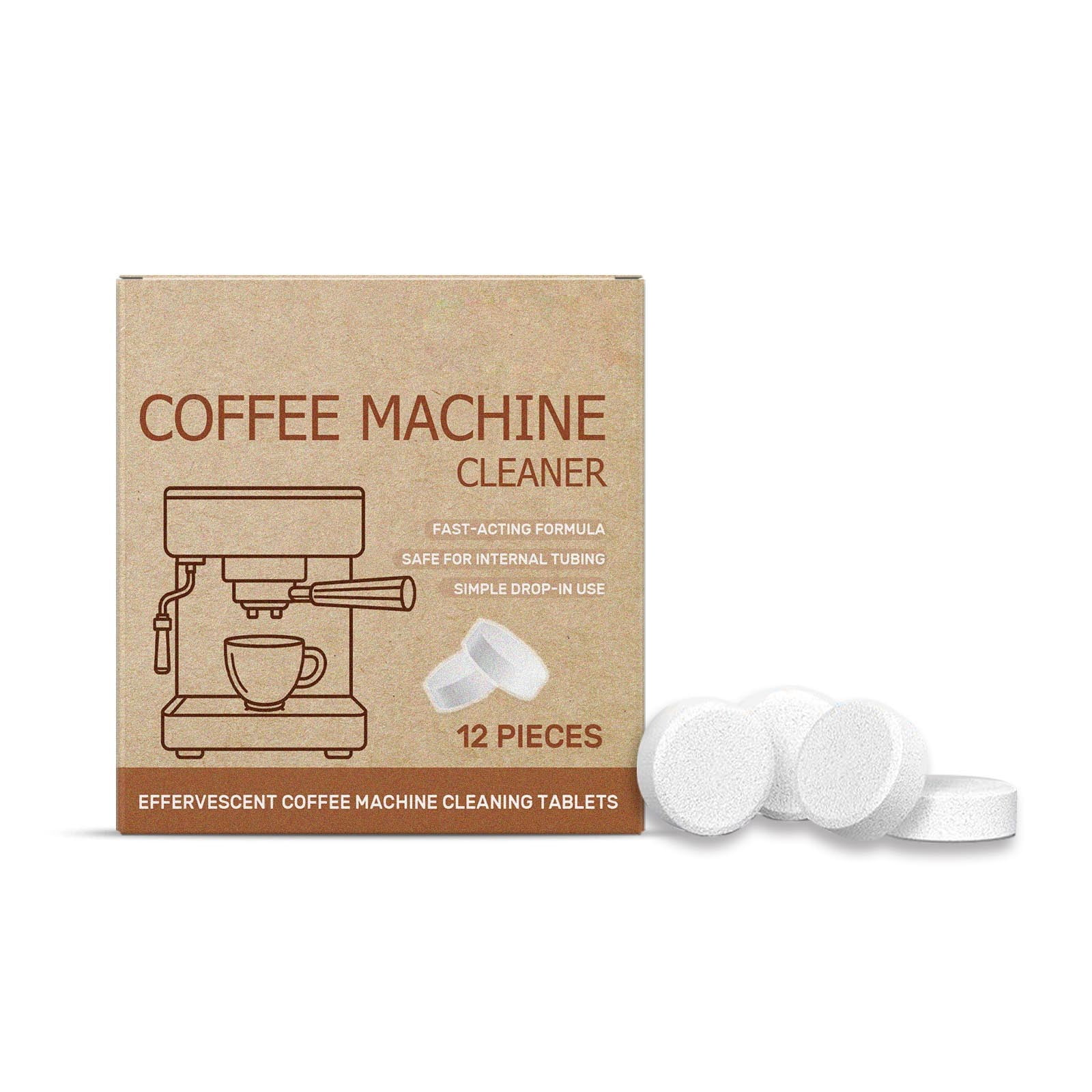
When deciding how to clean coffee grinder oily residue buildup, commercial pellets are often the safest dry option. I use them when I need a quick deep clean without disassembly.
Common mistakes and how to avoid them
Avoid these errors I’ve seen often. They can cause damage or make the problem worse.
- Using rice in burr grinders. Rice dust can clog and scratch burrs.
- Soaking motorized parts. Water in the motor ruins electronics.
- Using harsh degreasers on painted or plastic parts. They can strip finishes.
- Reassembling without drying parts. Trapped moisture leads to clogs and corrosion.
- Skipping regular maintenance. Small oil layers turn into sticky clumps fast.
I once jammed a grinder by using rice. I learned to read manuals first. Knowing these pitfalls improves how to clean coffee grinder oily residue buildup.

When to call a professional or replace your grinder
Some issues need help beyond cleaning.
- Strange noises, burning smells, or a weak motor may mean mechanical failure.
- If burrs are visibly worn, replacement is better than continued cleaning.
- Persistent taste problems after a deep clean may indicate internal damage.
If routine cleaning does not stop the problem, contact the maker or a repair shop. Proper diagnosis saves money and prevents scrap.

Frequently Asked Questions of how to clean coffee grinder oily residue buildup(make it h2 tag)
How often should I clean oily residue from my grinder?
Clean daily for light brushing and weekly for removable parts. Do a full disassembly and deep clean monthly if you use oily beans often.
Can I use rice to clean oily buildup?
Rice is not recommended for burr grinders and may damage parts. Blade grinders tolerate rice better, but safer options exist.
Is it safe to use soap and water on my grinder?
Only on removable, non-electrical parts. Never soak the motor housing or electrical components.
What removes stubborn oil from burrs?
Use a cotton swab with 70% isopropyl alcohol on metal burrs, then dry completely. Check the manual before using alcohol on plastic parts.
Are commercial grinder cleaning pellets worth it?
Yes. They absorb oils and clear grounds without disassembly. They are an easy, safe option for routine deep cleaning.
Can I use vinegar to degrease my grinder?
Vinegar can help but may leave a smell. Use it sparingly and rinse thoroughly, then dry parts well.
Conclusion
Cleaning oily residue is simple when you know the right steps. Brush daily, deep clean monthly, and use alcohol or commercial pellets for stubborn oil. Avoid rice in burrs, never soak motor parts, and follow the manual. Start a small cleaning habit today. Try a weekly brush and a monthly deep clean, and you’ll taste fresher coffee every day. Share your experience or questions below, or subscribe for more practical coffee gear tips.

Liora Pennings is a seasoned chef and kitchen enthusiast with a passion for turning everyday cooking into an effortless experience. With years of hands-on culinary expertise, she specializes in practical techniques, ingredient know-how, and smart kitchen solutions that help home cooks elevate their meals. At KitchFlair.com, Liora shares her best tips, time-saving tricks, and honest product reviews to guide readers toward a more efficient, enjoyable, and inspired cooking routine. Whether you’re a beginner or a seasoned home chef, Liora’s friendly, knowledge-packed insights make every visit to the kitchen a little easier—and a lot more delicious.