How Many Watts Is A Dyson Vacuum Cleaner: Wattage Guide
Dyson vacuum cleaners typically use 100 to 1,400 watts, depending on model, mode, and power source.
The answer is not one fixed number because Dyson makes cordless sticks, canisters, uprights, and robot vacuums. In this guide, you will learn how many watts is a Dyson vacuum cleaner, how watts differ from air watts, what each model type costs to run, and how to check the exact rating on your machine.
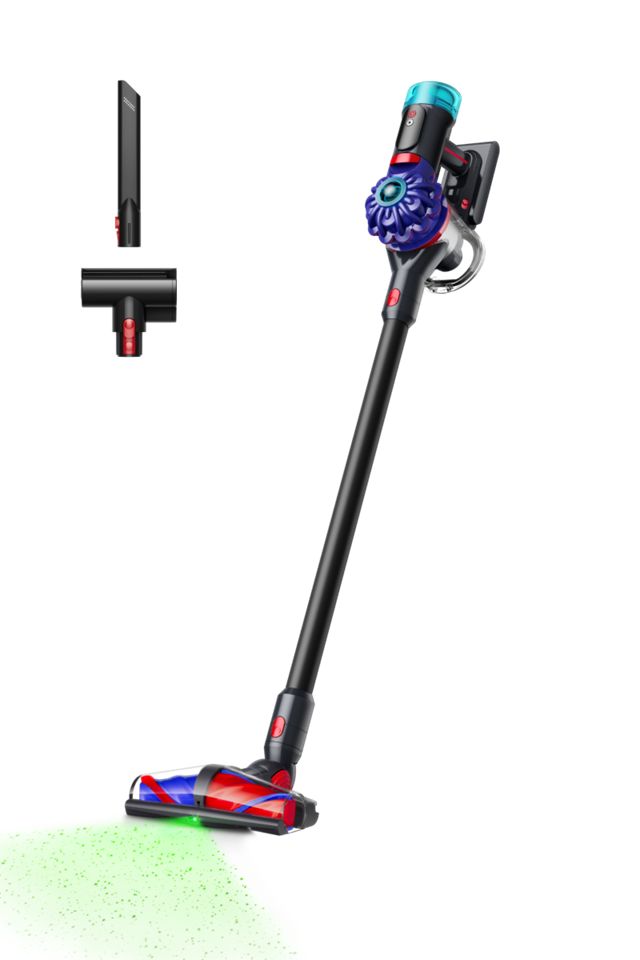
The short answer: How many watts is a Dyson vacuum cleaner?
How many watts is a Dyson vacuum cleaner? Most corded Dyson vacuums draw about 1,200 to 1,400 watts during normal use. Cordless Dyson models use far less power from the wall because they run on rechargeable batteries.
A typical range looks like this:
| Dyson vacuum type | Approximate electrical power |
|---|---|
| Cordless stick vacuum | About 100 to 545 watts |
| Corded upright vacuum | About 1,200 to 1,400 watts |
| Corded canister vacuum | About 1,000 to 1,400 watts |
| Robot vacuum | Usually about 20 to 50 watts while charging |
| Battery charger | Often about 20 to 250 watts, depending on model |
These are practical ranges, not universal figures. Dyson can change the motor, battery, and power system between models. The rating printed on the vacuum, charger, or owner’s manual is the best source for your exact machine.
A key point is that electrical watts and suction power are not the same thing. A vacuum can use more electricity without creating better cleaning results.
What do watts mean on a Dyson vacuum?
Watts measure electrical power. In simple terms, they show how much electricity a vacuum uses while its motor and other parts are running.
A higher watt number often means the motor can draw more power. However, it does not prove that the vacuum has stronger suction or cleans better. Airflow, sealed suction, brush design, filtration, and floor contact also affect cleaning performance.
Think of watts as the fuel going into the vacuum. The cleaning result is the work the machine does with that fuel. Two vacuums can use similar wattage but perform very differently.
Watts versus air watts
Air watts are used to describe useful suction performance. They combine airflow and suction pressure into one measurement.
This distinction matters because:
• Electrical watts describe power drawn from a battery or wall outlet.
• Air watts describe suction power created by the vacuum.
• Motor speed, airflow design, seals, and filters affect air watts.
• Dyson does not always publish air-watt figures for every model.
For this reason, do not compare a Dyson vacuum and another brand by watts alone. Look at the full specification sheet and real cleaning performance.
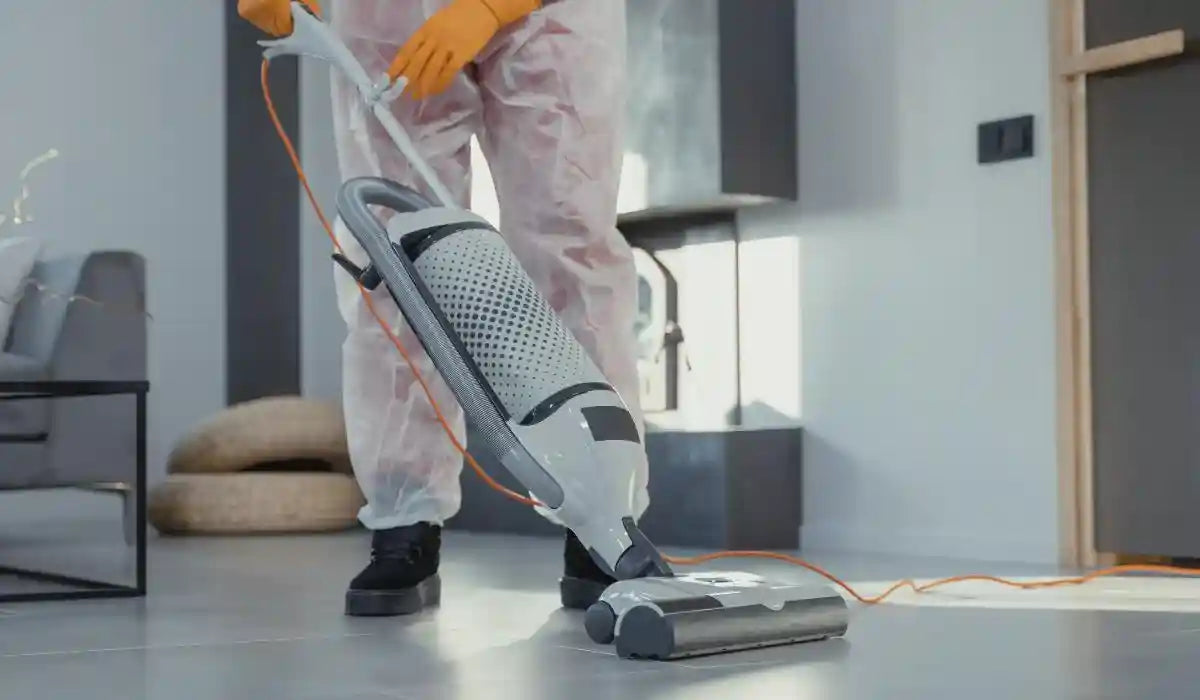
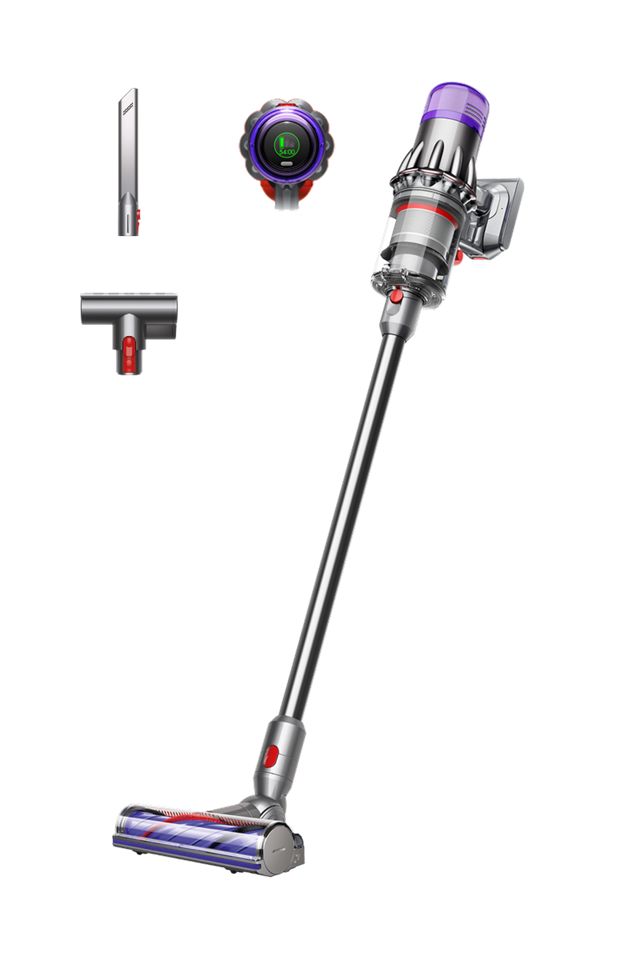
How many watts is a Dyson cordless vacuum?
How many watts is a Dyson cordless vacuum? Most Dyson cordless models use a battery system that can deliver roughly 100 to 545 watts, depending on the model and power setting.
The exact draw changes as you move between modes:
• Eco mode uses the least power and provides the longest battery life.
• Auto mode changes suction based on detected dirt and floor type.
• Boost mode uses the most power and drains the battery much faster.
For example, a cordless Dyson may run for a long time in Eco mode but last only a few minutes in Boost mode. This does not mean the battery is faulty. Boost mode asks the motor to work much harder.
Dyson cordless vacuums use lithium-ion batteries. Battery voltage is often around 21.6 to 29.4 volts, depending on the product family. Wattage changes during use because battery voltage and motor demand are not perfectly constant.
Why cordless wattage is harder to measure
A corded vacuum receives a steady supply from the outlet. A cordless vacuum does not. Its power draw changes with:
• Battery charge level
• Cleaning mode
• Brush-bar resistance
• Dust-bin airflow
• Filter condition
• Surface type
This is why online watt figures may differ. Some figures describe motor input, while others describe battery output or maximum system power.
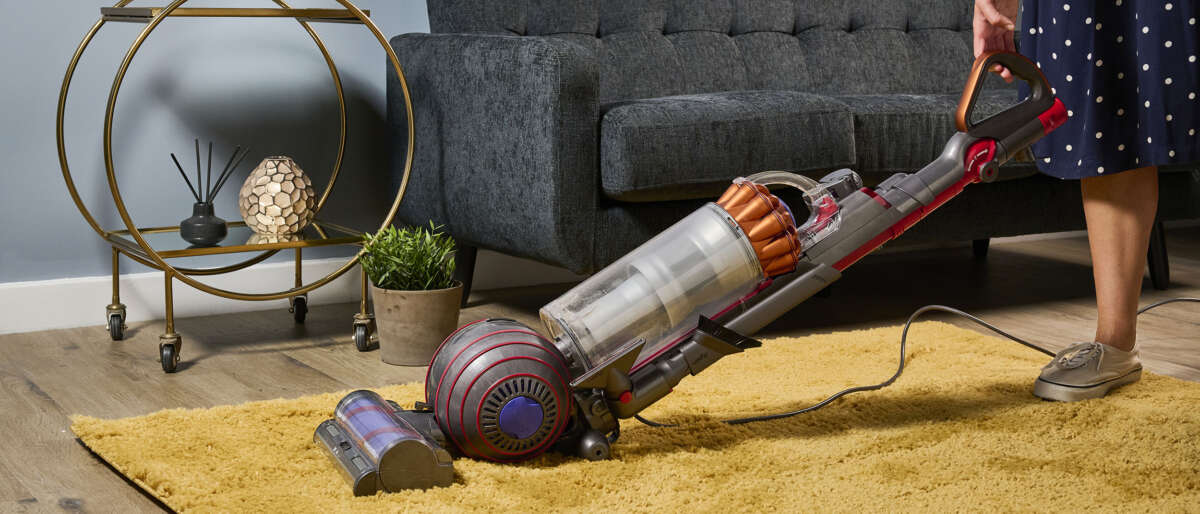
How many watts is a Dyson upright vacuum?
How many watts is a Dyson upright vacuum? Most corded Dyson upright vacuums use about 1,200 to 1,400 watts when connected to a US household outlet.
Older Dyson upright models often list their electrical rating on a label near the base, motor housing, or power cord. Some models show amperage instead of watts. You can estimate wattage with this formula:
Watts = volts × amps
For example, a vacuum rated at 120 volts and 12 amps would use about 1,440 watts at its maximum rated load.
Actual use may be lower than the maximum rating. The motor does not always draw its highest possible power, especially when the vacuum is moving across a smooth floor with open airflow.
A corded upright is convenient for long cleaning sessions because it does not need a battery break. The trade-off is higher electricity use and less freedom around stairs, cars, and rooms without nearby outlets.
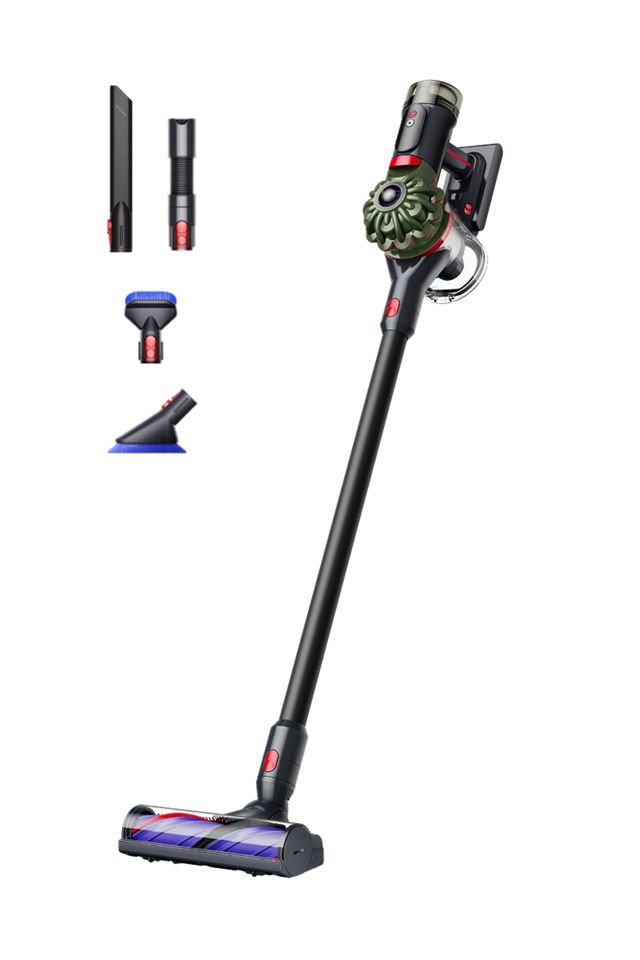
How many watts is a Dyson canister vacuum?
How many watts is a Dyson canister vacuum? Corded Dyson canister models commonly fall within the 1,000 to 1,400-watt range.
Canister vacuums use a separate motor unit connected to a hose and cleaning head. Their power rating may vary based on the motor, filtration system, and market where the vacuum was sold.
Check these locations for the rating:
• The underside of the canister
• The rear or side product label
• The power cord tag
• The owner’s manual
• The official product specification page
A canister vacuum may feel powerful because the hose and cleaning head can direct airflow efficiently. Still, its watt rating alone does not tell you how well it will pick up pet hair, fine dust, or large debris.
How many watts is a Dyson robot vacuum?
How many watts is a Dyson robot vacuum? A Dyson robot vacuum typically uses a small amount of electricity while charging, often around 20 to 50 watts.
Robot vacuums use a low-voltage battery and return to a charging dock when needed. The dock may continue using a small standby amount of electricity after the battery reaches full charge.
Robot vacuum power changes during different tasks:
• Vacuuming uses battery power.
• Mapping may use sensors and cameras.
• Climbing rugs can increase motor demand.
• Returning to the dock uses a small amount of energy.
• Charging uses more power than standby mode.
The exact figure depends on the battery, dock, software, and cleaning mode. If energy use is important to you, measure the dock with a plug-in electricity monitor over a full week.
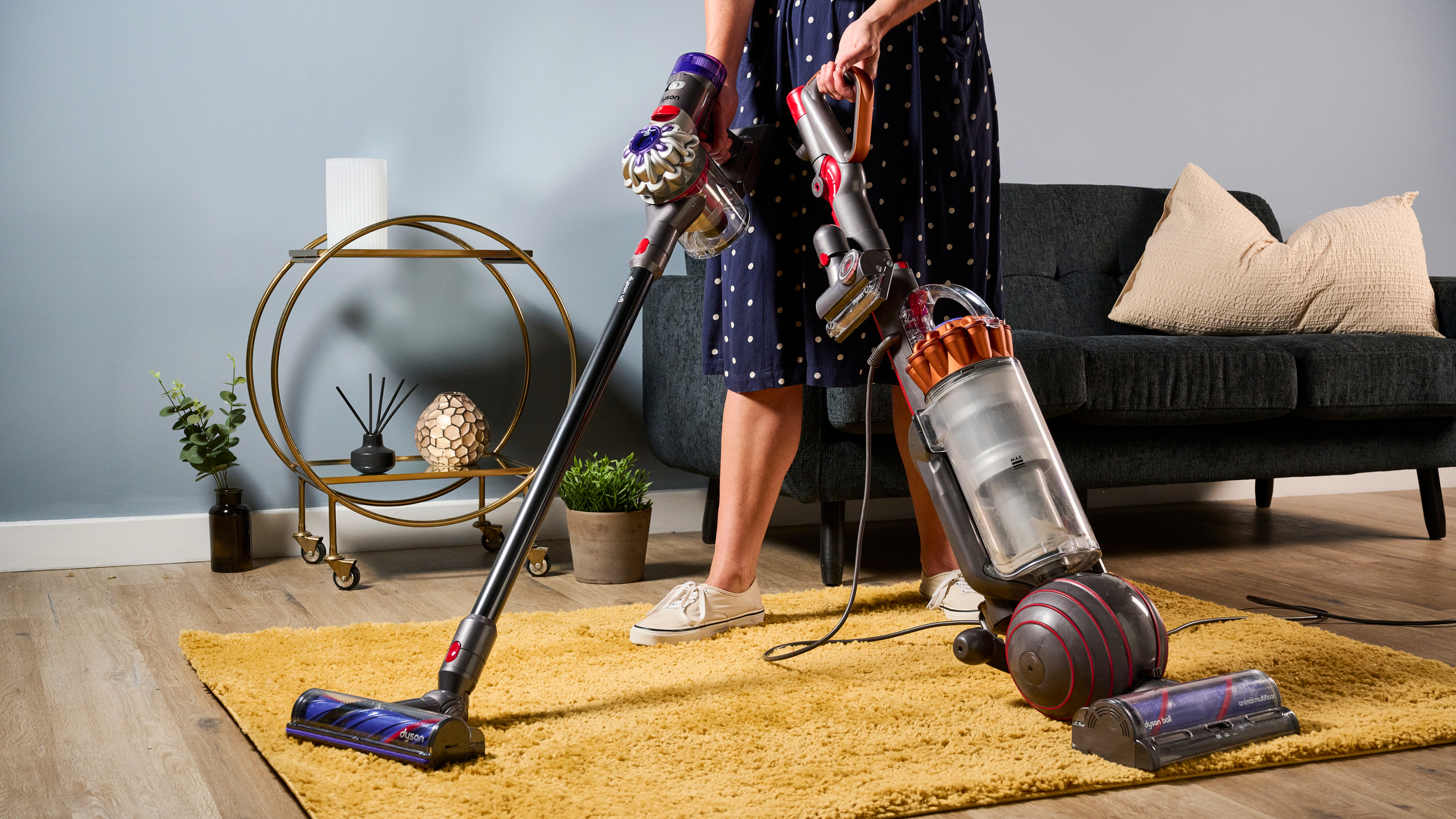
How much electricity does a Dyson vacuum use?
To estimate energy use, convert watts into kilowatts and multiply by operating time.
Use this formula:
Energy used in kilowatt-hours = watts ÷ 1,000 × hours used
For example, a 1,400-watt corded Dyson running for 30 minutes would use:
1.4 × 0.5 = 0.7 kilowatt-hours
If your electricity rate is 17 cents per kilowatt-hour, that session would cost about 12 cents.
A 300-watt cordless Dyson running for 30 minutes would use:
0.3 × 0.5 = 0.15 kilowatt-hours
However, this calculation describes the energy taken from the battery or power source. Charging losses mean the wall outlet may supply slightly more energy than the battery stores.
Your real cost depends on:
• Local electricity prices
• Cleaning time
• Power mode
• Vacuum efficiency
• Battery condition
• How often you clean
For most homes, cleaning time has a greater effect on cost than small differences between similar vacuum models.
Does higher wattage mean stronger Dyson suction?
No. Higher wattage does not always mean stronger suction.
A vacuum needs a well-designed air path. If air leaks around the hose, bin, seals, or floor head, some motor power is wasted. A clean filter and good brush head can improve results without increasing the watt rating.
In practical use, a lower-watt cordless vacuum may clean better than an older high-watt machine on some surfaces. The cordless model may have better seals, a smarter floor head, and stronger airflow control.
When comparing models, review:
• Air-watt information, if available
• Suction modes
• Brush-bar design
• Filtration quality
• Dust-bin capacity
• Battery run time
• Independent cleaning tests
This is one of the most important lessons when comparing how many watts is a Dyson vacuum cleaner. Wattage is useful, but it is only one part of the performance picture.
How to find the exact wattage of your Dyson vacuum
If you want a precise answer for your specific machine, use this simple process.
-
Find the model name and serial number. The serial number is often near the bin, battery, or filter.
-
Check the rating label. Look for words such as watts, W, volts, V, or amps.
-
Inspect the charger if the vacuum is cordless. The charger label may list input and output power.
-
Read the owner’s manual. The technical data section may show the electrical rating.
-
Check the official product page for your country. Ratings can differ between US, UK, and European versions.
-
Use a plug-in power meter for a corded model. This shows real-time electricity use at the outlet.
Do not confuse charger output with the vacuum’s maximum motor draw. A charger may say 30 watts while the vacuum motor uses much more power during Boost mode.
Also, avoid opening the battery or motor housing to measure current. Lithium-ion batteries can be dangerous when damaged or handled incorrectly.
Common mistakes when comparing Dyson wattage
Many buyers make the same few mistakes when they search how many watts is a Dyson vacuum cleaner.
• Comparing corded and cordless models only by watts. These systems measure power in different ways.
• Treating charger watts as motor watts. The charger rating does not show the vacuum’s full cleaning power.
• Assuming more watts equals better suction. Airflow and sealed suction matter too.
• Ignoring the cleaning mode. Boost mode can use several times more battery power than Eco mode.
• Using a figure from another country. Voltage and product ratings may differ by market.
• Forgetting filter care. A blocked filter can reduce airflow and make the vacuum work harder.
A clean machine usually performs better and uses its power more effectively. Washing or replacing filters according to the manual is one of the easiest ways to protect performance.

How to reduce Dyson vacuum energy use
You can lower energy use without giving up clean floors.
• Use Eco mode for routine dust and crumbs.
• Reserve Boost mode for thick rugs, pet hair, and small problem areas.
• Empty the dust bin before it becomes packed.
• Clean filters on the schedule listed in the manual.
• Remove hair from the brush bar.
• Plan your route before cleaning to reduce repeated passes.
• Use the correct floor setting.
• Unplug a corded vacuum after use.
• Keep the charging dock in a cool, dry area.
A practical habit is to use normal power for most rooms and Boost mode only where it adds value. It is similar to using a tap: open it fully when needed, but do not leave it running at full flow all day.
Is a high-watt Dyson vacuum expensive to run?
Usually, no. Even a 1,400-watt vacuum may cost only a few cents per cleaning session because most people use it for a short time.
For instance, using a 1,400-watt vacuum for 30 minutes consumes about 0.7 kilowatt-hours. At 20 cents per kilowatt-hour, that costs about 14 cents.
A cordless model may use less electricity during each cleaning session, but its total energy cost depends on charging losses and how often you use Boost mode. The difference in yearly cost is often smaller than the purchase price difference between models.
If energy savings are your main goal, focus on cleaning time, proper maintenance, and efficient habits. These changes often matter more than choosing between two similar watt ratings.
Frequently Asked Questions About How Many Watts Is a Dyson Vacuum Cleaner
How many watts does a Dyson V15 use?
A Dyson V15 cordless vacuum can draw different amounts of power based on its cleaning mode. Its battery and motor system use much more power in Boost mode than in Eco or Auto mode, so the exact wattage is not constant.
How many watts does a Dyson V8 use?
A Dyson V8 is a cordless model, so its power use changes with the battery state and selected mode. Its motor uses far less wall power than a corded upright, but its charger rating should not be mistaken for the vacuum’s maximum motor draw.
How many watts is a corded Dyson vacuum?
Most corded Dyson vacuums use about 1,200 to 1,400 watts at their maximum rated load. The actual amount can vary during cleaning and depends on the specific model.
Do Dyson vacuums use a lot of electricity?
Dyson vacuums usually do not use a large amount of electricity because cleaning sessions are short. A 1,400-watt vacuum used for 30 minutes consumes about 0.7 kilowatt-hours.
Are air watts the same as regular watts?
No. Regular watts measure electrical power drawn by the vacuum, while air watts describe useful suction performance. The two measurements should not be used as direct substitutes.
Where can I find my Dyson vacuum’s wattage?
Look at the product label, charger, owner’s manual, or official specification page. For a corded vacuum, a plug-in power meter can show how much electricity it uses during real cleaning.
Does Boost mode use more watts?
Yes. Boost mode asks the motor to produce more suction, so it normally uses more battery power than Eco mode. It also reduces the available run time on cordless Dyson vacuums.
Conclusion
How many watts is a Dyson vacuum cleaner? Corded models generally use about 1,200 to 1,400 watts, while cordless models often operate within a much lower battery-powered range. Robot vacuums and chargers use even less power, but the exact figure depends on the model and operating mode.
Remember that watts measure electricity, not cleaning quality. Check the exact label for your Dyson, compare airflow and features, and keep the filters and brush bar clean for the best results.
If you are choosing a new vacuum, use wattage as one useful clue rather than the final decision. Check your model’s official specifications, then share your Dyson model and experience in the comments.

Liora Pennings is a seasoned chef and kitchen enthusiast with a passion for turning everyday cooking into an effortless experience. With years of hands-on culinary expertise, she specializes in practical techniques, ingredient know-how, and smart kitchen solutions that help home cooks elevate their meals. At KitchFlair.com, Liora shares her best tips, time-saving tricks, and honest product reviews to guide readers toward a more efficient, enjoyable, and inspired cooking routine. Whether you’re a beginner or a seasoned home chef, Liora’s friendly, knowledge-packed insights make every visit to the kitchen a little easier—and a lot more delicious.