How Much Does A Good Vacuum Cleaner Cost: Price Guide
A good vacuum cleaner usually costs $150 to $500, while premium models can exceed $1,000.
Knowing how much a good vacuum cleaner costs helps you avoid two common mistakes: paying for features you will not use or buying a cheap machine that fails within a year. The right price depends on your floors, pets, home size, allergies, and how often you clean. This guide breaks down real-world price ranges, running costs, useful features, and smart ways to choose a vacuum that delivers lasting value.
How Much Does a Good Vacuum Cleaner Cost?
For most homes, a good vacuum cleaner costs between $150 and $500. This range includes reliable upright, canister, cordless stick, and robotic models with strong cleaning power, useful tools, and better warranties.
Here is a simple price guide:
| Vacuum type | Typical price | Best for |
|---|---|---|
| Basic upright vacuum | $80–$180 | Small homes and light cleaning |
| Good upright vacuum | $150–$400 | Carpets, rugs, and mixed floors |
| Canister vacuum | $150–$600 | Hard floors, stairs, and detailed cleaning |
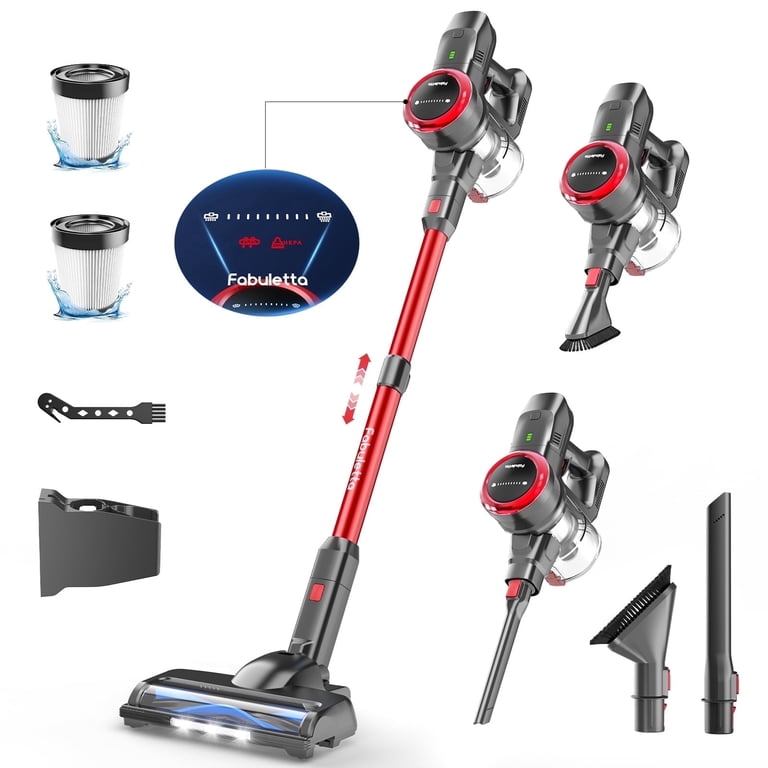
| Cordless stick vacuum | $150–$700 | Fast daily cleaning and apartments |
| Premium cordless vacuum | $500–$1,000+ | Strong convenience and advanced filtration |
| Robot vacuum | $200–$1,500+ | Daily maintenance cleaning |
| Wet-dry vacuum | $100–$500 | Garages, workshops, and hard messes |
| Commercial vacuum | $300–$1,500+ | Heavy use and large spaces |
So, how much does a good vacuum cleaner cost for an average family? A budget of $200 to $350 is often enough for a dependable model that cleans carpets and hard floors well.
Price alone does not prove quality. A $700 vacuum may offer a better battery, quieter operation, or smarter navigation, but it may not clean your home better than a well-designed $250 upright.

What Makes a Vacuum Cleaner “Good”?
A good vacuum cleaner should remove dust, crumbs, hair, and embedded dirt without becoming difficult to use. It should also match your floor type and cleaning habits.
The most important qualities include:
- Strong suction that stays steady during use
- A brush roll that suits carpets and hard floors
- Sealed filtration to reduce dust leakage
- Easy movement around furniture
- A comfortable handle and useful weight
- A hose, wand, or tools for stairs and tight spaces
- Durable parts that are easy to replace
- A clear warranty and helpful customer support
A vacuum does not need every modern feature to be good. For example, a basic upright with a sealed system may be a better choice for allergy control than a stylish cordless model with a weak filter.
When considering how much does a good vacuum cleaner cost, think of the machine as a cleaning tool rather than a technology product. A screen, app, or voice assistant can be useful, but cleaning performance should come first.
Suction power is not the whole story
Manufacturers may list air watts, watts, or other measurements. These numbers can help, but they do not tell the full story. Airflow, nozzle design, brush action, filtration, and the seal around the cleaner all affect real performance.
A vacuum with excellent airflow and a well-designed floor head can outperform a machine with a higher advertised motor number.
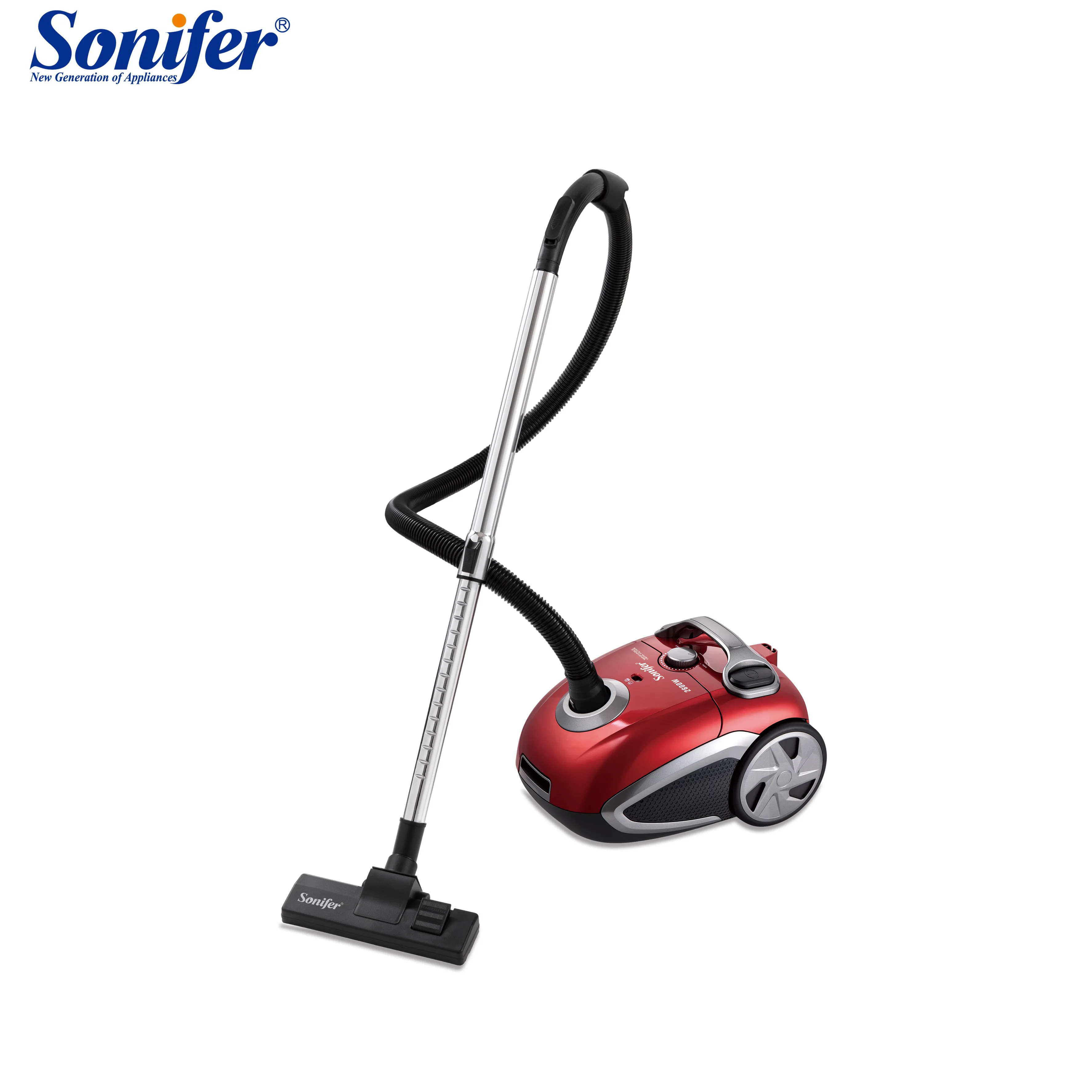
Vacuum Cleaner Prices by Type
Different vacuum designs solve different problems. The best value depends on what you clean most often.
Upright vacuums
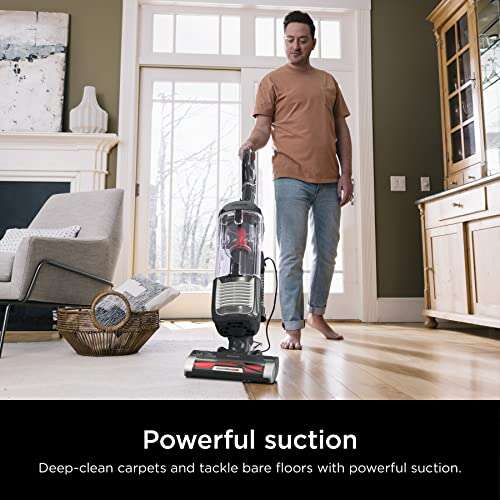
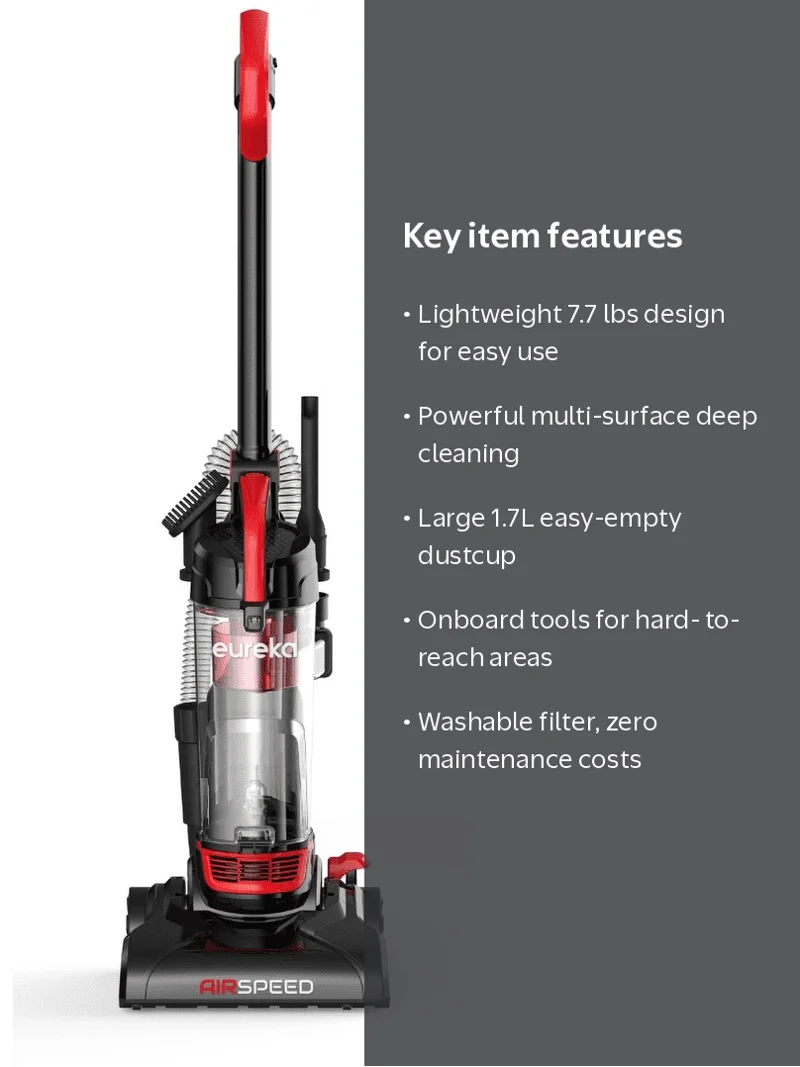
A good upright vacuum usually costs $150 to $400. Uprights are strong choices for homes with wall-to-wall carpet, pets, or large floor areas.
They often include a powered brush roll, wide cleaning head, adjustable height, and a large dirt container. They are less convenient on stairs, but many include a hose and attachments.
A budget upright can work well in a small home. A mid-range model is often worth the extra cost if you have thick carpet, shedding pets, or frequent messes.
Canister vacuums
Canister vacuums commonly cost $150 to $600. They are especially useful for hard floors, stairs, furniture, and homes with many delicate surfaces.
The main body rolls behind you while a hose and wand reach into corners. This design can feel more flexible than an upright, though storing the hose and canister may take more space.
A canister vacuum is often a smart investment for homes with wood, tile, laminate, and area rugs.
Cordless stick vacuums
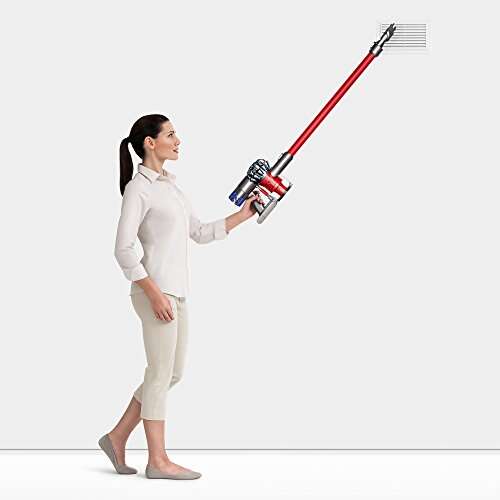
Cordless stick vacuums cost about $150 to $700, with premium models reaching $1,000 or more. They are light, quick, and easy to store.
Their main limits are battery life, small dust bins, and reduced cleaning time on high power. A cordless model may be perfect for daily crumbs but less suitable as the only vacuum in a large home with thick carpet.
Before buying, check the battery runtime in the mode you will actually use. “Up to 60 minutes” may refer to low power without a motorized floor head.
Robot vacuums
Robot vacuums start near $200 and can exceed $1,500. Basic models handle scheduled floor cleaning, while advanced units may map rooms, avoid objects, empty their own bins, and mop.
A robot vacuum is best viewed as a maintenance cleaner. It can reduce daily dust and crumbs, but it may not replace a full-size vacuum for stairs, upholstery, corners, or deep carpet cleaning.
How much does a good vacuum cleaner cost if you want a robot? A practical budget is $300 to $800 for useful mapping and reliable cleaning without paying for every premium feature.
Wet-dry vacuums
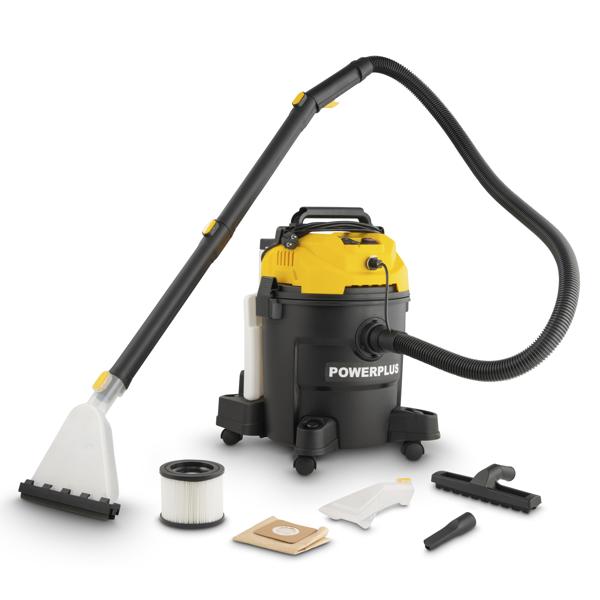
Wet-dry vacuums cost around $100 to $500. They are useful in garages, workshops, basements, and homes where large spills or heavy debris are common.
They are not always the best choice for routine carpet care. Some models are loud and bulky, and their filters require careful maintenance.
How Much Should You Spend on a Vacuum Cleaner?
Your ideal budget should reflect your home, not a fixed price label.
Spend $75 to $150 for basic cleaning
This range can work for:
- Small apartments
- Mostly hard floors
- Light dust and crumbs
- Infrequent cleaning
- Guest rooms or backup use
Expect fewer attachments, simpler filters, and more plastic parts. Check return policies carefully because low-cost models can vary widely in durability.
Spend $150 to $350 for the best value
This is the most useful range for many households. You can find strong upright, canister, and cordless options with better floor heads, sealed filtration, and longer warranties.
If you are unsure how much does a good vacuum cleaner cost, start here. A well-chosen model in this range often provides the best balance of performance, comfort, repairability, and price.
Spend $350 to $700 for premium convenience
This range may offer:
- Longer battery life
- Better carpet agitation
- More advanced filtration
- Quieter motors
- Improved maneuverability
- Smart mapping
- Automatic dirt disposal
The extra cost makes sense when it solves a real problem. For example, a self-emptying robot can be valuable for a busy household, while a premium cordless model can help someone who avoids cleaning because a heavy vacuum is hard to use.
Spend more than $700 for specialized needs
A price above $700 can be reasonable for large homes, severe pet hair, high-end filtration, commercial use, or advanced robotic features. However, the benefits become less noticeable for a small home with mostly hard floors.
A costly vacuum is not automatically a better vacuum. Look for measurable improvements that matter in your home.

Factors That Affect Vacuum Cleaner Cost
Several features can raise the price. Some are useful, while others are mostly about convenience or design.
Filtration and allergy control
A sealed filtration system helps prevent collected dust from escaping through gaps in the vacuum body. Many models use high-efficiency filters, and some advertise HEPA filtration.
A filter labeled HEPA generally captures at least 99.97% of particles measuring 0.3 microns under defined test conditions. Real-world performance also depends on the vacuum’s seals and how well you maintain it.
If someone in your home has allergies, focus on a sealed system, washable or replaceable filters, and a low-dust emptying process.
Pet hair performance
Pet owners often need more than strong suction. Look for:
- A powered brush roll
- Anti-tangle design
- A mini motorized tool
- Easy brush-roll access
- A sealed dust system
- A large enough dirt container
Pet-focused models often cost $200 to $700. The right brush design may matter more than paying for a larger motor.
Battery quality
Cordless models cost more because batteries, charging systems, and compact motors add expense. Battery replacement can also affect long-term value.
Check whether the battery is removable. A removable battery lets you extend the useful life of the vacuum instead of replacing the entire machine when capacity declines.
Smart features
Robot vacuums may include room mapping, no-go zones, obstacle detection, app controls, and automatic emptying. These features can save time, but they also add more parts that may need repair.
Ask whether the feature removes work from your routine. If it does not, it may not justify the extra cost.
Hidden Costs of Owning a Vacuum Cleaner
The purchase price is only part of the total cost. A vacuum may also need bags, filters, belts, batteries, brush rolls, and repairs.
Typical ongoing expenses may include:
- Replacement bags: $10–$40 per year
- Filters: $10–$50 per year
- Belts: $5–$20 each
- Brush rolls: $20–$100
- Replacement batteries: $80–$250
- Professional repairs: $50–$200 or more
Bagged vacuums require regular bag purchases but can offer clean, simple disposal. Bagless vacuums avoid bags but need more frequent filter cleaning and can release dust during emptying.
When calculating how much does a good vacuum cleaner cost, estimate ownership over five years. A $250 vacuum with easy-to-find parts may cost less than a $150 model that needs early replacement.
Warranty length matters, too. A one-year warranty is common, while some brands offer longer coverage on the motor or selected parts. Read the warranty terms because batteries, filters, and normal wear may be excluded.

How to Choose the Right Vacuum for Your Home
Use your home’s actual cleaning needs as your checklist.
-
Identify your main floor types. Carpet may need a powered brush roll, while hard floors need gentle control and soft bristles.
-
Count your cleaning challenges. Pet hair, stairs, fine dust, large crumbs, and long hair each require different tools.
-
Measure your space. A large home may need a long cord, a large bin, or a second battery.
-
Consider your physical comfort. A lighter vacuum may be more useful than a stronger one if it is easy to carry and steer.
-
Check maintenance needs. Look for washable filters, accessible brush rolls, and replacement parts.
-
Compare independent reviews. Pay attention to carpet cleaning, edge cleaning, noise, battery life, and long-term reliability.
-
Confirm the return policy. A vacuum can look perfect online but feel awkward in your home.
A useful rule is to buy for your hardest regular task, not your easiest one. If you have thick carpet and two dogs, a small stick vacuum may be convenient but should not be your only cleaner.
Common Vacuum Buying Mistakes to Avoid
Many buyers focus on the wrong details. Avoid these mistakes before you spend your money.
Choosing the cheapest model
A very cheap vacuum may seem like a bargain, but weak suction, poor seals, and unavailable parts can make it expensive over time.
Buying only by brand name
A respected brand can still sell models with different strengths and weaknesses. Compare the exact model, not just the logo.
Ignoring the floor head
The cleaning head touches the floor, so its design has a major effect on results. Check whether it adjusts between carpet and hard floors.
Trusting advertised battery time
Runtime often changes based on power level and attachments. Look for tested runtime with the motorized floor head attached.
Overlooking noise
A loud vacuum may discourage frequent cleaning. If possible, check the published decibel rating or read reviews that discuss sound in real homes.
Forgetting storage
A vacuum that cannot fit in your closet may become a daily annoyance. Measure the storage space before choosing a tall upright or robot dock.
Assuming expensive means durable
Premium pricing can reflect design, accessories, smart features, or marketing. Inspect the warranty and replacement-part supply before assuming the machine will last longer.
Ways to Get a Good Vacuum for Less
You do not always need to pay full retail price. A few careful strategies can reduce the cost.
- Shop during major sale periods, but compare the normal price first.
- Consider last year’s model when the motor and floor head are similar.
- Buy manufacturer-refurbished products with a clear warranty.
- Compare included tools because extra attachments can add real value.
- Use price alerts instead of rushing after seeing a short sale.
- Read return and restocking policies before ordering.
- Avoid paying for accessories you will rarely use.
- Check whether filters, bags, and batteries are easy to find.
A sale price can make a $300 vacuum an excellent buy at $220. Still, a discount does not fix a poor design. Research the model first, then wait for a fair price.
Are Expensive Vacuums Worth the Money?
An expensive vacuum is worth the money when it saves time, cleans better, lasts longer, or solves a specific problem.
For example, a premium cordless vacuum may be worthwhile for someone who cleans small messes many times each day. A robot vacuum with automatic emptying may be valuable for a busy family. A sealed canister may be a wise choice for someone who is sensitive to dust.
The extra cost may not be worthwhile if you have a small apartment, mostly hard floors, and simple cleaning needs. In that case, a reliable $150 to $250 vacuum may do everything you need.
The best value comes from matching features to daily life. Think of the vacuum as a pair of shoes: the most expensive pair is not always the best fit.
How Long Should a Good Vacuum Cleaner Last?
A good vacuum cleaner may last about five to ten years with proper care, although lifespan varies by design, use, maintenance, and repair access. Cordless batteries may need replacement sooner than the main vacuum body.
Upright and canister vacuums often have longer service lives because their motors and parts can be easier to replace. Robot and cordless models contain more electronics, sensors, and batteries, which can raise repair costs.
To extend the life of your vacuum:
- Empty the bin before it becomes packed
- Wash or replace filters as directed
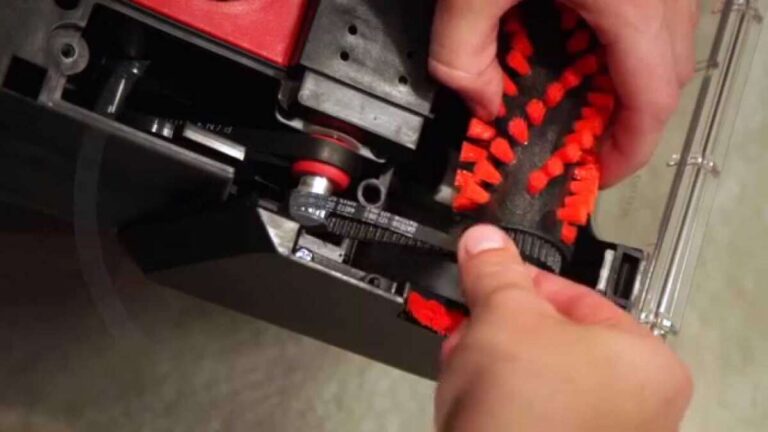
- Remove hair from the brush roll
- Check for clogs in the hose and wand
- Do not vacuum liquids unless the model is designed for them
- Replace worn belts and damaged parts
- Store the vacuum in a dry place
Maintenance is not exciting, but it is cheaper than replacement. A few minutes of care can keep suction steady and protect the motor.
Frequently Asked Questions About How Much Does a Good Vacuum Cleaner Cost
Is $200 enough for a good vacuum cleaner?
Yes, $200 is enough for a good basic upright, canister, or cordless vacuum. At this price, compare floor-head design, filtration, warranty coverage, and replacement-part availability.
How much does a good vacuum cleaner cost for pet hair?
A good pet vacuum usually costs $200 to $700. Look for a powered brush roll, anti-tangle features, sealed filtration, and tools for furniture and stairs.
Are cordless vacuums worth the higher price?
Cordless vacuums are worth the price when convenience and quick cleaning matter most. They may not replace a full-size vacuum for large homes, thick carpet, or long cleaning sessions.
How much should I spend on a robot vacuum?
A practical budget for a capable robot vacuum is $300 to $800. Models above that range may add better navigation, mopping, obstacle avoidance, or automatic dirt disposal.
Is a bagged or bagless vacuum cheaper?
Bagless vacuums usually cost less to operate because they do not need replacement bags. Bagged models can be cleaner and simpler for people who want less dust during emptying.
What is the best vacuum price range for most homes?
The $150 to $350 range offers strong value for many households. It includes dependable models with useful tools, good cleaning ability, and better build quality than entry-level machines.
How often should I replace my vacuum cleaner?
Replace a vacuum when it cannot maintain suction, needs frequent repairs, or no longer meets your cleaning needs. With regular maintenance, a quality model can often last five to ten years.
Conclusion
So, how much does a good vacuum cleaner cost? For most people, the answer is $150 to $500, with the $200 to $350 range offering an excellent balance of cleaning power, comfort, features, and durability.
Choose based on your floors, pets, allergies, home size, and cleaning routine. Compare total ownership costs, check the warranty, and avoid paying for features that do not solve a real problem. Once you know what your home needs, you can find a vacuum that works hard without draining your budget. Explore trusted models, compare current prices, and share your experience with the vacuum that works best for you.

Liora Pennings is a seasoned chef and kitchen enthusiast with a passion for turning everyday cooking into an effortless experience. With years of hands-on culinary expertise, she specializes in practical techniques, ingredient know-how, and smart kitchen solutions that help home cooks elevate their meals. At KitchFlair.com, Liora shares her best tips, time-saving tricks, and honest product reviews to guide readers toward a more efficient, enjoyable, and inspired cooking routine. Whether you’re a beginner or a seasoned home chef, Liora’s friendly, knowledge-packed insights make every visit to the kitchen a little easier—and a lot more delicious.