How To Make Drip Coffee: Easy Step-By-Step Guide
Use medium grind, 1:16 ratio, hot water 195–205°F, and a steady pour.
I’ve brewed thousands of cups and taught baristas how to make drip coffee that tastes balanced and clean. This guide breaks the process into clear steps, explains gear, solves common problems, and gives real tips from hands-on experience. Read on to learn how to make drip coffee that you’ll enjoy every morning.

Why choose drip coffee?
Drip coffee is simple, repeatable, and highlights a coffee’s clean flavors. It extracts evenly when you control grind, dose, and flow. For daily brewing, learning how to make drip coffee pays off with consistent cups and fewer surprises. Drip brewing scales well from single servings to multiple cups, making it versatile for home and small office use.
Equipment you need to make great drip coffee
Start with reliable tools. The right gear makes it easier to control variables and repeat your best results.
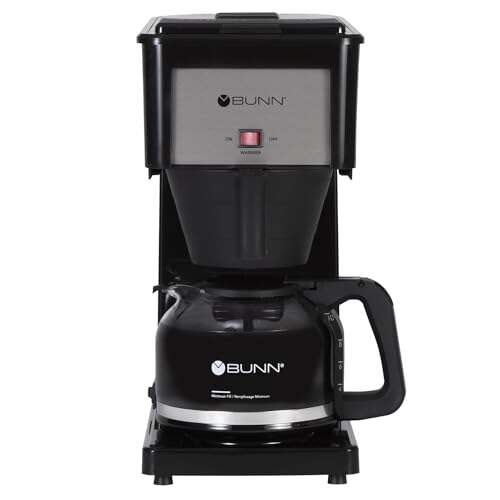
- Drip brewer or pour-over cone with filter. Paper or reusable filters both work.
- Burr grinder for consistent medium grind size. Avoid blade grinders.
- Digital scale accurate to 0.1 grams. Measure coffee and water.
- Kettle with a steady pour spout or gooseneck kettle for pour-over control.
- Timer to track brew time.
- Fresh coffee beans roasted within the past 3–4 weeks for best flavor.
A simple setup like a cone, paper filter, burr grinder, and scale is enough to master how to make drip coffee. Upgrading gear helps, but technique matters most.

Step-by-step guide: how to make drip coffee
Follow these steps every time for consistent results.
- Heat water to 195–205°F (90–96°C).
- Weigh coffee. Use a 1:16 coffee-to-water ratio as a starting point (for example, 20 g coffee to 320 g water).
- Grind to a medium texture, similar to coarse sand.
- Place filter in the cone and rinse it with hot water to remove paper taste and preheat the brewer.
- Add ground coffee to the filter and level the bed by giving the cone a gentle shake.
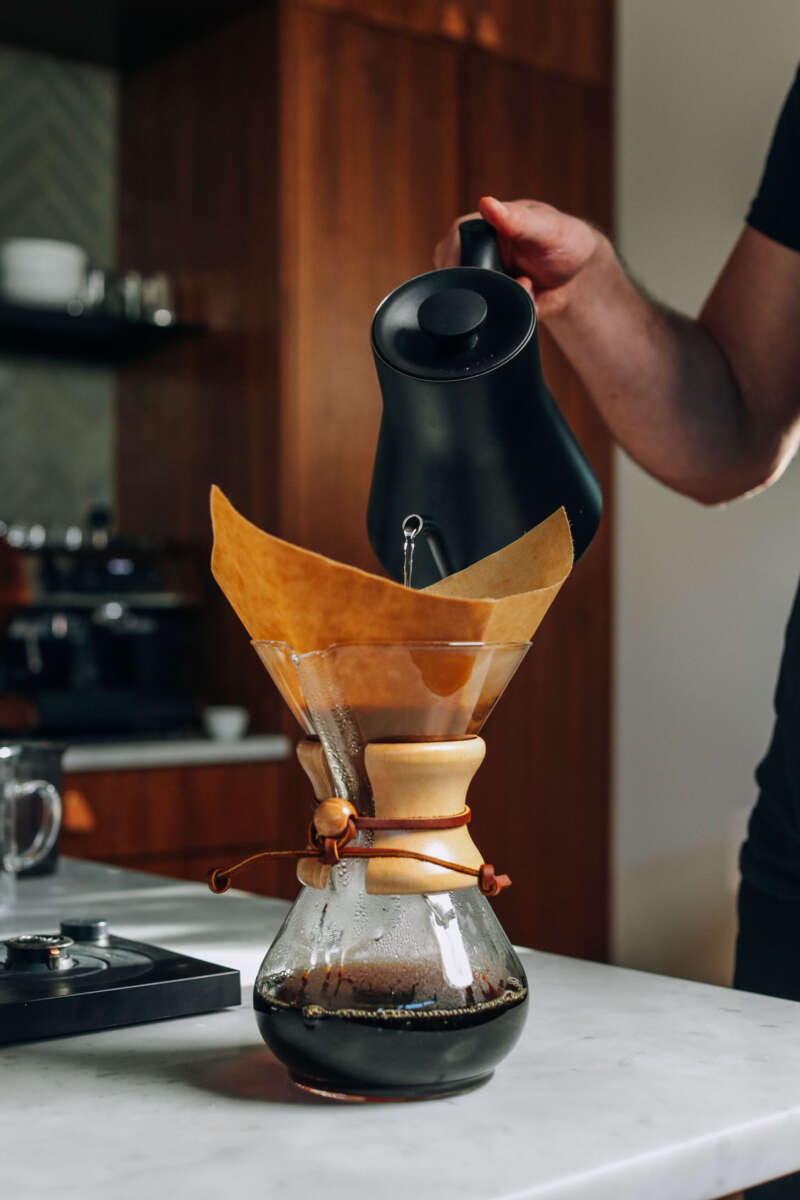
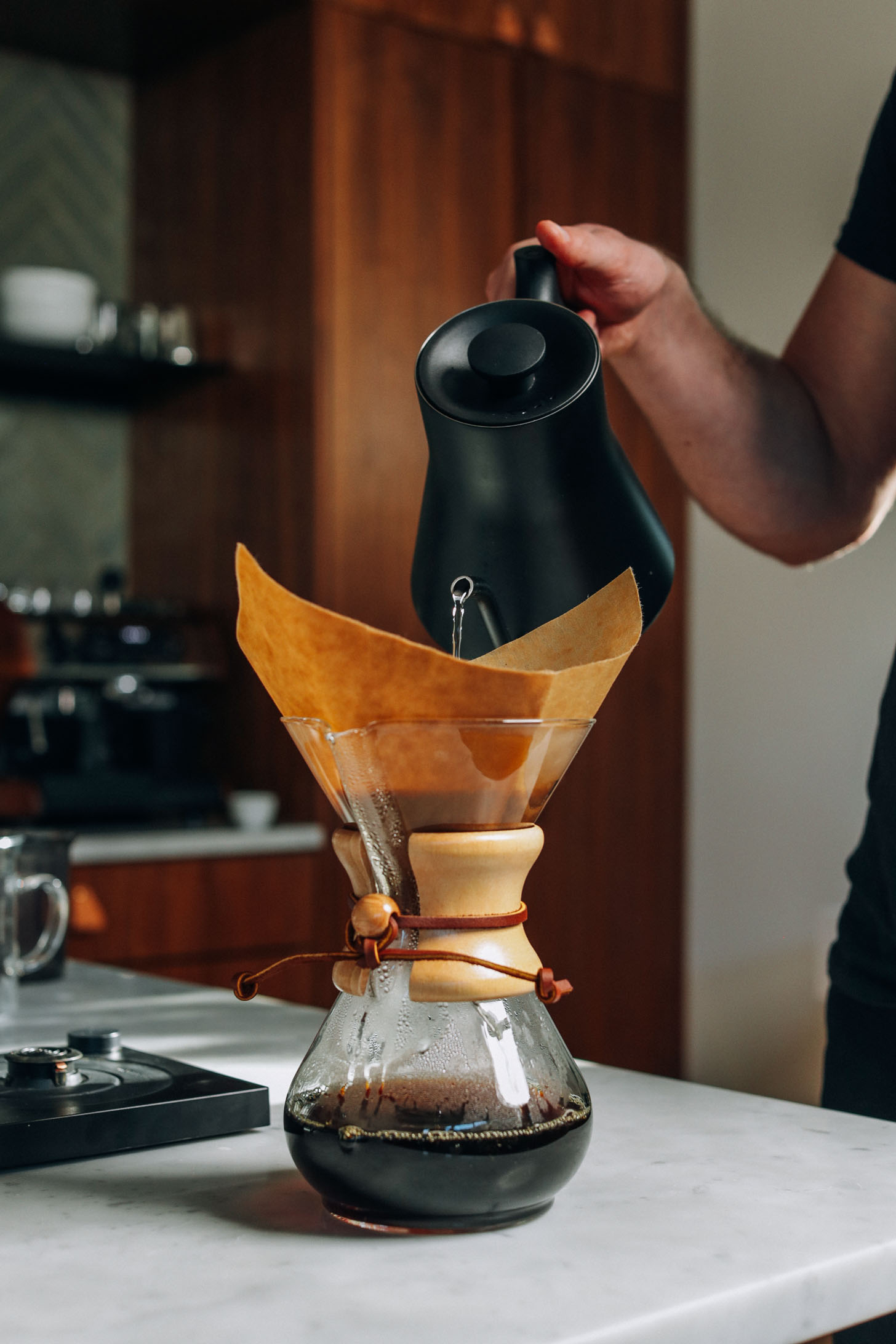
- Start the timer and bloom: pour 40–60 g water over the grounds to saturate them, then wait 30–45 seconds.
- Continue pouring slowly in concentric circles until you reach the target water weight.
- Allow the brew to drain completely. Total brew time should be 3.5–4.5 minutes for most pour-over setups.
- Remove the filter, give the coffee a gentle swirl, and serve.
Practice this sequence to build muscle memory for how to make drip coffee. Small changes in grind and pour speed will change taste, so tweak one thing at a time.
:max_bytes(150000):strip_icc()/How-to-Make-A-Really-Good-Cup-of-Drip-Coffee-FT-BLOG0923-6f3e7092beb04f5bbff824590b9e053e.jpg)
Grind size, ratio, and water temperature explained
These three factors determine extraction and flavor.
- Grind size affects flow. Too fine makes over-extracted, bitter coffee. Too coarse makes under-extracted, weak coffee.
- Ratio determines strength. A 1:16 ratio is balanced. Try 1:15 for a bolder cup or 1:17 for a lighter one.
- Water temperature controls extraction speed. 195–205°F extracts evenly. If coffee tastes sour, raise temperature slightly; if bitter, lower it.
From experience, consistent grind and accurate weighing are the fastest path to repeatable results when learning how to make drip coffee. If you’re experimenting, change only one variable per brew.
Common mistakes and how to avoid them
Knowing common errors helps you improve faster.
- Using pre-ground coffee that’s old. Grind fresh within minutes of brewing for more aroma.
- Inconsistent grind size. Use a burr grinder and clean it often.
- Wrong water temperature. Boiling water cools slightly; let it rest 30 seconds after boiling.
- Poor pour technique. Practice slow, steady pours or use a gooseneck kettle.
- Ignoring equipment cleanliness. Old oils and residues spoil flavor.
I once brewed a whole batch tasting flat until I realized the scale had switched to ounces. Small oversights change results. Double-check settings and follow the steps to master how to make drip coffee.

Flavor tweaks and variations
Adjust these to match your taste.
- Strength: tweak the coffee-to-water ratio. More coffee for more body.
- Acidity: lower brew temperature or use a coarser grind to reduce bright acidity.
- Body: longer contact time or a finer grind increases body but watch for bitterness.
- Brew size: scale the ratio linearly when making multiple cups.
- Filters: metal filters add body and oils; paper filters yield clarity and cleaner cups.
Try the adjustments one at a time. When I experimented systematically, I found that changing grind size by a single step gave the biggest taste shift.

Troubleshooting quick guide
If your coffee is sour:
- Grind finer or raise water temperature.
If your coffee is bitter: - Grind coarser, reduce brew time, or lower temperature.
If extraction is uneven: - Check grind consistency and improve pouring technique.
If coffee lacks aroma: - Use fresher beans and grind immediately before brewing.
These small checks will fix most problems and help you refine how to make drip coffee.

Frequently Asked Questions of how to make drip coffee
What grind size is best for drip coffee?
Use a medium grind similar to coarse sand. Adjust one step finer or coarser based on taste and brew time.
How much coffee per cup should I use?
A good starting point is a 1:16 ratio, for example 20 g coffee to 320 g water. Adjust to taste for stronger or milder cups.
Should I rinse paper filters before brewing?
Yes. Rinsing removes paper taste and preheats the brewer, improving flavor and temperature stability.
What water temperature is ideal for drip coffee?
Aim for 195–205°F (90–96°C). Let boiling water rest 30 seconds before pouring if you don’t have a thermometer.
How long should the brew take for pour-over drip coffee?
Total brew time should be about 3.5–4.5 minutes for most pour-over methods. If it’s much faster or slower, adjust grind size.
Can I use a metal filter instead of paper?
Yes. Metal filters let more oils through and increase body, while paper filters produce a cleaner cup. Choose by preference.
How soon should I drink brewed drip coffee?
Drink within 30 minutes for peak aroma and flavor. Reheating long-brewed coffee can degrade taste.
What causes bitter taste in drip coffee?
Over-extraction from too fine a grind, too hot water, or too long contact time usually causes bitterness. Adjust one factor at a time.
Is filtered water necessary for good drip coffee?
Filtered water often improves taste by removing chlorine and off-flavors. Hardness affects extraction, so balanced water is best.
How often should I clean my grinder and brewer?
Clean the grinder and brewer weekly for regular home use, and inspect for oils and residue that can taint flavor.
Conclusion
Mastering how to make drip coffee means learning a few simple controls: grind, ratio, temperature, and pour. Start with the 1:16 ratio, medium grind, and a steady pour, then tweak one variable at a time. Put these steps into practice, taste intentionally, and your daily cup will keep getting better. Try today’s recipe, leave a note about your results, and subscribe for more practical brewing tips.
Liora Pennings is a seasoned chef and kitchen enthusiast with a passion for turning everyday cooking into an effortless experience. With years of hands-on culinary expertise, she specializes in practical techniques, ingredient know-how, and smart kitchen solutions that help home cooks elevate their meals. At KitchFlair.com, Liora shares her best tips, time-saving tricks, and honest product reviews to guide readers toward a more efficient, enjoyable, and inspired cooking routine. Whether you’re a beginner or a seasoned home chef, Liora’s friendly, knowledge-packed insights make every visit to the kitchen a little easier—and a lot more delicious.