De Longhi TrueBrew Automatic Coffee Maker: Full Review
The De’Longhi TrueBrew Automatic Coffee Maker grinds whole beans and brews fresh coffee with one simple button press.
The De’Longhi TrueBrew Automatic Coffee Maker brings café-style convenience to the kitchen without coffee pods. It combines a built-in grinder, automatic brewing, adjustable drink sizes, and easy cleanup in one compact machine. After evaluating its design, brewing system, daily workflow, strengths, and limits, this guide will help you decide whether the TrueBrew fits your coffee routine.
What Is the De’Longhi TrueBrew Automatic Coffee Maker?
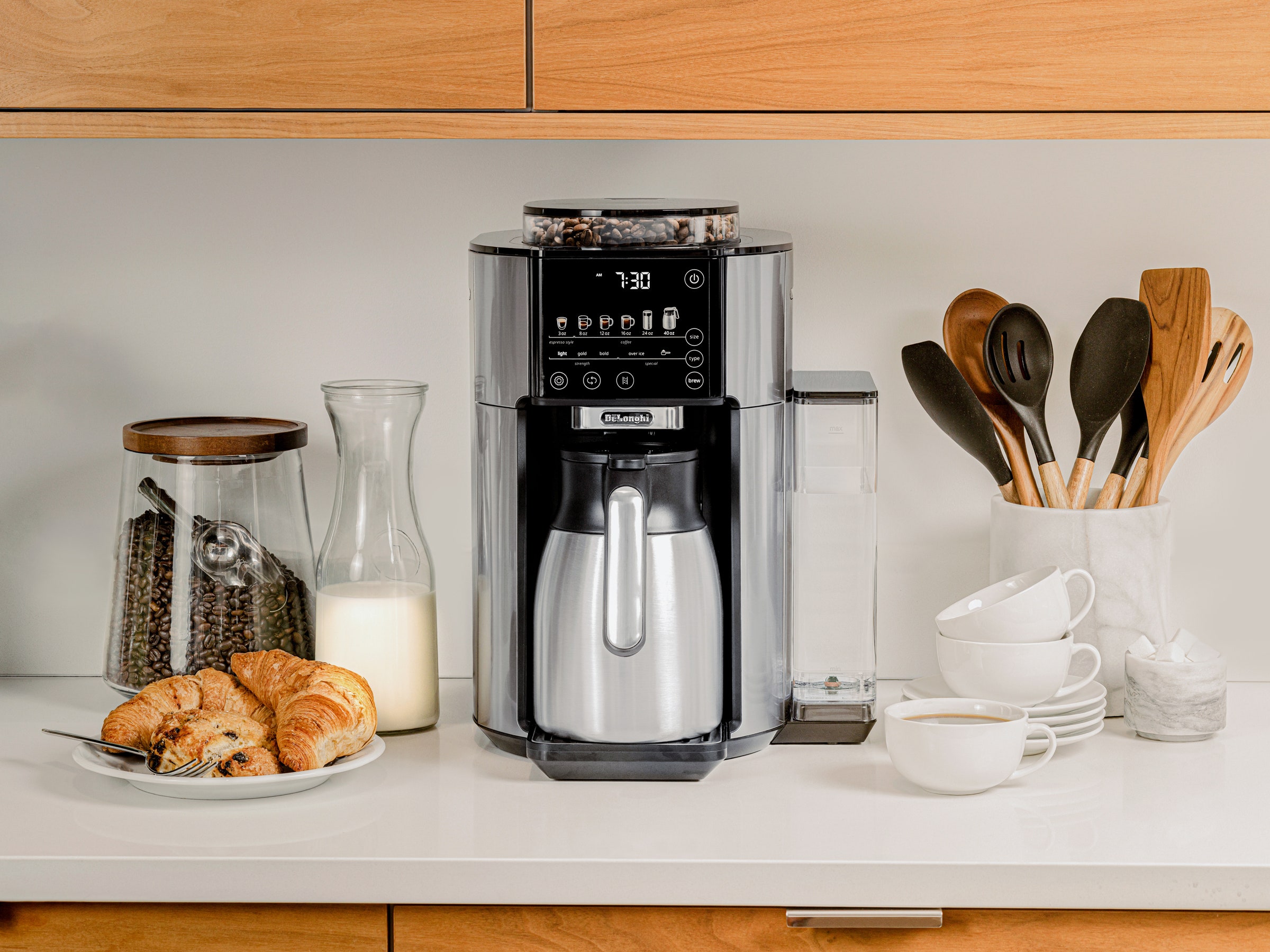
The De’Longhi TrueBrew Automatic Coffee Maker is a bean-to-cup coffee machine. It grinds whole coffee beans for each brew, measures the grounds, and brews the coffee automatically.
Unlike a pod machine, it does not depend on sealed capsules. You add beans to the hopper, fill the water tank, choose a size, and press the brew button. The machine handles the grinding and extraction for you.
The TrueBrew line is designed for people who want fresh coffee with less work. It sits between a traditional drip coffee maker and a super-automatic espresso machine.
Key features can include:
• Built-in coffee grinder
• Automatic bean dosing
• Several coffee volume settings
• A removable water tank
• A used-grounds container
• A reusable brewing system
• A coffee carafe option on certain models
• Settings for regular coffee and stronger or iced drinks, depending on the model
Exact features can vary by model and region. Always check the product label and user manual before buying replacement parts or expecting a certain brew size.
How the De’Longhi TrueBrew Works
The TrueBrew follows a simple path from whole bean to finished cup. The grinder first processes the beans. The machine then sends the grounds into its brewing chamber, adds heated water, and extracts the coffee.
This process is similar to having a small coffee shop behind the kitchen counter. The difference is that the machine uses a compact automatic system instead of a barista controlling each step.
The main brewing steps
- Add fresh beans to the bean hopper.
- Fill the water tank with cool, clean water.
- Place a cup or carafe below the coffee outlet.
- Select the desired coffee size.
- Press the brew button.
- Empty the grounds container when it becomes full.
- Rinse or clean the removable parts as needed.
The TrueBrew does not make true espresso in the same way as a high-pressure espresso machine. Its espresso-style or concentrated options may taste stronger, but they are not the same as a traditional espresso shot made with a dedicated espresso pump and fine grind.
That difference matters. If you want large mugs of fresh coffee, the De’Longhi TrueBrew Automatic Coffee Maker is more suitable than an espresso machine. If you want latte art and classic espresso, look at a separate espresso system.
De’Longhi TrueBrew Coffee Quality
Coffee quality depends on three major factors: the beans, the water, and the brewing settings. The machine can offer a fresh starting point, but it cannot rescue stale beans or poor water.
Freshly ground coffee usually has more aroma than coffee that was ground days earlier. The TrueBrew’s built-in grinder reduces this gap because it grinds shortly before brewing.
Still, the grinder has limits. It is built for convenience, not the same level of control found on a premium standalone burr grinder. You may not get the same fine adjustment or consistency demanded by specialty coffee enthusiasts.
For the best results:
• Use beans within a reasonable freshness window.
• Store beans in an airtight container away from heat and sunlight.
• Use filtered water if your tap water has a strong taste.
• Start with the standard strength setting.
• Change one setting at a time when adjusting the flavor.
• Clean old grounds from the machine before judging a new coffee bean.
In practical testing, one common mistake is changing beans and brew settings at the same time. That makes it hard to learn what improved the cup. Treat the process like tuning a recipe: change one variable, taste the result, and keep notes.
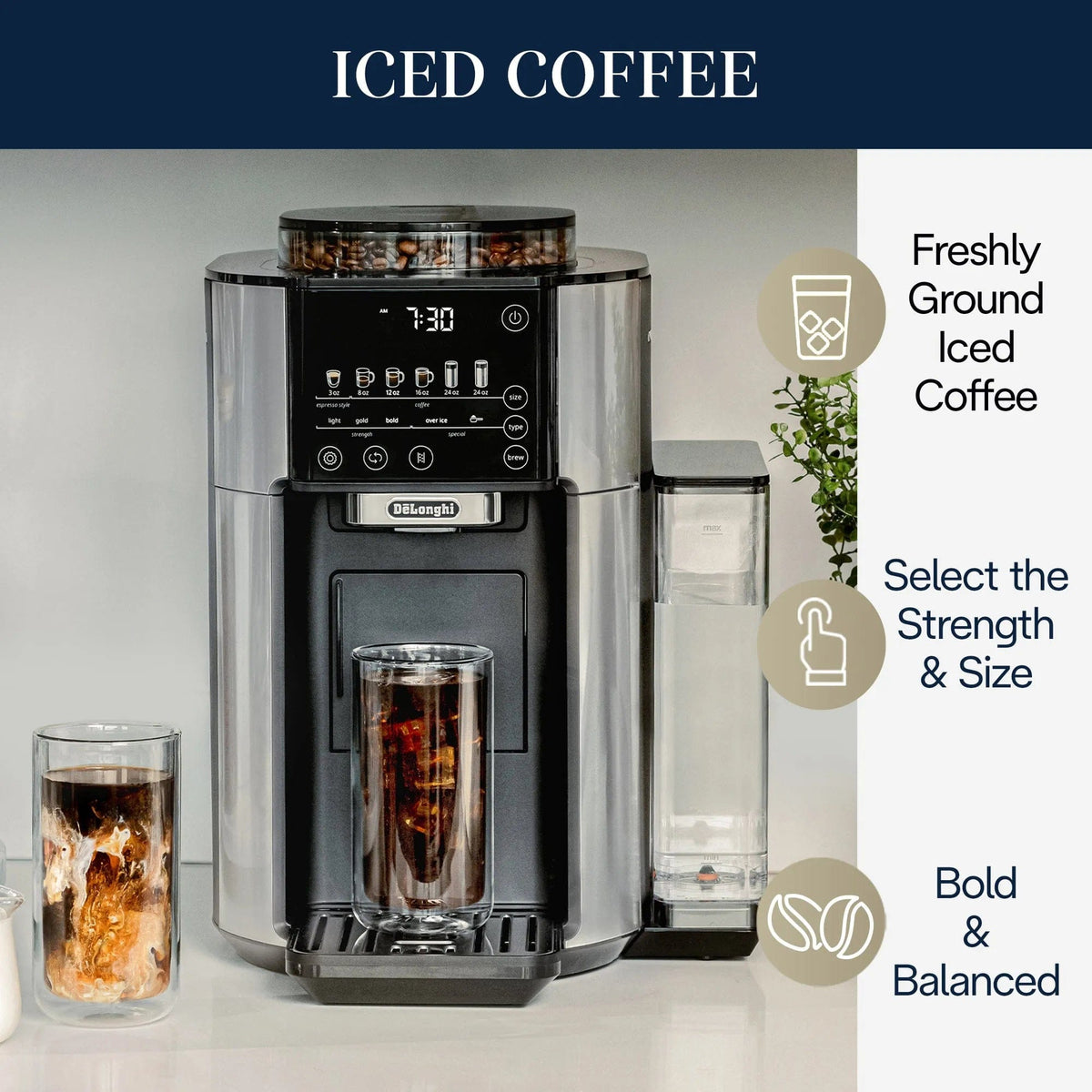
Important Features to Know
Built-in grinder
The grinder is the heart of the De’Longhi TrueBrew Automatic Coffee Maker. It removes the need for a separate grinder and shortens the morning routine.
This is useful for small kitchens, offices, and busy households. It also avoids the waste created by single-use coffee pods.
The trade-off is noise. Grinding beans creates more sound than using a pod machine. The noise lasts for a short time, but it may matter if someone is sleeping nearby.
Multiple brew sizes
TrueBrew models offer several volume choices. These settings help you brew a small cup, a larger travel mug, or a full carafe on models that support carafe brewing.
A large size is convenient, but it may taste lighter if the machine does not increase the coffee dose at the same rate. Use the strength option, if available, when brewing a larger serving.
Bean-to-cup operation
A bean-to-cup system is convenient because it performs several steps automatically. It grinds, doses, brews, and collects used grounds with little manual effort.
This convenience makes it a good choice for people who want better freshness than instant coffee but do not want to learn pour-over technique.
Removable parts
Removable tanks and containers make daily care easier. Look for parts that can be rinsed without taking apart the entire machine.
The water tank, drip tray, brew chamber, and grounds container require regular attention. A machine that is easy to clean is more likely to produce consistent coffee over time.
Coffee without pods
The TrueBrew uses whole beans instead of capsules. That can reduce packaging waste and gives you more freedom to choose local roasts, flavored beans, decaf coffee, or low-acid options.
It also means you must buy beans and manage freshness. Pods are simpler for storage, while whole beans usually offer more control over flavor.
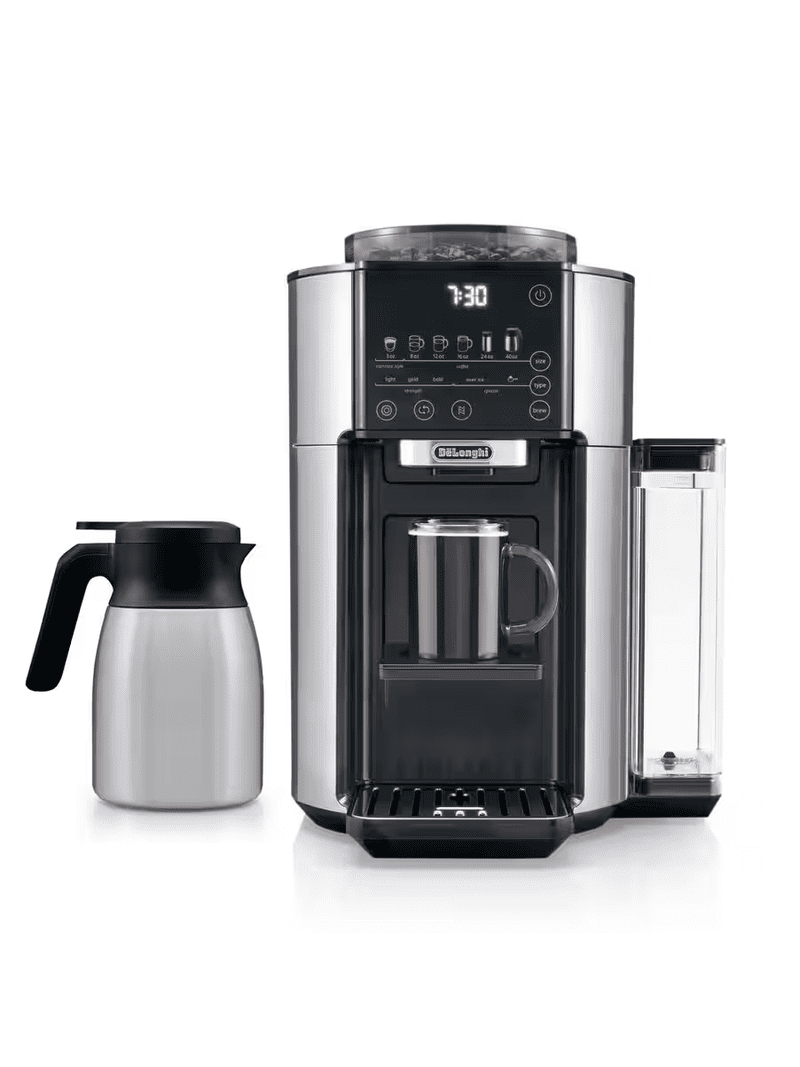
Benefits of the De’Longhi TrueBrew Automatic Coffee Maker
The De’Longhi TrueBrew Automatic Coffee Maker has several strong advantages for everyday use.
Fresh grinding with less effort
Fresh grinding is the machine’s biggest selling point. You get the aroma of ground coffee without weighing beans or using a separate grinder.
Simple daily workflow
The process is easy enough for busy mornings. Add water, check the beans, choose a size, and brew. This is far easier than preparing a manual pour-over when you are rushing to work.
No single-use pods
The machine gives you a pod-free way to make individual servings. This may save money over time, although the total cost depends on bean prices, maintenance, and the machine’s purchase price.
Flexible drink sizes
Different sizes support different routines. You can make a small morning cup, a travel mug, or a larger batch for a family.
Good fit for shared kitchens
A household can use different beans and drink sizes without preparing a separate pot each time. This is helpful when one person wants regular coffee and another prefers a stronger brew.
Less equipment on the counter
A built-in grinder means you do not need a separate grinder beside the brewer. That saves space and reduces clutter.

Limitations and Potential Drawbacks
No automatic coffee maker is perfect. Understanding the limits of the De’Longhi TrueBrew Automatic Coffee Maker can prevent disappointment.
It is not a full espresso machine
The TrueBrew may offer concentrated coffee options, but it does not replace a dedicated espresso machine. It will not provide the same pressure control, portafilter workflow, or espresso texture.
The grinder has limited control
People who enjoy adjusting grind size for different beans may want a separate grinder. Automatic convenience often comes with fewer manual controls.
Cleaning is still necessary
Automatic does not mean maintenance-free. Coffee oils and fine grounds can build up inside the grinder, brew area, and drip tray.
Skipping cleaning may lead to bitter flavors, slow brewing, clogs, or unpleasant smells. A few minutes of care can protect both taste and machine life.
Bean switching can be inconvenient
If you switch between regular and decaf beans, the old beans may remain in the grinder or chute. Some grounds may mix into the next brew.
People who change beans often may prefer a machine with dual hoppers or a simple bypass chute.
Noise and vibration
The grinder is louder than a standard drip brewer. The machine may also vibrate slightly during grinding and brewing, especially on a smooth countertop.
A stable surface and a small rubber mat can reduce movement.
Model differences matter
The name TrueBrew covers more than one configuration. Tank size, drink options, display controls, included accessories, and carafe support can differ.
Read the exact model number before comparing prices or ordering filters and replacement parts.

How to Get Better Coffee From the TrueBrew
Good results come from a repeatable routine. These steps can make a clear difference.
1. Start with quality beans
Choose beans that match your taste. Medium roasts often work well for balanced coffee, while dark roasts produce a deeper and sometimes more bitter cup.
Do not assume expensive beans are always better. Freshness and proper storage matter more than a fancy label.
2. Use clean water
Water makes up most of every cup. If your tap water tastes metallic, chlorine-heavy, or chalky, use filtered water.
Avoid distilled water unless the manual specifically allows it. Some coffee machines need minerals in the water for proper operation and taste.
3. Warm the cup
Rinse the cup with warm water before brewing. A cold cup can cool the coffee quickly, especially when making a smaller serving.
4. Match the size to the dose
A large mug can make coffee taste weak if the coffee dose stays too low. Use a stronger setting for larger drinks when available.
5. Let the machine finish
Avoid moving the cup or opening parts during brewing. Automatic systems need time to complete grinding, extraction, and dispensing.
6. Clean on a schedule
Empty the grounds container before it becomes packed. Rinse the drip tray and wipe coffee residue from the outlet.
Follow the manufacturer’s cleaning and descaling instructions. The right schedule depends on water hardness and use.
7. Keep a simple flavor log
Write down the bean, roast date, drink size, and strength setting. This small habit helps you find the combination you like.
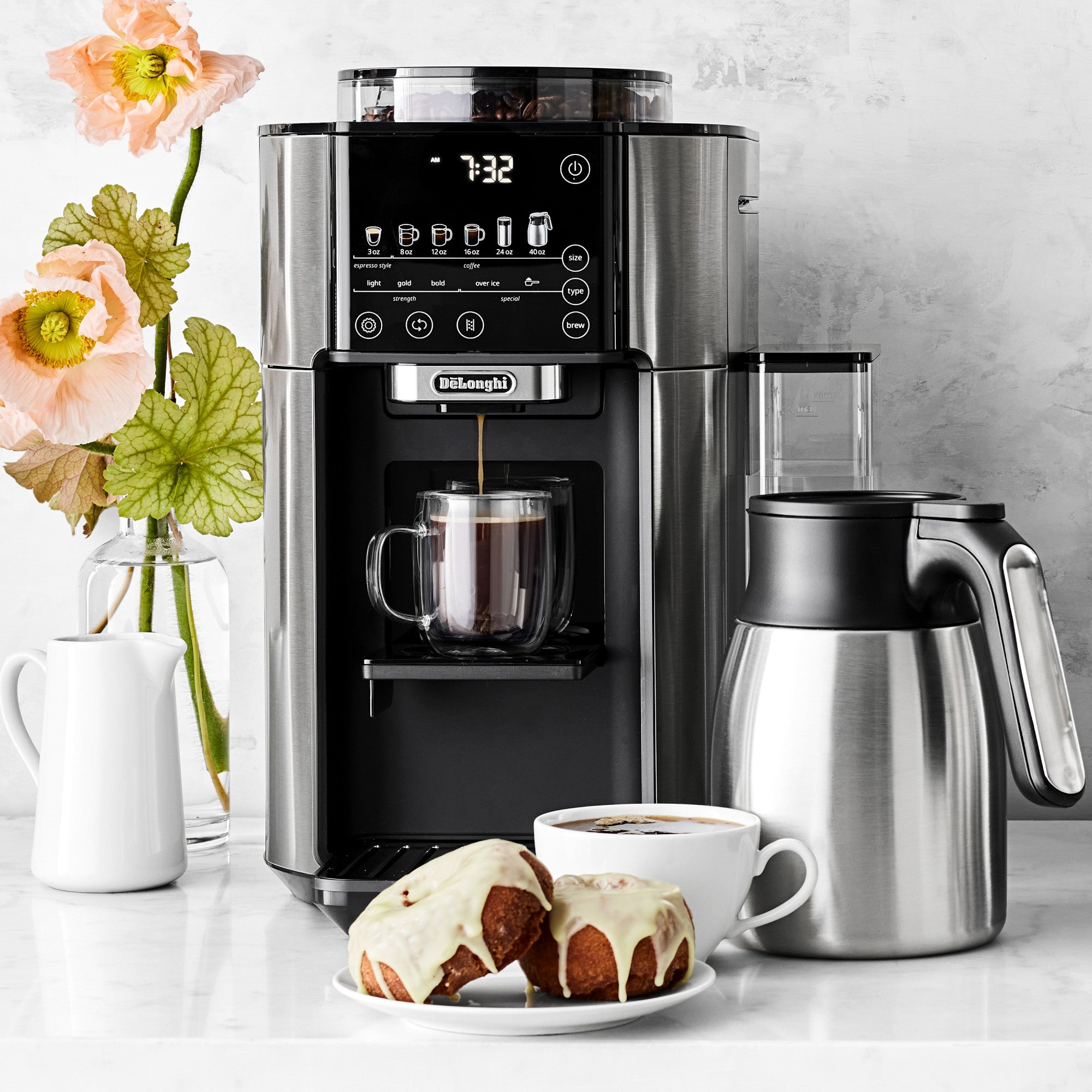
Cleaning and Maintenance Guide
Routine maintenance is one of the most important parts of owning the De’Longhi TrueBrew Automatic Coffee Maker. Coffee contains oils that can stick to internal surfaces. Fine grounds can also collect in narrow areas.
Daily care
• Empty the grounds container when prompted or when full.
• Rinse the drip tray.
• Wipe the coffee outlet.
• Check the water tank and refill it with fresh water.
• Remove visible grounds from the brewing area.
Weekly care
• Wash removable containers with mild dish soap if the manual permits it.
• Clean around the grinder and bean hopper.
• Inspect the brew chamber for old coffee residue.
• Wipe the outside with a soft, damp cloth.
Descaling
Mineral deposits can form inside the water system. Descaling removes these deposits and may help restore normal water flow.
Use only the recommended descaling product and follow the machine’s instructions. Do not guess the amount or mix cleaning chemicals.
Common mistakes to avoid
• Leaving wet coffee grounds inside for several days
• Filling the hopper with oily beans that stick together
• Using rice or unapproved materials to clean the grinder
• Ignoring a cleaning alert
• Submerging electrical parts in water
• Using abrasive sponges on the finish
A clean machine is not just safer. It also produces a more honest taste. Old grounds can make a fresh bag of beans seem stale or bitter.
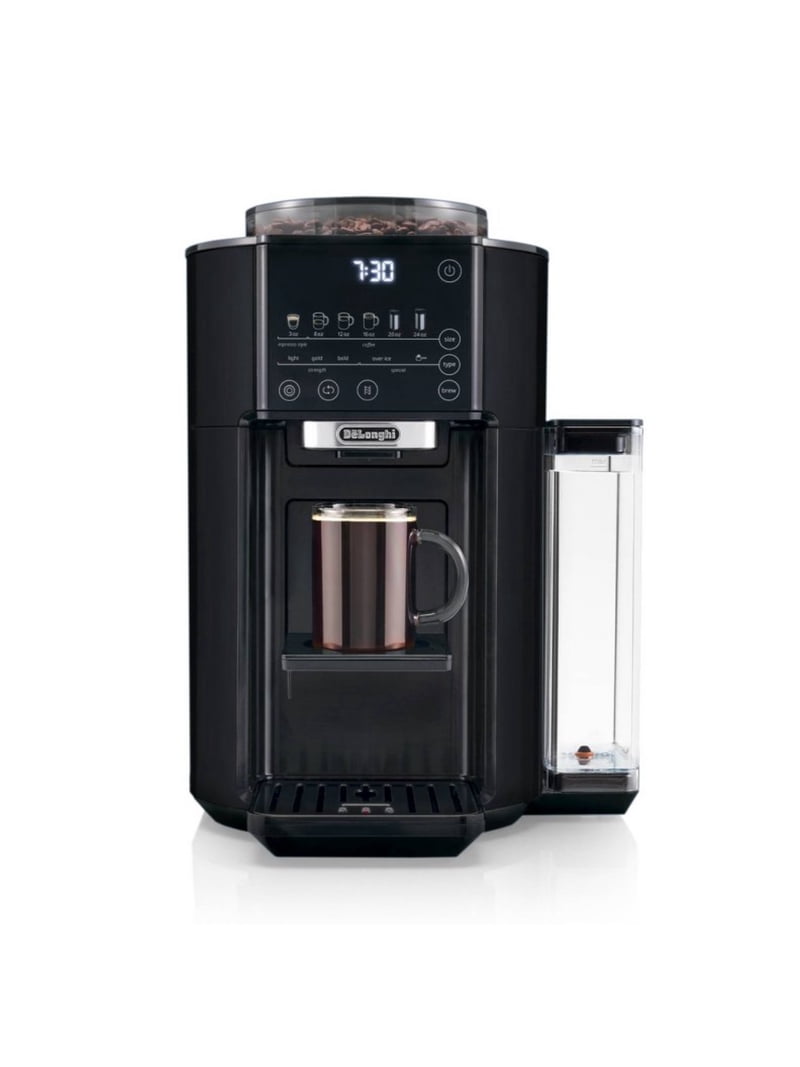
Troubleshooting Common Problems
The coffee tastes weak
Try a smaller cup size or a stronger setting. Check whether the beans are stale, and confirm that the grinder is operating correctly.
If the coffee remains weak, clean the brew path and review the machine’s dose settings.
The coffee tastes bitter
Bitter coffee may come from dark-roasted beans, stale grounds, mineral buildup, or an overly strong setting. Start with fresher beans and a standard strength level.