Can You Brew Espresso In A Coffee Maker: Easy Guide
You can brew strong coffee in a coffee maker, but it will not be true espresso.
The short answer is yes and no. A standard drip coffee maker can produce a rich, concentrated cup that works well in lattes and iced drinks. However, real espresso needs high pressure, fine grounds, and careful extraction. Understanding this difference helps you choose the right method and avoid weak, bitter coffee.
Can You Brew Espresso in a Coffee Maker?
You cannot brew authentic espresso in a regular drip coffee maker. A drip machine uses gravity to move hot water through coffee grounds. An espresso machine uses pressure, usually around 9 bars, to push water through finely ground coffee.
This pressure creates espresso’s thick body, intense flavor, and layer of golden crema. A coffee maker does not have the pump or pressure system needed to make those results.
Still, you can make a strong coffee concentrate in a coffee maker. It may taste bold enough for milk drinks, desserts, or recipes that call for espresso.
When people ask, “Can you brew espresso in a coffee maker?” they often mean, “Can I make coffee that tastes similar to espresso?” For that goal, the answer is more helpful: you can make a close substitute, but not genuine espresso.

Espresso vs. Regular Coffee
Espresso and regular coffee use the same basic ingredient: roasted coffee beans. The main differences are grind size, water contact, pressure, and serving size.
Espresso usually has these traits:
- A fine grind
- About 18 to 20 grams of coffee for a double shot
- A small serving size of about 1 to 2 ounces
- Fast brewing, often about 25 to 30 seconds
- High pressure during extraction
- A dense body and concentrated flavor
Drip coffee uses a medium grind and more water. A full cup often contains 8 to 12 ounces, so its flavor is lighter and less concentrated.
Crema is another key difference. Crema is the tan foam that forms on a fresh espresso shot. It comes from carbon dioxide and oils released under pressure. A drip coffee maker cannot usually create true crema because it does not brew with enough pressure.
That does not make drip coffee worse. It simply makes it different. Think of drip coffee as a long song and espresso as a short, powerful note.

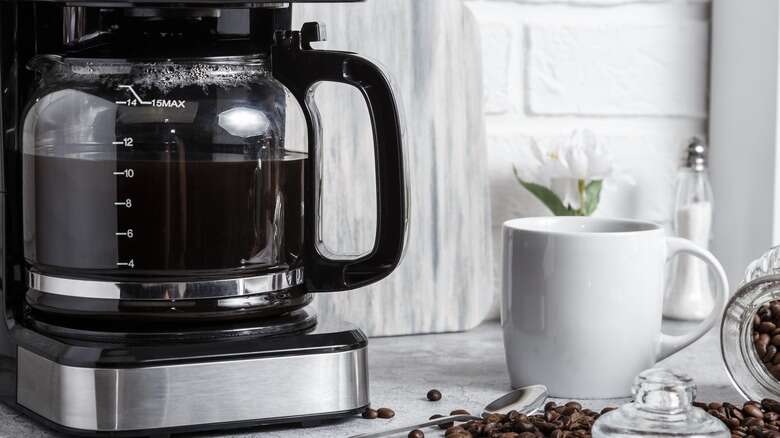
How to Make Espresso-Like Coffee in a Drip Coffee Maker
If you only have a standard coffee maker, you can make a concentrated brew. This method will not create authentic espresso, but it can work well in a homemade latte or iced coffee.
What you need
- Fresh coffee beans
- A burr grinder or quality coffee grinder
- A clean drip coffee maker
- Filtered water
- A paper filter
- A small cup or heat-safe container
Step-by-step method
- Use fresh, dark or medium-dark roasted coffee beans. Espresso roast is fine, but any fresh roast can work.
- Grind the beans slightly finer than your normal drip setting. Do not use a powder-fine grind, as it may slow the water and cause a bitter taste.
- Use about 2 to 3 tablespoons of coffee for every 4 ounces of water.
- Place the grounds in the filter basket.
- Start the coffee maker and let the full brew cycle finish.
- Collect the coffee in a small cup.
- Use 1 to 2 ounces of the concentrate in a latte, mocha, or iced drink.
The exact amount may need adjustment. If the coffee tastes thin, use more grounds or less water. If it tastes harsh, use a slightly coarser grind or reduce the coffee dose.
Do not pack the grounds down. Drip coffee makers are not designed to force water through a compressed coffee puck. Packing can cause overflow, uneven extraction, or damage to the filter basket.
In my own kitchen tests, the biggest mistake was using espresso-fine coffee in a drip machine. The brew came out slow and bitter. A fine-to-medium grind gave a cleaner and stronger result.
The Best Coffee Maker Alternatives for Espresso
A regular drip coffee maker is not your only option. Several affordable brewing tools can make coffee that is closer to espresso.
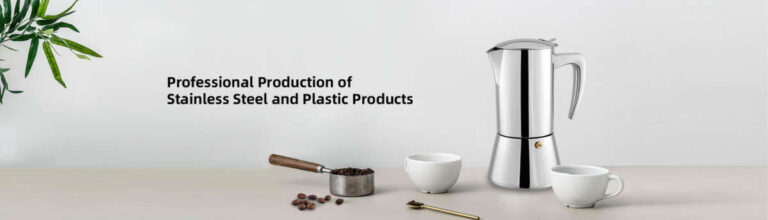
Moka pot
A moka pot uses steam pressure to push water through coffee grounds. It makes a strong, rich drink that is excellent in milk-based beverages.
Moka pot coffee is not technically espresso because the pressure is lower than in an espresso machine. It also has a different texture and flavor. Still, it is one of the best low-cost alternatives.
Use medium-fine coffee, fill the lower chamber with water, and avoid pressing the grounds. Remove the pot from heat when the coffee begins to flow rapidly.
AeroPress
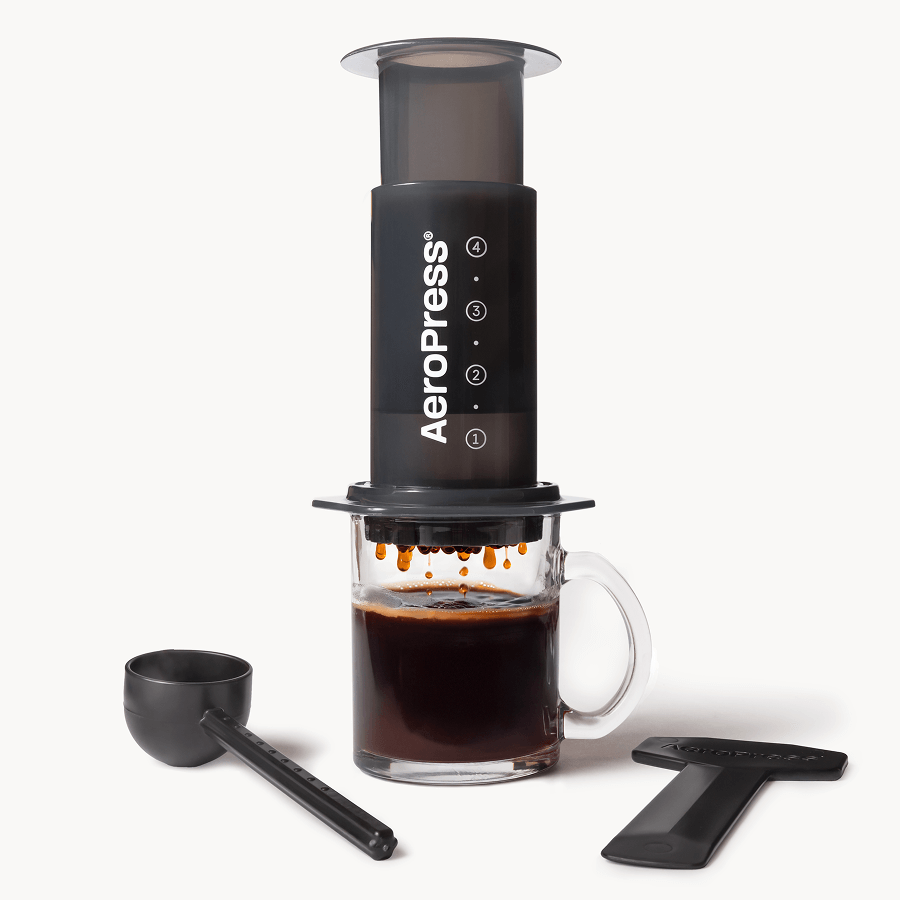
An AeroPress can make a concentrated coffee with a smooth flavor. It uses manual pressure, but not enough pressure to produce standard espresso.
For a stronger cup, use a fine grind, less water, and a short brew time. An AeroPress is easy to clean and useful for travel.
Single-serve pod machine
Some pod machines use pressure and are designed specifically for espresso-style drinks. Check the label carefully, since many pod machines make regular coffee rather than espresso.
Capsule systems can be convenient, but they may cost more per serving and create more waste.
Manual espresso maker
A manual espresso maker can produce real espresso without electricity. These devices require more practice, but they can offer excellent control over pressure and extraction.
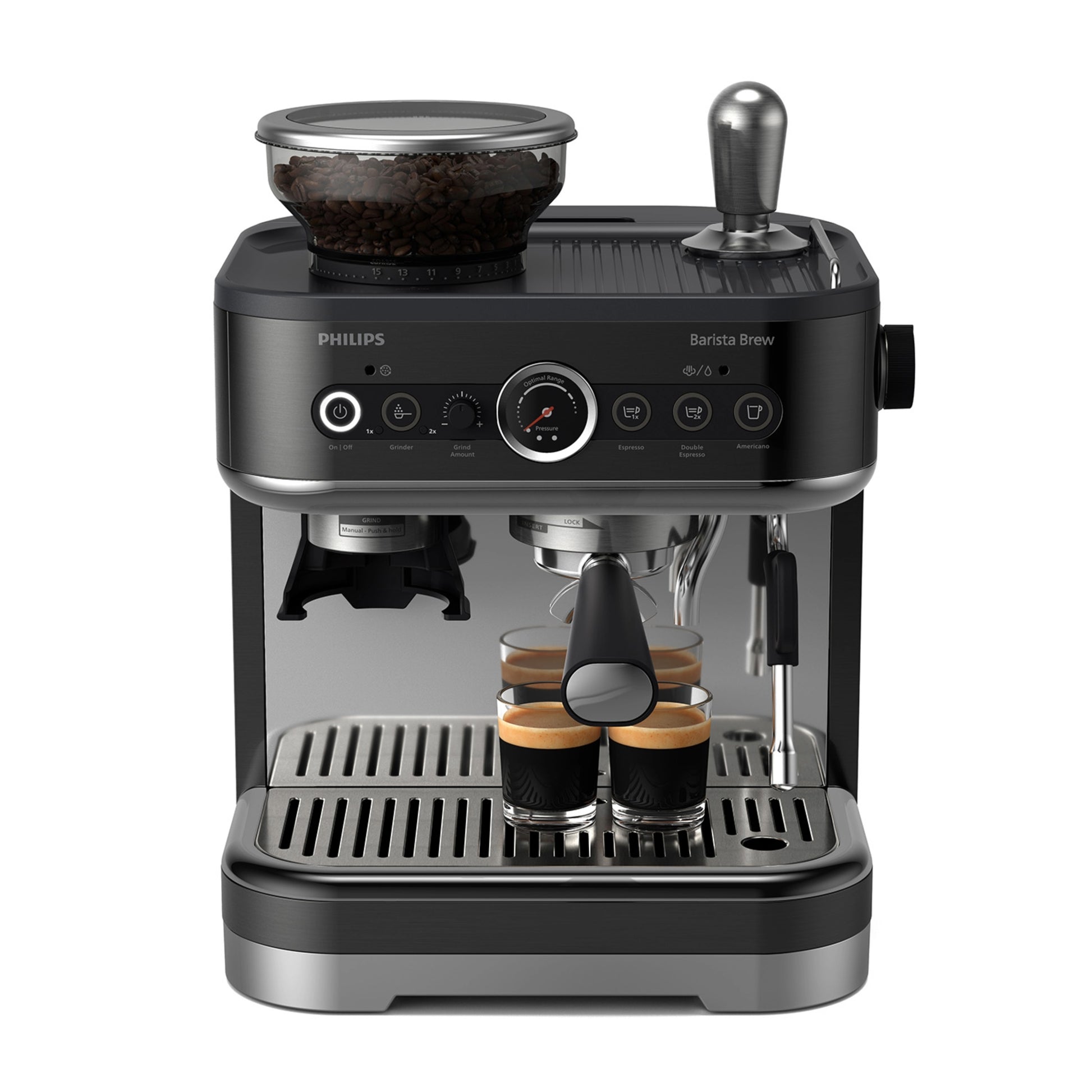
Automatic espresso machine
An automatic espresso machine handles grinding, dosing, and brewing with little effort. It costs more than a drip machine, but it is the most practical choice if you drink espresso often.

How to Improve Espresso-Style Coffee
Good beans help, but technique matters just as much. These simple changes can make coffee from a regular coffee maker taste fuller and more balanced.
Use fresh beans
Coffee loses flavor after grinding. Buy whole beans and grind them just before brewing when possible. Look for a roast date rather than only a “best by” date.
Beans are often at their best during the first few weeks after roasting, although storage and roast style also matter.
Choose the right grind
For a drip coffee maker, use a medium grind. You may go slightly finer for a stronger brew, but avoid a powder-like texture.
A grind that is too fine can cause slow flow and bitter flavors. A grind that is too coarse can create weak, sour coffee.
Measure coffee and water
Use a kitchen scale if you have one. A common starting point for drip coffee is about 55 to 60 grams of coffee per liter of water.
For a small espresso-style batch, try 20 grams of coffee with 4 to 6 ounces of water. Adjust from there based on taste.
Use good water
Water makes up most of the drink, so its quality matters. Filtered water often gives a cleaner flavor than heavily chlorinated tap water.
Avoid distilled water for regular brewing. It lacks minerals that help extract flavor from coffee.
Keep equipment clean
Old coffee oils can make a fresh brew taste stale or rancid. Wash the carafe and filter basket often. Descale the machine when mineral buildup appears.
A clean coffee maker improves flavor and helps the machine heat and flow correctly.
Add heat carefully
Coffee makers usually brew within a suitable temperature range. Industry guidance often places an ideal brewing range near 195°F to 205°F.
Do not try to heat coffee repeatedly on a hot plate. Extended heat can make the coffee taste burnt and flat.
Can You Use Espresso Grounds in a Coffee Maker?
You can use espresso-roast beans in a coffee maker, but espresso-fine grounds may not work well. The word “espresso” on a coffee bag often describes the roast or intended use, not a special type of bean.
For a drip machine, choose a medium or medium-fine grind. If you buy pre-ground espresso coffee, check the package. Some products are ground for espresso machines and may be too fine for drip brewing.
Using fine grounds can create several problems:
- Slow water flow
- A clogged filter
- Bitter coffee
- Muddy sediment
- Overflow from the filter basket
If your machine has a reusable metal filter, fine grounds may pass into the cup. A paper filter usually gives a cleaner drink.
The safest approach is to grind whole beans for the brewing method you are using. This gives you better control and more consistent results.

Common Mistakes to Avoid
Knowing what not to do is just as important as knowing the correct method. These mistakes often explain why homemade espresso-style coffee tastes unpleasant.
Using too much coffee
More coffee does not always mean better coffee. An overloaded basket can restrict water flow and create uneven extraction.
Increase the dose in small steps. Taste each batch before making another change.
Using boiling water
Boiling water can scorch delicate coffee flavors. Most coffee makers control the temperature, but manual methods require more care.
Let boiling water rest briefly before pouring it over the grounds.
Pressing drip coffee grounds
Tamping is important in espresso because espresso machines force water through a compact puck. A drip machine needs water to pass naturally through the grounds.
Pressing the coffee can cause poor flow and bitter extraction.
Expecting crema
A drip coffee maker cannot produce real espresso crema. Foam made with a milk frother is not the same as crema, even though it can make a drink look attractive.
Focus on flavor and texture rather than appearance alone.
Reheating the coffee
Reheating coffee often creates a sharp, burnt taste. Brew a smaller amount instead of keeping a large pot warm for hours.
If you need cold coffee, chill fresh coffee in a sealed container and use it within a reasonable time.

Coffee Maker Drinks That Taste Like Espresso Drinks
Even without an espresso machine, you can make several enjoyable drinks.
Homemade latte
Use 1 to 2 ounces of strong coffee concentrate. Add 6 to 8 ounces of steamed or heated milk. Finish with a light layer of foam.
Café au lait
Combine strong drip coffee with an equal amount of hot milk. This drink has a softer texture than a latte and does not require espresso.
Iced coffee
Pour concentrated coffee over ice. Add milk, cream, or a sweetener if you like. Brew the coffee extra strong because ice will dilute it.
Mocha
Mix strong coffee with cocoa powder or chocolate syrup. Add warm milk and a small amount of sugar.
Affogato-style dessert
Pour a small amount of concentrated coffee over vanilla ice cream. It will not be a traditional affogato without espresso, but the dessert can still taste excellent.

When Should You Buy an Espresso Machine?
A coffee maker may be enough if you only want an occasional strong drink. It is also a good choice when you prefer a large cup of coffee.
An espresso machine may be worth the cost if you:
- Drink espresso every day
- Want real crema
- Prefer cappuccinos or flat whites
- Need precise control over extraction
- Enjoy learning coffee techniques
- Want café-style texture at home
Remember that an espresso machine is only part of the setup. You may also need a burr grinder, tamper, scale, suitable beans, and regular cleaning supplies.
A quality grinder often improves espresso more than buying a cheaper machine with poor grinding control. If your budget is limited, consider starting with a reliable manual brewer or moka pot.

Is Coffee Maker Espresso Stronger Than Regular Coffee?
Espresso tastes stronger because it is more concentrated, but a full cup of drip coffee may contain a similar or greater amount of caffeine.
A typical 1-ounce espresso shot may contain about 60 to 75 milligrams of caffeine. An 8-ounce cup of drip coffee may contain around 80 to 120 milligrams, depending on the beans and brewing method.