Can I Use Vacuum Cleaner To Clean Air Conditioner: Tips
Yes, you can use a vacuum cleaner to clean accessible, dry air conditioner parts safely.
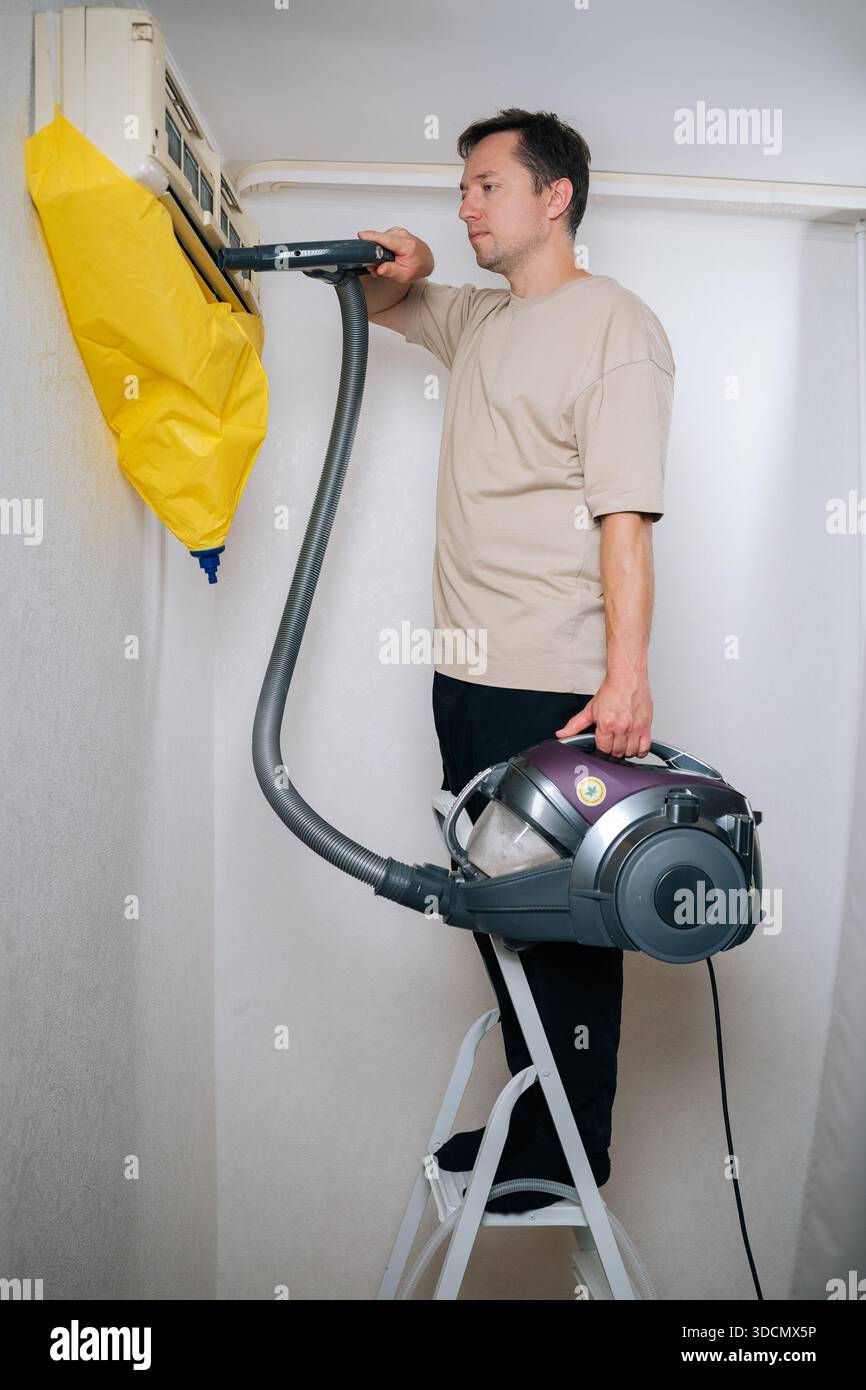
Using a vacuum cleaner to clean an air conditioner can remove dust, hair, and loose debris before they block airflow. The key is knowing which parts are safe to vacuum, which tools to use, and when a professional should handle the job.
Can You Use a Vacuum Cleaner to Clean an Air Conditioner?
Yes, you can use a vacuum cleaner to clean an air conditioner, but only on dry and reachable parts. A vacuum works well for loose dust on air filters, vents, grilles, fan covers, and the outdoor condenser cabinet.
It does not replace a full air conditioner service. A standard vacuum cannot safely remove deep grease, heavy mold, blocked drain sludge, or dirt trapped inside sealed parts.
Before you start, switch off the air conditioner. For a split system or central AC, turn off the circuit breaker too. This reduces the risk of electric shock and stops the fan from starting while your hands are near moving parts.
Which Air Conditioner Parts Can You Vacuum?
A vacuum cleaner is useful for several parts of an air conditioning system. Still, each part needs a gentle approach.
Air filters
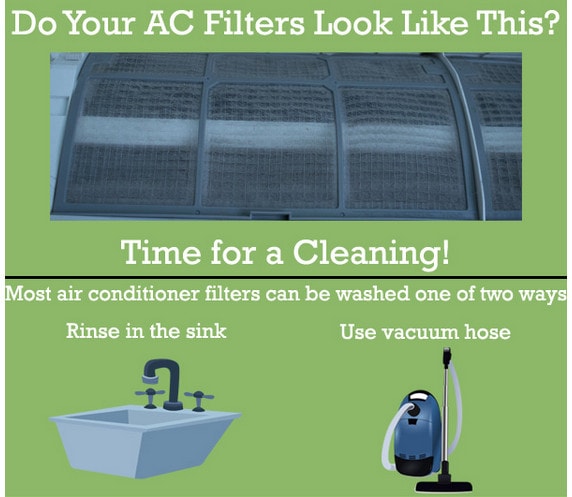
You can use a vacuum cleaner to clean an air conditioner filter when it only has a light layer of dry dust. Use a soft brush attachment and move it slowly across the filter.
Many reusable filters can also be washed with mild soap and clean water. Check the owner’s manual first. The filter must be fully dry before you put it back.
Do not vacuum a disposable filter for months and assume it is clean. A clogged filter may need replacement. A dirty filter can reduce airflow and make the system work harder.
Supply vents and return grilles
Vacuum the front and edges of indoor vents. Dust often collects around the grille because air pulls small particles toward it.
For central air systems, remove the return grille only if the manual allows it. Vacuum the grille and the nearby surface, but do not push the vacuum hose deep into the duct.
Indoor evaporator coil
You can vacuum a small amount of loose dust from an exposed evaporator coil. Use a soft brush and very low suction.
The coil fins are thin aluminum sheets. They bend easily, and bent fins can reduce airflow. Keep the nozzle parallel to the fins rather than pressing it straight into them.
Outdoor condenser unit
You can use a vacuum cleaner to clean an air conditioner condenser cabinet when leaves, grass, and dry dirt sit around the outside. A wet-dry vacuum may help with larger debris, but only when used as the manual directs.
Do not place the vacuum nozzle deep between the coil fins. The fins can bend, and the coil can suffer damage.

How to Safely Use a Vacuum Cleaner on an Air Conditioner
Cleaning an air conditioner with a vacuum is simple when you follow a safe order. Rushing can damage fins, pull loose wires, or spread mold spores.
Step 1: Turn off the power
Turn off the unit with the remote or wall control. Then disconnect power at the plug or electrical panel.
For an outdoor condenser, switch off the dedicated breaker. Never rely only on the thermostat. A technician may also lock out the power before service to prevent accidental startup.
Step 2: Read the manual
Air conditioners vary by model. Some filters are washable, while others are disposable. Some indoor units have special coil covers that should not be removed by the homeowner.
The manufacturer’s cleaning instructions should guide you. Using the wrong tool can cancel a warranty or cause damage.
Step 3: Remove loose parts
Take out the filter and removable front grille if the design permits it. Place small screws in a cup so they do not disappear under furniture.
Do not remove electrical covers, control boards, or refrigerant lines. Those areas require proper training.
Step 4: Use the right attachment
A soft brush tool is usually safer than a hard plastic nozzle. Keep suction low when working near coils, fins, wires, and plastic louvers.
Move in one direction. Do not scrub back and forth with force. Think of the fins as the pages of a wet book: once they bend, they are hard to restore.
Step 5: Clean and dry the filter
Wash a reusable filter with lukewarm water if the manual permits it. Let it dry completely in a shaded place before reinstalling it.
Never run the air conditioner without its filter. Dust can reach the coil and blower, where it becomes harder to remove.
Step 6: Check the drain area
Look for standing water, algae, or a blocked drain pan. A regular household vacuum should not be used to collect water.
A wet-dry vacuum may clear some outdoor drain lines, but the method depends on the system. If water leaks indoors, call an HVAC professional rather than guessing.
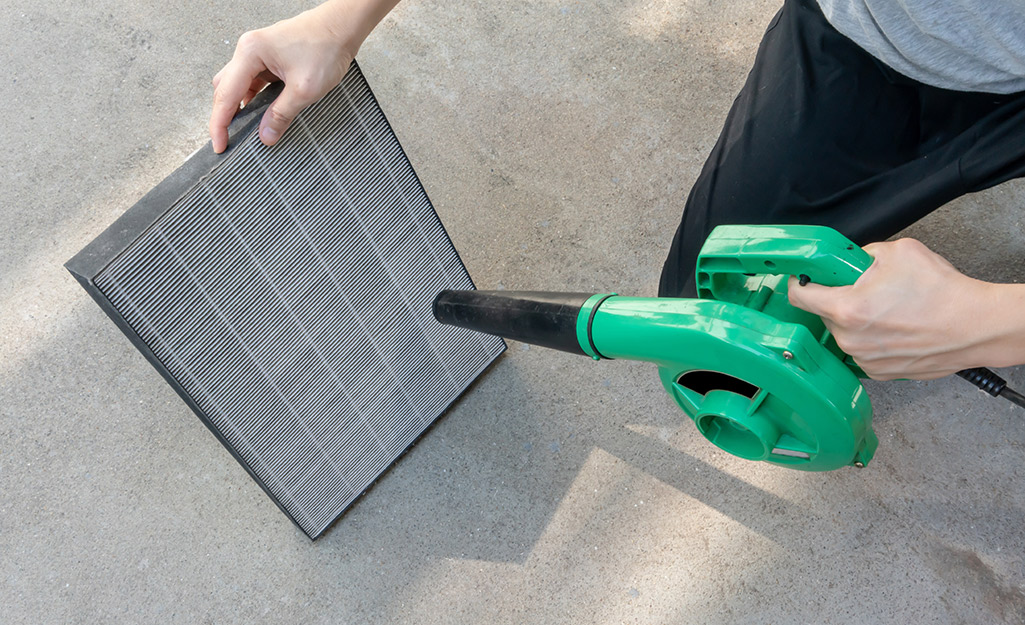
How to Vacuum a Window Air Conditioner
Window air conditioners are often easier to clean because many parts are visible. Even so, they contain electrical components and sharp metal edges.
First, unplug the unit. Remove the front filter and vacuum the filter surface with a soft brush. Wash it only if the manufacturer says it is washable.
Next, vacuum dust from the front grille and the outer cabinet. You may gently clean the outdoor coil surface, but do not press the nozzle into the fins.
Avoid spraying water into the control panel. Do not tilt the unit, as water inside the cabinet can move toward electrical parts.
If the window AC smells musty, vacuuming alone may not fix the problem. The smell may come from a wet drain pan, mold growth, or moisture trapped inside the blower wheel.
:max_bytes(150000):strip_icc()/how-to-clean-a-window-air-conditioner-unit-5191162-06-a5366756eb194775abf40f0841ac59e4.jpg)
How to Vacuum a Split Air Conditioner
Split systems have an indoor air handler and an outdoor condenser. You can use a vacuum cleaner to clean an air conditioner split system’s filter, front cover, and nearby vents.
Lift the front panel according to the manual. Remove the filters and vacuum them gently. Use a clean, soft brush on the visible plastic surfaces.
Some split units have self-cleaning or coil-drying modes. These features may reduce moisture after use, but they do not remove all dust. Follow the cleaning schedule in the manual.
Do not vacuum the refrigerant pipes, electrical terminals, circuit board, or deep blower section. Do not remove the indoor fan assembly unless you know how to protect the motor and sensors.
A professional cleaning may be needed when the blower wheel has thick dust. That dust can look like gray felt and may limit airflow even when the filter looks clean.
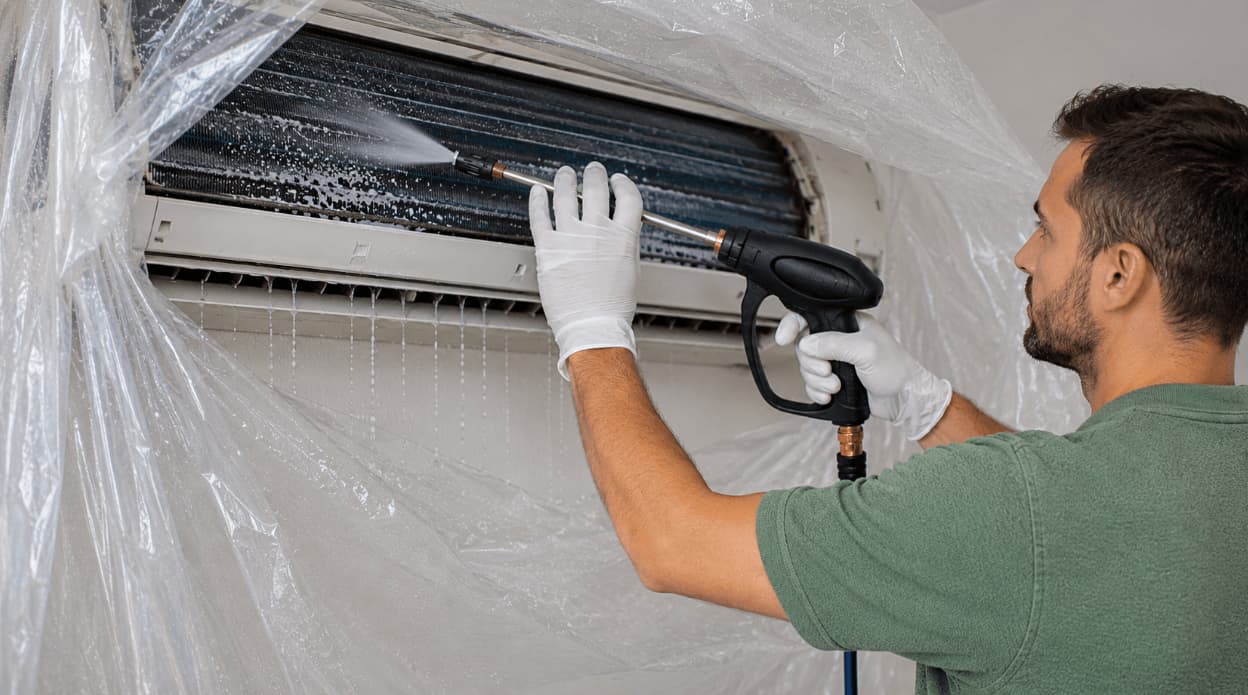
How to Vacuum a Central Air Conditioner
With central AC, you can vacuum return grilles, supply vents, the filter compartment, and loose debris around the outdoor unit.
Start with the central filter. Replace it if it is disposable and visibly dirty. If the filter is washable, clean and dry it based on the manufacturer’s instructions.
At the outdoor unit, remove leaves by hand only after power is off. Then use a vacuum around the cabinet and coil surface. Keep the nozzle away from the fan motor and wiring.
Do not insert a vacuum hose into the duct system. A home vacuum may not have the filtration or power control needed for duct cleaning. It can also spread dust through the home.
Professional duct cleaning is not needed for every home. However, it may be worth considering after major remodeling, water damage, pest activity, or visible contamination inside the ducts.
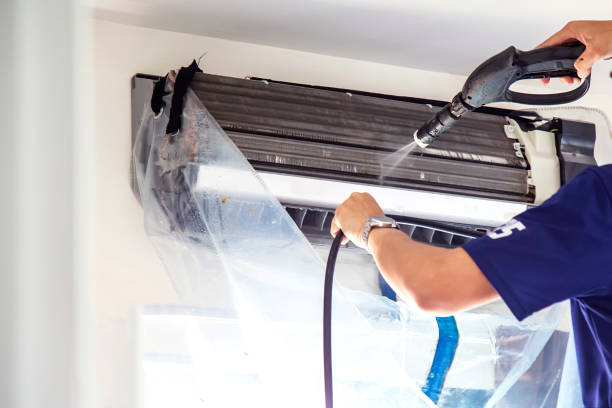
Vacuum Cleaner Attachments That Work Best
The attachment matters as much as the vacuum itself. The wrong nozzle can bend fins or scratch plastic.
Useful choices include:
• Soft dusting brush: Best for filters, grilles, vents, and plastic covers.
• Crevice tool: Useful around narrow edges, but keep it away from fins and wires.
• Adjustable suction hose: Safer for delicate indoor parts than full-power suction.
• HEPA-filter vacuum: Helpful for reducing fine dust released into the room, especially if someone has allergies.
• Wet-dry vacuum: Suitable for certain drain or outdoor debris tasks, but only when the unit is designed for wet pickup.
A HEPA vacuum does not make mold removal safe by itself. Moldy materials may need controlled cleaning, protective equipment, and professional assessment.

What You Should Not Vacuum
A vacuum cleaner removes loose debris. It does not make every air conditioner problem disappear.
Do not use a standard household vacuum for:
• Standing water in a drain pan
• Wet sludge or algae
• Refrigerant leaks
• Deep mold growth
• Electrical parts
• Loose insulation
• Combustible dust
• Heavy grease on the blower wheel
• Debris packed inside a sealed cabinet
Do not scrape coil fins with a vacuum nozzle. Do not force the hose into the blower wheel. These actions can bend metal, break plastic, or damage a motor.
If you see burnt wires, melted plastic, oil near refrigerant lines, or a strong electrical smell, stop cleaning. Turn off the system and arrange professional service.
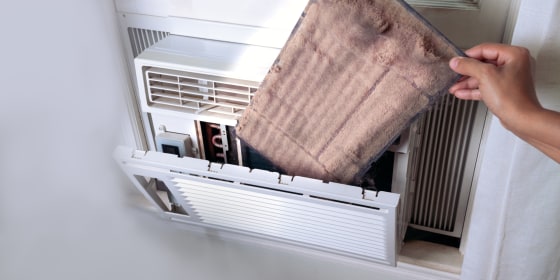
Vacuuming Versus Professional Air Conditioner Cleaning
Vacuuming is a good maintenance step, but it is not the same as an HVAC cleaning service. A technician can inspect airflow, electrical parts, refrigerant pressure, drain operation, and coil condition.
A professional may use coil-safe cleaner, fin combs, controlled water, specialized vacuums, and protective covers. These tools reach areas that a household vacuum cannot.
Consider professional service when:
• The unit has poor airflow after filter cleaning.
• The air conditioner leaks water.
• The system smells musty every time it runs.
• The blower wheel has thick dirt.
• The indoor coil is heavily clogged.
• The outdoor coil is packed with dirt.
• The unit makes new sounds.
• The system freezes or runs constantly.
The U.S. Department of Energy notes that clean filters and coils support efficient air conditioner operation. However, efficiency depends on the full system, including correct airflow, refrigerant charge, and working controls.
Common Mistakes to Avoid
One common mistake is vacuuming while the air conditioner is still connected to power. Even a small fan movement can cause injury, and electrical parts may remain energized.
Another mistake is using high suction on coil fins. Strong suction does not always mean better cleaning. It can bend fins and make the airflow problem worse.
People also often reinstall a damp filter. Moisture can encourage odors and microbial growth. Give the filter enough time to dry before replacing it.
A final mistake is treating a bad smell as simple dust. Odors can signal moisture, mold, a dirty blower wheel, or a drain issue. Vacuuming may hide the symptom for a short time without fixing the cause.