How To Make Zucchini Noodles With A Potato Peeler: Easy
Use a potato peeler to shave zucchini into wide ribbons, then trim, drain, and lightly cook them.
Learning how to make zucchini noodles with a potato peeler is simple, affordable, and useful when you want a light pasta swap without buying special tools. A standard vegetable peeler creates tender zucchini ribbons that hold sauce well and cook in minutes.
After testing several methods in my own kitchen, I have found that the best results come from firm zucchini, light pressure, and careful moisture control. This guide explains each step, common mistakes, cooking methods, storage tips, and easy ways to serve your homemade zucchini noodles.
Why make zucchini noodles with a potato peeler?
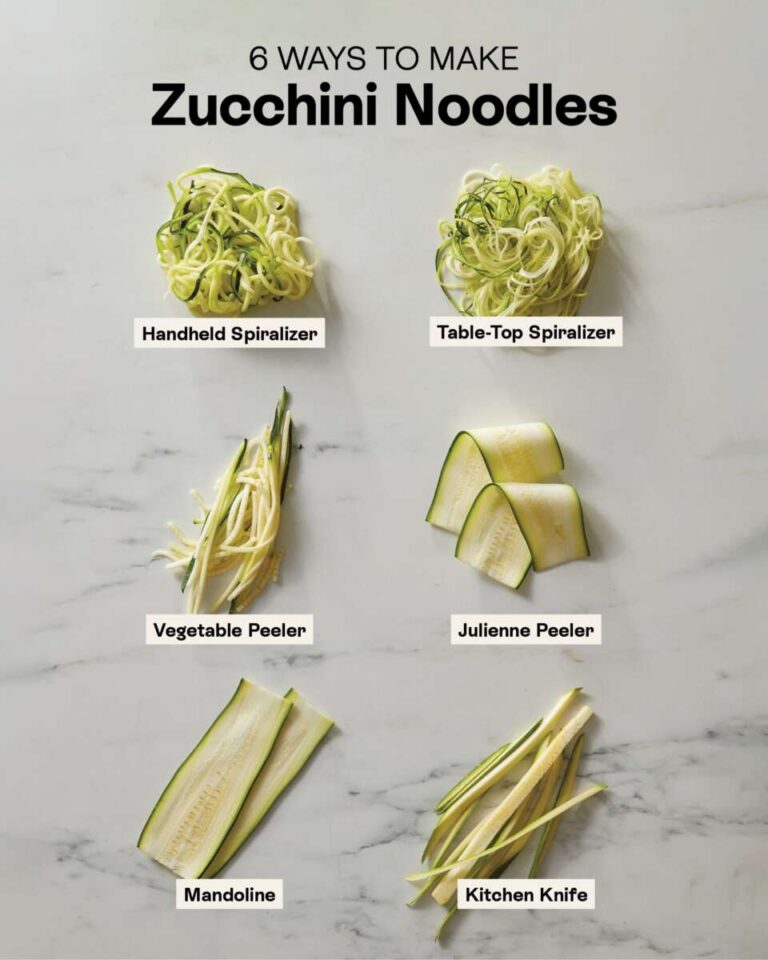
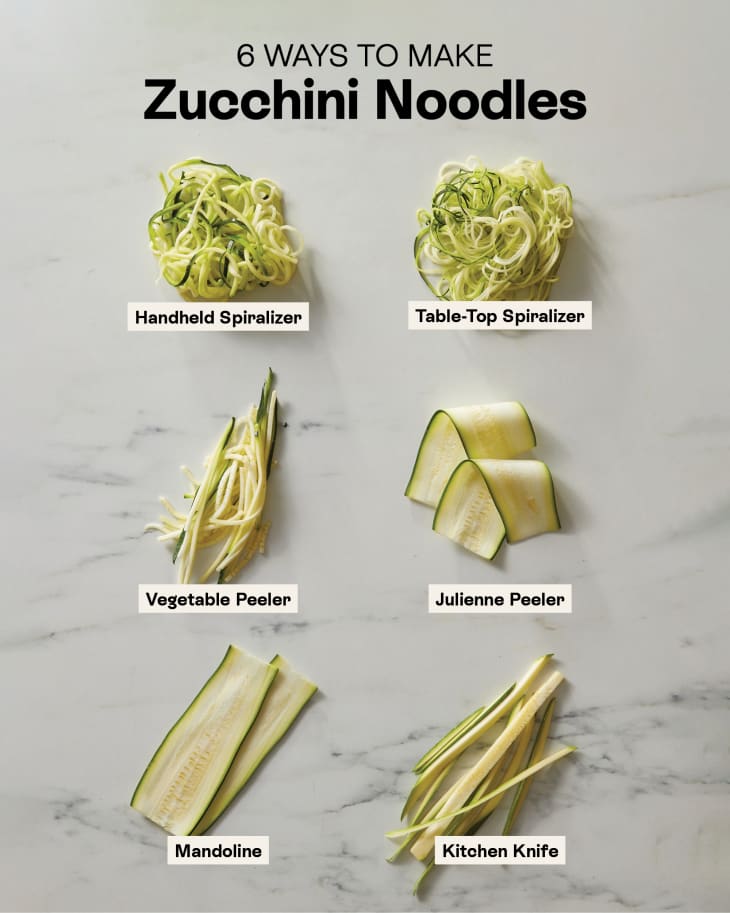
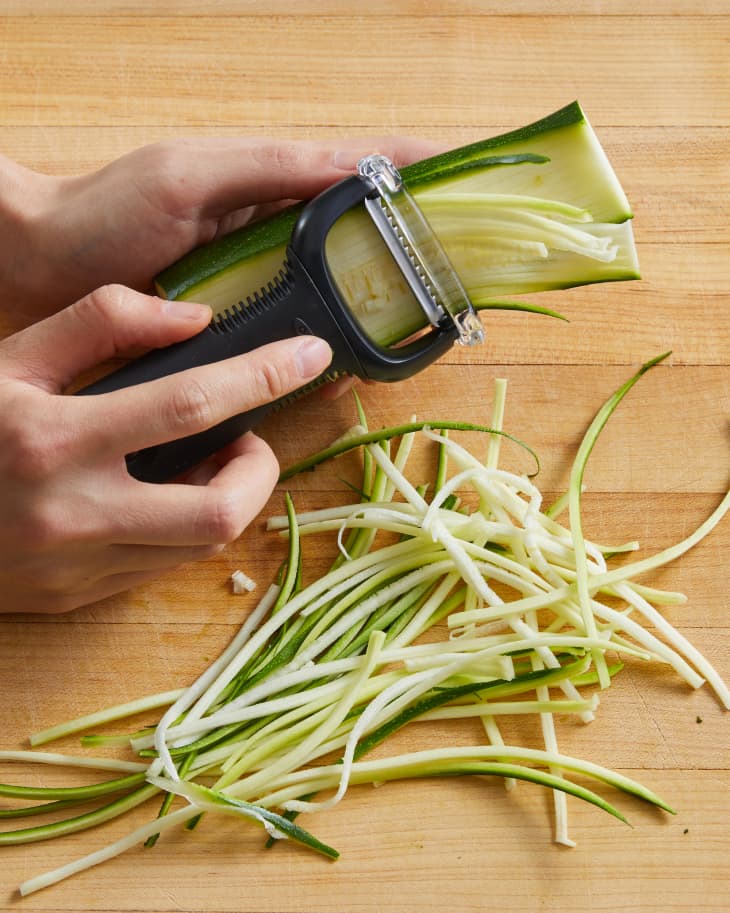
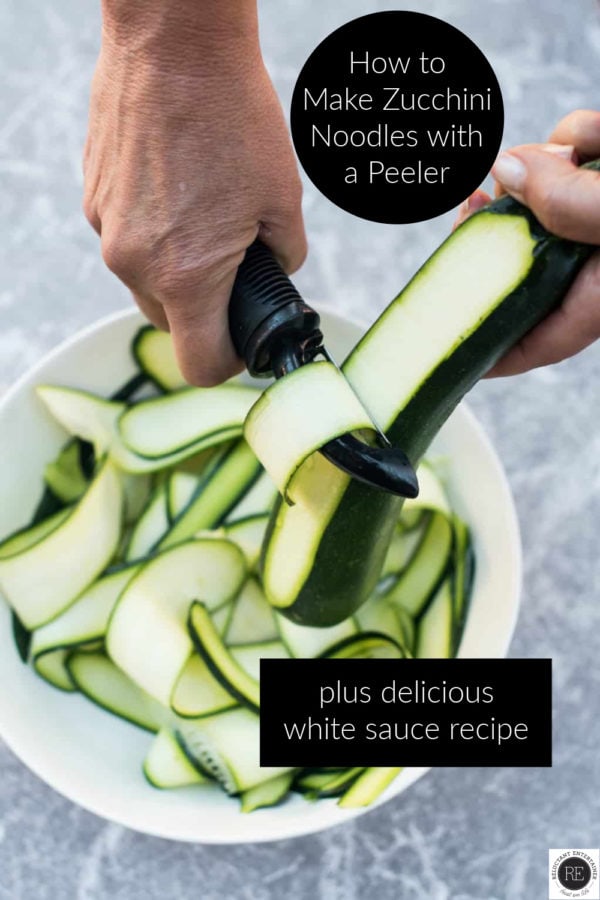
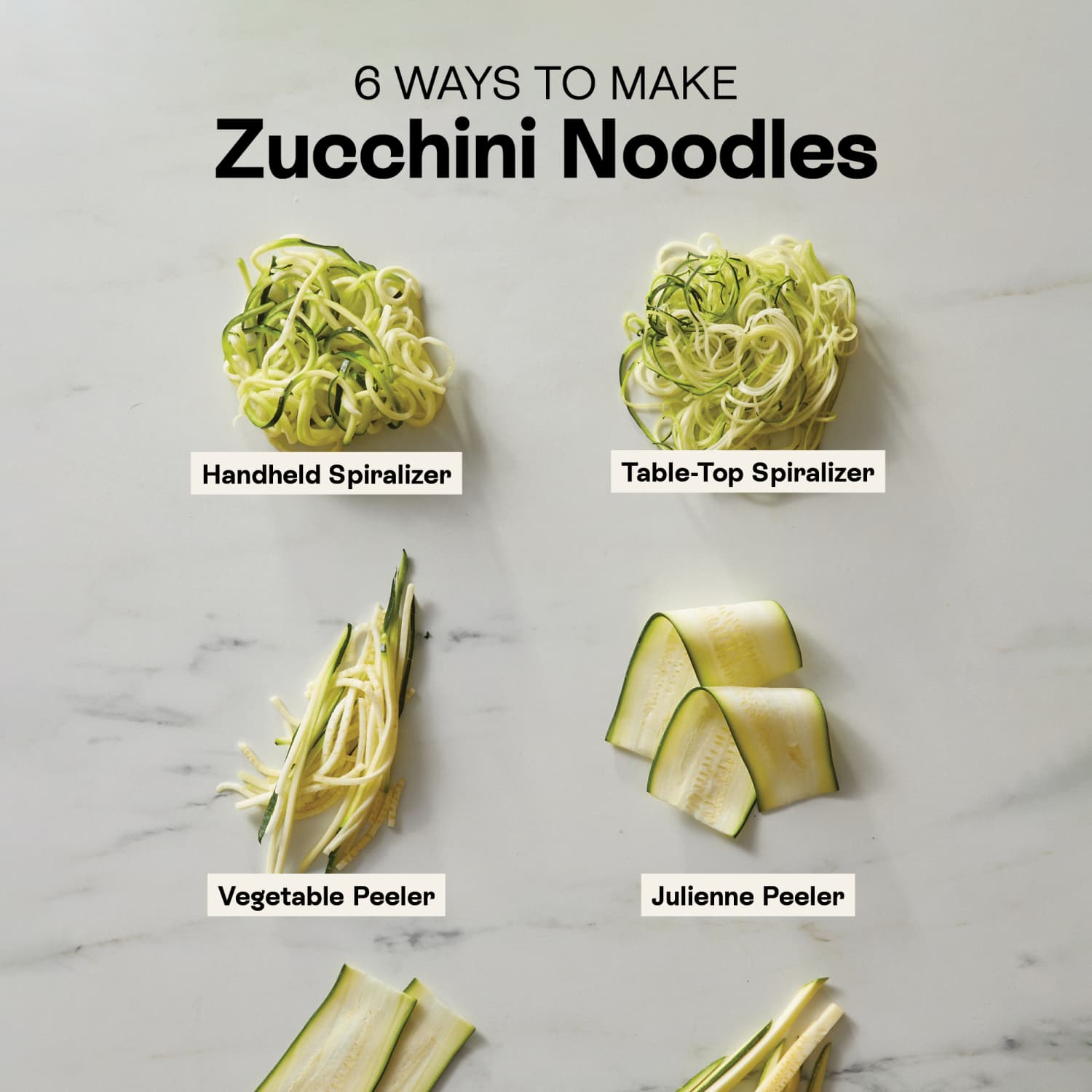
A potato peeler does not create round, spaghetti-style strands. Instead, it makes flat ribbons often called zucchini pappardelle or zucchini ribbons. These wide strips are still a form of zoodles and work well with pesto, tomato sauce, garlic, olive oil, and cream-based sauces.
The main benefit is convenience. You do not need a spiralizer, mandoline, or food processor. A basic peeler and a cutting board are enough.
Zucchini noodles are also:
• Light and quick to prepare
• Naturally low in calories
• A useful way to eat more vegetables
• Suitable for many gluten-free meals
• Easy to pair with meat, seafood, tofu, or beans
Zucchini contains a large amount of water. That makes it fresh and tender, but it can also make a sauce watery. Good technique matters more than fancy equipment.
How to make zucchini noodles with a potato peeler
The process takes about 10 minutes from start to finish. Choose medium zucchini with smooth skin and no soft spots. Smaller or medium zucchini usually have fewer large seeds and create firmer ribbons.
What you need
• 2 medium zucchini
• A sharp potato peeler
• A cutting board
• A chef’s knife
• Paper towels or a clean kitchen towel
• A large bowl
• Salt, if you plan to drain the zucchini
• Your preferred sauce or toppings
Step-by-step method
-
Wash the zucchini under cool running water. Rub the skin gently to remove dirt, then dry it well.
-
Trim off both ends. You can leave the skin on because it adds color, nutrients, and structure.
-
Place the zucchini lengthwise on the cutting board. Hold it firmly with one hand, keeping your fingers away from the peeler.
-
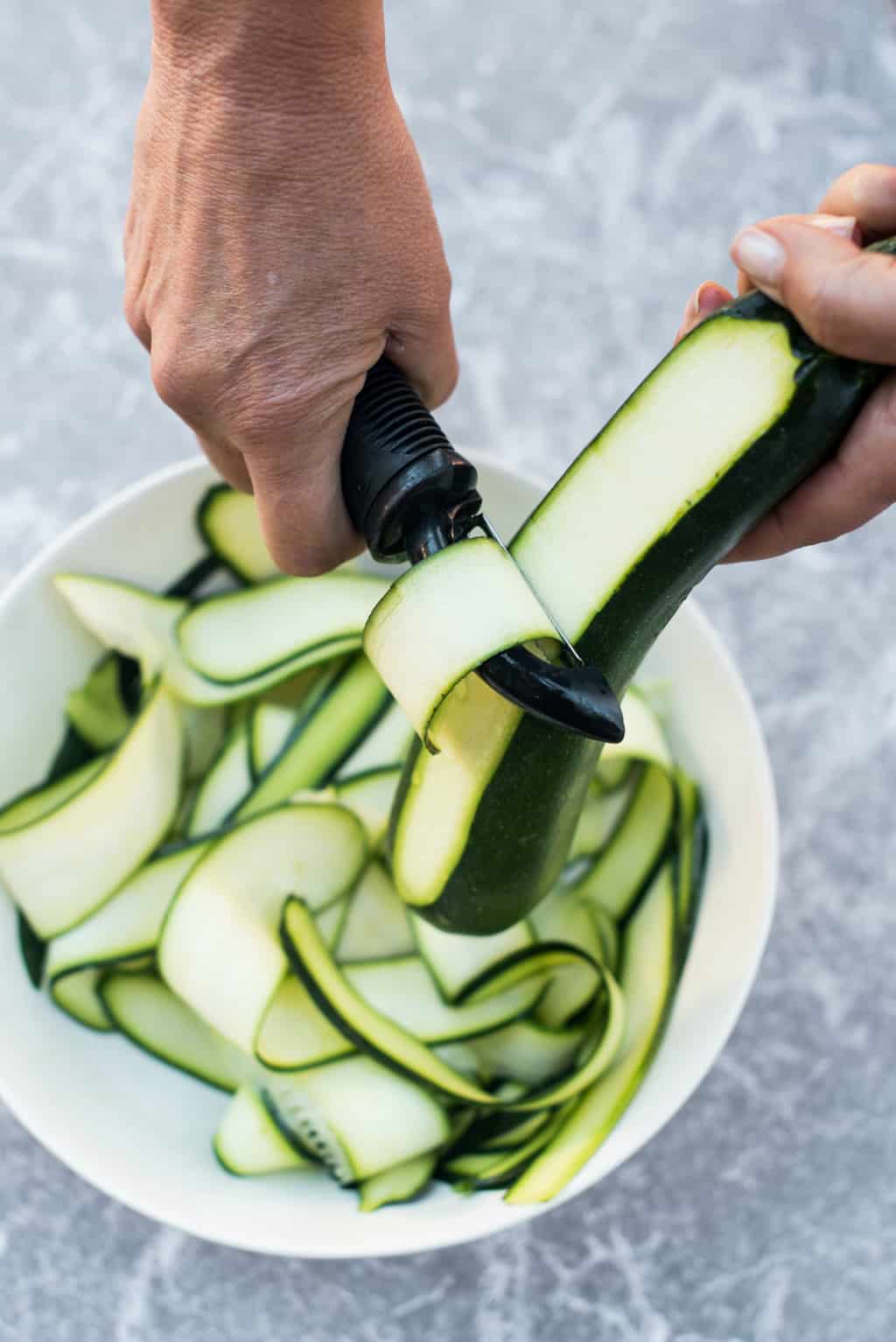
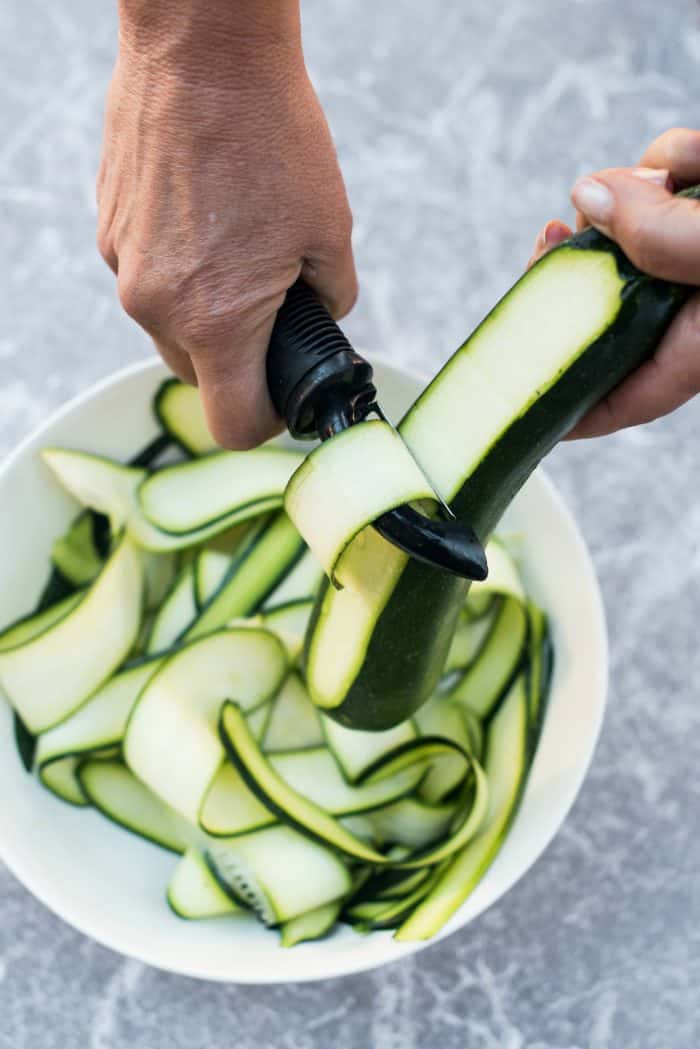
Pull the potato peeler from one end to the other with smooth, even pressure. Turn the zucchini slightly after each pass.
-
Continue peeling all four sides. Stop when you reach the seedy center, which often produces soft and uneven strips.
-
Rotate the zucchini and peel the remaining firm sides. Discard or save the seedy core for soup, stock, or a vegetable scramble.
-
Stack a few ribbons and cut them lengthwise into thinner strips if you want a more noodle-like shape.
-
Pat the ribbons dry. If they seem very wet, let them rest with a little salt for 10 to 15 minutes, then blot away the released water.
This is the simplest way to understand how to make zucchini noodles with a potato peeler. The peeler does the main work, while the final trimming and drying create a better texture.
How much zucchini should you use?
One medium zucchini usually produces about 1 1/2 to 2 cups of ribbons. For a main dish, plan on two medium zucchini per person if you are serving them as the only vegetable base.
If you are mixing the ribbons with regular pasta, one zucchini can serve two people. This approach adds color and vegetables without changing the dish too much.
Choosing the best potato peeler
A sharp peeler is safer and more effective than a dull one. A dull blade may catch on the skin, require extra force, and create ragged strips.
A straight swivel peeler works well for long ribbons. A Y-shaped peeler can also work, but the width and shape of the blade affect the final noodle size.
Look for these features:
• A sharp stainless steel blade
• A comfortable, nonslip handle
• A blade wide enough to create useful ribbons
• A design that moves smoothly over curved vegetables
In my kitchen tests, the biggest difference came from blade sharpness. A good peeler made clean ribbons with little pressure. A worn peeler crushed the zucchini and left thin scraps.
Avoid pressing hard. Let the blade glide over the surface. Heavy pressure can make the ribbons too thin and cause them to tear.
Should you salt zucchini noodles?
Salting is optional, but it helps remove extra water. This step is useful when you plan to serve the noodles with a thick sauce or want a firmer texture.
Place the ribbons in a colander or bowl. Sprinkle them lightly with salt, toss them, and wait 10 to 15 minutes. Then press them gently between clean towels.
Do not squeeze the zucchini aggressively. It can bruise the ribbons and make them limp. A gentle pat is usually enough for a quick meal.
Salting may also make the zucchini taste more seasoned. However, remember that salty sauces, cheese, olives, and cured meats can add more sodium later.
How to cook zucchini noodles
Zucchini noodles need very little cooking. The goal is to warm them while keeping some bite. Overcooking turns them soft and watery.
Pan sautéing
Heat a wide skillet over medium-high heat. Add a small amount of olive oil, then cook the ribbons for 1 to 3 minutes.
Toss them often. Remove the pan from the heat as soon as the ribbons become warm and slightly tender.
This is my preferred method for how to make zucchini noodles with a potato peeler because it gives the ribbons a fresh taste and mild bite. Add garlic during the final 30 seconds so it does not burn.
Steaming
Place the ribbons in a steamer basket for about 2 minutes. Steaming is gentle and uses no added oil.
Drain them well before adding sauce. This method works best when you want soft noodles for children or for a delicate meal.
Microwaving
Place the zucchini ribbons in a microwave-safe bowl. Heat them for 45 to 90 seconds, stirring once halfway through.
Microwave power varies, so start with less time. You can always heat them longer, but you cannot reverse overcooking.
Eating them raw
Raw zucchini ribbons are crisp, cool, and refreshing. They work well in salads with lemon juice, herbs, feta, chickpeas, or grilled chicken.
Raw ribbons also avoid the problem of excess water from cooking. For a quick lunch, toss them with pesto and toasted nuts just before serving.
How to keep zucchini noodles from getting watery
Watery zoodles are the most common complaint. Zucchini is made mostly of water, and both salt and heat draw more liquid from its cells.
Use these strategies:
• Choose firm, fresh zucchini.
• Do not cut the ribbons too early.
• Pat them dry before cooking.
• Salt them only when needed.
• Use a wide pan rather than a crowded one.
• Cook for a short time over medium-high heat.
• Add sauce at the very end.
• Serve the dish right away.
A thick sauce can also help. Pesto, hummus, ricotta, and reduced tomato sauce usually cling better than thin sauces.
Avoid covering the pan while cooking. Trapped steam softens the zucchini and adds more moisture. If liquid collects in the pan, use tongs to transfer the noodles and leave the excess behind.
Easy sauces and topping ideas
Zucchini ribbons have a mild flavor, so they work with many ingredients. Think of them as a blank canvas rather than a direct pasta copy.
Try these combinations:
• Pesto, cherry tomatoes, Parmesan, and toasted pine nuts
• Garlic, olive oil, lemon zest, and grilled shrimp
• Marinara, turkey meatballs, and fresh basil
• Peanut butter, lime juice, soy sauce, and sliced scallions
• Ricotta, black pepper, peas, and lemon juice
• Feta, cucumber, olives, chickpeas, and oregano
• Browned butter, sage, walnuts, and grated Parmesan
For a more filling meal, add protein or another hearty ingredient. Chicken, salmon, eggs, lentils, tofu, and white beans all pair well with zucchini noodles.
When learning how to make zucchini noodles with a potato peeler, remember that sauce timing matters. Toss the ribbons with sauce only after cooking, or serve the sauce underneath them to reduce excess liquid.
Common mistakes to avoid
Using soft zucchini
Soft zucchini has more water and does not create firm ribbons. Choose vegetables that feel solid when pressed.
Peeling all the way through the center
The center contains more seeds and moisture. It can make the final noodles mushy. Stop when the ribbons become thin, wet, or uneven.
Making the strips too thin
Very thin ribbons break easily and cook too fast. Use steady pressure and avoid forcing the peeler into the vegetable.
Overcooking
Two minutes may be enough. Taste one ribbon before cooking longer.
Adding sauce too soon
Sauce can pull water from the zucchini while the dish sits. Toss just before serving.
Treating zucchini like wheat pasta
Zucchini does not have the same starch, chew, or structure as pasta. It will not absorb sauce in the same way. It is better to enjoy it as a fresh vegetable noodle rather than expect an exact pasta replacement.
These lessons are central to how to make zucchini noodles with a potato peeler successfully. The best result is tender but not limp, moist but not watery, and flavorful without being overloaded.
How to store zucchini noodles
Raw zucchini ribbons are best used the same day. If you need to store them, place them in a container lined with a paper towel. Add another towel on top, close the container, and refrigerate it.
Use the noodles within 2 to 3 days for the best texture. Check for a sour smell, slimy surface, or unusual discoloration before using them.
Cooked zucchini noodles should be cooled quickly and refrigerated in a sealed container. Eat them within 3 to 4 days, following general food safety guidance for cooked leftovers.
Do not freeze raw zucchini ribbons if you want a crisp or noodle-like texture. Freezing breaks down the vegetable’s structure and usually creates soft, watery pieces after thawing. Frozen zucchini can still work in soups, sauces, and casseroles.
Nutrition and dietary considerations
Zucchini is naturally low in calories and provides fiber, vitamin C, potassium, and other nutrients. The exact nutrition depends on portion size and the sauce you add.
Replacing some pasta with zucchini may lower the meal’s carbohydrate content. However, zucchini noodles are not nutritionally identical to grain pasta. Pasta often provides more energy and carbohydrates, while zucchini contributes more water and fewer calories.
For a balanced meal, add a source of protein and healthy fat. Olive oil, avocado, nuts, seeds, cheese, fish, poultry, beans, and tofu can make the dish more satisfying.
People with food allergies should check every sauce and topping. Zucchini is naturally gluten-free, but prepared sauces may contain wheat, dairy, soy, or nuts.
Frequently Asked Questions
Can you make zucchini noodles with a regular potato peeler?
Yes. A standard vegetable peeler creates wide zucchini ribbons instead of thin, round spirals. You can stack the ribbons and slice them lengthwise for narrower noodles.
Do you peel zucchini before making noodles?
No, you do not need to peel it. The skin is edible and helps the zucchini hold its shape, but wash it well before peeling.
How do you make zucchini noodles with a potato peeler without a spiralizer?
Hold the zucchini lengthwise and draw the peeler from end to end. Turn the zucchini after each pass, stop at the seedy center, and cut the ribbons into thinner strips if desired.
How long should you cook zucchini noodles?
Sauté zucchini noodles for about 1 to 3 minutes. Steam them for about 2 minutes, or microwave them for 45 to 90 seconds, depending on your appliance and preferred texture.
Why do my zucchini noodles become watery?
Zucchini naturally contains a lot of water, and salt or heat can release more. Pat the ribbons dry, avoid overcooking, use a wide pan, and add sauce immediately before serving.
Can you eat zucchini noodles raw?
Yes. Raw zucchini noodles are crisp and work well in salads, cold bowls, and pesto dishes. They are also less likely to become watery than cooked ribbons.
How do you make zucchini noodles with a potato peeler for meal prep?
Make the raw ribbons, dry them well, and store them in a paper towel-lined container in the refrigerator. For the best texture, cook them within 2 to 3 days.
Conclusion
Making zucchini noodles with a potato peeler is a simple way to create fresh vegetable ribbons without special equipment. Use firm zucchini, glide the peeler with light pressure, stop before the seedy center, and control moisture with gentle drying and brief cooking.
The most important part of how to make zucchini noodles with a potato peeler is knowing when to stop. Keep the ribbons slightly firm, add sauce at the last moment, and serve them right away for the best texture.
Try a batch with pesto, lemon and garlic, or marinara tonight. Then share your favorite zucchini noodle toppings or recipe ideas in the comments.

Liora Pennings is a seasoned chef and kitchen enthusiast with a passion for turning everyday cooking into an effortless experience. With years of hands-on culinary expertise, she specializes in practical techniques, ingredient know-how, and smart kitchen solutions that help home cooks elevate their meals. At KitchFlair.com, Liora shares her best tips, time-saving tricks, and honest product reviews to guide readers toward a more efficient, enjoyable, and inspired cooking routine. Whether you’re a beginner or a seasoned home chef, Liora’s friendly, knowledge-packed insights make every visit to the kitchen a little easier—and a lot more delicious.