
How To Make Buttery Popcorn At Home: Easy Recipe
Make buttery popcorn at home by popping kernels in oil, then tossing them with warm, clarified butter and fine salt.
Learning how to make buttery popcorn at home is simple, but the best results depend on a few small details. The right oil, steady heat, fresh kernels, and carefully prepared butter can turn plain popcorn into a crisp, rich snack without soggy spots. This guide shares a tested stovetop method, easy fixes, flavor ideas, and storage tips so you can make movie-style popcorn in your own kitchen.
What makes popcorn buttery and crisp?
Great buttery popcorn has three traits: crisp kernels, even seasoning, and a smooth butter coating. The challenge is that regular melted butter contains water and milk solids. When you pour too much over popcorn, that water can soften the kernels.
Clarified butter solves much of this problem. It is butter with most of the water and milk solids removed, leaving rich butterfat behind. Ghee works in a similar way and has a slightly deeper flavor.
The best method is to pop the kernels in a neutral oil, melt or clarify the butter while they cook, and add the butter in small pours. This spreads the flavor without crushing the popcorn or making it wet.
Ingredients for homemade buttery popcorn
You need only a few basic ingredients. Use fresh supplies when possible, since stale kernels may not pop well and old butter can taste flat.
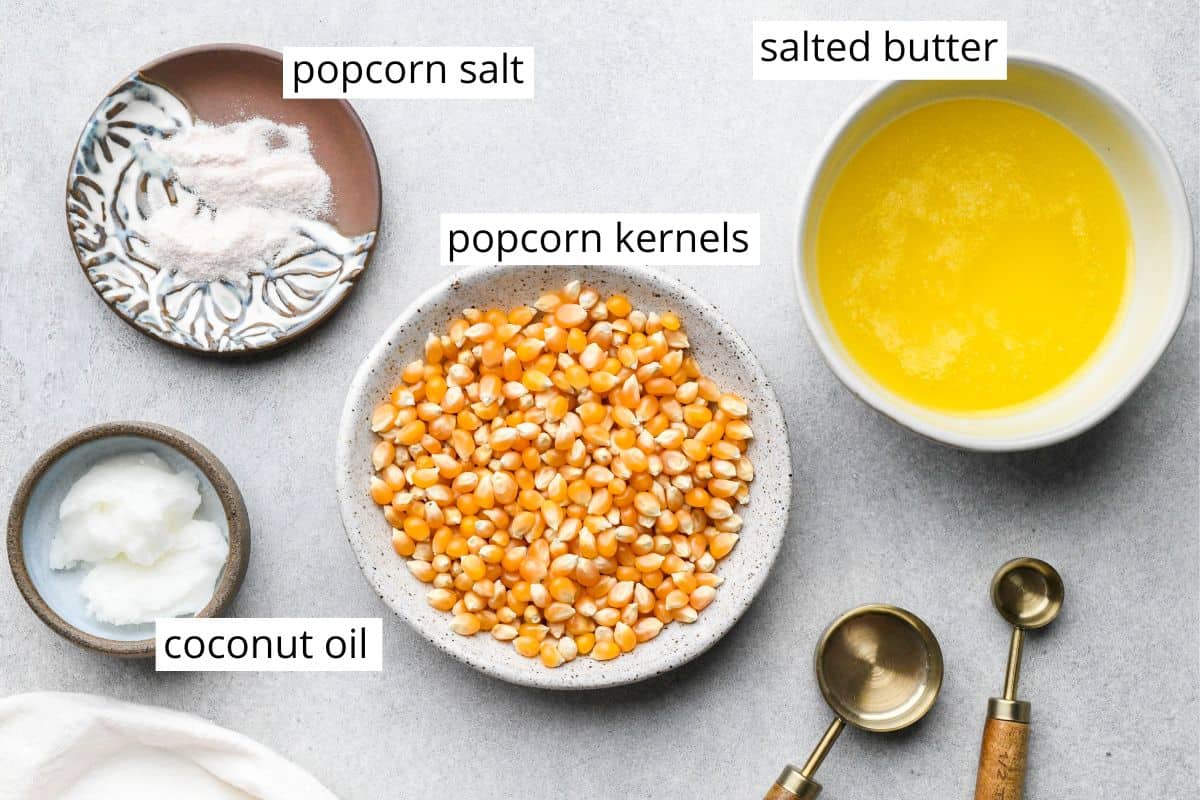
Basic ingredients
For about 8 cups of popcorn, gather:
• ½ cup popcorn kernels
• 2 tablespoons neutral oil, such as canola, avocado, vegetable, or peanut oil
• 3 to 4 tablespoons unsalted butter, or 3 tablespoons clarified butter
• ½ teaspoon fine salt, plus more to taste
• Optional seasonings, such as smoked paprika, garlic powder, nutritional yeast, or cinnamon sugar
A neutral oil lets the butter flavor stand out. Coconut oil also works and gives the popcorn a classic theater-style taste, although it adds its own mild flavor.
Fine salt sticks better than coarse salt. If you only have coarse salt, pulse it briefly in a spice grinder or crush it with the back of a spoon.
Choosing good popcorn kernels
Look for kernels that feel firm and look plump. Store them in a sealed container in a cool, dry place. Popcorn does not need to be refrigerated, and cold storage may expose it to moisture when the container is opened.
Fresh kernels contain the right amount of moisture inside the hard shell. Heat turns that moisture into steam. Pressure builds until the shell bursts, turning the inside starch into fluffy popcorn.
How to make buttery popcorn at home on the stovetop
This method gives you control over the heat and makes it easy to season every bite. A heavy pot with a lid works best because it spreads heat evenly and reduces the chance of scorched kernels.
Step 1: Test the oil
Place a large, heavy pot over medium heat. Add the oil and two or three popcorn kernels. Cover the pot and wait until those test kernels pop.
This step tells you when the oil is ready. It also helps the rest of the kernels pop quickly, which can reduce the number of unpopped kernels.
Step 2: Add the remaining kernels
Remove the pot from the heat for about 30 seconds. Add the remaining kernels, shake the pot gently to coat them with oil, and return it to medium heat.
This short pause helps the kernels warm more evenly. It is a useful trick when you want to learn how to make buttery popcorn at home with fewer burnt pieces.
Step 3: Pop the kernels
Keep the lid slightly cracked, if your lid design allows it. This lets steam escape while keeping the popcorn inside. Too much trapped steam can make the popcorn chewy.
As the kernels pop, gently shake the pot every few seconds. Hold the lid firmly with a towel if needed, but keep your hand away from escaping steam.
Step 4: Remove the pot at the right time
When the popping slows to about one pop every two seconds, remove the pot from the heat. Wait a few seconds before lifting the lid, since late kernels may still pop.
Do not wait until every kernel pops. That usually means the first kernels are already burning.
Step 5: Add warm butter
Melt the butter in a small saucepan or microwave-safe bowl. If using regular butter, let it sit for a moment so the foam settles. Pour the clear golden butter over the popcorn in a thin stream while tossing.
Season with half the salt, toss again, then taste. Add the remaining salt only if needed. Layering the seasoning gives better coverage than adding everything at once.
That is the core process for how to make buttery popcorn at home: pop gently, release steam, add butter slowly, and season in layers.

How to clarify butter for better popcorn
Clarified butter creates a richer coating with less moisture. It is especially helpful if you want to prepare buttery popcorn ahead of time or dislike soft, greasy patches.
Place 4 tablespoons of unsalted butter in a small saucepan over low heat. As it melts, white foam will rise to the surface. Skim off the foam, then carefully pour the clear yellow butter into a bowl.
Leave the milky liquid at the bottom of the pan behind. You do not need to remove every bit for popcorn, but removing most of it helps keep the snack crisp.
You can also use ghee. It has a high smoke point and a warm, nutty taste. Use about 3 tablespoons of ghee for 8 cups of popped popcorn, then adjust the amount to your liking.
Clarified butter is not required for how to make buttery popcorn at home. Regular melted butter still tastes excellent when you use a light hand and serve the popcorn right away.

Common mistakes that make popcorn soggy or burnt
Even simple recipes can fail when heat, moisture, or timing is slightly off. These are the most common problems and their fixes.
Using too much butter
Extra butter does not always create better popcorn. It can pool at the bottom of the bowl and make the lower layer soft.
Start with 2 tablespoons of butter for 8 cups of popcorn. Add more only after tasting. If you want a stronger butter flavor without extra moisture, use clarified butter.
Cooking over high heat
High heat may pop the kernels quickly, but it can also burn the oil and leave many kernels unpopped. Medium heat gives the kernels time to heat through.
If the popcorn smells bitter or the pot smokes, remove it from the burner at once. Let the pot cool before trying again.
Using a small pot
Popcorn expands a great deal. A small pot traps the kernels and makes it harder to shake them. Use a pot that holds at least three times the volume of the unpopped kernels.
For ½ cup of kernels, a 4-quart pot is a comfortable choice.
Trapping steam
A tightly sealed lid keeps steam in the pot. Steam then settles on the popcorn and removes its crunch.
Keep the lid slightly open during popping if it is safe to do so. Never place your face or bare hand over the opening.
Adding salt too late
Salt added only to the top often leaves the bottom bland. Toss the popcorn in a large bowl while adding butter and salt in two or three stages.
Fine salt works best because it clings to the butter. A small amount of powdered seasoning can also spread more evenly than large flakes.
Pouring butter in one spot
A single heavy pour can make one section greasy and another section dry. Pour in a thin stream while tossing the popcorn with a wide spoon or bowl.
When I prepare popcorn for a group, I use two large bowls and divide the batch before seasoning. This makes it easier to coat every piece and prevents the bottom from becoming a butter-soaked layer.

Flavor variations for buttery popcorn
Once you know how to make buttery popcorn at home, you can change the flavor without changing the basic method. Add dry seasonings after the butter so they stick well.
Try these combinations:
• Garlic herb: Add garlic powder, dried parsley, black pepper, and a little grated Parmesan.
• Cheddar style: Use cheddar popcorn seasoning or nutritional yeast with a pinch of mustard powder.
• Spicy butter: Mix melted butter with cayenne, smoked paprika, and a small pinch of chili powder.
• Ranch style: Add a dry ranch seasoning blend in small amounts, since many blends contain a lot of salt.
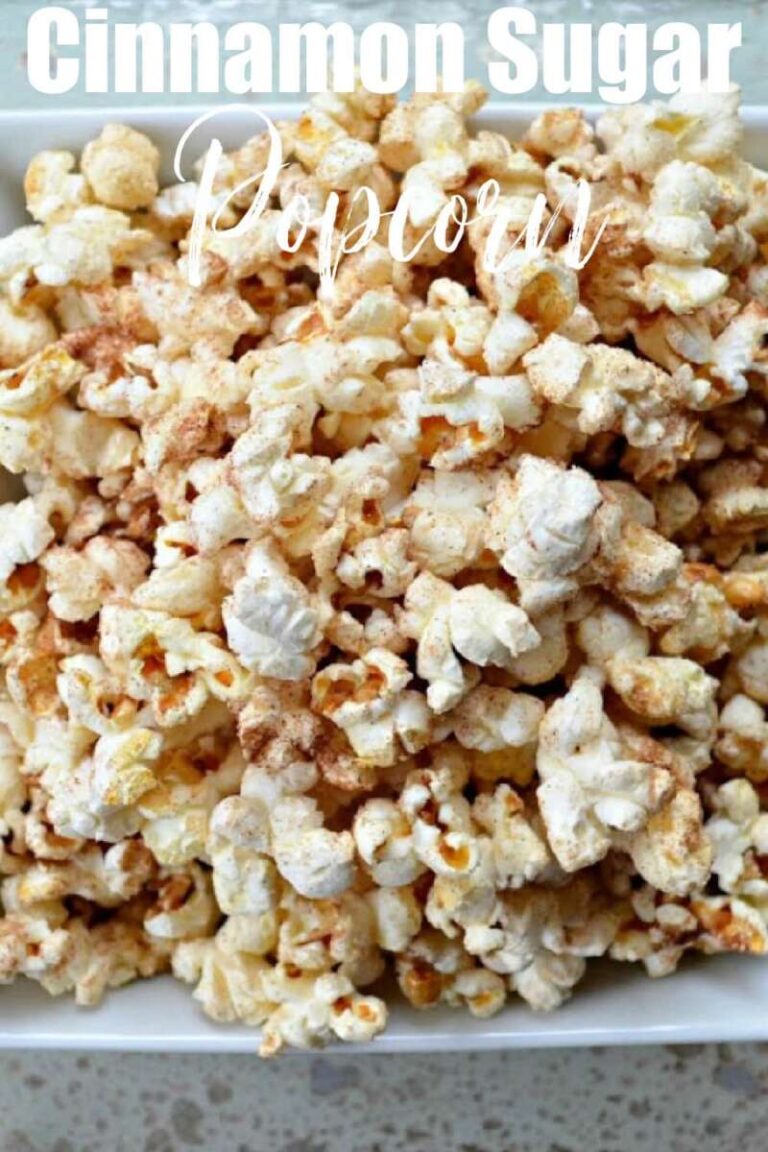
• Sweet and salty: Toss with melted butter, fine salt, and a light dusting of cinnamon sugar.
• Lemon pepper: Add lemon zest, black pepper, and a small amount of salt after buttering the popcorn.
Avoid wet sauces unless you plan to eat the popcorn right away. Hot sauce, honey, and melted cheese can soften the kernels quickly. For a crisp snack, use dry seasonings or serve wet toppings on the side.

How to make buttery popcorn at home in a microwave
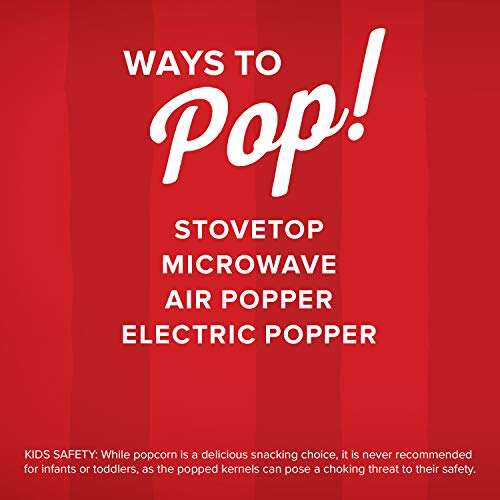
A microwave method is useful when you want a quick snack and easy cleanup. Use a large microwave-safe glass bowl with a vented cover or a microwave-safe plate placed loosely on top.
Add ¼ cup kernels to the bowl. Cover it, then microwave on high for about 2 to 4 minutes. Stop when the popping slows to one pop every two seconds.
Microwave power varies, so stay near the appliance during the first batch. Transfer the popcorn to a serving bowl, add warm butter, and season in layers.
Do not use a sealed container. Steam needs an escape route, and some plastic containers can soften or release unwanted odors when heated. Paper lunch bags are also not ideal unless they are specifically labeled for microwave use.
The microwave is convenient, but stovetop popcorn usually gives better control over browning, batch size, and texture. Both methods work well for how to make buttery popcorn at home.

How to store homemade buttery popcorn
Buttered popcorn tastes best within a few hours. As it sits, the butter and seasonings can slowly soften the kernels.
If you need to store it, cool the popcorn completely first. Place it in an airtight container at room temperature and eat it within one day for the best texture.
Do not refrigerate popcorn. The cold, damp environment can make it stale and chewy. Keep unbuttered popcorn in a sealed container, then add butter just before serving.
For parties, pop the kernels in advance but wait to add butter and salt until guests arrive. This simple step keeps the batch much closer to its fresh texture.

Nutrition and safety tips
Plain air-popped popcorn is a whole grain and can be a filling snack. Butter and oil add flavor, but they also add calories and saturated fat. The amount depends on the portion and the quantity of butter used.
A practical serving is about 3 cups of popped popcorn. If you are watching sodium, use unsalted butter and add a small amount of fine salt at the end.
Handle hot oil and steam with care. Keep children away from the stove, use a long-handled spoon, and avoid shaking a pot that is not securely covered. Let the pot cool before washing it, since adding cold water to very hot oil can cause splatter.
Food safety guidance supports keeping prepared foods clean, using safe equipment, and storing leftovers promptly. Popcorn is low risk compared with many cooked foods, but butter can become rancid over time, so store butter properly and check its smell before use.

Frequently asked questions about how to make buttery popcorn at home
What is the best butter for homemade popcorn?
Unsalted butter gives you the most control over the final flavor. Clarified butter and ghee are excellent choices because they contain less water and help the popcorn stay crisp.
How do you keep buttered popcorn from getting soggy?
Use a moderate amount of butter, let steam escape while popping, and pour the butter in a thin stream while tossing. Clarified butter can create an even crisper coating than regular melted butter.
Can you make buttery popcorn without oil?
Yes. You can air-pop the kernels or microwave them in a covered, vented bowl, then add melted butter afterward. Oil is useful for stovetop popping because it transfers heat evenly and helps prevent scorching.
Why is my homemade popcorn chewy?
Chewy popcorn usually has too much trapped steam or has absorbed moisture from butter, sauces, or humid air. Keep the lid slightly vented, serve it soon after popping, and store leftovers in an airtight container.
How much butter should you use for popcorn?
Start with 2 tablespoons of butter for about 8 cups of popped popcorn. Add more after tasting, since the ideal amount depends on the popcorn variety and your preferred richness.
Should you salt popcorn before or after butter?
Add butter first, then salt while tossing. The butter gives the salt something to cling to, which helps it spread across the popcorn instead of falling to the bottom of the bowl.
Conclusion
Learning how to make buttery popcorn at home takes only a pot, fresh kernels, oil, butter, and a few minutes of care. Use medium heat, release steam, stop popping before the kernels burn, and add warm butter in a thin stream. Clarified butter can improve crispness, while fine salt and dry seasonings help every bite taste balanced.
Start with the basic stovetop method tonight, then try a garlic herb, spicy, or sweet-and-salty version. Once you find your favorite blend, share your recipe or leave a comment with the topping combination you love most.

Liora Pennings is a seasoned chef and kitchen enthusiast with a passion for turning everyday cooking into an effortless experience. With years of hands-on culinary expertise, she specializes in practical techniques, ingredient know-how, and smart kitchen solutions that help home cooks elevate their meals. At KitchFlair.com, Liora shares her best tips, time-saving tricks, and honest product reviews to guide readers toward a more efficient, enjoyable, and inspired cooking routine. Whether you’re a beginner or a seasoned home chef, Liora’s friendly, knowledge-packed insights make every visit to the kitchen a little easier—and a lot more delicious.