How Does A Keurig Coffee Maker Work: Simple Guide
A Keurig coffee maker heats water, pierces a pod, and pumps brewed coffee into your cup.
Understanding how does a keurig coffee maker work makes it easier to choose the right brew size, fix common problems, and enjoy better coffee. This guide explains the full process, from the water tank and heating system to the K-Cup pod, pressure, cleaning, and flavor control. It also covers practical mistakes that can make a Keurig brew taste weak, bitter, or uneven.
How Does a Keurig Coffee Maker Work?
A Keurig coffee maker uses a simple single-serve brewing system. You add water to the reservoir, place a K-Cup pod in the holder, select a cup size, and press brew. The machine heats the water, sends it through the pod, and pours fresh coffee into your mug.
Here is the basic process:
- You fill the water reservoir.
- The machine heats the water.
- A needle punctures the top and bottom of the K-Cup.
- A pump moves hot water through the coffee grounds.
- The brewed coffee flows through the bottom of the pod.
- The coffee enters your cup through the dispenser.
The process takes only one or two minutes on most models. A Keurig does not brew a large pot at once. Instead, it prepares one measured serving with a sealed coffee pod.
A useful way to picture the machine is as a small automated pour-over brewer. The K-Cup holds the coffee grounds and filter, while the machine controls the water temperature, flow, and volume.

The Main Parts of a Keurig Coffee Maker
Knowing the main parts helps explain how does a keurig coffee maker work and makes troubleshooting much easier. Although models differ, most Keurig machines share the same core components.
Water reservoir
The reservoir stores the water used for brewing. Some models have a removable tank, while others use a fixed tank that you fill from the top.
The tank may include a water filter holder. A charcoal filter can reduce some chlorine taste and help limit mineral buildup. It cannot make unsafe water safe, so always begin with clean, drinkable water.
Heating system
A built-in heating element warms the water. Many Keurig machines use a small internal heater rather than heating the entire tank at once.
When you turn the machine on, it may heat water for the first brew. Some models keep part of the system warm so the next cup is ready faster. This is why a Keurig often brews more quickly after the first use.
Pump
The pump pushes water from the reservoir toward the heating system and coffee pod. It creates the movement needed to force hot water through the compact bed of coffee grounds.
The pump does not work like the high-pressure pump in an espresso machine. Keurig brewing uses enough force for pod brewing, but it is not designed to create true espresso pressure.
Pod holder and needles
The pod holder supports the K-Cup during brewing. One needle usually punctures the lid, while another punctures the bottom of the pod.
The top needle lets hot water enter. The bottom needle creates an exit path for the brewed coffee. These needles are small, so coffee grounds and mineral deposits can block them.
Drip tray and outlet
The drip tray catches spills and excess liquid. The outlet directs coffee into your mug.
A removable drip tray makes cleaning easier. It also gives you room for a travel mug on some models.

What Happens Inside a K-Cup Pod?
A K-Cup is a sealed plastic cup that contains ground coffee and a small filter. The lid often uses a foil seal. The pod keeps the coffee fresh until the machine punctures it.
When the Keurig starts:
- The upper needle breaks the foil lid.
- Hot water enters the pod.
- Water spreads through the coffee grounds.
- Coffee flavor dissolves into the water.
- The lower needle opens the base.
- Brewed coffee flows through the built-in filter.
The filter helps keep most grounds out of your cup. It also controls how water moves through the pod.
Different K-Cup pods may contain different coffee amounts, roast levels, and grind sizes. Dark roast pods often taste stronger, but the roast name does not always mean more caffeine. Caffeine depends on the coffee blend, serving size, and amount of grounds.
K-Cups also come in tea, hot chocolate, and other drink types. The machine works in much the same way, although each pod may respond differently to water temperature and flow.
How a Keurig Heats and Moves Water
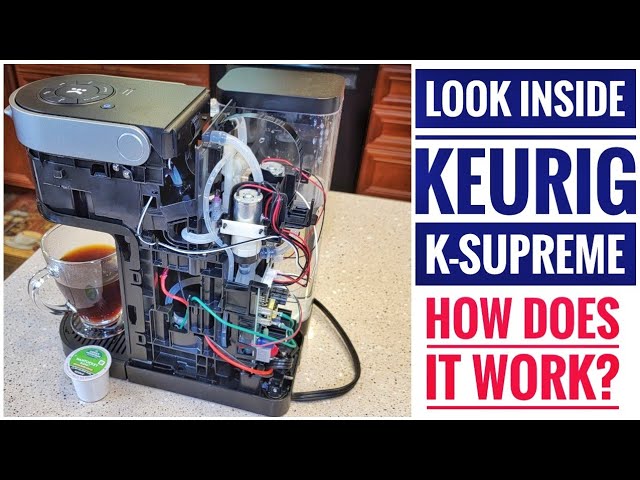
The water path explains how does a keurig coffee maker work in more technical detail. Water begins in the reservoir and travels through an internal tube. The pump moves it toward the heater, where the machine brings it to a hot brewing temperature.
Most Keurig machines brew below the boiling point of water. This matters because boiling water can damage coffee flavor and create a harsh taste. The exact temperature varies by model, but many home brewers aim for a range close to common coffee brewing standards.
The heated water then enters the K-Cup through the top needle. It passes through the grounds for a short time. The brewed liquid leaves through the bottom needle and flows into your cup.
Unlike espresso, Keurig coffee usually has little or no crema. Crema is the foam created by high pressure and emulsified coffee oils. A Keurig can make a concentrated cup, but it does not produce traditional espresso unless you use a compatible specialty system.
Water volume affects strength. If the machine sends more water through the same amount of coffee, the drink becomes weaker. A smaller cup setting usually produces a stronger taste because the same pod is diluted less.

Why Keurig Coffee Can Taste Weak or Bitter
Many people ask how does a keurig coffee maker work when their drink does not taste right. The machine may be working normally, but the cup can still suffer from water quality, pod choice, or brewing settings.
Weak coffee often comes from these causes:
• Choosing a large cup size for a small pod
• Using an old or damaged K-Cup
• Filling the reservoir with very soft-tasting or stale water
• A clogged needle that slows water flow
• Mineral buildup inside the machine
• Brewing a light pod with too much water
• Letting the coffee sit in a cold mug
Bitter coffee may result from an overly dark roast, a dirty machine, or water that is too hot for the coffee blend. Reusing a K-Cup can also produce thin, unpleasant coffee because most of the useful flavor has already been extracted.
For a stronger cup, try a smaller brew size first. You can also choose an extra-strong setting if your model includes one. Preheating your mug with hot water can help keep the coffee warmer after brewing.
In practical use, one of the most common mistakes is blaming the pod when the machine needs cleaning. A clean needle and a descaled water path often improve taste more than switching between several coffee brands.

How to Use a Keurig Coffee Maker Correctly
Using a Keurig is simple, but a few small habits improve the result. Follow these steps for a reliable cup:
- Fill the reservoir with fresh, cool drinking water.
- Turn on the machine and allow it to finish heating.
- Place a mug under the coffee outlet.
- Lift the handle and insert one compatible K-Cup.
- Close the handle fully so the needles can pierce the pod.
- Choose a brew size that matches the pod and your taste.
- Press the brew button.
- Wait until the flow stops before removing the pod.
- Remove the used pod and empty the drip tray when needed.
Never remove the pod while water is still flowing. Hot water and steam may escape from the pod holder.
Do not pack loose coffee into a standard K-Cup holder unless you are using a reusable pod made for your model. A poor fit can cause leaks, weak extraction, or damage to the needle system.
If your machine has a strong or bold button, use it with caution. This setting may slow the water flow or change the brewing pattern. It can create a fuller cup, but it will not turn a low-quality pod into café-quality coffee.

Keurig Brew Sizes and Coffee Strength
Brew size is one of the most important controls on a Keurig. A small setting uses less water, while a large setting uses more water with the same pod.
For example:
• A 6-ounce setting often tastes bold and concentrated.
• An 8-ounce setting offers a balanced everyday cup.
• A 10- or 12-ounce setting may taste lighter.
These amounts vary by model and pod. Some pods are designed for larger servings, while others contain less coffee and work best with a small cup size.
A larger cup does not mean more coffee grounds. It usually means more water passing through the same pod. This is why the largest setting can taste thin.
For better control, use the smallest setting that fills your preferred mug. If you want more coffee, brew a second pod instead of forcing one pod to produce a large, weak serving.
Some Keurig models allow temperature adjustment. A hotter setting may increase perceived strength, but it can also make certain dark roasts taste sharp. Taste is personal, so adjust one setting at a time.

How to Clean and Descale a Keurig
Cleaning is a major part of understanding how does a keurig coffee maker work over time. Coffee residue, dust, and minerals can build up inside the pod holder, water path, and reservoir.
Clean these areas regularly:
• Wipe the exterior with a damp cloth.
• Wash the removable reservoir with mild soap.
• Rinse the pod holder and funnel.
• Clear the entrance and exit needles carefully.
• Empty and wash the drip tray.
• Replace the water filter according to the model instructions.
Descaling removes mineral deposits caused by hard water. These deposits can reduce water flow, slow brewing, create noise, and affect taste.
Most manufacturers recommend descaling on a regular schedule or when the machine displays a warning. The right timing depends on water hardness and how often you brew. Homes with hard water may need more frequent descaling.
Use the descaling method listed in your owner’s manual. Some machines accept a manufacturer-approved descaling solution. After descaling, run several fresh-water cycles so no solution remains in the internal system.
Do not use abrasive cleaners inside the machine. Also, do not assume that a water filter eliminates the need to descale. A charcoal filter may improve taste, but it does not remove every mineral that can form scale.

Common Keurig Problems and Simple Fixes
When a Keurig stops brewing well, the cause is often easy to identify. Start with the simplest checks before attempting a repair.
The Keurig will not brew
Check that the reservoir has enough water and sits firmly in place. Make sure the pod handle is fully closed and the machine has completed its heating cycle.
The coffee comes out slowly
A clogged needle or mineral buildup may restrict flow. Turn off and unplug the machine, then clean the removable pod parts and needles as directed in the manual.
The machine leaks
A damaged pod, poorly seated reservoir, or blocked exit needle can cause leaking. Try a fresh pod and check that the pod holder is installed correctly.
The coffee is not hot enough
A cold mug can make coffee seem cooler than it is. If the coffee remains unusually cool, the machine may need cleaning, descaling, or professional service.
The Keurig makes a loud noise
Some noise is normal because the pump moves water through the system. A sudden change in sound may indicate low water, air in the water path, or mineral buildup.
Avoid forcing parts or inserting sharp objects deep into the machine. If a cleaning step does not solve the problem, consult the model-specific manual or an authorized service provider.

Keurig Advantages and Limitations
A Keurig coffee maker is convenient, but it is not perfect for every drinker. Knowing its strengths and limits helps you decide whether it fits your routine.
Main benefits
• It brews one cup quickly.
• It offers many coffee and tea flavors.
• It creates little mess compared with ground coffee.
• It requires less measuring and setup.
• It works well in homes and offices with different drink preferences.
• Many models include programmable features and adjustable cup sizes.
Main limitations
• Pods can cost more per serving than bulk ground coffee.
• Standard K-Cups create more packaging waste than loose grounds.
• Coffee flavor may be less fresh than freshly ground beans.
• A large cup setting can produce weak coffee.
• The machine needs regular cleaning and descaling.
• It does not make traditional espresso.
Reusable pods can reduce waste and allow you to use your own ground coffee. However, they require more cleanup and may not produce the same results as sealed pods. Grind size, fill level, and tamping can greatly affect the cup.
Some K-Cup pods are recyclable only where local facilities accept the required materials. Check local recycling rules instead of assuming every component belongs in the curbside bin.
How Keurig Compares With Other Coffee Makers
A Keurig is built for speed and consistency. A drip coffee maker is usually better when you want several cups at once. A French press gives you more control over steeping time and body, while a pour-over brewer provides precise control over water flow.
An automatic espresso machine uses pressure to create concentrated espresso. A Keurig uses hot water and a pod, so the final drink has a different body, aroma, and strength.