How To Make Seasoning Stick To Popcorn: Easy Tips That Work
Use a light coating of oil, butter, or cooking spray, then toss warm popcorn with finely ground seasoning.
Learning how to make seasoning stick to popcorn comes down to one simple idea: dry spices need a little moisture or fat to cling to each kernel. After testing different oils, seasonings, and tossing methods, I have found that warm popcorn, a fine seasoning texture, and gradual mixing create the most even flavor without making the popcorn soggy.

Why Seasoning Falls Off Popcorn
Popcorn has a dry, uneven surface. Most salt, cheese powder, chili powder, and herb blends have no natural way to grip that surface. When you sprinkle them over plain popcorn, the seasoning often falls to the bottom of the bowl.
Heat also plays a role. Fresh popcorn releases a small amount of steam. That warmth can help a thin layer of butter or oil spread across the kernels. Cold popcorn is less receptive, so the seasoning tends to bounce off.
The size of the seasoning matters, too. Coarse salt and large herb flakes do not cover popcorn well. Fine particles have more contact with the popcorn, much like fine sand fills more space than small pebbles.
The main reasons seasoning does not stick include:
• The popcorn is too cold.
• The popcorn has no oil, butter, or other binder.
• The seasoning is too coarse.
• Too much seasoning is added at once.
• The bowl is too small for proper tossing.
• The coating is uneven or too wet.
Understanding these problems makes it much easier to learn how to make seasoning stick to popcorn every time.
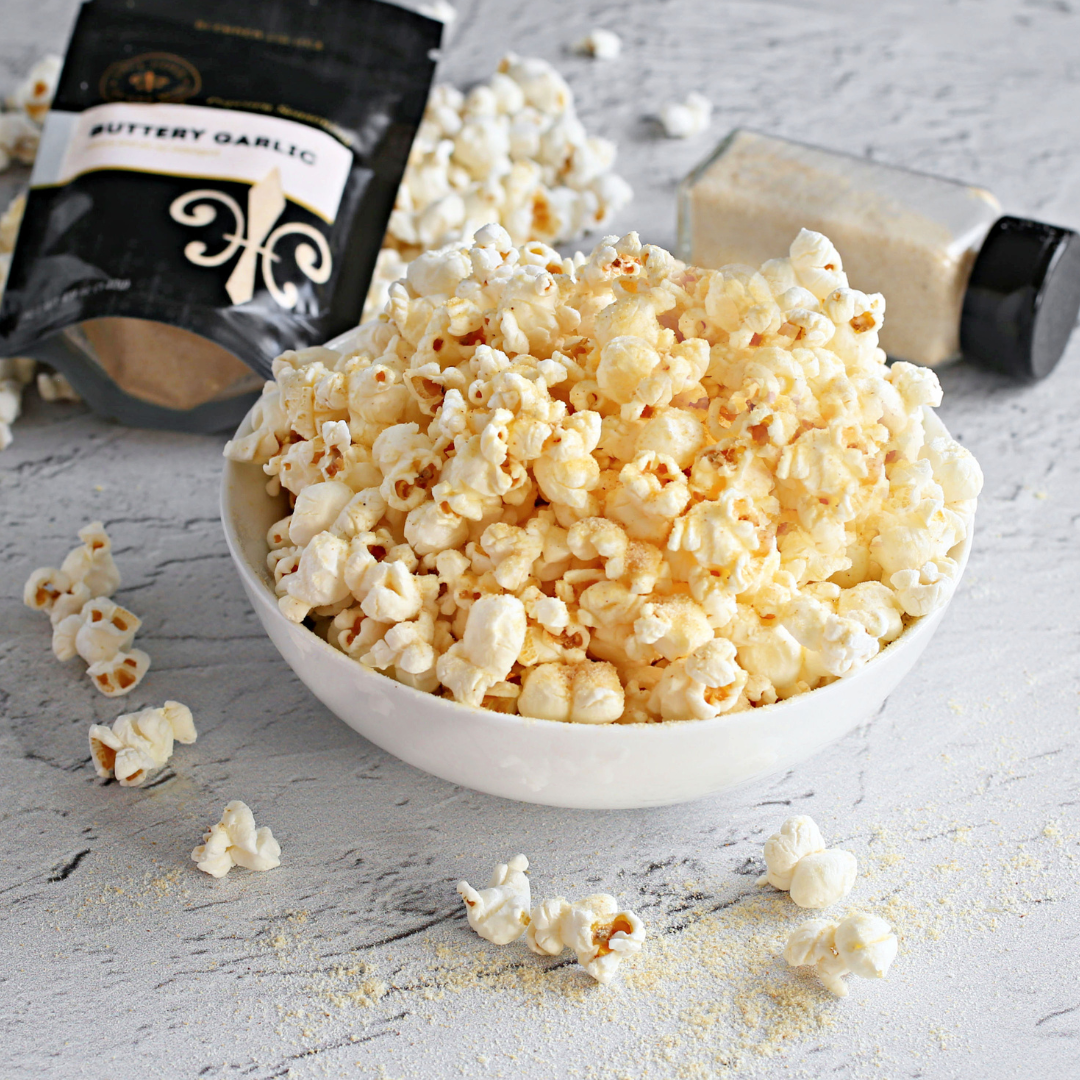
The Best Basic Method for Making Seasoning Stick
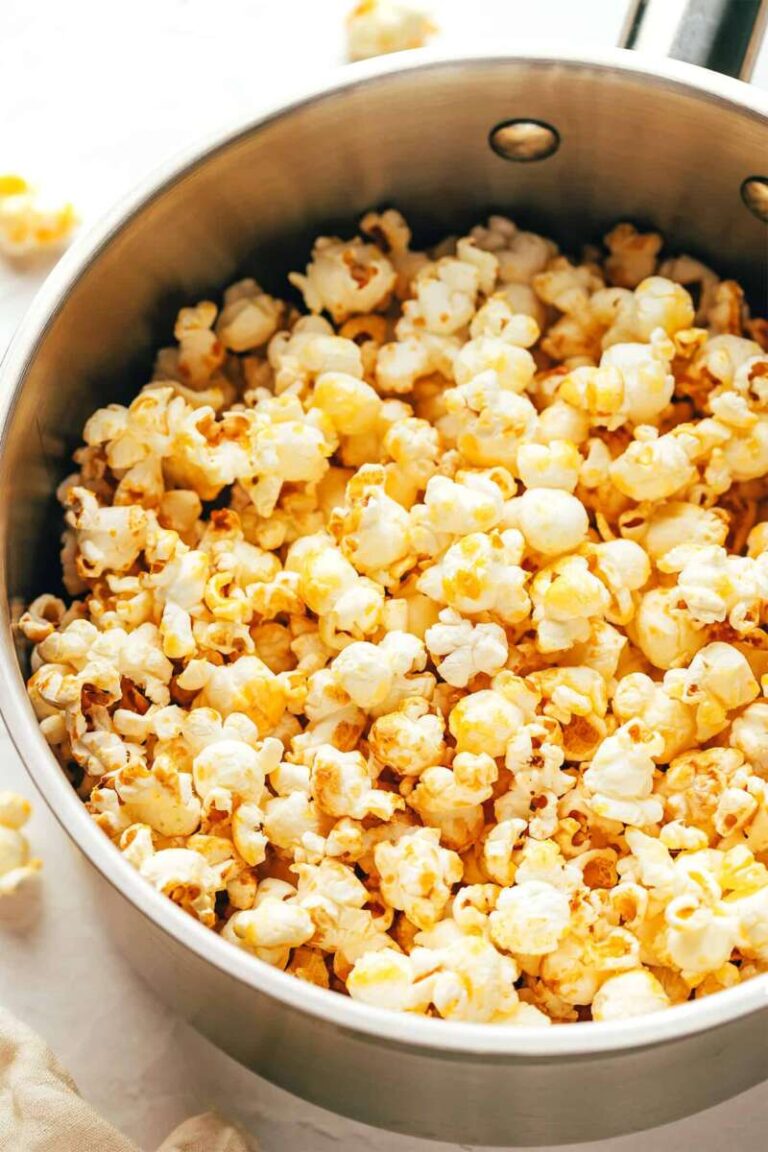
The most reliable method uses warm popcorn, a small amount of fat, and finely ground seasoning. This approach works for movie theater popcorn, stovetop popcorn, air-popped popcorn, and microwave popcorn.
What you need
• 8 cups of warm popcorn
• 1 to 2 tablespoons of melted butter or neutral oil
• ½ to 1 teaspoon of fine salt or seasoning blend
• A large bowl with room for tossing
Step-by-step instructions
-
Place the warm popcorn in a large bowl. Remove any unpopped kernels so they do not get in the way.
-
Drizzle half of the melted butter or oil over the popcorn. Do not pour it all in one spot.
-
Toss the popcorn for about 15 seconds. Use a large spoon or shake the bowl gently.
-
Sprinkle half of the seasoning over the popcorn.
-
Toss again until the seasoning looks evenly spread.
-
Add the remaining butter or oil in a thin stream.
-
Sprinkle in the rest of the seasoning and toss once more.
-
Taste a few pieces from different parts of the bowl. Add a small amount of seasoning only if needed.
The key lesson in how to make seasoning stick to popcorn is to work in layers. A single heavy pour creates wet spots and leaves other kernels bare. Small additions spread the binder and seasoning much more evenly.
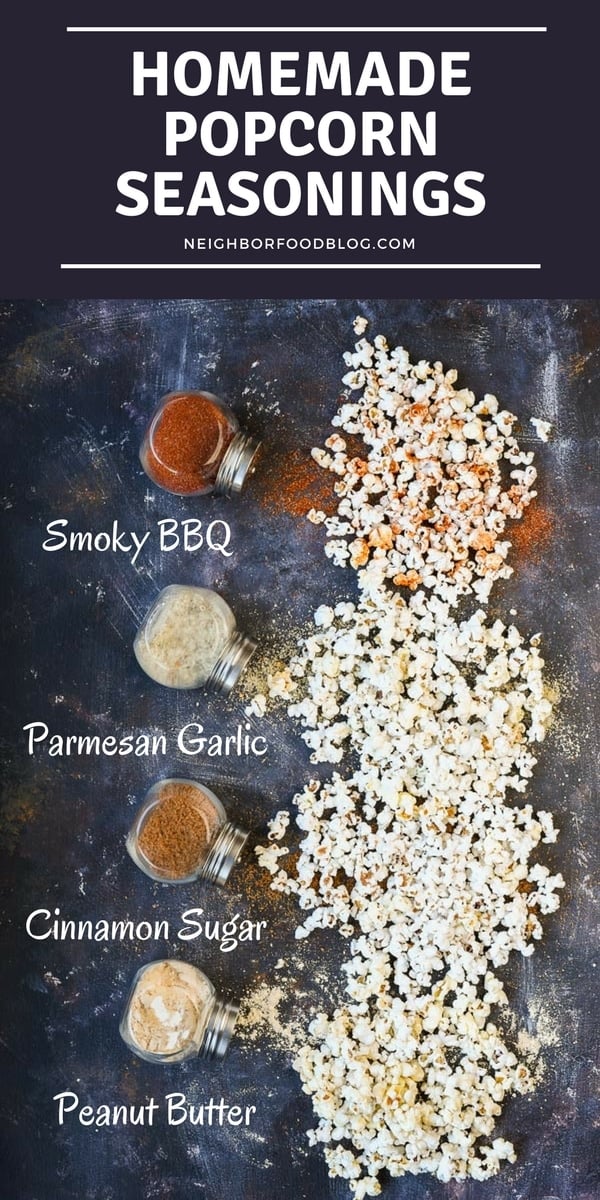
Choose the Right Binder
A binder gives seasoning something to hold on to. The best choice depends on the flavor you want and how crisp you want the popcorn to stay.
Melted butter
melted butter gives popcorn a rich flavor and a classic movie theater taste. Use clarified butter or ghee if you want less water in the butter. Regular butter contains water, so adding too much can soften the popcorn.
For 8 cups of popcorn, start with 1 tablespoon. Add more only when needed.
Neutral oil
Canola, avocado, grapeseed, and light olive oil work well. Oil keeps popcorn crisp because it contains no water. It also spreads easily when drizzled slowly.
Choose a mild oil if you want the spice blend to stand out. A flavored oil can work, but it may compete with delicate herbs or cheese seasoning.
Cooking spray
Cooking spray is useful when you want a very light coating. Hold the can several inches away and apply short sprays while tossing the popcorn. Do not soak one section.
Some sprays contain propellants and may not be intended for direct spraying into a bowl. Follow the product label and use a food-safe spray made for cooking.
Hot sauce or another wet flavor
A few drops of hot sauce can help seasoning adhere, especially in spicy popcorn recipes. However, wet ingredients can make popcorn chewy if you use too much.
Mix hot sauce with a little oil first. Then drizzle the mixture lightly while tossing.
Water
Water alone is not the best binder. It can dissolve salt, but it also softens popcorn quickly. If you use water-based flavorings, add only a very fine mist and eat the popcorn soon after coating it.
In most cases, learning how to make seasoning stick to popcorn is easier with a small amount of oil or butter than with water.
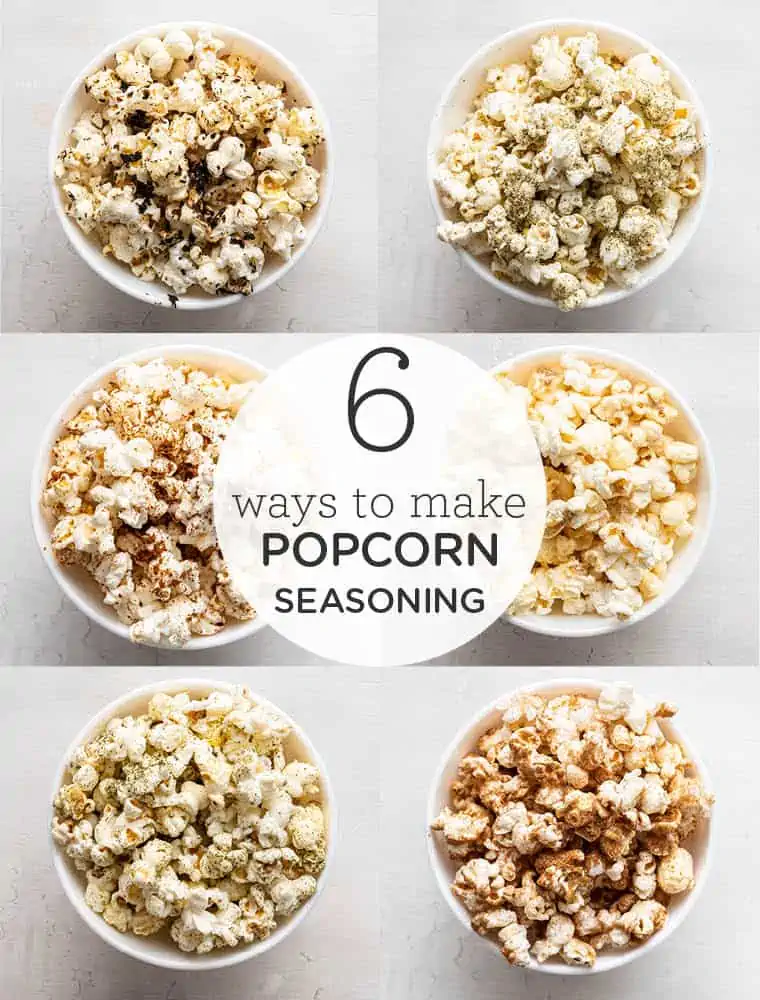
Use Fine Seasoning for Better Coverage
Fine seasoning sticks better than coarse seasoning because it reaches more of the popcorn’s small ridges and folds. This is especially important for air-popped popcorn, which can have a dry and slightly rough surface.
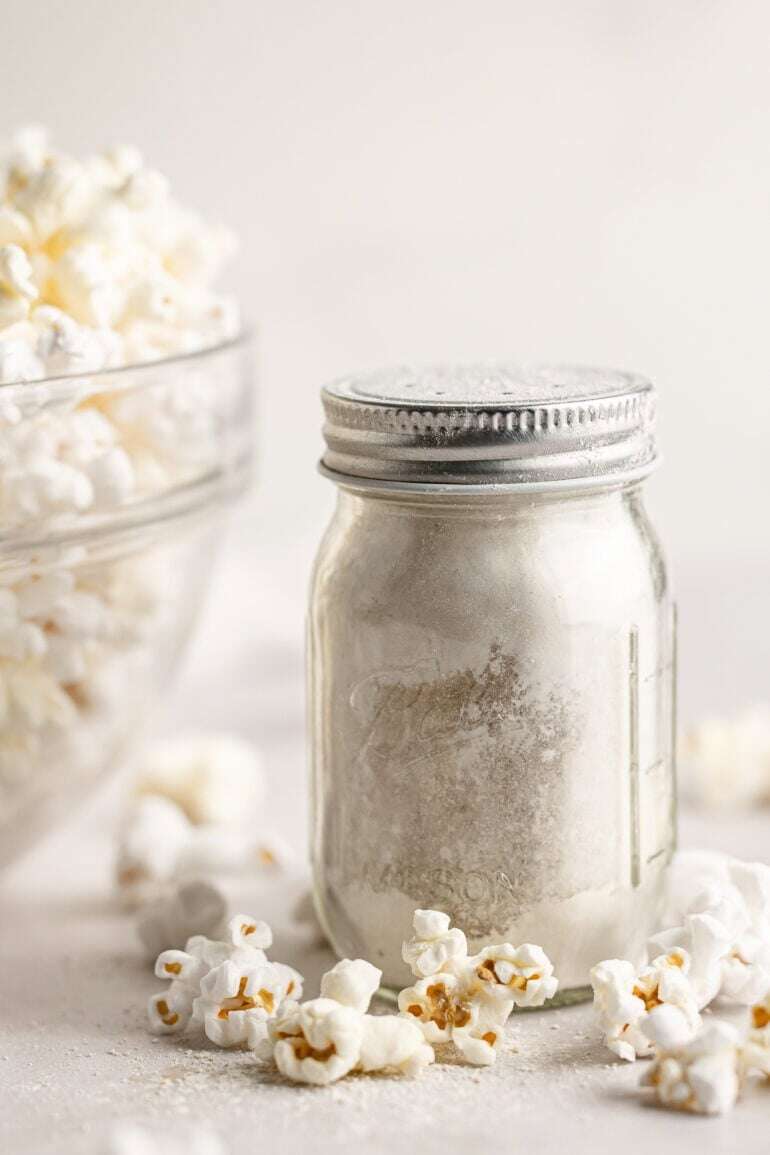
You can improve the texture of a seasoning blend with a spice grinder, blender, or mortar and pestle. Pulse briefly until the mixture becomes fine, but avoid grinding oily ingredients into a paste.
Good choices for fine popcorn seasoning include:
• Powdered cheese
• Finely ground popcorn salt
• Garlic powder
• Onion powder
• Smoked paprika
• Ground black pepper
• Nutritional yeast
• Chili powder
• Cinnamon sugar
• Finely crushed dried herbs
Popcorn salt is especially useful because its tiny crystals spread across a large area. Regular table salt can work, but it may taste too strong in some bites and absent in others.
A useful trick is to mix coarse blends with a fine base. For example, combine dried parsley with garlic powder, onion powder, and fine salt. The fine ingredients help carry the larger herb pieces across the popcorn.

How to Make Seasoning Stick to Air-Popped Popcorn
Air-popped popcorn is light and low in fat, but it can be harder to season because the kernels are very dry. A light mist of oil is usually the best solution.
Place the popcorn in a large bowl. Spray or drizzle a small amount of oil while tossing. Then sprinkle the seasoning in two or three stages.
For a lower-fat option, use a fine mist rather than a heavy pour. Nutritional yeast, powdered herbs, cinnamon, and fine salt work well because they are light and easy to distribute.
You can also place the popcorn in a paper bag, add the seasoning, fold the top, and shake gently. Add the oil first, though, because dry seasoning alone will settle at the bottom.
Do not shake too hard. Aggressive shaking can crush the popcorn and create crumbs that absorb most of the seasoning.

How to Make Seasoning Stick Without Butter
You do not need butter to make seasoning stick. Neutral oil, coconut oil, olive oil, and cooking spray can all work well.
For the crispest result, use about 1 teaspoon of oil for every 4 cups of popcorn. This is only a starting point. The ideal amount depends on the popcorn’s size, warmth, and dryness.
Follow this simple method:
-
Warm the popcorn slightly if it has cooled.
-
Add half the popcorn to a large bowl.
-
Drizzle a small amount of oil over it.
-
Toss for 10 to 15 seconds.
-
Add the rest of the popcorn.
-
Add more oil and seasoning in thin layers.
-
Toss until every handful has a light coating.
Avocado oil is a good choice for a neutral taste. Coconut oil works well with sweet flavors, curry, and cinnamon. Olive oil pairs nicely with garlic, rosemary, Parmesan-style seasoning, and cracked pepper.