Will Coffee Make You Fat: The Truth About Calories
No, plain coffee does not usually cause weight gain, but sugary add-ins and large portions can increase calories.
The answer to “will coffee make you fat” depends on what is in your cup, how much you drink, and how coffee affects your sleep, hunger, and daily habits. Plain brewed coffee is very low in calories. A café drink with syrup, cream, whipped topping, or whole milk can be closer to a small dessert.
This guide explains the link between coffee and body weight using nutrition research, practical examples, and simple tips you can use today.
Will coffee make you fat?
Plain coffee is unlikely to make you fat. An 8-ounce cup of black coffee usually has about 2 to 5 calories. That amount is too small to cause meaningful weight gain on its own.
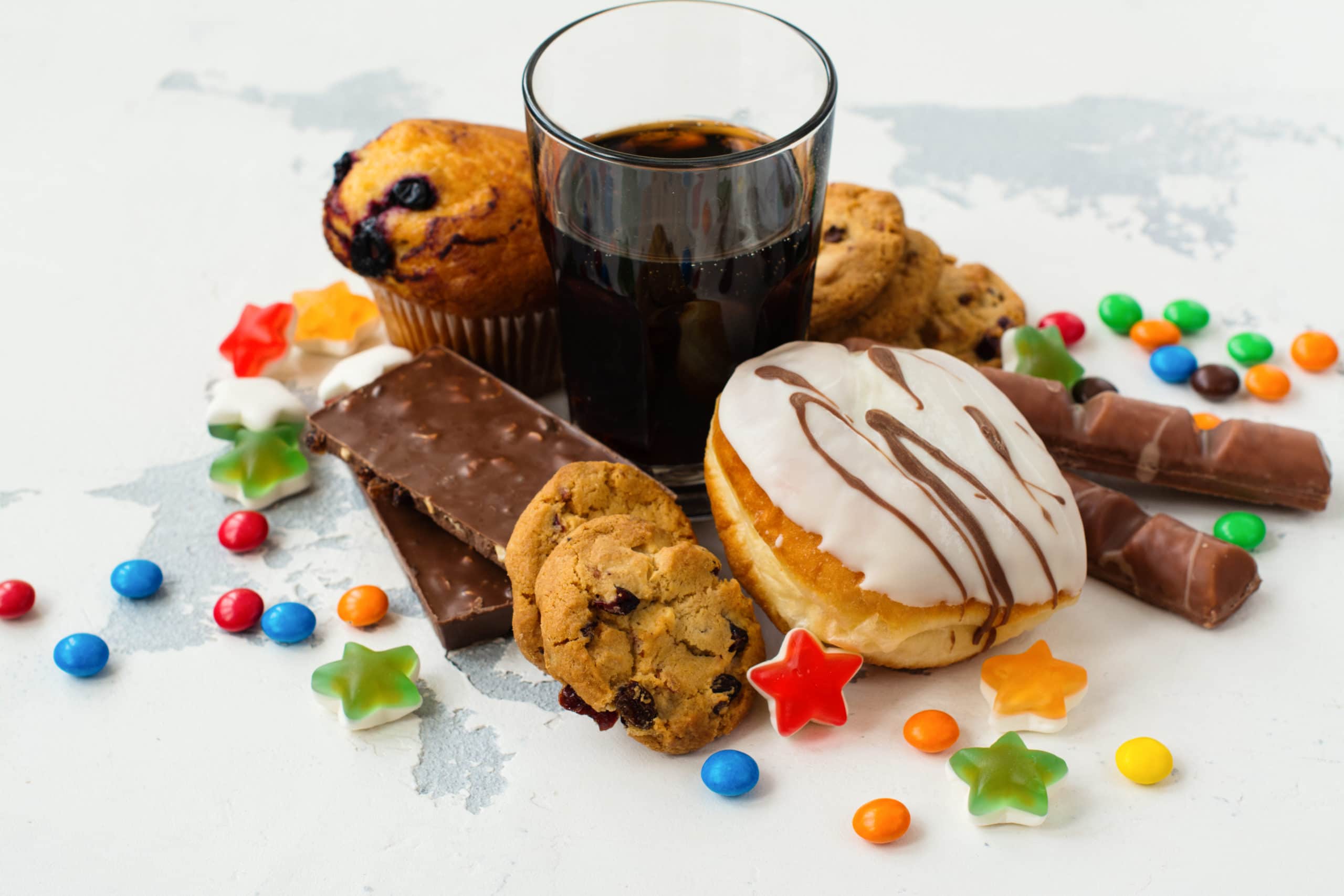
The bigger issue is the calorie content of coffee drinks. A large flavored latte may contain 250 to 500 calories. A blended coffee drink can contain even more. Drinking one each day may add thousands of extra calories each month.
Weight gain occurs when you take in more energy than your body uses over time. Coffee can be part of a healthy diet, but it may also carry hidden calories.
Common high-calorie coffee additions include:
• Sugar and flavored syrups
• Heavy cream and sweetened creamer
• Whole milk in large amounts
• Whipped cream
• Caramel, chocolate, and other toppings
• Sweet cold foam
• Blended ice and sugar drinks
So, will coffee make you fat? Black coffee usually will not. High-calorie coffee beverages may contribute to weight gain if they become a daily habit.
How many calories are in common coffee drinks?
Coffee calories can vary a lot. The cup size, milk type, sweetener, and toppings all matter.
Here is a general guide:
• Black coffee: About 2 to 5 calories per 8-ounce cup
• Coffee with one teaspoon of sugar: About 18 to 25 calories
• Coffee with two tablespoons of half-and-half: About 40 calories
• Small latte with low-fat milk: About 100 to 150 calories
• Flavored latte: About 200 to 400 calories
• Mocha with whipped cream: About 300 to 500 calories
• Blended frozen coffee drink: About 400 to 800 calories
These numbers are estimates. Restaurant recipes can differ, so check the nutrition facts when possible.
A simple example makes the difference clear. Drinking black coffee each morning adds very few calories. Drinking a large caramel latte each morning may add 350 calories. Over seven days, that is about 2,450 extra calories, before counting any other food.
That does not guarantee weight gain. Your total diet and activity level still matter. However, liquid calories are easy to miss because they often do not make you feel as full as solid food.

Can caffeine help with weight loss?
Caffeine may slightly increase alertness, energy use, and fat breakdown for a short time. This is one reason caffeine appears in many weight-loss products.
However, the effect is modest. Your body can also develop some tolerance to caffeine. Over time, the same cup may have a smaller effect on energy use and appetite.
Research suggests that caffeine may raise resting energy expenditure for a few hours. Yet this does not mean coffee is a powerful fat burner. A coffee habit cannot replace a balanced diet, regular movement, and good sleep.
Coffee may help some people in practical ways:
• It may make a morning walk feel easier.
• It may improve focus before exercise.
• It may replace a higher-calorie breakfast drink.
• It may reduce the desire for food for a short time in some people.
The response is personal. Some people feel less hungry after coffee. Others feel hungrier, shaky, or tired later. Your own response matters more than a general claim.
Will coffee make you fat if it boosts your appetite? It could contribute indirectly if it leads you to eat more later. Pay attention to your hunger, mood, and energy for several days.

Does coffee affect appetite?
Caffeine can affect appetite, but the effect is not the same for everyone. Some people notice fewer hunger signals after drinking coffee. Others feel no change at all.
Coffee can also create a false sense of control. You may skip breakfast, feel fine for a few hours, and then become very hungry in the afternoon. That hunger can lead to large portions, fast eating, or frequent snacking.
Sweet coffee may also increase cravings. Sugar provides quick energy, but the drink may not keep you full for long. A pastry and a sweet latte can become an easy routine without feeling like a full meal.
Try this simple test:
-
Drink your usual coffee for three days.
-
Write down the drink, size, and add-ins.
-
Note your hunger two to four hours later.
-
Record any snacks or cravings.
-
Repeat with a lower-calorie version.
This can show whether coffee affects your appetite in real life. A food journal does not need to be perfect. Even a few honest notes can reveal patterns.

Can coffee cause belly fat?
Coffee does not specifically target or create belly fat. Body fat increases when total calorie intake stays above total energy needs over time.
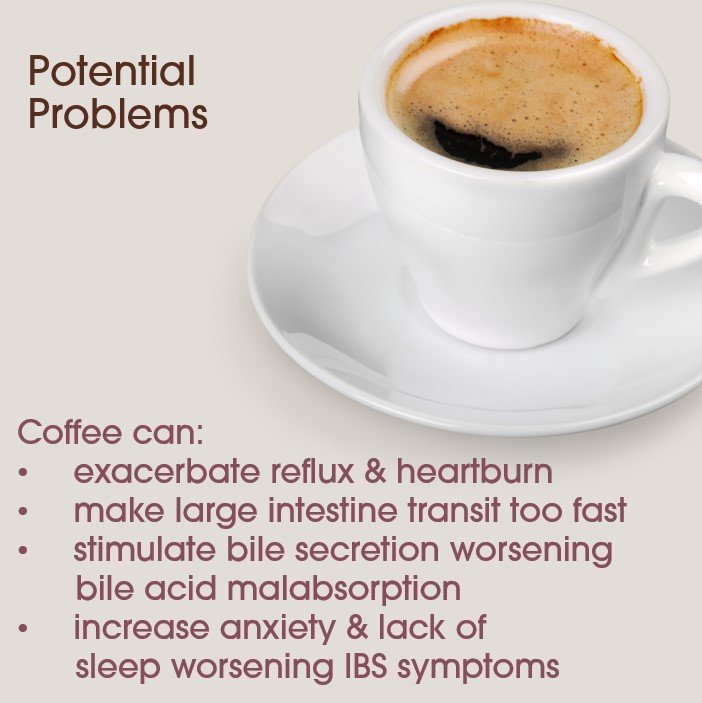
Still, coffee may be linked with belly fat through indirect habits. For example, a person may drink several sweet coffees, sleep poorly, and eat more high-calorie foods the next day. The coffee itself is only one part of that pattern.
Stress may also matter. Some people use coffee to push through long workdays and short nights. Too much caffeine can cause nervousness or poor sleep. Poor sleep may affect hunger hormones, food choices, and activity levels.
A 2022 review of sleep and weight research found a clear link between short or poor-quality sleep and a higher risk of weight gain. This does not prove that coffee causes belly fat. It does show why late-day caffeine deserves attention.
To protect your sleep:
• Stop caffeine at least six to eight hours before bed if you are sensitive.
• Avoid using coffee to cover up chronic sleep loss.
• Keep your coffee routine consistent.
• Choose water when you are thirsty.
• Notice whether caffeine makes you restless at night.
Will coffee make you fat through poor sleep? Not directly, but too much caffeine may make weight control harder for some people.
What coffee ingredients can cause weight gain?
The main weight-gain risk usually comes from what you add to coffee. These ingredients can turn a low-calorie drink into a high-calorie snack.
Sugar and flavored syrups
One teaspoon of table sugar has about 16 calories. Several pumps of syrup can add much more. A drink may taste smooth and light while containing a large sugar load.
Cream and sweetened creamer
Cream adds fat and calories. Sweetened creamers add both sugar and fat. Small servings may fit your diet, but free pouring can quickly double or triple the amount.
Milk
Milk is not unhealthy. It provides protein, calcium, and other nutrients. The concern is portion size, especially when a large drink contains many ounces of whole milk.
Whipped cream and toppings
Whipped cream, chocolate sauce, caramel, and cookie crumbs add calories without much fullness. These toppings are best treated as occasional extras.
Blended coffee drinks
Blended drinks often contain sugar, milk, sauces, and toppings. Some are closer to a milkshake than ordinary coffee.
The goal is not to fear these foods. A treat can fit into a healthy eating plan. The key is to understand what you are drinking and how often you choose it.

Is coffee good for you?
Coffee can offer benefits for many adults when consumed in moderate amounts. It contains caffeine and plant compounds called polyphenols. Observational research has linked regular coffee intake with a lower risk of some health conditions, including type 2 diabetes and certain liver diseases.
These findings do not prove that coffee prevents disease. People who drink coffee may also differ in diet, exercise, income, sleep, and other health habits.
Coffee may also improve alertness and mental performance. This can help during a long workday or before exercise. However, more is not always better.
The Food and Drug Administration states that up to 400 milligrams of caffeine per day is generally not linked with dangerous negative effects for most healthy adults. That is roughly two to four cups of brewed coffee, depending on strength and size.