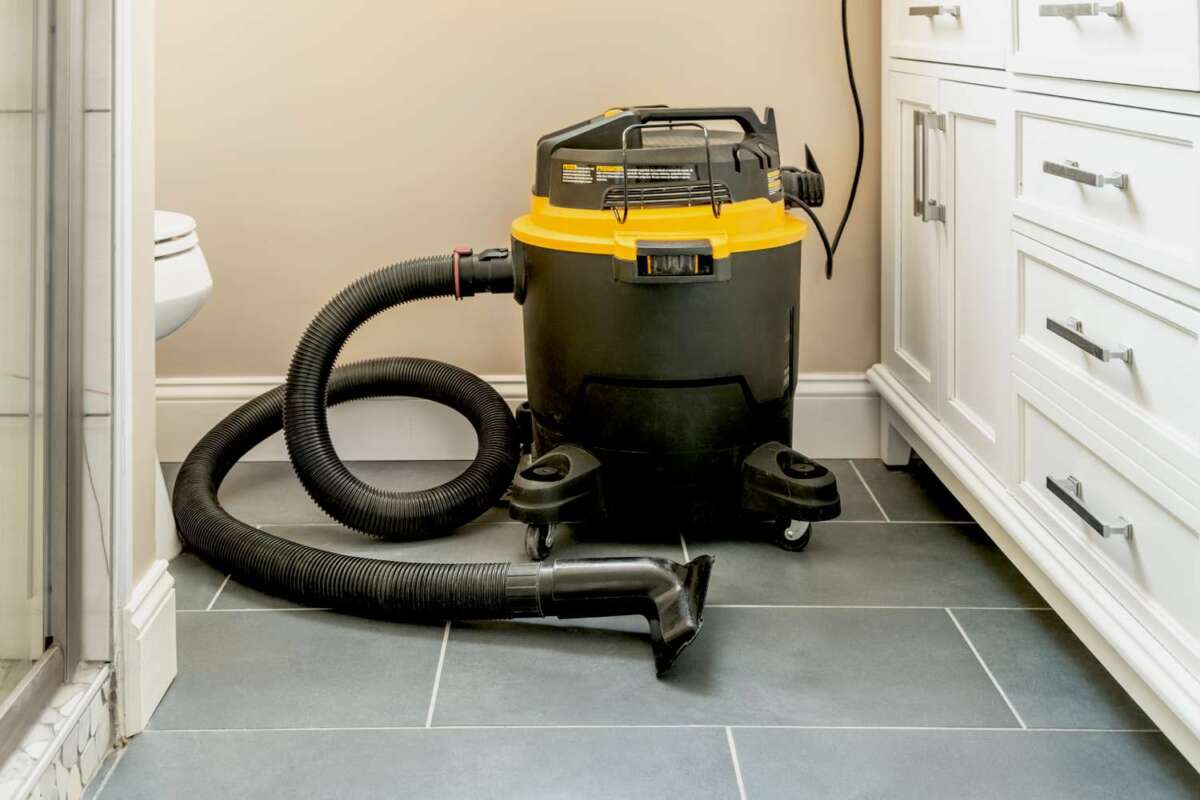
Can You Put Water In A Vacuum Cleaner: Safe Cleaning Guide
You cannot put water in a regular vacuum cleaner because it may cause electric shock, motor damage, or mold growth.
The answer to “can you put water in a vacuum cleaner” depends on the machine’s design. A standard household vacuum is made for dry dust, while a wet/dry vacuum, carpet cleaner, or water-filtration vacuum is built to handle liquid. Knowing the difference can protect your appliance, your floors, and your safety.
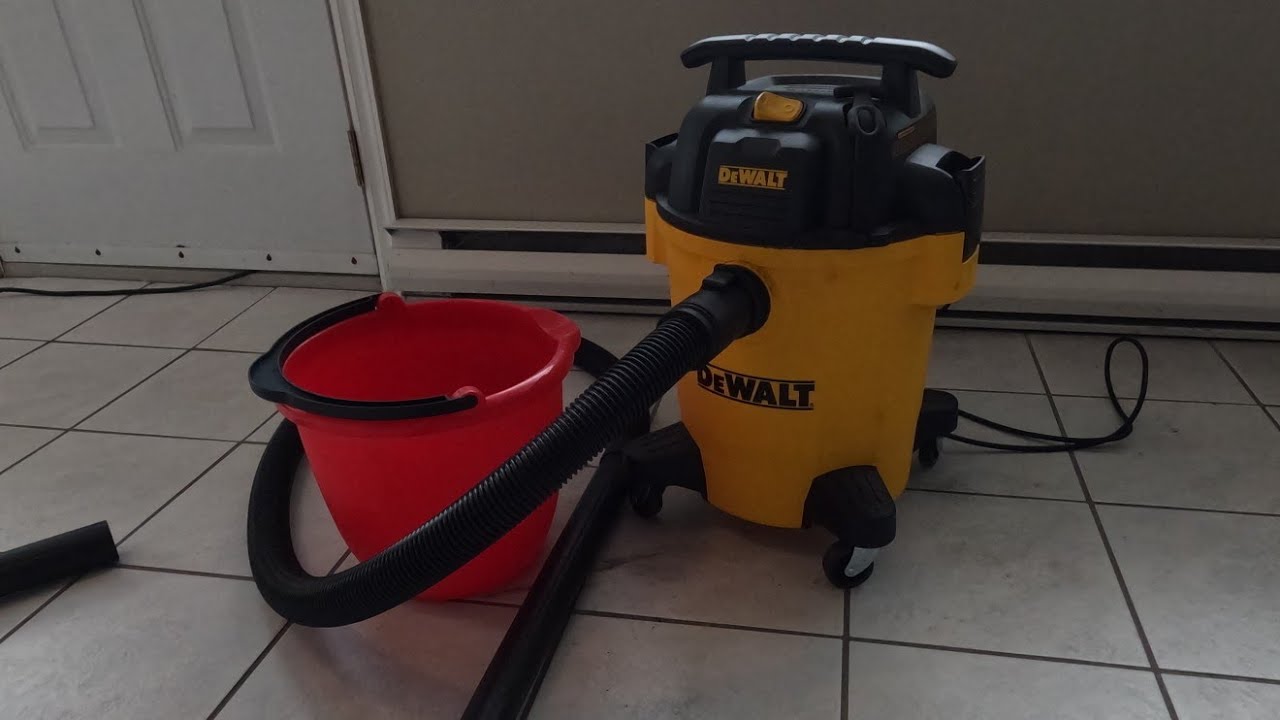
Can You Put Water in a Vacuum Cleaner?
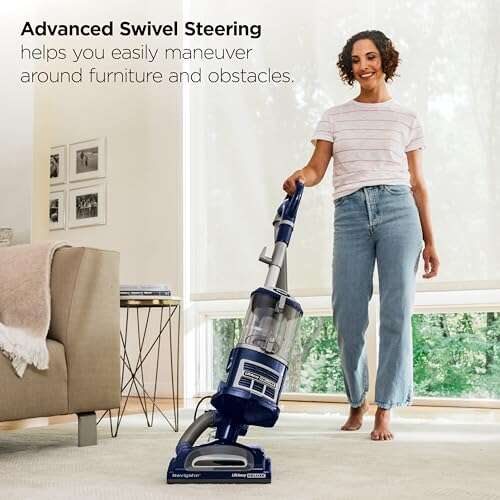
You should not put water in a standard vacuum cleaner. Most upright, canister, stick, and handheld vacuums are designed to collect dry dirt only.
Water can reach parts that should stay dry, such as:
• The electric motor
• The power switch
• Wiring and circuit boards
• Paper filters
• Dust bags
• Bearings and fan parts
When these parts get wet, the vacuum may short-circuit or stop working. In some cases, it may create a shock or fire risk.
The only safe exception is a machine that clearly says it is designed for wet pickup. Look for terms such as “wet/dry vacuum,” “shop vacuum,” “wet vacuum,” or “water filtration vacuum” on the product label or manual.
So, can you put water in a vacuum cleaner? You can only do so when the manufacturer specifically allows liquid pickup.
:max_bytes(150000):strip_icc()/how-to-use-a-shop-vac-for-water-5081535-01-ba6add11c48944c7b18ca1a26c167b7f.jpg)
Why Regular Vacuums Should Stay Dry
A regular vacuum uses suction to pull dry debris through a hose and filter. The motor then draws air through the system and releases filtered air back into the room.
Water changes this process. It is heavier than dust and can move quickly through the hose. If it reaches the motor, it may damage the electrical parts before the user notices a problem.
Water can also block airflow. A wet filter may swell, clog, or become difficult to clean. When airflow drops, the motor can run hot because the moving air normally helps cool it.
Another issue is residue. Dirty water may contain food, hair, soap, pet waste, or bacteria. These materials can remain inside the hose and create bad smells.
Common damage caused by water
Putting water in a regular vacuum can lead to:
• Motor failure
• Electrical shorts
• Blown fuses or tripped breakers
• Rust on metal parts
• A soaked dust bag
• A damaged filter
• Mold and mildew
• Persistent odors
• Loss of suction
A vacuum may continue to run after a small spill enters the hose. That does not mean it is safe. Damage can develop later as moisture reaches sensitive parts or causes corrosion.
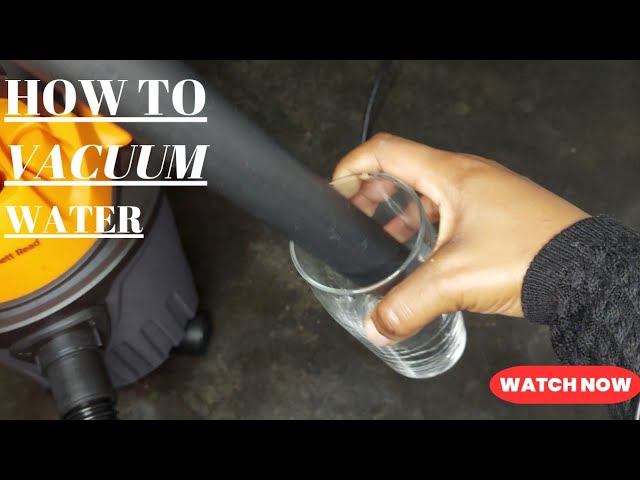
Which Vacuums Can Handle Water?
Several types of cleaning machines are made to collect or use water. Their designs are different from those of ordinary dry vacuums.
Wet/dry vacuums
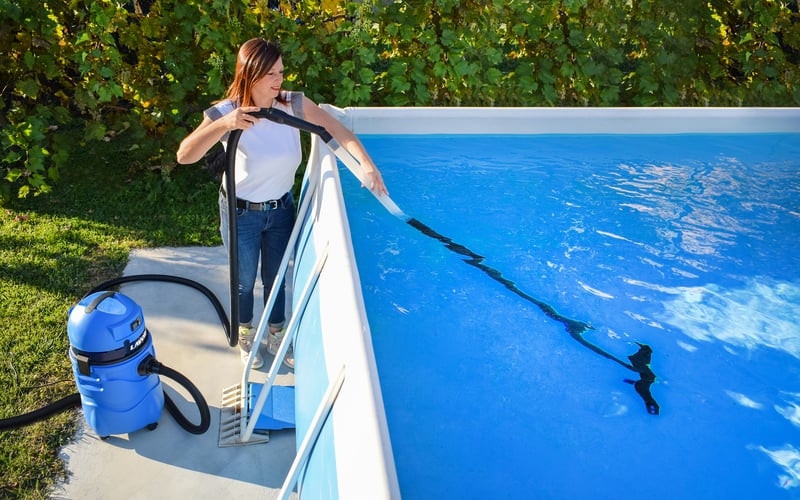
A wet/dry vacuum, often called a shop vacuum, can collect both dry debris and liquid. It usually has a sealed tank instead of a paper dust bag.
Many wet/dry vacuums use a float shutoff. When the tank fills with water, the float rises and blocks airflow to protect the motor. You still need to turn off the machine and empty the tank when the manual instructs you to do so.
Carpet cleaners
Carpet cleaners spray water and cleaning solution onto fabric. They then pull the dirty liquid into a separate recovery tank.
These machines are not the same as standard vacuums. They have water-safe pumps, hoses, tanks, and suction systems. They are designed for rugs, carpet, upholstery, and some sealed surfaces.
Water-filtration vacuums
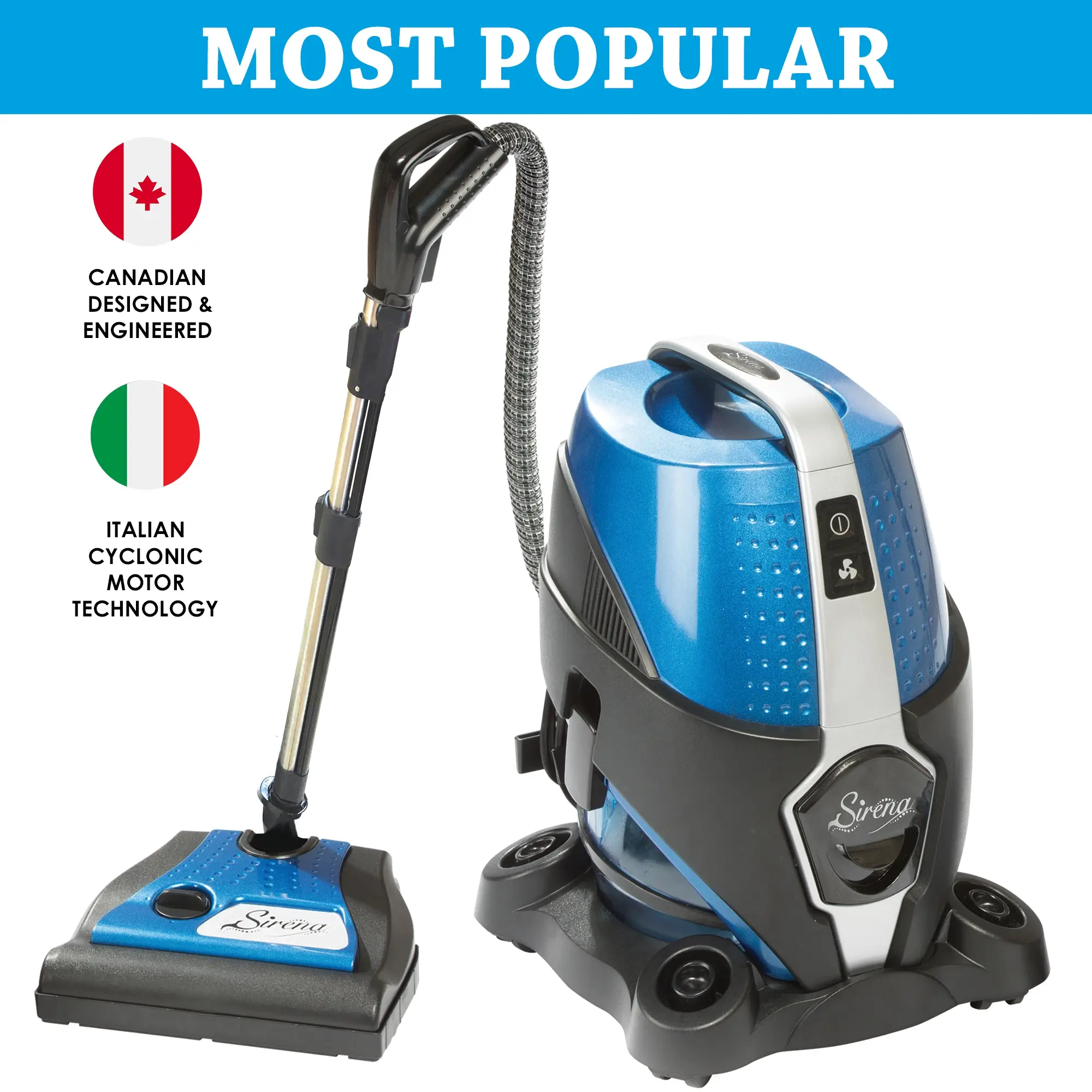
Some specialty vacuums use water as a filter. Air passes through a water basin, which traps dust and fine particles.
These models require careful setup. The basin must contain the correct amount of clean water, and it must be emptied and washed after each use. You should never copy this design by adding water to a normal vacuum.
Steam cleaners
Steam cleaners use heated water to produce vapor. They are made to clean hard floors, tile, grout, and some fabrics.
A steam cleaner is not automatically a wet vacuum. Some models collect dirty water, while others only produce steam. Always follow the exact instructions for the model.
What Happens If Water Gets Into a Regular Vacuum?
If water enters a regular vacuum, turn it off and unplug it at once. Do not keep vacuuming to “finish the job,” even if the machine still sounds normal.
Follow these steps:
- Unplug the vacuum from the wall.
- Move it to a dry, well-ventilated area.
- Remove the dust bag or dirt container.
- Take out any removable filter.
- Check the hose, head, and container for standing water.
- Let removable parts dry fully.
- Read the user manual before testing the vacuum again.
- Contact the manufacturer or a qualified repair technician if water reached the motor.
Do not open the motor housing unless you are trained to work with electrical equipment. A vacuum can remain dangerous even after the outside feels dry.
If the vacuum smells burnt, sparks, trips the breaker, or makes a new grinding sound, stop using it. These signs may point to electrical or motor damage.
Should you use rice or a hair dryer?
Rice is not a reliable way to dry a vacuum. Small grains can enter vents and create more problems.
A hair dryer can also cause harm. High heat may warp plastic parts, push moisture deeper into the unit, or create a shock risk near electrical components. Natural air drying is safer for removable parts, but it cannot guarantee that a motor is dry inside.

How to Clean Up Water Without a Wet Vacuum
If you do not own a wet/dry vacuum, you can remove small spills by hand.
Use this simple method:
• Turn off nearby electrical devices.
• Unplug appliances in the wet area if it is safe to do so.
• Blot the spill with towels.
• Press down instead of rubbing, especially on carpet.
• Replace wet towels until the surface feels nearly dry.
• Use fans to improve air movement.
• Check under rugs and furniture for trapped moisture.
For a large spill, a flooded basement, or water near outlets, safety comes first. Do not enter standing water near electricity. Contact a qualified professional when needed.
On carpet, dry the area quickly to reduce odor and mold risk. The U.S. Environmental Protection Agency advises drying wet materials promptly, because mold can begin growing when moisture remains for too long.

Can You Use a Vacuum on Wet Carpet?
Do not use a regular vacuum on wet carpet. The water may travel through the carpet fibers, hose, and filter into the motor.
Use one of these options instead:
• A wet/dry vacuum set for liquid pickup
• A carpet extractor
• A carpet cleaner
• Towels and fans for a small spill
• Professional water-damage equipment for major flooding
Check the carpet cleaner’s instructions before use. Some machines work only on synthetic carpet, while others may damage wool, silk, loose rugs, or delicate padding.
Also check the floor beneath the carpet. Water may soak into wood, laminate, or subflooring. Removing surface moisture is not always enough.
Can You Vacuum Water From a Hard Floor?
A regular vacuum should not collect water from tile, vinyl, wood, laminate, or concrete. Even a small puddle can enter the machine through the floor nozzle.
For a small spill, use paper towels or a mop. For a larger amount, use a wet/dry vacuum that is rated for liquid pickup.
Be careful with wood and laminate floors. Water can enter seams and cause swelling, staining, or surface damage. Remove the water first, then dry the floor with clean towels and good airflow.
Never use a wet/dry vacuum on a floor unless the machine is suitable for that surface and the area is safe for electrical equipment.

Can You Put Soapy Water in a Vacuum Cleaner?
You should not put soapy water in a vacuum cleaner unless the machine is designed for cleaning solution. This includes standard vacuums, stick vacuums, and many shop vacuums.
Soap creates foam. Foam can travel through the tank, filter, hose, and motor area. It may also overflow before the float shutoff can respond.
Use only the cleaning solution approved for your carpet cleaner or floor machine. Too much soap can leave a sticky film that attracts more dirt.
If you accidentally collect soapy water with a wet/dry vacuum, unplug the machine, empty the tank, and rinse the approved components. Follow the manual for filter care and drying.
Water Vacuum Safety Tips
A few simple habits can prevent costly mistakes.
Read the manual first
The product manual is the most reliable guide for your specific model. It explains whether the vacuum supports wet pickup, which filters to use, and how to empty the tank.
Do not rely only on the word “powerful” or “heavy duty.” A strong vacuum is not necessarily a wet vacuum.
Check the filter
Some wet/dry vacuums require a foam sleeve for liquid pickup. Others require the dry filter to be removed. Using the wrong filter can damage the machine or reduce suction.
Never guess. Confirm the correct setup in the manual.
Empty liquid after use
Do not store dirty water inside a wet/dry vacuum. It can cause odors, bacteria growth, rust, and mold.
After liquid pickup:
• Unplug the machine.
• Empty the tank.
• Rinse the tank if the manual allows it.
• Dry the tank and hose.
• Clean or replace the filter as directed.
• Store the machine with airflow around it.
Watch for electrical hazards
Keep plugs, outlets, extension cords, and power strips away from standing water. Do not use a vacuum with a damaged cord.
If water reaches an outlet, shut off power from a safe location and seek professional help. Do not touch the outlet while standing on a wet floor.
A Practical Lesson From Real-World Cleanup
One of the easiest mistakes during a spill is reaching for the nearest vacuum. It feels natural because a vacuum removes dirt so well. But a standard vacuum treats water like a car engine treats sand: the machine may move for a while, yet the damage can be serious.
A useful habit is to pause for five seconds and check the label before cleaning. That small step can prevent a ruined motor and an unnecessary repair bill.
Another common mistake is leaving a wet/dry vacuum closed after use. Even when the machine handles water safely, the tank and hose need to dry. Trapped moisture is one of the main causes of stale smells and microbial growth inside cleaning equipment.
The safest rule is simple: dry vacuum for dry debris, wet/dry vacuum for liquid, and carpet cleaner for washing carpet.
Choosing the Right Machine for Wet Cleanup
Choose a machine based on the type of mess, not just its suction power.
For small household spills
Use towels or a mop. Buying a large machine for occasional drops may not be practical.
For pet accidents
A carpet cleaner or upholstery extractor is often better. These machines can apply a suitable solution and recover dirty liquid from fabric.
For garage or workshop water
A wet/dry vacuum is usually the best choice. Look for a sealed tank, float shutoff, washable parts, and a drain valve.
For flooding
Use professional water-extraction equipment. Floodwater may contain sewage, chemicals, sharp debris, or harmful bacteria.
When buying a wet/dry vacuum, consider:
• Tank capacity
• Hose size
• Float shutoff
• Filter options
• Drain design
• Cord length
• Noise level
• Replacement filter cost
• Manufacturer support
A larger tank holds more water, but it also makes the machine heavier. Choose a size you can safely move and empty.
Frequently Asked Questions About Can You Put Water in a Vacuum Cleaner
Can you put water in a regular vacuum cleaner?
No. A regular vacuum is designed for dry dirt, and water can damage its motor, filter, wiring, or dust bag. Use towels, a mop, or a wet/dry vacuum instead.
Can you put water in a shop vacuum?
Yes, if the shop vacuum is labeled for wet pickup. Set it up as the manual directs, use the correct filter, and empty the tank when finished.
Can you vacuum a small water spill?
Do not use a standard vacuum for a water spill, even if it is small. Blot the water with towels or use a wet/dry vacuum made for liquid pickup.
What should you do if water enters a vacuum?
Unplug the vacuum immediately and remove the water and removable wet parts. Let the parts dry, then check the manual or contact a repair professional before using the machine again.
Can you put soapy water in a wet/dry vacuum?
Only do so if the manufacturer allows it. Foam can overflow and reach parts that should remain dry, so a carpet extractor is often a safer choice for soapy cleaning water.
Can a vacuum cleaner pick up wet food?
A standard vacuum should not pick up wet food. Wet food can clog the hose, dirty the filter, and create odors; remove it by hand or use a machine rated for wet debris.
Is a water-filtration vacuum the same as a wet/dry vacuum?
No. A water-filtration vacuum uses water as part of its filtration system, while a wet/dry vacuum collects liquid in a tank. Their filters, tanks, and operating instructions are different.
Conclusion
You cannot put water in a standard vacuum cleaner because its motor and filters are built for dry debris. Water can cause electric shock, motor failure, mold, bad odors, and expensive repairs.
For liquid, choose a wet/dry vacuum, carpet cleaner, or water-filtration vacuum that clearly supports the task. When in doubt, unplug the machine, clean the spill by hand, and check the manufacturer’s instructions before using any appliance.
Use the right tool for the mess, share this guide with someone who cleans up spills, and explore your vacuum manual before the next accident happens.

Liora Pennings is a seasoned chef and kitchen enthusiast with a passion for turning everyday cooking into an effortless experience. With years of hands-on culinary expertise, she specializes in practical techniques, ingredient know-how, and smart kitchen solutions that help home cooks elevate their meals. At KitchFlair.com, Liora shares her best tips, time-saving tricks, and honest product reviews to guide readers toward a more efficient, enjoyable, and inspired cooking routine. Whether you’re a beginner or a seasoned home chef, Liora’s friendly, knowledge-packed insights make every visit to the kitchen a little easier—and a lot more delicious.