Can Ants Survive In A Vacuum Cleaner: What Really Happens
Some ants may survive vacuuming briefly, but most are injured, dehydrated, or killed by the process.
The answer to “can ants survive in a vacuum cleaner” depends on the ant species, vacuum power, travel distance, and what happens after suction. An ant may survive the first impact, yet dust, heat, dehydration, and repeated movement inside the machine can quickly reduce its chances. This guide explains what really happens and how to remove ants safely without creating a larger pest problem.
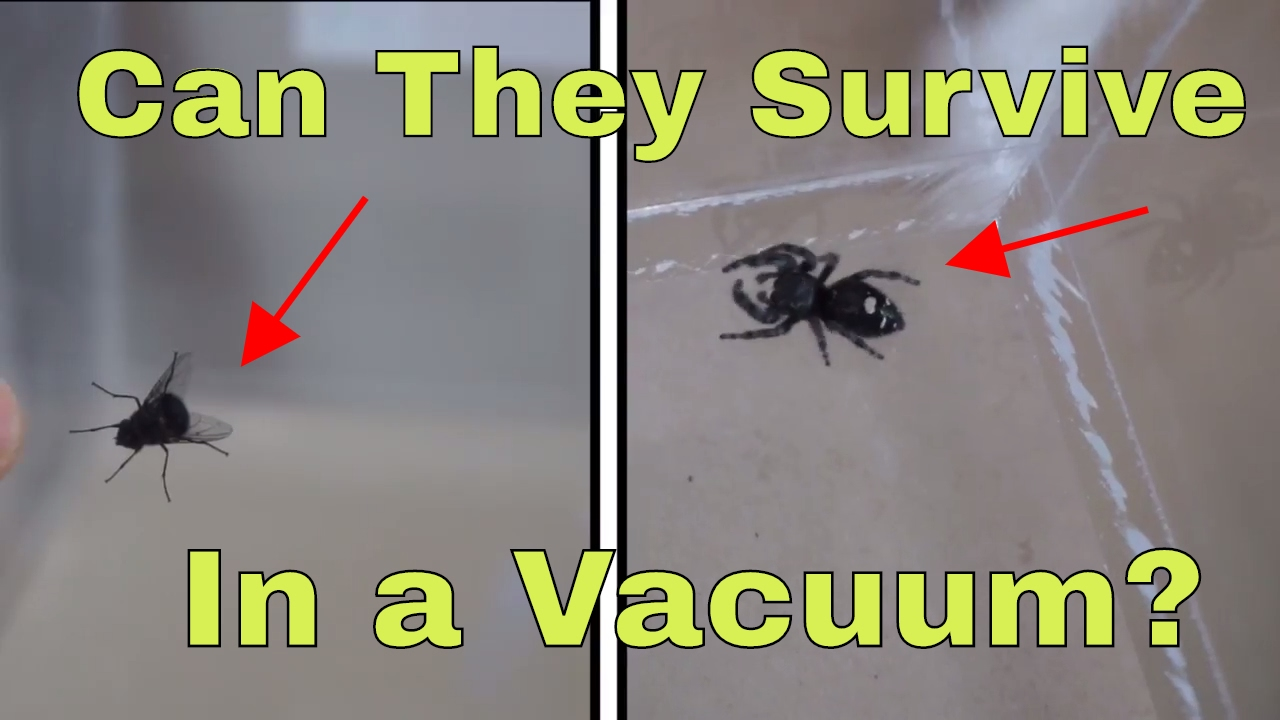
Can ants survive in a vacuum cleaner?
Yes, some ants can survive inside a vacuum cleaner for a short time. Vacuum suction does not always kill an ant at once. Small insects can sometimes withstand the airflow, especially when they are pulled through a short hose and land in a clean collection bin.
However, survival does not mean the ant will live for long. Inside the vacuum, an ant may face:
• Hard impacts against the hose or collection bin
• Dust that blocks its breathing openings
• Dry air that causes dehydration
• Heat from the motor
• Lack of food and water
• Injury from dirt, hair, or other debris
• Repeated movement when the vacuum is used again
So, can ants survive in a vacuum cleaner for hours or days? It is possible, but it is not common. A healthy ant in a bagless vacuum may remain alive for several hours under favorable conditions. Many ants, however, die much sooner from shock, injury, or dehydration.
The type of vacuum matters, too. A low-power handheld vacuum may be less damaging than a strong upright vacuum. A vacuum with a disposable bag may also trap the ant in a dark, dry space where escape is nearly impossible.
What happens to ants when they are vacuumed?
When an ant enters a vacuum hose, it experiences a sudden change in air speed and pressure. It may tumble through the tube and strike the inside walls. The ant’s small body can sometimes absorb this force, but repeated impacts can damage its legs, antennae, or outer shell.
Once the ant reaches the canister or bag, the danger changes. The airflow may stop, but the ant is now surrounded by dust and debris. Fine dust can stick to the body and interfere with movement or breathing.
Ants breathe through tiny openings called spiracles. These openings are found along the sides of the body. Heavy dust or oily debris may block them, although an ant does not suffocate instantly in the same way a larger animal might.
The ant may also become trapped under dust, hair, or crumbs. Even if it survives the initial suction, it may not be strong enough to climb out. This is one reason why the answer to “can ants survive in a vacuum cleaner” is different from the answer to whether they can escape one.
How long can an ant live inside a vacuum cleaner?
There is no single time limit. Ant survival depends on the species, the ant’s health, the vacuum design, and the temperature inside the machine.
A worker ant that is vacuumed for only a few seconds may survive the event. If it lands on a clear part of a dry canister, it may continue walking. If it lands in a thick layer of dust, its survival time may be much shorter.
A vacuum cleaner is not a sealed laboratory. Air may continue moving through the machine, and the motor can make the inside warm. Warm, dry air increases water loss from the ant’s body.
In practical home situations, an ant may remain alive for minutes or hours. Survival for several days is less likely, especially if the ant has no access to water. Some hardy insects can tolerate harsh conditions, but an ordinary vacuum cleaner is still a poor place for an ant to live.
Can ants survive in a vacuum cleaner overnight? A few may, but you should not assume that every ant is dead by morning. If you want to release a living ant, empty the vacuum outdoors as soon as possible.
Can ants escape from a vacuum cleaner?
Some ants can escape from a vacuum cleaner, but escape is more likely with certain models. Bagless vacuums may offer a route through the hose or gaps around the canister. A weak seal, an open attachment, or a full dust container can also make escape easier.
A sealed vacuum bag is harder to escape from. The ant may still move inside the bag, but it usually cannot crawl back through the narrow hose. When the bag is removed, the ant could escape if the bag tears or remains open.
Can ants survive in a vacuum cleaner and later return to your home? Yes, if the ant leaves the machine while it is indoors. This may happen when you store the vacuum without emptying it or when you open the canister over a kitchen floor.
To reduce this risk:
• Turn off the vacuum after cleaning
• Remove the canister or bag outdoors
• Empty the contents into a sealed trash bag
• Wash the canister if the manufacturer allows it
• Clean the hose opening and attachments
• Store the vacuum in a dry area away from food
Do not place a live ant colony’s worth of debris beside your home. Ants may follow scent trails back inside if food is nearby.
Does vacuuming kill an entire ant colony?
No. Vacuuming usually removes only the ants you can see. It rarely reaches the queen, brood, or hidden nest.
Most household ants travel between a nest and food or water. The ants on your counter are often workers. They may be only a small part of the colony. If the nest remains active, more workers may appear later.
This is why vacuuming can solve the immediate problem but not the root cause. Think of it as wiping up spilled water while the faucet is still open.
A lasting solution often requires three steps:
- Remove visible ants with a vacuum or damp cloth.
- Clean the trail with mild soapy water.
- Find and remove the food, water, or shelter that attracts them.
Ant bait can help when used correctly. Worker ants carry the bait back to the nest, where it can affect other colony members. Do not spray strong insecticide near bait, because the spray may kill workers before they share the bait.
If ants keep returning, identify the species or contact a licensed pest professional. Different ants respond to different baits and treatment methods.
Is vacuuming ants better than spraying them?
Vacuuming is often a safer first step for a small number of ants indoors. It removes the insects without spreading chemical residue across counters, floors, or areas where children and pets play.
Vacuuming also lets you deal with ants quickly. You do not need to wait for a spray to work, and you avoid inhaling unnecessary pesticide mist.
Still, vacuuming has limits. It does not treat the nest, and it may leave living ants inside the machine. It can also spread ants if you empty the vacuum indoors.
Use this simple approach:
• Vacuum the visible ants
• Empty the machine outside
• Seal the waste
• Clean the trail with soapy water
• Inspect windows, doors, pipes, and wall cracks
• Use suitable bait if ants continue to appear
Sprays may seem faster, but indoor pesticide use should follow the product label. Never mix chemicals, and never apply outdoor products inside your home.
In my experience reviewing household pest problems, the most common mistake is stopping after the first cleanup. People remove the ants they see but leave sugar, pet food, moisture, or a small entry gap nearby. The ants then return within a day or two.

How to remove ants without vacuuming
If you prefer not to use a vacuum, you can remove ants with a few simple methods. These methods work best when the infestation is small.
Use a damp cloth
Wipe the ants and the trail with warm water and a small amount of dish soap. Soap helps remove the scent trail that guides other workers.
Rinse the cloth after use. Do not leave dead ants or food residue on the surface, because the smell may attract more insects.
Use a cup and paper
For one or two ants, place a cup over the insect and slide a stiff piece of paper underneath. Carry it outdoors and release it away from doors, patios, and food areas.
This method is gentle, but it may not work well for a fast-moving group of ants.
Use ant bait
Bait is useful when ants keep returning. Place it near the trail, but keep it away from children and pets. Follow the label directions and avoid disturbing the ants while they carry the bait.
Remove the attraction
Check for:
• Sticky spills
• Open sugar, honey, or fruit
• Pet food left overnight
• Leaky faucets
• Damp wood
• Cracks near windows and doors
• Overgrown plants touching the house
Can ants survive in a vacuum cleaner more often than they survive a damp cloth? Usually, yes. A cloth removes the ant from the home at once, while a vacuum may leave it alive in a hidden part of the machine.
What should you do after vacuuming ants?
Act quickly, but do not panic. Most household ant sightings are manageable when you remove the trail and correct the cause.
First, switch off and unplug the vacuum. If it has a removable canister, carry it outdoors before opening it. If it uses a bag, remove the bag outside and place it in a sealed garbage bag.
Next, inspect the contents. You may see live ants, dead ants, eggs, soil, or food particles. Do not handle the debris with bare hands if it contains unknown materials, mold, or other pests.
Clean the vacuum according to the manufacturer’s instructions. Some filters can be washed, while others must be replaced. Never wash an electrical part unless the manual specifically says it is safe.
Then clean the floor and nearby surfaces. A damp cloth with mild soap can remove ant pheromone trails. Pay special attention to baseboards, cabinet edges, and the path between the entry point and food.
A practical lesson is to empty the vacuum every time you use it for insects. Leaving ants inside for days gives surviving insects more time to move, and it makes the answer to “can ants survive in a vacuum cleaner” less predictable.

When should you call a pest professional?
Call a pest professional if ants continue to appear after cleaning and baiting. Repeated activity may mean the nest is inside a wall, under a floor, near plumbing, or outside close to the foundation.
Professional help is also wise when:
• You see winged ants indoors
• Ants are large and appear near damp wood
• You find sawdust-like debris
• Ants appear in several rooms
• The infestation affects food preparation areas
• Someone in the home is sensitive to pesticides
• You cannot identify the insect
Winged ants can be reproductive adults, although they are not always termites. Correct identification matters because treatment differs between species.
A professional can inspect entry points, moisture sources, nesting areas, and food trails. They can also choose a treatment that fits the home and label requirements.
Research in insect behavior consistently shows that ant colonies depend on chemical trails, social food sharing, and nest protection. Removing visible workers alone rarely ends a colony. That basic biology explains why a vacuum is a useful cleanup tool but not a complete pest control plan.
Frequently Asked Questions About Can Ants Survive in a Vacuum Cleaner
Can ants survive in a vacuum cleaner for several hours?
Yes, some ants may survive for several hours in a vacuum cleaner. Their chances decrease when they face strong suction, dust, heat, dehydration, or injury.
Can ants survive in a vacuum cleaner overnight?
A few ants may survive overnight, especially in a cool, lightly used canister. However, most will eventually die if they cannot reach water or escape the machine.
Will vacuuming ants stop an infestation?
No. Vacuuming removes visible ants but usually does not destroy the nest or queen. Clean the trail, remove food and moisture, and use suitable bait if the ants return.
Can ants crawl back out of a vacuum?
Some ants can crawl out of a bagless vacuum through the hose or an opening. Emptying the canister outdoors greatly reduces the chance of releasing them inside your home.
Is it safe to vacuum ants with a regular vacuum cleaner?
Yes, vacuuming a small number of ants is generally safe for the machine. Empty the vacuum outdoors afterward and follow the manufacturer’s cleaning instructions.
Should you spray ants before vacuuming them?
Usually, no. Spraying first can add unnecessary chemical residue and may scatter the ants. Vacuuming, cleaning the trail, and using bait when needed is often a better approach.
Conclusion
So, can ants survive in a vacuum cleaner? Yes, some ants can survive the initial suction and remain alive for minutes or hours. Yet the dry air, dust, heat, impacts, and lack of food usually make the vacuum a dangerous place for them.
Vacuuming is a useful way to remove visible ants, but it does not remove the colony. Empty the machine outdoors, clean the scent trail, remove food and moisture, and use ant bait or professional help when the problem continues.
Take action after the first sighting instead of waiting for a larger trail to form. Share your experience in the comments, or explore more practical pest control guides for a cleaner, safer home.

Liora Pennings is a seasoned chef and kitchen enthusiast with a passion for turning everyday cooking into an effortless experience. With years of hands-on culinary expertise, she specializes in practical techniques, ingredient know-how, and smart kitchen solutions that help home cooks elevate their meals. At KitchFlair.com, Liora shares her best tips, time-saving tricks, and honest product reviews to guide readers toward a more efficient, enjoyable, and inspired cooking routine. Whether you’re a beginner or a seasoned home chef, Liora’s friendly, knowledge-packed insights make every visit to the kitchen a little easier—and a lot more delicious.