How To Choose A Vacuum Cleaner: Smart Buying Guide
Choose a vacuum cleaner by matching its floor tools, filtration, suction, size, noise, and budget to your home.
Learning how to choose a vacuum cleaner is easier when you start with your home, not a brand name or a high price. The best model for a small apartment may be a poor fit for a large house with pets, thick rugs, and stairs. This guide explains the key features, common mistakes, and real-world trade-offs so you can make a smart choice with confidence.
Start With Your Home and Cleaning Needs
The first step in learning how to choose a vacuum cleaner is to study the space you need to clean. Think about your floors, rooms, pets, stairs, storage space, and cleaning habits.
A vacuum is a tool. The right tool depends on the job. A lightweight stick vacuum may be perfect for quick crumbs, while a powerful upright vacuum may work better for deep carpet cleaning.
Ask yourself these questions:
• What types of floors do you have?
• Do you have carpets, rugs, hardwood, tile, or a mix?
• Do you live with dogs, cats, or other pets?
• Does anyone in your home have allergies or asthma?
• Do you need to clean stairs, furniture, or a car?
• How much storage space do you have?
• Do you prefer quick cleaning or deep cleaning?
• How much noise can you tolerate?
Your answers will narrow the choice much faster than browsing hundreds of product pages. For example, a home with mostly hardwood floors needs gentle cleaning and soft floor tools. A home with thick carpet needs strong brush action and good airflow.
In hands-on product comparisons, one lesson comes up often: a vacuum can have a strong motor but still clean poorly if its floor head is wrong for the surface. The cleaning head, brush roll, airflow, and seal all matter.
Choose the Right Vacuum Type
Vacuum cleaners come in several designs. Each type has clear strengths and limits. Understanding these types is a central part of how to choose a vacuum cleaner.
Upright vacuums
Upright vacuums are popular in the United States because they offer strong carpet cleaning and a wide cleaning path. Many have motorized brush rolls that lift dirt from carpet fibers.
Choose an upright vacuum if you:
• Have medium or thick carpets
• Need strong cleaning power
• Want a large dust bin or bag
• Prefer an easy-to-push floor machine
Uprights can be heavy. They may also be hard to carry up stairs. Some models convert to handheld cleaners, but others need separate tools for stairs and furniture.
Canister vacuums
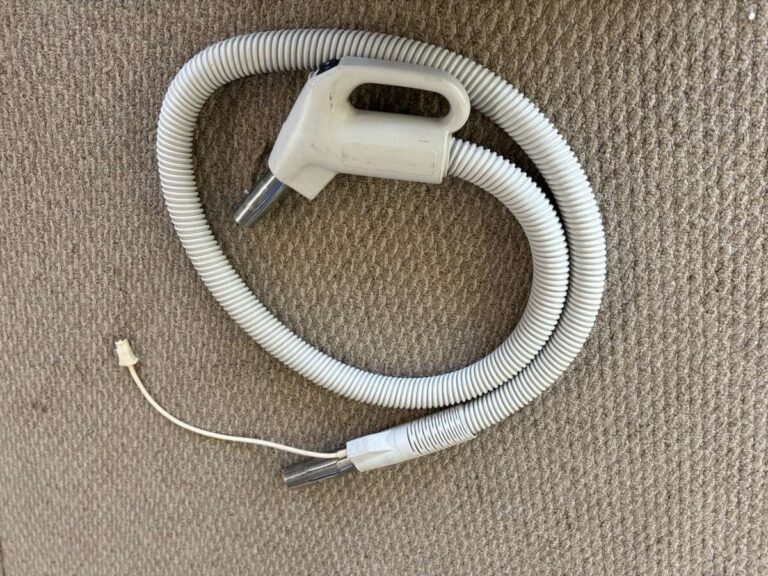
Canister vacuums have a separate body connected to a hose and cleaning wand. They are often easy to pull across floors and can reach under furniture well.
A canister vacuum may suit you if you:
• Have hardwood, tile, or mixed flooring
• Need to clean stairs
• Want strong hose reach
• Clean furniture, curtains, or tight spaces
The main drawback is storage. You must move both the canister and the hose while cleaning. Still, many canister models offer excellent control and gentle floor cleaning.
Stick vacuums
Stick vacuums are slim, light, and easy to store. Cordless versions are useful for daily messes, kitchen crumbs, and small homes.
Choose a stick vacuum if you:
• Need quick daily cleaning
• Live in an apartment or small home
• Want a light machine
• Have limited storage space
Many stick vacuums are not ideal as the only vacuum in a large home with thick carpet. Battery life, dust cup size, and suction can also be limited. Some premium models perform well, but they often cost more.
Robot vacuums
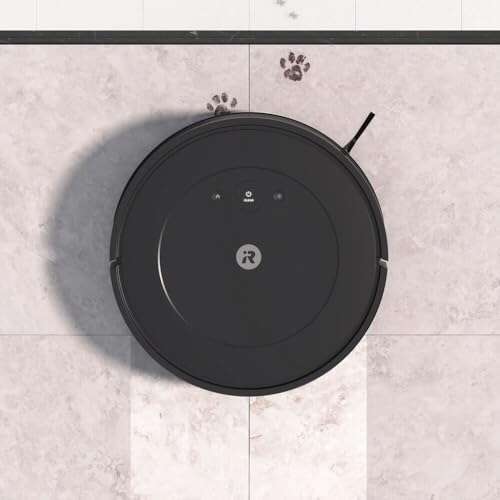
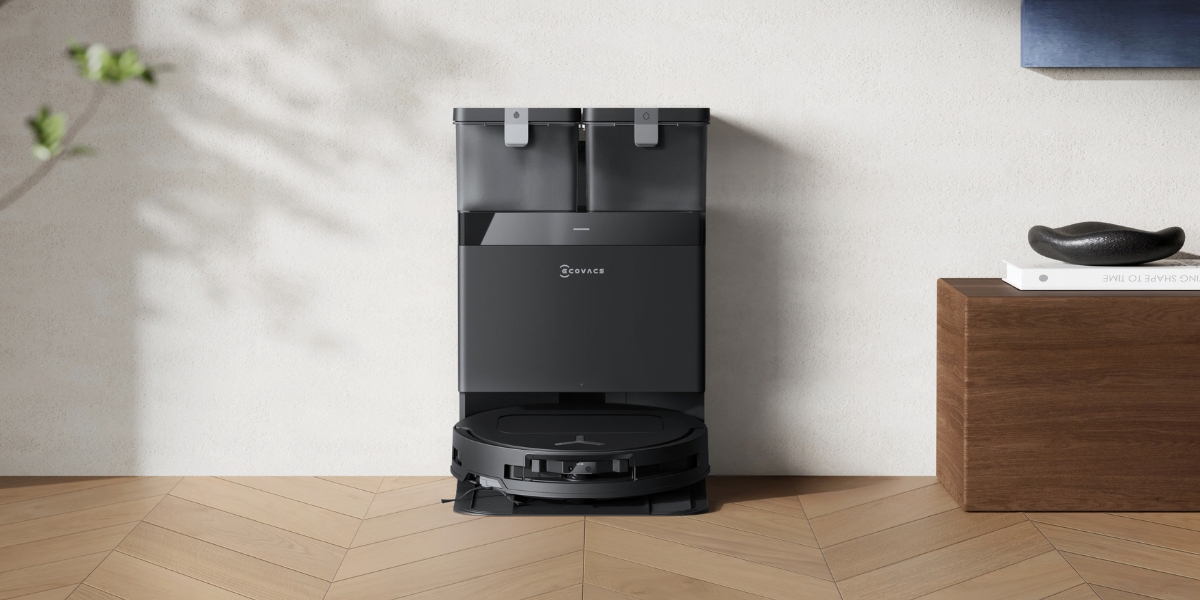
Robot vacuums clean floors with little effort from you. They can run on a schedule and return to a charging dock. Some models also empty their own dust bins.
A robot vacuum works best if you:
• Have open floor areas
• Want daily maintenance cleaning
• Have mostly hard floors or low-pile rugs
• Can prepare the floor by removing cords and small objects
Robot vacuums are not a full replacement for every other vacuum. They may miss stairs, upholstery, corners, and thick carpet. Think of one as a helper, not a complete cleaning system.
Handheld vacuums
Handheld vacuums are made for small jobs. They work well on car seats, sofas, stairs, shelves, and pet hair on furniture.
They are useful as a second vacuum. Their small dust cups and short run times make them less practical for whole-home cleaning.
Central vacuum systems
Central vacuums use pipes built into the home. The motor sits in a remote location, often in a garage or basement.
These systems can offer quiet operation in living areas and large dirt capacity. However, installation costs are high, and they are mainly practical during new construction or major remodeling.

Match the Vacuum to Your Floor Type
Floor type is one of the most important factors when deciding how to choose a vacuum cleaner. A brush roll that works well on carpet can scatter debris or scratch delicate floors.
Carpet
Carpet needs agitation. A rotating brush roll helps loosen dust, hair, and grit trapped between carpet fibers.
Look for:
• A motorized brush roll
• Height adjustment
• Strong airflow
• A sealed cleaning head
• A brush roll that can be turned off when needed
High-pile carpet can slow a vacuum down. Some heads may become hard to push because the suction seal is too strong. A height adjustment feature can make cleaning smoother.
Hardwood floors
Hardwood floors need gentle contact. A soft floor head or a vacuum with adjustable brush control is often a better choice than an aggressive carpet brush.
Look for:
• Soft bristles
• Brush roll shutoff
• Good edge cleaning
• Rubber wheels that will not mark the floor
Avoid dragging large debris across wood. Small stones and sand can act like sandpaper, even when the vacuum itself is gentle.
Tile and stone
Tile floors often collect dirt in grout lines. A vacuum with strong airflow and useful edge cleaning can remove dry debris before mopping.
For stone floors, check the care instructions for the specific material. Some surfaces can scratch easily. Avoid using a stiff brush head unless the floor maker allows it.
Area rugs
Rugs can be tricky because they vary in thickness and weave. A powerful vacuum may pull at fringe or make a light rug move across the floor.
Choose a vacuum with:
• Suction control
• A brush roll shutoff
• Adjustable height
• A gentle rug setting
Test the head on a small area first. This simple step can prevent damage.