Can Flies Survive In A Vacuum Cleaner: What Happens?
Most flies may survive the first moments in a vacuum cleaner, but many later die from injury, heat, thirst, or trapped dust.
The question “can flies survive in a vacuum cleaner” has a more complex answer than a simple yes or no. A household vacuum does not create a true space-like vacuum; it creates fast, forceful airflow that can injure a fly without killing it at once. This guide explains what happens inside the machine, how long a fly may live, and what you can do if you want to remove it humanely.
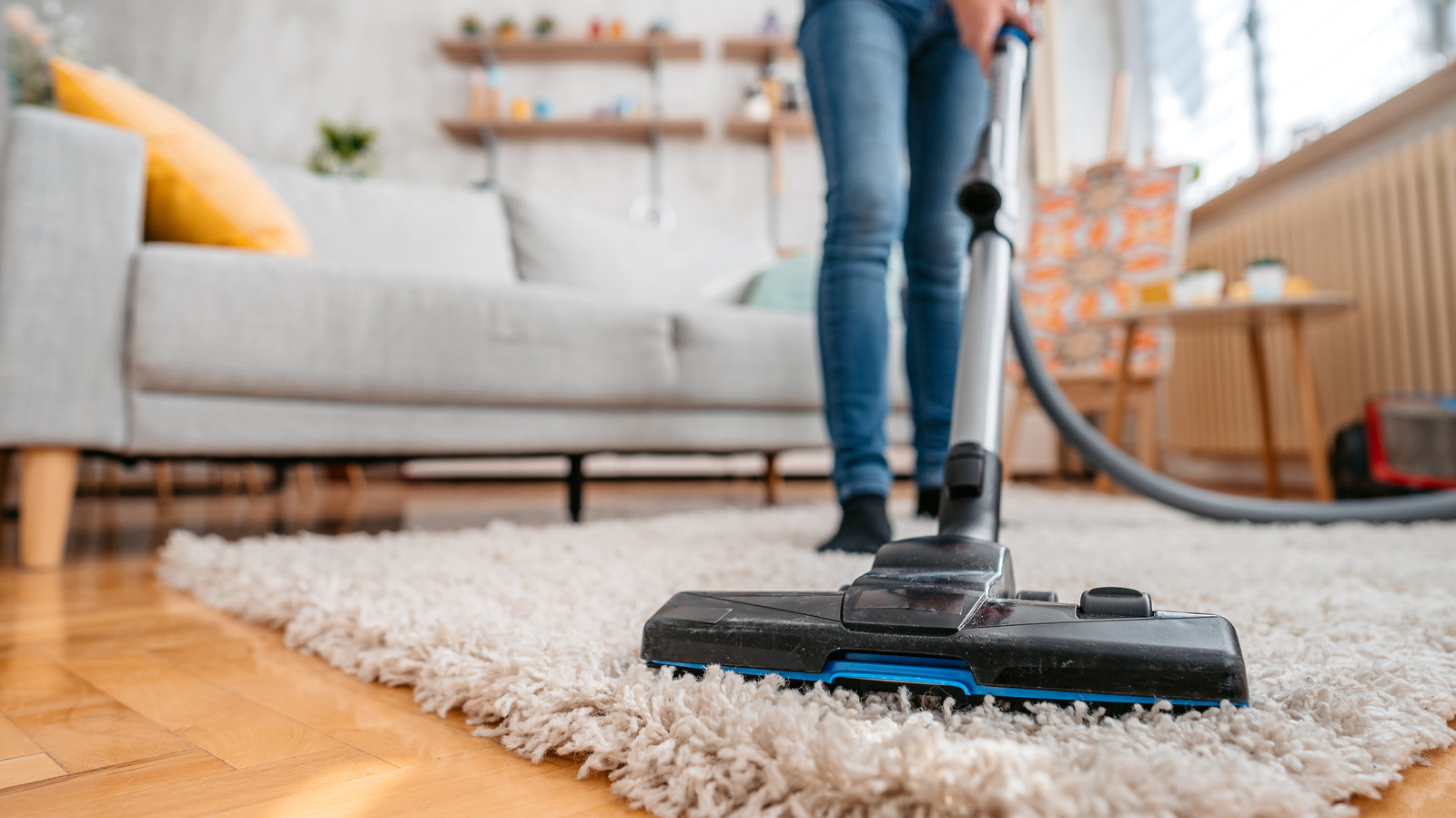
Can flies survive in a vacuum cleaner?
Yes, some flies can survive being sucked into a vacuum cleaner, at least for a short time. Their chances depend on the vacuum type, suction power, distance traveled, and where the fly lands inside the machine.
A fly may pass through the hose and strike the dust cup or filter. The impact can damage its wings, legs, or body. Even if it survives the impact, it may later die from dehydration, hunger, heat, or exposure to dust and debris.
The phrase “vacuum cleaner” can be misleading. A home vacuum does not remove all air from its chamber. Instead, a motor pulls air through a narrow hose at high speed. This airflow creates suction, but it is not the same as the near-total vacuum found in outer space.
So, can flies survive in a vacuum cleaner? They can, especially when the machine has low suction or a wide, smooth hose. A healthy housefly may remain alive in the dust bin for hours or longer under the right conditions.
What happens to a fly inside a vacuum cleaner?
A fly usually experiences several hazards in quick order. First, the airflow pulls it toward the hose. Then it may tumble through the tube before hitting the inside of the vacuum or becoming trapped in dust.
The main dangers include:
• Sudden acceleration caused by strong suction
• Repeated impacts against the hose and dust container
• Broken wings, legs, or body parts
• Dust blocking the spiracles used for breathing
• Heat from the vacuum motor
• Dehydration inside a dry dust bin
• Lack of food and water
A fly is small and light, so it may not suffer the same force as a larger insect. Its low body weight can help it avoid severe impact damage. Still, the fast airflow can toss it around like a leaf in a storm.
Can flies survive in a vacuum cleaner after being pulled through the hose? Often, yes. The fly may land on a soft layer of dust rather than hit a hard surface. However, survival at that point does not mean it will stay healthy or escape.
Why some flies survive the suction
Flies have a lightweight body and a tough outer shell called an exoskeleton. This structure offers some protection from brief physical stress. Their small size also means they may slow down quickly after entering the dust cup.
Many flies also enter a short period of inactivity when stressed. They may stop moving, fold their legs, or appear dead. This behavior can make a person think the fly died when it is only stunned.
The vacuum’s design matters as well. A low-power handheld vacuum may cause less damage than a large upright model. A bagless vacuum may also leave the fly in a visible dust cup, while a bagged vacuum can trap it deep inside a sealed bag.
The fly’s condition before suction also matters. A weak, old, wet, or injured fly may die quickly. A healthy adult housefly has a better chance of surviving the initial trip.
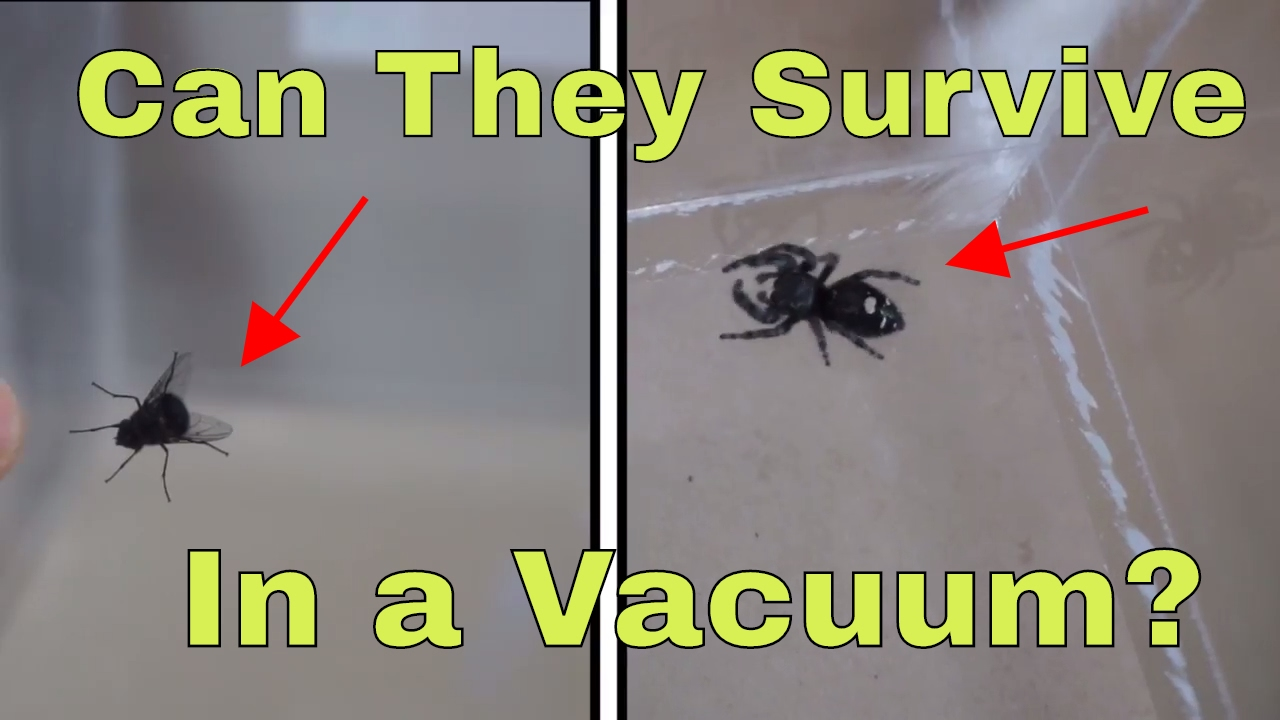
How long can a fly live in a vacuum cleaner?
There is no single survival time for every fly. Some may die within minutes, while others may remain alive for several hours. In rare cases, a fly could survive longer if it avoids serious injury and finds a small amount of moisture.
A dust container is not a reliable habitat. It usually has dry dust, hair, crumbs, and cleaning waste. These materials may provide shelter, but they do not provide steady water or suitable food.
Heat can shorten survival time. Vacuum motors become warm during use, especially when the filter is dirty or airflow is blocked. A trapped fly may also face poor air movement once the vacuum is turned off.
Can flies survive in a vacuum cleaner overnight? Some might, but survival is not likely in every machine. A sealed bag, hot motor area, or dry dust cup can create harsh conditions that reduce the fly’s chances.
Do flies die from the vacuum’s suction?
Suction alone does not always kill a fly. The greater risks usually come from impact, spinning airflow, blocked breathing openings, heat, and later dehydration.
A fly’s breathing system is different from a mammal’s lungs. It uses tiny openings called spiracles along the body. Air moves through internal tubes called tracheae. Dust or liquid may interfere with this system, but the suction itself does not instantly pull the air from the fly’s body.
This is why the answer to “can flies survive in a vacuum cleaner” is often yes for a short period. The machine creates pressure changes and rapid airflow, but it does not expose the fly to a true airless vacuum.
A useful comparison is a person caught in a strong wind. The wind may knock the person down and cause injury, but it does not remove all the air from the surroundings. A vacuum cleaner creates a similar problem on a much smaller scale.
Can flies escape from a vacuum cleaner?
A fly may escape from a vacuum cleaner if it survives and finds an open route. This is more likely with a hose, open nozzle, loose dust cup, or poorly sealed filter.
Many modern vacuums have filters that block insects and fine dust. A fly may reach the dust cup but struggle to move through the filter. In other machines, gaps around the hose or container may offer a possible exit.
A bagless vacuum can make escape easier if the fly is still active near the lid or intake opening. A bagged vacuum usually provides fewer escape options because the insect becomes trapped inside a fabric or paper bag.
If you stop the vacuum quickly, the fly may crawl back toward the nozzle. It may also remain still until the machine is opened. This explains why some people see a fly suddenly fly away after they believe it has been removed.
What should you do if you vacuumed a live fly?
If you want to give the fly a chance to live, act soon. Do not run the vacuum again, and do not shake the machine indoors.
Follow these steps:
-
Turn off and unplug the vacuum.
-
Move it outside or to a garage.
-
Open the dust cup or remove the bag outdoors.
-
Empty the contents onto a dry, sheltered surface.
-
Step away and wait several minutes.
-
Check for movement before disposing of the dust.
A fly that has been stunned may need time to recover. Place the dust cup in a safe outdoor area with shade. Do not pour water directly onto the fly, because excess water can trap or drown it.
If the fly is badly injured, natural recovery may not be possible. In that case, avoid handling it with bare hands. Wash your hands after touching the vacuum container, since houseflies can carry microbes from waste and decaying material.
How to remove flies without a vacuum cleaner
A vacuum is fast, but it is not the best tool if you want a live removal method. A clear cup and a sheet of paper can work well.
Place the cup over the fly when it lands. Slide the paper under the rim, then carry the cup outside and release the fly away from doors and windows.
Other useful methods include:
• Opening one window and reducing indoor light near other windows
• Using a fly screen to prevent more insects from entering
• Placing food waste in a covered container
• Cleaning sugary spills and pet food quickly
• Using a catch-and-release insect trap
• Repairing gaps around screens, doors, and vents
A practical lesson from many home cleanups is that prevention works better than repeated removal. If flies keep returning, look for the source. It may be an uncovered trash can, overripe produce, standing water, pet waste, or a hidden dead animal.
Does a vacuum cleaner kill fly eggs and larvae?
A vacuum may collect fly eggs or larvae, but it does not guarantee that all of them will die. Eggs and larvae can be protected by dust, food scraps, or other organic material inside the vacuum.
Fly eggs are often laid in moist, decaying material. Larvae, sometimes called maggots, need suitable organic matter to develop. A clean, dry vacuum may not support them for long, but a dirty machine with food residue could provide a better environment.
Can flies survive in a vacuum cleaner during the egg or larval stage? Some stages may survive briefly if conditions are damp and sheltered. Emptying the vacuum outside and cleaning the dust cup helps reduce this risk.
Wash the dust container with warm, soapy water if the manufacturer allows it. Replace disposable bags and clean filters according to the product instructions. Never wash a filter unless the manual says it is washable.

Is vacuuming flies a good pest control method?
Vacuuming can remove a few adult flies, but it does not solve the cause of an infestation. It is best viewed as a short-term removal tool rather than a complete pest control plan.
A vacuum may help when several flies are resting on walls or windows. It can also remove dead flies, shed insect parts, and visible debris. However, it will not remove flies that are hidden in wall voids, drains, garbage, or spoiled food.
For a lasting solution:
• Seal indoor trash and clean the bin often.
• Store fruit in the refrigerator or covered containers.
• Rinse bottles and cans before recycling.
• Keep drains clean and dry when possible.
• Repair torn screens and door gaps.
• Remove pet waste promptly.
• Contact a licensed pest professional for a large or repeated infestation.
If you use a vacuum for flies, empty it outside soon after cleaning. This reduces the chance that a stunned fly will recover and escape indoors.
Common mistakes to avoid
One mistake is assuming that a motionless fly is dead. A stunned insect may remain still for several minutes before moving again. Always inspect the dust cup outdoors if humane release matters to you.
Another mistake is using a vacuum with a full or blocked filter. Poor airflow can make the motor hotter and may damage the machine. It can also reduce suction, leaving the fly alive inside.
Avoid spraying insecticide into the vacuum. Chemicals may damage internal parts, create harmful fumes, and expose people or pets to unnecessary residue. Use only products and methods approved for your vacuum model.
Finally, do not rely on vacuuming alone when flies appear every day. Repeated activity often points to a breeding source. Finding that source is more effective than removing one fly at a time.