How Do They Make Popcorners: The Crunchy Process Explained
PopCorners are made by cooking corn dough under heat and pressure, then shaping and quickly expanding it into a crisp snack.
If you have ever wondered how they make PopCorners, the answer sits between traditional corn cooking and modern food extrusion. The process uses carefully prepared corn, controlled heat, pressure, and seasoning to create the light, crunchy triangle sold in stores. This guide explains each step, what makes PopCorners different from popcorn, and what to know about their nutrition and ingredients.
What Are PopCorners?
PopCorners are popped corn snacks made from corn, water, and other ingredients that vary by flavor. They have a crisp texture and a light, airy bite. Unlike traditional popcorn, they are formed into a regular shape rather than left as irregular popped kernels.
The name can be confusing. PopCorners are not simply popcorn kernels heated in a pan. Manufacturers make them from processed corn dough. That dough is cooked, shaped, and expanded with heat and pressure.
When people ask how do they make PopCorners, they are usually asking how a flat corn mixture becomes a crunchy triangle. The key is a controlled pressure change. Moisture inside the cooked corn turns into steam, which helps puff the product as it leaves the forming equipment.

How Do They Make PopCorners Step by Step?
The exact recipe and machinery are proprietary. Still, food science and product information make the broad process clear. Here is how manufacturers make PopCorners on a commercial production line.
1. They prepare the corn
The process starts with corn. The corn is cleaned to remove dust, plant material, and other unwanted particles. It may then be milled into a fine meal or flour.
The grind matters. Corn that is too coarse may not form a smooth dough. Corn that is too fine may produce a dense texture. Producers select the grind to help the mixture cook evenly and expand well.
2. They mix the corn with water
Manufacturers combine the corn meal with water. This creates a moist dough or corn-based mixture.
Some flavors may also include ingredients such as:
• Salt
• Sugar
• Oils
• Cheese ingredients
• Natural flavors
• Seasonings
• Food acids or other approved processing ingredients
The base mixture must hold together during cooking. It also needs enough moisture to create steam later in the process.
3. They cook the corn mixture
The corn dough is heated under controlled conditions. Heat softens the starch in the corn and changes the texture of the mixture.
This step is similar to cooking other corn products. However, the temperature, moisture, and cooking time must be closely controlled. If the dough is undercooked, it may not expand properly. If it is overcooked, the final snack may become hard or too dark.
4. They shape the cooked dough
The cooked corn mixture moves through equipment that forms it into thin pieces. The familiar triangle shape is created before the snack becomes fully crisp.
This is one reason PopCorners look more uniform than popcorn. Each piece is made through a forming process. The shape helps give the snack its recognizable appearance and allows the pieces to cook at a similar rate.
5. They use heat and pressure to puff the pieces
This is the most important part of how do they make PopCorners.
The shaped corn dough is exposed to heat and pressure. Water inside the dough becomes steam. When the pressure changes quickly, the steam expands and pushes through the softened starch.
That expansion creates the light, crunchy structure. You can think of it as a tiny steam balloon inside the corn dough. When the balloon expands, the dough becomes porous and crisp.
This method is related to extrusion cooking, a common food manufacturing process. However, the precise machine settings and production design may differ from one facility or product line to another.
6. They dry and crisp the pieces
After puffing, the pieces must lose enough moisture to become shelf-stable and crunchy. Manufacturers may use hot air, baking, or another controlled drying step.
The goal is a careful balance. Too much moisture can make the snack soft. Too much heat can cause burning or an overly toasted taste.
7. They add flavor
Many PopCorners flavors receive seasoning after the corn pieces are cooked. A small amount of oil may help the seasoning stick to the surface.
Seasoning can include salt, cheese powder, spices, sweeteners, or flavor compounds. The snack may pass through a rotating drum or similar system that spreads the flavor evenly.
This explains why the base snack can have a mild corn taste while flavors such as kettle, white cheddar, or spicy varieties taste much stronger.
8. They inspect and package the snacks
The finished pieces are checked for size, color, texture, and flavor coverage. Manufacturers also monitor moisture and product safety.
The snacks are then packed in sealed bags. Packaging helps protect the pieces from air and humidity. Once moisture enters the package, the crisp texture can fade quickly.
What Makes PopCorners Different From Popcorn?
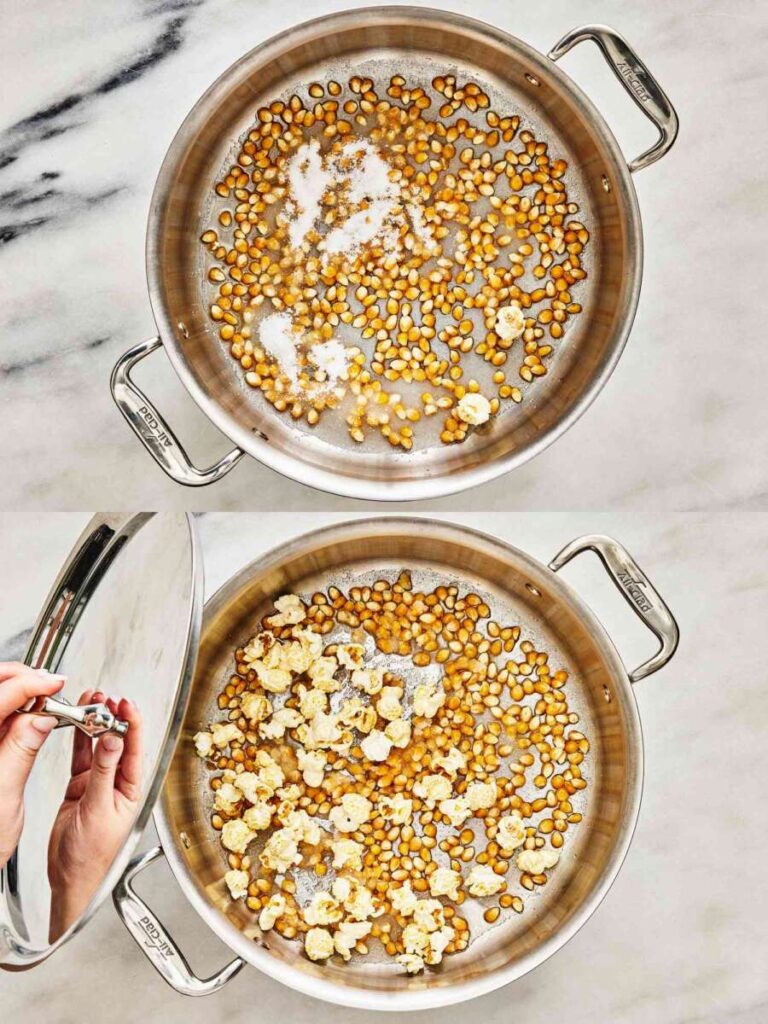
Popcorn begins as a whole corn kernel. The kernel contains water inside a hard outer shell. When heated, the water turns to steam and eventually bursts the shell open.
PopCorners start with corn that has already been milled and mixed. They are formed into a specific shape before they puff. This gives them a smooth, controlled appearance and a more even texture.
Here are the main differences:
• Traditional popcorn uses whole kernels. PopCorners use a prepared corn mixture.
• Popcorn pops when its natural shell bursts. PopCorners expand through heat and pressure.
• Popcorn has an irregular shape. PopCorners are formed into consistent pieces.
• Popcorn may be cooked with oil or hot air. PopCorners use a controlled commercial cooking and puffing process.
• PopCorners usually have seasoning spread across their surface.
So, are PopCorners popcorn? They are popcorn-based corn snacks, but they are not traditional popped kernels in the usual sense.
Do They Fry PopCorners?
PopCorners are generally described as a popped, not fried, snack. That means the main expansion process relies on heat and pressure rather than deep-frying the corn pieces in oil.
Some varieties may contain added oil as an ingredient or use oil to help seasoning stick. That does not mean the snack is deep-fried like a potato chip.
The package label is the best source for the exact product. Ingredients and nutrition can vary by flavor, country, and recipe updates. Checking the current label is especially important if you avoid certain allergens or follow a specific diet.
Are PopCorners Healthy?
Whether PopCorners are healthy depends on the flavor, serving size, and the rest of your diet. They can be a convenient alternative to some fried snacks, but “popped” does not automatically mean low-calorie or highly nutritious.
A typical serving may provide carbohydrates and some fat. Flavored versions can also contain notable amounts of sodium or added sugar.
Consider these points:
• A serving is often smaller than the amount people eat from a full bag.
• Cheese and flavored varieties may contain more sodium.
• Sweet flavors may contain added sugar.
• Corn provides carbohydrates but is not a major source of protein.
• Eating directly from the bag makes portion control harder.
For a balanced snack, pair a small serving with something that adds protein or fiber. Greek yogurt, fruit, nuts, or vegetables can make the snack more filling.
People with allergies should read the label carefully. Some varieties may contain milk, soy, or other allergens. Ingredients can change, so an old package should not be treated as proof of what a current product contains.
Why Are PopCorners So Crunchy?
The crunch comes from low moisture and tiny air spaces inside the cooked corn structure. During puffing, steam expands the dough and creates a porous texture.
Once the snack cools and dries, the starch structure becomes firm. When you bite it, that structure breaks into small pieces. The sound and feel come from the rapid cracking of the dry, airy matrix.
Seasoning also affects texture. A heavy coating can make a piece feel denser or slightly less crisp. In contrast, a light coating allows the corn texture to stand out.
Humidity is the enemy of crunch. After opening a bag, close it tightly or place the snacks in an airtight container. This simple step can help preserve the texture.
How Do They Make PopCorners Taste So Even?
Large food plants use controlled mixing and coating systems. These systems help spread seasoning across many pieces at a steady rate.
Several factors improve even flavor:
- The pieces are made to a similar size.
- The surface has enough texture for seasoning to stick.
- A measured amount of oil or coating may help distribute flavor.
- The snack moves through a tumbler or coating machine.
- Quality checks compare flavor, color, and seasoning coverage.
Home cooks can copy the basic idea with plain popped corn snacks, a small amount of oil, and a seasoning shaker. Add the seasoning in stages. Adding it all at once can cause clumps and leave other pieces bland.
Can You Make PopCorners at Home?
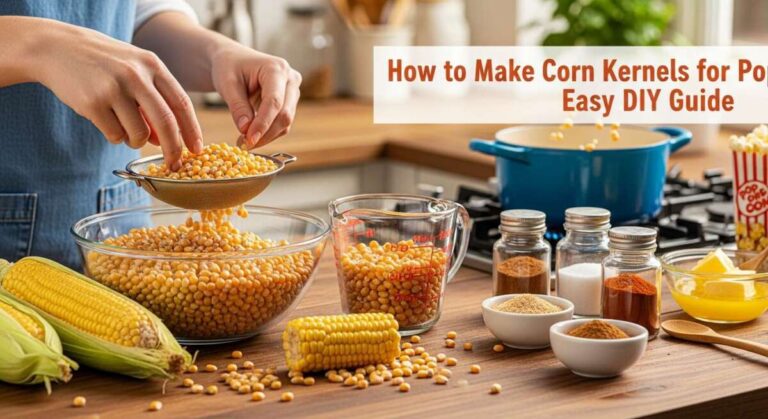
You can make a similar corn puff snack at home, but copying the commercial texture is difficult without specialized equipment. Commercial production uses precise pressure, heat, moisture, and shaping controls.
A simple homemade version might use corn flour, water, salt, and a small amount of oil. The dough can be rolled thin, cut into triangles, and baked until dry and crisp. The result may taste good, but it will not have exactly the same airy texture as packaged PopCorners.
A practical home method includes:
• Mix corn flour with water until a firm dough forms.
• Add a little salt and let the dough rest.
• Roll it very thin between sheets of parchment.
• Cut small triangles with a knife or cutter.
• Bake until dry and crisp.
• Cool fully before adding seasoning.
Do not expect the dough to puff like a commercial product. Home ovens do not create the same rapid pressure release. The safest goal is a thin, crisp corn cracker rather than a perfect copy.
In a small kitchen test, the most common mistake is making the dough too thick. Thick pieces stay chewy in the center while the edges become dark. Thin, even pieces give a much better result.

What Ingredients Are Used in PopCorners?
The ingredient list depends on the variety. The basic snack may contain corn, sunflower oil or another oil, and salt. Flavored products can include dairy ingredients, sugar, spices, natural flavors, and other food components.
The front of a package may use simple language, but the ingredient panel gives the most accurate detail. Look for:
• The first listed ingredient, which is present in the greatest amount by weight
• Added oils
• Sodium content
• Added sugars
• Milk or cheese ingredients
• Soy or other allergens
• Any special dietary claims
Terms such as “non-GMO,” “gluten-free,” or “vegan” apply only when stated for the specific product. One flavor should not be assumed to have the same formula as another.
Product labels can also change. If you have a medical allergy, always read the current package and check the manufacturer’s allergen statement.
Common Mistakes When Recreating PopCorners
People often focus only on the triangle shape. Shape matters, but it is not the main reason the snack has its texture. Moisture control and puffing conditions matter more.
Avoid these common mistakes:
• Using dough that is too wet
• Cutting pieces with different thicknesses
• Baking at high heat without checking often
• Adding too much oil
• Seasoning before the pieces are fully crisp
• Storing the finished snacks in an open bowl
Another mistake is assuming that every corn flour behaves the same way. Different grinds and brands absorb water at different rates. Add water slowly and adjust the dough as you mix.
The commercial method also has limits that home cooks cannot easily overcome. Without pressure cooking or extrusion equipment, a homemade version will usually be closer to a baked corn chip.
Frequently Asked Questions About How Do They Make PopCorners
Are PopCorners made from real corn?
Yes. PopCorners are made from a corn-based mixture. The corn is processed into a dough or meal, cooked, shaped, and expanded with heat and pressure.
Are PopCorners deep-fried?
PopCorners are generally made through a popping process rather than deep-frying. Some varieties may contain added oil, so check the ingredient list for the exact product.
Are PopCorners the same as popcorn?
No. Traditional popcorn comes from whole kernels that burst open when heated. PopCorners are made from prepared corn dough that is shaped before it expands.
How do they make PopCorners so light and crunchy?
Heat and pressure turn moisture in the corn dough into steam. A rapid pressure change expands the cooked starch and creates small air spaces, which give the snack its light crunch.
Can you make PopCorners at home?
You can make a similar baked corn snack with corn flour, water, and seasoning. However, commercial equipment creates pressure and texture that are hard to reproduce in a normal home kitchen.
Are all PopCorners gluten-free?
Many PopCorners products are labeled gluten-free, but recipes and manufacturing details can change. Read the current package if you have celiac disease, gluten sensitivity, or a wheat allergy.
Which PopCorners flavor is healthiest?
No single flavor is best for everyone. Compare serving size, sodium, added sugar, calories, and saturated fat on the current nutrition label, then choose the option that fits your diet.
Conclusion
How do they make PopCorners? Manufacturers turn corn into a moist dough, cook it, shape it into triangles, and use heat and pressure to puff it into a crisp snack. Drying, seasoning, quality checks, and sealed packaging complete the process.
PopCorners are different from traditional popcorn because they are formed from processed corn rather than popped as whole kernels. They can fit into a balanced diet, but portion size and flavor-specific nutrition still matter.
Now that you understand the process, compare the ingredient labels of your favorite varieties and try a simple homemade corn snack for yourself. Share your favorite flavor or cooking result in the comments.

Liora Pennings is a seasoned chef and kitchen enthusiast with a passion for turning everyday cooking into an effortless experience. With years of hands-on culinary expertise, she specializes in practical techniques, ingredient know-how, and smart kitchen solutions that help home cooks elevate their meals. At KitchFlair.com, Liora shares her best tips, time-saving tricks, and honest product reviews to guide readers toward a more efficient, enjoyable, and inspired cooking routine. Whether you’re a beginner or a seasoned home chef, Liora’s friendly, knowledge-packed insights make every visit to the kitchen a little easier—and a lot more delicious.