How To Make Kettle Popcorn: Easy Sweet-Salty Recipe
Make kettle popcorn by cooking kernels in oil, then coating them with sugar, salt, and gentle heat.
Learning how to make kettle popcorn is simple, but the order of each step matters. With the right oil, a heavy pot, fresh kernels, and careful stirring, you can make crisp, sweet-and-salty popcorn at home without special equipment. This guide explains the method, common mistakes, flavor ideas, storage tips, and the small details that make homemade kettle popcorn taste like a fairground treat.
What Is Kettle Popcorn?
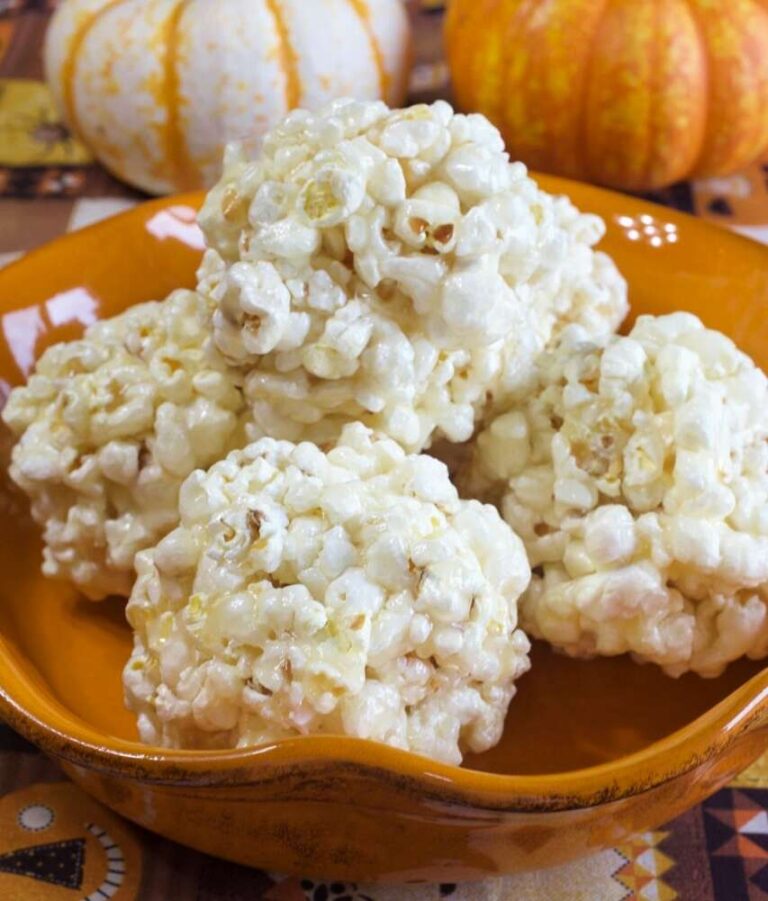
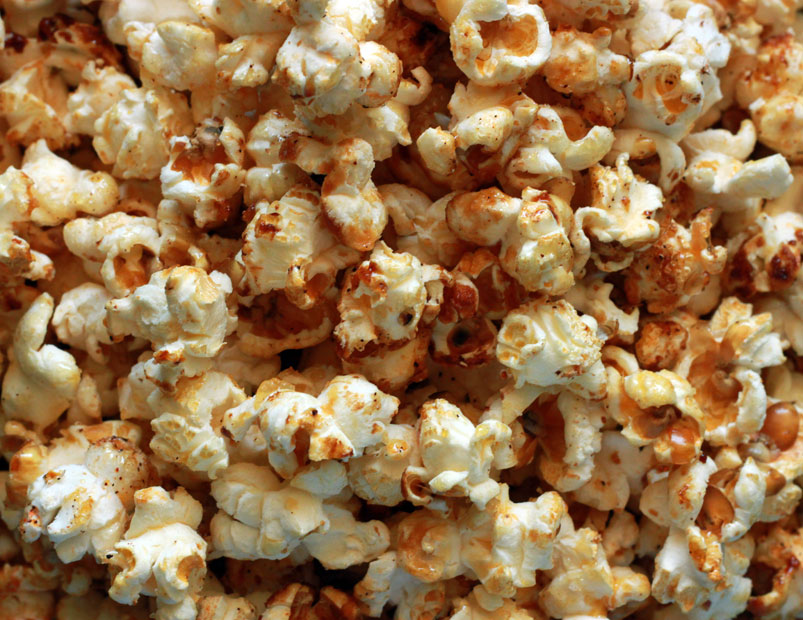
Kettle popcorn is popcorn cooked with oil, sugar, and salt in the same pot. As the kernels pop, the sugar melts and forms a thin, crisp coating around each piece. The result is sweeter than movie theater popcorn but lighter than caramel corn.
Traditional kettle popcorn often has a balanced sweet-and-salty taste. It should not taste like candy. Instead, the sugar adds a light crunch while the salt keeps the flavor bright.
The main challenge is heat control. Sugar can burn quickly, so you must shake the pot often and remove it from the burner as soon as most kernels pop. This is the key lesson when learning how to make kettle popcorn.
Ingredients for Homemade Kettle Popcorn
You need only a few basic ingredients. The amounts below make about 8 cups of popped popcorn.
• ⅓ cup popcorn kernels
• 3 tablespoons neutral oil, such as canola, vegetable, avocado, or grapeseed oil
• 2 tablespoons granulated sugar
• ½ teaspoon fine salt, plus more to taste
• 1 tablespoon melted butter, optional
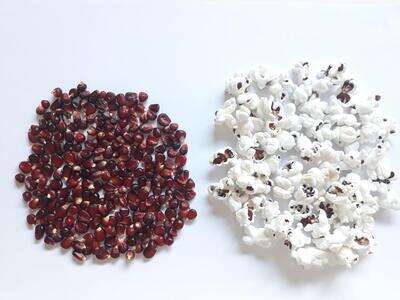
Choose fresh popcorn kernels for the best texture. Old kernels may lose moisture and fail to pop well. Popcorn pops because a small amount of water inside each kernel turns to steam. If the kernel is too dry, it may stay hard or produce small, chewy pieces.
Use fine salt when possible. It sticks to the popcorn better than coarse salt. If you use salted butter, reduce the added salt so the finished kettle popcorn does not become too salty.
Avoid extra virgin olive oil for high-heat popping. Its flavor may overpower the sugar, and its smoke point can vary. A neutral oil gives the cleanest taste and lets the sweet coating stand out.
Equipment You Will Need
A few simple tools make how to make kettle popcorn much easier.
• A large, heavy-bottomed pot with a lid
• A heat-safe spatula or wooden spoon
• Oven mitts or thick kitchen towels
• A large bowl for the finished popcorn
• A baking sheet lined with parchment paper, optional
A heavy pot spreads heat more evenly than a thin saucepan. Even heat helps the sugar melt without creating hot spots that burn the kernels.
The pot should have enough room for the kernels to expand. Popcorn can increase to more than 20 times its original volume, so a small pot may overflow quickly.
Keep the lid slightly vented if your pot allows it. A small gap lets steam escape. Too much trapped steam can make kettle popcorn soft instead of crisp.
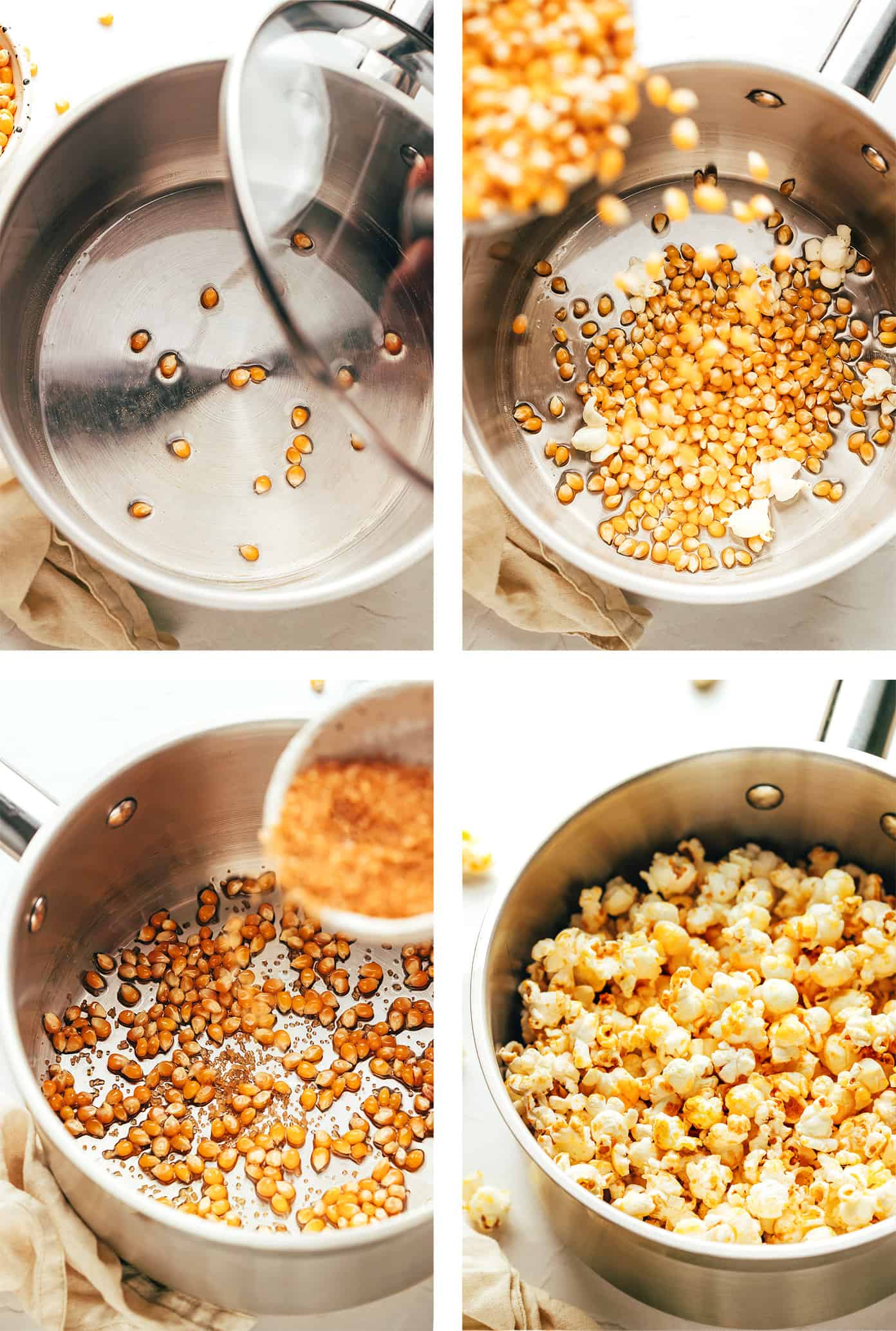
How to Make Kettle Popcorn Step by Step
Follow these steps for a reliable batch. The process moves quickly once the kernels begin to pop, so measure every ingredient before you start.
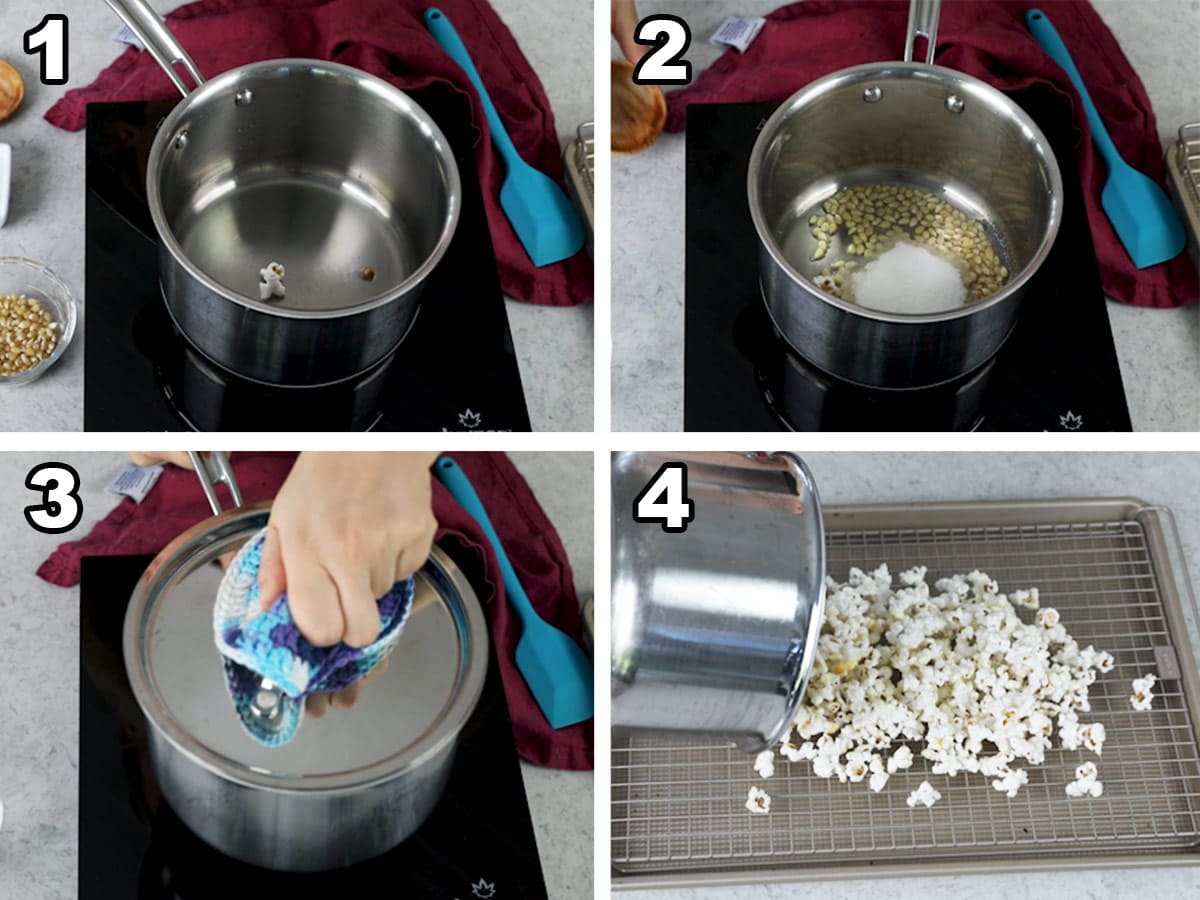
1. Test the oil
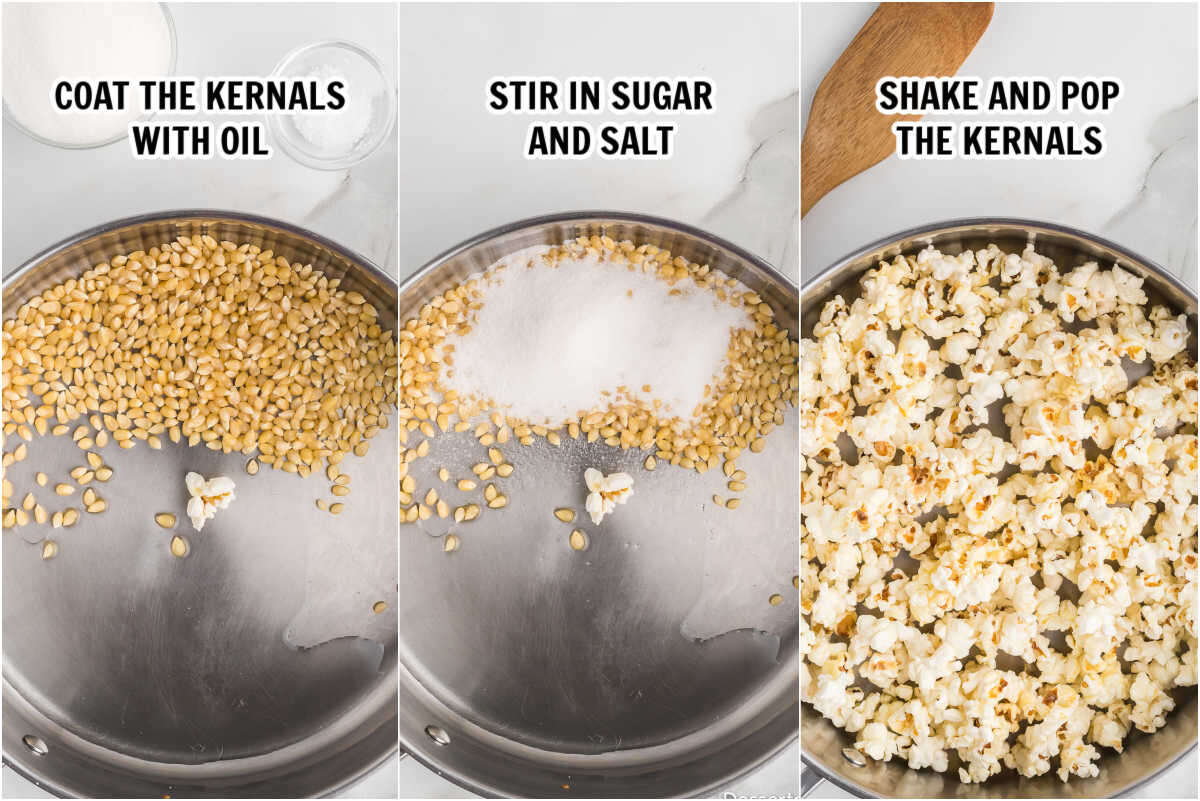
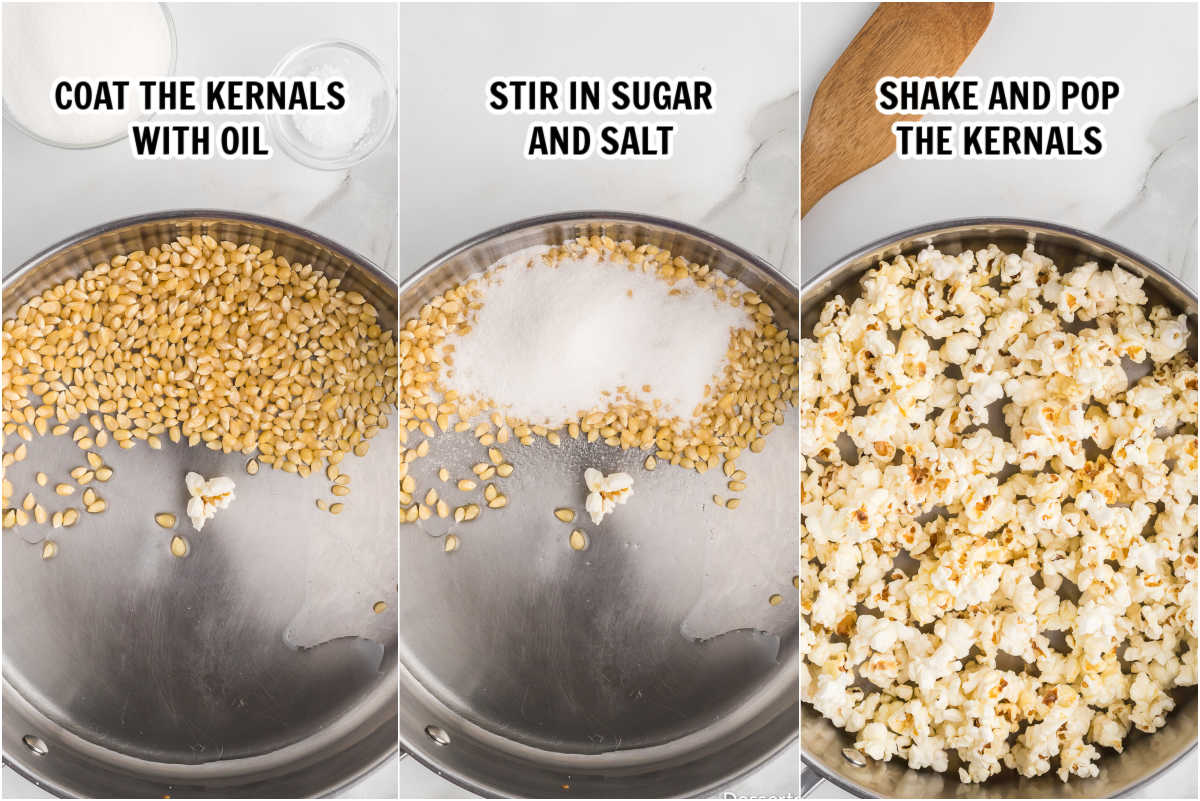
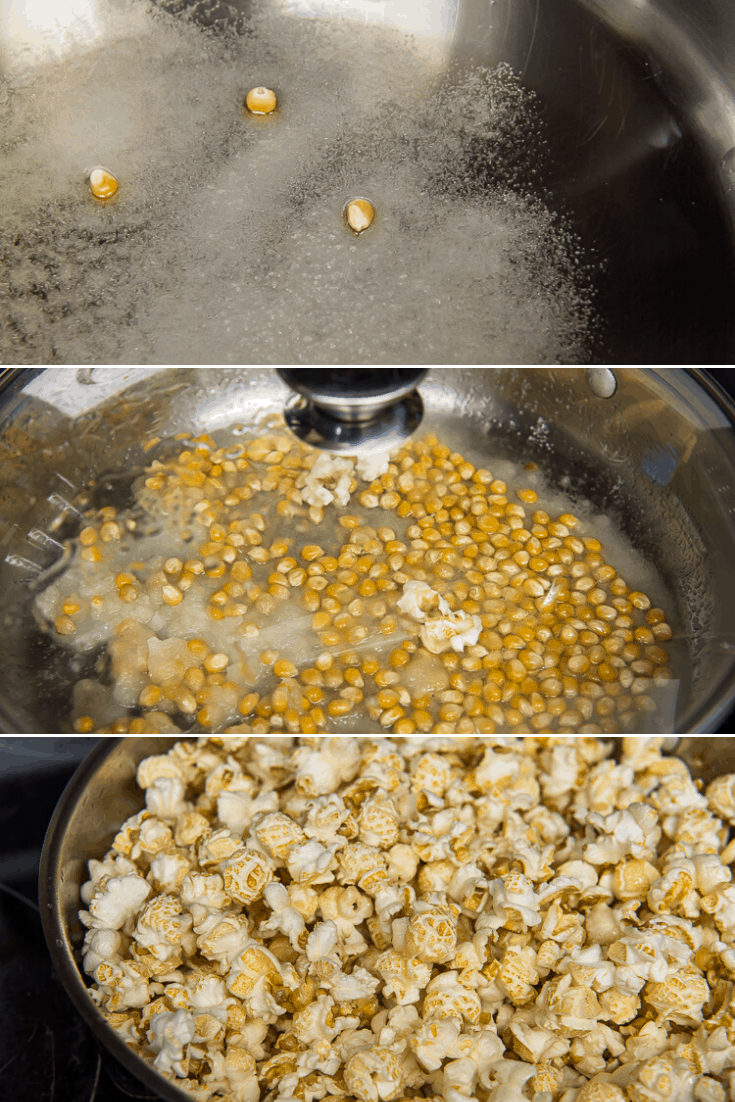
Place the pot over medium heat. Add the oil and two or three popcorn kernels. Cover the pot and wait until those test kernels pop.
This tells you that the oil is hot enough for the remaining kernels. Do not use high heat. Very hot oil can burn the sugar before the popcorn finishes popping.
2. Add the kernels, sugar, and salt
Once the test kernels pop, remove the pot from the heat for about 30 seconds. Add the remaining kernels, sugar, and salt.
Stir or gently swirl the pot to coat the kernels with oil and sugar. This short pause helps reduce the chance of the sugar burning at the bottom of the pot.
Return the pot to medium heat and cover it. Start moving the pot gently from side to side every few seconds.
3. Shake the pot as the kernels pop
Hold the lid firmly with an oven mitt. Lift the pot slightly from the burner and shake it back and forth. Return it to the heat, then repeat this motion every few seconds.
Shaking keeps the sugar moving and helps prevent hot spots. It also spreads unpopped kernels across the warm oil.
When learning how to make kettle popcorn, many people focus only on the popping sound. The shaking matters just as much. It is the difference between a crisp coating and a black, bitter layer on the bottom.
4. Remove the pot at the right time
When the popping slows to about two seconds between pops, remove the pot from the heat. Do not wait until every kernel pops.
Keep the lid on for another 10 to 15 seconds. A few final kernels may pop during this time. If you leave the pot over heat too long, the sugar can burn and the finished popcorn may taste bitter.
5. Cool the popcorn
Immediately pour the kettle popcorn into a large bowl or onto a parchment-lined baking sheet. Spread it out so the hot pieces do not stick together.
Let it cool for several minutes before eating. The sugar coating becomes crisp as it cools. Be careful, because freshly cooked sugar can be very hot and may cause burns.
Break apart any clusters after the popcorn cools. Add melted butter only after cooking if you want a richer flavor. Too much liquid during cooking can soften the sugar coating.
The Best Heat and Timing for Kettle Popcorn
Medium heat is usually the safest choice. The exact setting depends on your stove, pot, and oil, so watch the popcorn rather than relying only on a timer.
The oil should be hot enough to pop the test kernels within a few minutes. If they take much longer, raise the heat slightly. If the oil smokes, remove the pot from the burner and let it cool before starting again.
A typical batch takes about 5 to 8 minutes from cold oil to finished kettle popcorn. Gas burners may heat the pot faster than electric burners. Induction cooktops can also respond quickly, so use moderate heat and adjust early.
Sugar burns at a much lower temperature than many people expect. This is why constant movement and prompt cooling are important. The goal is to melt the sugar, not cook it until it turns dark brown.
How to Prevent Burnt Sugar
Burnt sugar is the most common problem when making kettle popcorn. It creates a bitter taste and leaves a hard layer on the pot.
Use these practical tips:
• Start with medium heat instead of high heat.
• Use a heavy-bottomed pot for even cooking.
• Shake the pot often, especially after the first kernels pop.
• Measure the sugar before you turn on the stove.
• Remove the pot when popping slows, even if a few kernels remain.
• Pour the popcorn out at once after cooking.
In my kitchen tests, the biggest mistake was waiting for every kernel to pop. The last few kernels were not worth the burnt coating. A small number of unpopped kernels is normal and far better than overcooked sugar.
If your kettle popcorn burns every time, lower the heat and use a larger pot. You can also reduce the sugar to 1½ tablespoons while you learn the method.
Common Mistakes and Easy Fixes
Adding sugar too late
Sugar needs to cook with the kernels so it can coat the popcorn. Adding it after popping will not create the same thin, crisp shell.
For a safer alternative, pop the corn with oil first. Then make a quick sugar syrup in a separate pan and drizzle it over the popcorn. This method gives you more control but creates a texture closer to light caramel corn.
Using too much sugar
Extra sugar does not always create better kettle popcorn. It can cause thick clumps, uneven coating, and burnt spots.
Start with two tablespoons for ⅓ cup of kernels. Increase the amount slightly in your next batch if you prefer a sweeter taste.
Choosing a pot that is too small
A crowded pot makes it hard for the kernels to move. It also traps steam and can cause uneven cooking.
Use a pot that allows the unpopped kernels to sit in a single layer. Leave enough space for the popcorn to expand without pressing against the lid.
Forgetting the salt
Salt balances the sugar. Without it, the popcorn may taste flat or overly sweet.
Fine salt works best because it spreads across the surface. Add a small amount first, taste after cooling, and adjust as needed.
Opening the lid too often
It is tempting to check the popcorn, but lifting the lid releases heat and steam. It can also allow popped pieces to escape.
Keep the lid on while shaking the pot. Pour the popcorn out only when the popping has slowed.

Flavor Variations for Kettle Popcorn
Once you understand how to make kettle popcorn, you can adjust the flavor without changing the basic method.
Cinnamon kettle popcorn
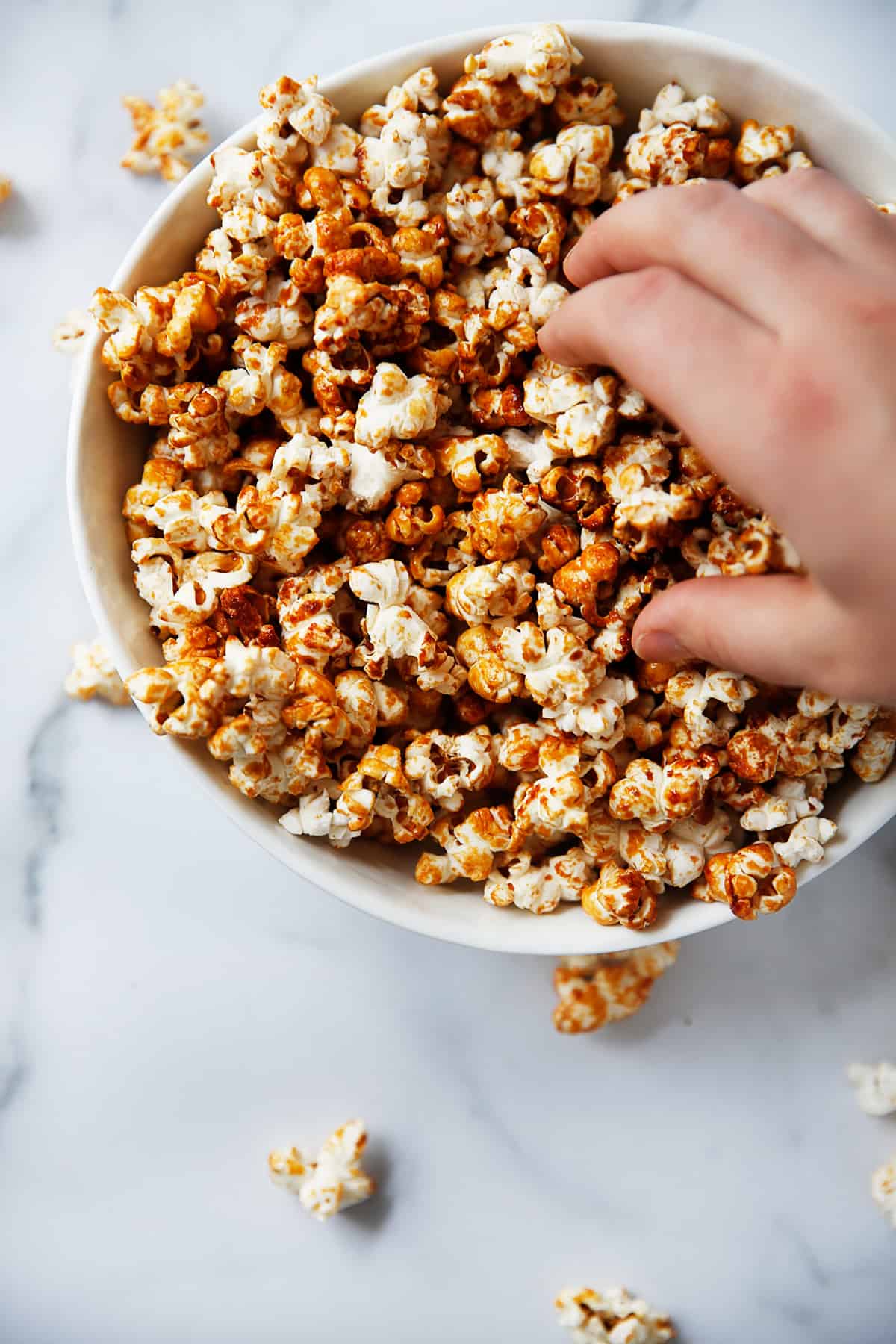
Add ¼ teaspoon of cinnamon after cooking. Toss it with the warm popcorn so it spreads evenly. A tiny pinch of nutmeg can add a warm, holiday-style flavor.
Maple popcorn
Use maple sugar in place of granulated sugar if you have it. Liquid maple syrup should be added after popping because it contains water and can make the popcorn sticky.
Spicy sweet popcorn
Add a pinch of cayenne pepper or chili powder with the salt. Start with a small amount. Heat becomes stronger as the popcorn cools.
Garlic and herb popcorn
For a less sweet version, skip the sugar. Add garlic powder, dried parsley, and salt after popping. Toss with a little melted butter or olive oil.
Chocolate popcorn
Let the kettle popcorn cool fully. Drizzle it with melted dark or milk chocolate, then allow it to set. Do not add chocolate during the popping process because it can burn.
How to Store Kettle Popcorn
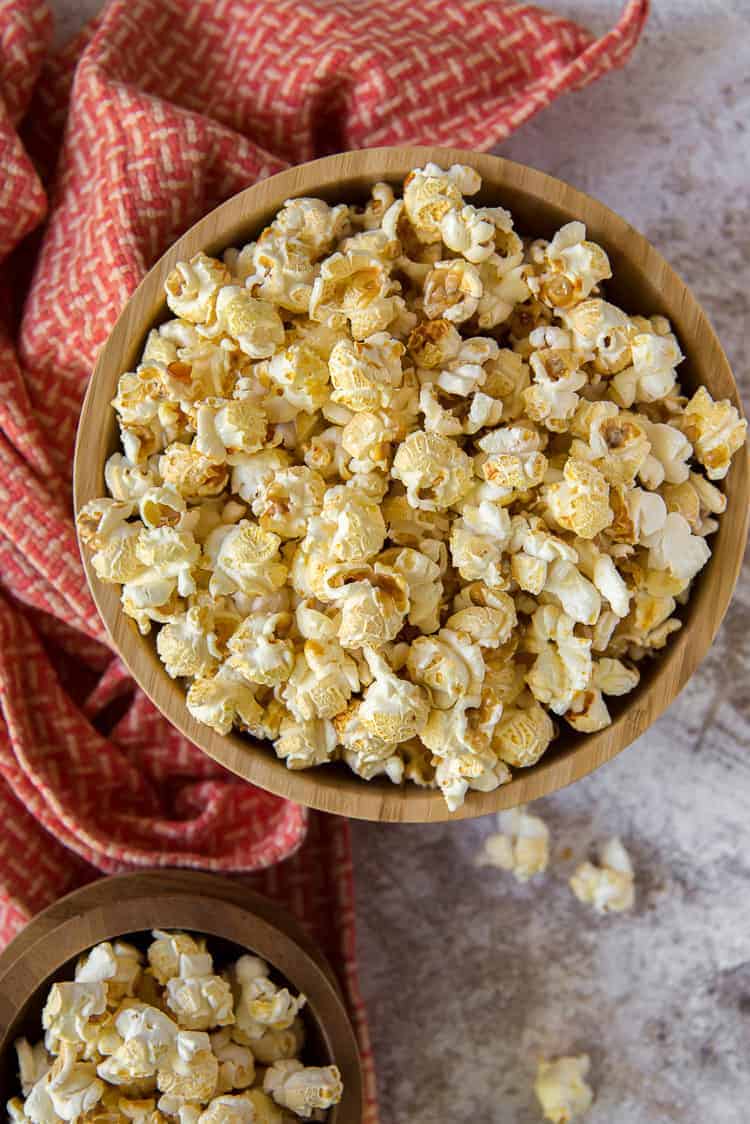
Store cooled kettle popcorn in an airtight container at room temperature. A sealed glass jar, food storage container, or resealable bag works well.
For the best texture, eat it within two or three days. Moisture in the air can soften the sugar coating. Do not refrigerate it, because condensation may make it chewy.
If the popcorn loses some crispness, spread it on a baking sheet and warm it in a low oven for a few minutes. Watch it closely, since the sugar can burn during reheating.
Never store kettle popcorn while it is still warm. Trapped steam creates moisture inside the container and quickly weakens the crunch.

Is Kettle Popcorn Healthy?
Kettle popcorn can fit into a balanced diet, but it is not a low-sugar food in the same way as plain air-popped popcorn. Its nutrition depends on the amount of oil, sugar, salt, and butter used.
Popcorn itself is a whole grain and provides fiber. However, added sugar and oil increase the calorie content. Portion size matters, especially when eating from a large bowl.
For a lighter batch, use:
• 1½ tablespoons of sugar
• 2 tablespoons of oil
• A small amount of fine salt
• No added butter
People with diabetes or other dietary needs should account for the added sugar. Those with food allergies should check flavored toppings and shared equipment. Homemade kettle popcorn gives you control, but it is still important to read labels on packaged ingredients.
Frequently Asked Questions About How to Make Kettle Popcorn
Can I make kettle popcorn without oil?
Yes, but oil helps transfer heat and coats the kernels with sugar. For an oil-free version, air-pop the kernels first, then add a small amount of melted sugar syrup and salt, although the texture will be different.
Why does my kettle popcorn taste bitter?
Bitter popcorn usually means the sugar burned. Use medium heat, shake the pot often, and remove it when the popping slows to about two seconds between pops.
Can I use brown sugar to make kettle popcorn?
You can use brown sugar, but it contains more moisture and may create a softer, stickier coating. Granulated white sugar is easier to control for classic kettle popcorn.
How much sugar should I use for kettle popcorn?
Two tablespoons of sugar for ⅓ cup of kernels creates a lightly sweet coating. Use 1½ tablespoons for less sweetness or up to 2½ tablespoons for a richer flavor, but watch the pot closely.
Why is my kettle popcorn chewy?
Chewy popcorn usually contains trapped moisture. Vent the lid slightly while cooking, pour the popcorn out immediately, and cool it completely before storing it.
Can I make kettle popcorn in an air fryer?
An air fryer is not the best tool for traditional kettle popcorn because loose kernels can move into the heating element. A large pot on the stovetop gives better control over the oil, sugar, and popping process.
How long does homemade kettle popcorn last?
Homemade kettle popcorn tastes best within two or three days when stored in an airtight container. Keep it at room temperature and protect it from humidity.
Conclusion
Making kettle popcorn at home takes simple ingredients and careful heat control. Use fresh kernels, neutral oil, granulated sugar, and fine salt. Shake the pot often, remove it when the popping slows, and cool the popcorn right away.
The first batch may teach you more than any recipe. If the sugar burns, lower the heat. If the popcorn turns soft, improve ventilation and storage. Try the basic method today, then experiment with cinnamon, chili, chocolate, or herbs. Share your favorite version or explore more homemade snack recipes for your next movie night.

Liora Pennings is a seasoned chef and kitchen enthusiast with a passion for turning everyday cooking into an effortless experience. With years of hands-on culinary expertise, she specializes in practical techniques, ingredient know-how, and smart kitchen solutions that help home cooks elevate their meals. At KitchFlair.com, Liora shares her best tips, time-saving tricks, and honest product reviews to guide readers toward a more efficient, enjoyable, and inspired cooking routine. Whether you’re a beginner or a seasoned home chef, Liora’s friendly, knowledge-packed insights make every visit to the kitchen a little easier—and a lot more delicious.