Is A Vacuum Cleaner An Appliance: What To Know
Yes, a vacuum cleaner is a household appliance designed to remove dust, dirt, and debris.
A vacuum cleaner belongs to the appliance family because it uses electricity, motors, filters, and moving parts to perform a regular household task. However, its design, energy use, and safety needs differ from appliances such as refrigerators, ovens, and washing machines. This guide explains the classification clearly, with practical examples to help you understand how a vacuum fits into your home.
What Is a Vacuum Cleaner?
A vacuum cleaner is a machine that removes dirt from floors, carpets, furniture, cars, and other surfaces. It creates suction by using an electric motor and a fan. The airflow pulls dust and debris into a bag, bin, or water-based collection system.
In simple terms, a vacuum cleaner works like a controlled wind tunnel. Air moves through the machine, carries dirt with it, and then passes through filters before returning to the room.
Common parts include:
• Electric motor: Powers the fan and creates suction.
• Fan: Moves air through the cleaner.
• Suction head: Touches the surface and collects dirt.
• Dust bag or dirt bin: Stores removed debris.
• Filters: Trap dust and fine particles.
• Hose, wand, or brush roll: Helps clean hard-to-reach areas or lift debris from carpets.
Because it combines electrical power with a specific home-cleaning function, a vacuum cleaner is an appliance in both everyday language and most retail settings.

Why Is a Vacuum Cleaner Considered an Appliance?
An appliance is a device made to perform a useful household or commercial task. Most appliances use electricity, gas, batteries, or another power source. A vacuum cleaner meets this basic definition.
A vacuum cleaner is an appliance for several clear reasons:
• It performs a regular household job.
• It uses a power source to operate.
• It contains mechanical and electrical components.
• It is sold as home or commercial equipment.
• It can be used independently without being part of a building.
The term “household appliance” usually includes devices such as microwaves, dishwashers, air conditioners, and vacuum cleaners. Some appliances are fixed in place, while others are portable. A vacuum cleaner falls into the portable appliance category.
This difference matters. A built-in dishwasher is a major appliance because it is large and installed in a fixed location. A handheld vacuum is a small appliance because it is portable and usually lighter.
In my experience testing and using different cleaning tools, this distinction is easy to see. A vacuum may look like a simple tool, but its motor, wiring, controls, and filtration system make it much closer to a powered appliance than a manual broom.

Is a Vacuum Cleaner a Major or Small Appliance?
Most vacuum cleaners are classified as small appliances. They are portable, plug into a wall outlet or use rechargeable batteries, and do not require permanent installation.
The exact label can vary by retailer, manufacturer, or insurance policy. For example, a full-size upright vacuum may be listed as a small household appliance, while a built-in central vacuum system may be treated as installed home equipment.
Here are common categories:
Small household appliances
These include portable devices that handle everyday tasks. Examples include:
• Upright vacuums
• Canister vacuums
• Stick vacuums
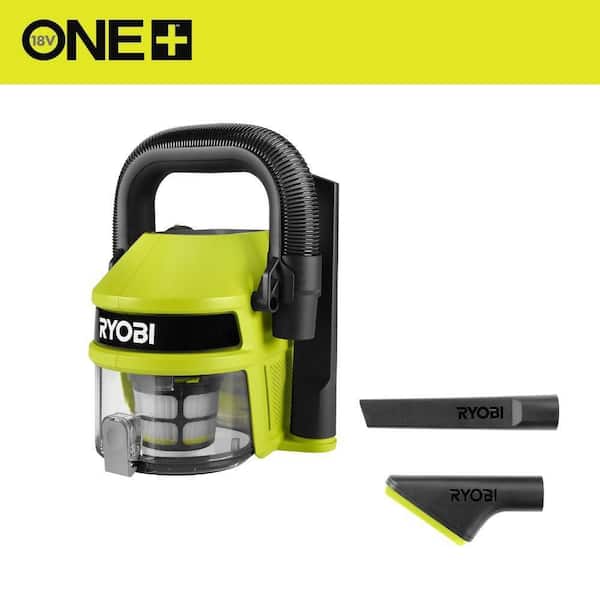
• Handheld vacuums
• Robot vacuums
• Wet and dry vacuums
Major appliances
Major appliances are usually larger, more expensive, and often installed in one place. Examples include:
• Refrigerators
• Clothes washers
• Dryers
• Ranges
• Dishwashers
• Built-in ovens
A vacuum cleaner is generally not a major appliance, even when it is large or powerful. Its portable design is the main reason it is placed in the small-appliance category.
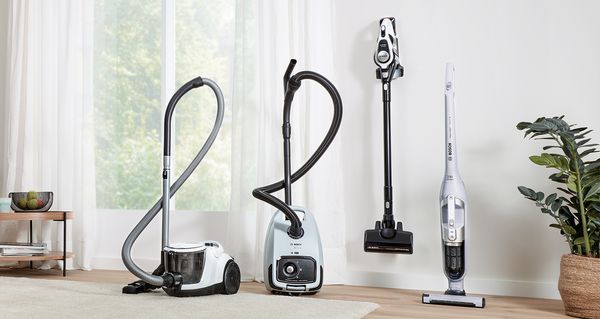
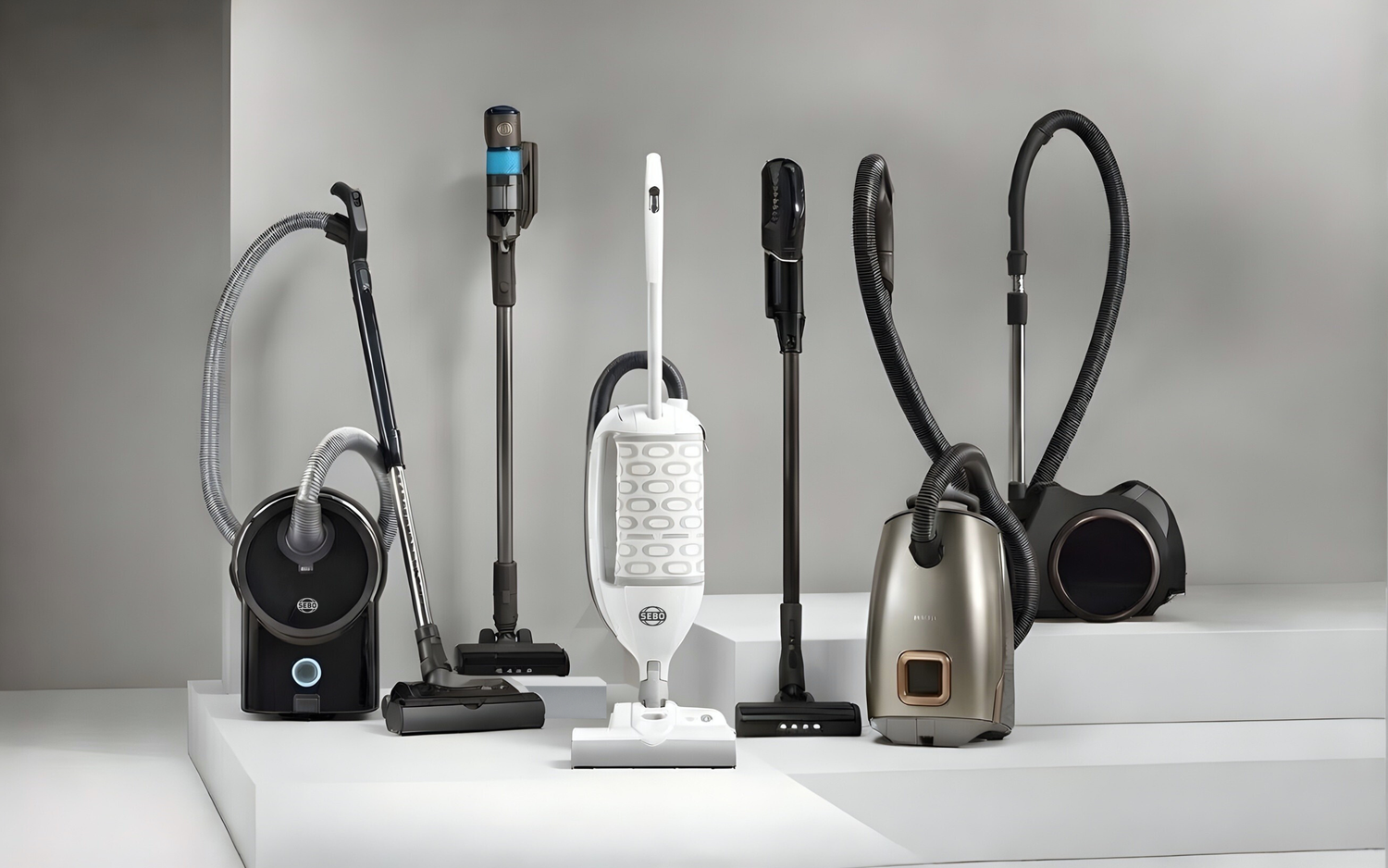
Different Types of Vacuum Cleaner Appliances
The phrase “vacuum cleaner appliance” covers several designs. Each type suits a different home, floor plan, and cleaning habit.
Upright vacuum cleaners
Upright models have a tall body and a cleaning head near the floor. They are popular for carpeted homes because many include rotating brush rolls and strong suction.
They can be heavier than other models. Still, their wide cleaning path can save time in large rooms.
Canister vacuum cleaners
Canister vacuums have a separate motor unit connected to a hose and cleaning wand. They are often easy to guide around furniture and work well on stairs, hard floors, and delicate surfaces.
The main drawback is storage. The hose and canister may take more space than a stick vacuum.
Stick vacuum cleaners
Stick vacuums are slim and light. Many cordless models use lithium-ion batteries and can switch between hard floors and carpets.
They are convenient for quick cleanups. However, small dust bins and limited battery life may make them less suitable for deep cleaning a large home.
Handheld vacuum cleaners
Handheld models are made for small jobs. They work well for crumbs, pet hair, car seats, sofas, and stairs.
Their small size is useful, but they often have less power and shorter run times than full-size models.
Robot vacuum cleaners
Robot vacuums use sensors, software, and motors to clean floors with limited human control. Some models also map rooms, avoid obstacles, and return to a charging dock.
They can reduce daily dust buildup. Yet they may struggle with stairs, thick rugs, clutter, and corners.
Wet and dry vacuum cleaners
Wet and dry models can collect both dry debris and certain liquid spills. They are common in garages, workshops, basements, and commercial spaces.
Always check the manual before collecting liquids. A standard dry vacuum should never be used on wet surfaces unless the manufacturer specifically permits it.
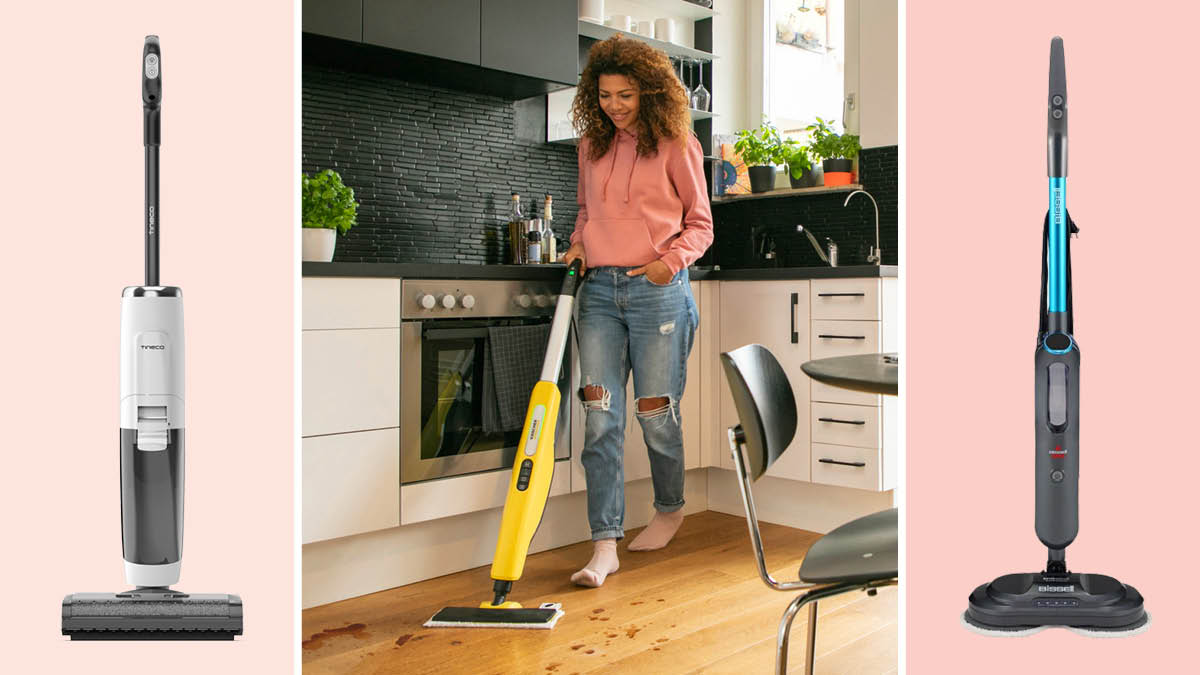
How Does a Vacuum Cleaner Work?
A vacuum cleaner does not truly “suck” dirt in the way a straw draws up a drink. Instead, its motor turns a fan that changes air pressure inside the machine. Higher air pressure outside the cleaner pushes air and loose debris toward the lower-pressure area.
The cleaning head creates a path between the floor and the machine. Air carries dust through the hose or internal channel. The debris then collects in a bag or bin, while filters capture smaller particles.
A typical cleaning cycle works like this:
-
The motor powers the fan.
-
The fan moves air through the machine.
-
The cleaning head loosens and gathers debris.
-
Air carries the debris into the dust container.
-
Filters trap fine particles.
-
Cleaner air exits through the exhaust.
The filter system is important. A clogged filter can reduce airflow, lower cleaning performance, and increase strain on the motor. This is one of the most common problems I have seen during routine vacuum maintenance.
Cleaning or replacing filters on schedule is often more useful than buying a machine with the highest advertised suction rating. Good airflow, a sealed system, and the right brush head can matter just as much.
Vacuum Cleaner Appliance vs. Cleaning Tool
People sometimes ask whether a vacuum cleaner is a tool instead of an appliance. The answer depends on how the words are being used.
A tool usually helps a person complete a task. A hammer, broom, mop, and screwdriver are common examples. An appliance usually performs a household function through a powered system.
A vacuum cleaner can be called a cleaning tool in casual conversation. Technically, however, it is a powered household appliance because it uses a motor and electrical system to complete the job.
This comparison makes the difference clearer:
| Item | Main category | Power source |
|---|---|---|
| Broom | Manual cleaning tool | Human effort |
| Mop | Manual cleaning tool | Human effort |
| Vacuum cleaner | Household appliance | Electricity or battery |
| Steam mop | Small appliance | Electricity |
| Carpet sweeper | Manual cleaning device | Human effort |
| Central vacuum system | Installed cleaning appliance | Electricity |
The classification can also affect storage, warranties, repairs, and household insurance claims. If a policy or warranty uses a narrow definition, check its terms instead of relying only on everyday language.

Benefits of Using a Vacuum Cleaner Appliance
A vacuum cleaner offers more than convenience. It can improve cleaning consistency and help reduce the amount of loose dust in living areas.
Faster routine cleaning
A vacuum can clean a room much faster than sweeping by hand. It also collects dust instead of pushing some particles into the air.
Better carpet care
Carpet fibers hold dust, hair, crumbs, and soil. A suitable vacuum with a working brush roll can lift more of this material than a flat broom.
Easier pet hair removal
Pet hair often clings to rugs, upholstery, and fabric. A vacuum with strong airflow and a motorized brush can make this work easier.
Useful filtration
Some vacuums use high-efficiency filters to capture small particles. A well-sealed machine can help limit the amount of collected dust that escapes through the exhaust.
Do not assume every filter labeled “HEPA” offers the same real-world result. The whole machine matters, including seals, filter fit, airflow, and maintenance.
More cleaning options
Attachments can clean curtains, blinds, stairs, sofas, mattresses, baseboards, and car interiors. This makes one appliance useful across many areas.
Limitations and Safety Concerns
Although a vacuum cleaner is an appliance, it is not suitable for every cleaning task. Using the wrong model or attachment can damage the machine or the surface.
Avoid these common mistakes:
• Do not vacuum water with a dry-only model.
• Do not pick up hot ash, burning material, or glowing embers.
• Do not vacuum sharp glass, nails, or large metal objects unless the manual allows it.
• Do not block the exhaust or cover ventilation openings.
• Do not use a damaged cord or cracked plug.
• Do not ignore unusual smells, smoke, sparks, or loud grinding sounds.
• Do not operate a corded vacuum near standing water.
A vacuum cleaner can also spread dust when its bag is overfilled or its filter is clogged. Empty the bin outdoors when possible, and replace disposable bags before they become packed.
For cordless models, use the correct charger. Stop using the battery if it swells, becomes unusually hot, leaks, or shows physical damage. Battery safety deserves special attention because lithium-ion cells can create a fire risk when damaged or charged incorrectly.

How to Choose the Right Vacuum Cleaner Appliance
The best vacuum is not always the most expensive one. Choose based on your floor type, home size, pets, storage space, and cleaning routine.
Use these steps:
-
Identify your main floor type. Hard floors, low-pile carpet, and thick carpet may need different brush settings.
-
Consider your home size. A cordless stick model may suit a small apartment, while a canister or upright model may work better in a larger home.
-
Check the dust capacity. Small bins need frequent emptying, especially in homes with pets.
-
Review the filtration system. Look for a sealed design and a filter that is easy to clean or replace.
-
Think about noise. A quieter vacuum may be more comfortable around children, pets, or sleeping family members.
-
Check the weight and controls. If you have stairs or limited mobility, a lighter model may be safer and easier to use.
-
Review maintenance costs. Bags, filters, batteries, belts, and brush rolls can affect the long-term price.
-
Match the attachments to your needs. A crevice tool, upholstery brush, and motorized pet tool can be very useful.
One lesson I learned from using several vacuum types is that convenience affects cleaning frequency. A powerful model that is hard to carry may sit unused. A slightly smaller model that is easy to grab can keep the home cleaner because you are more likely to use it.

How to Maintain a Vacuum Cleaner Appliance
Regular maintenance helps protect performance and extend the life of the appliance. It also supports better indoor cleaning.
Follow these basic habits:
• Empty the dust bin before it becomes full.
• Replace disposable bags when they reach the recommended level.
• Wash reusable filters only if the manual says they are washable.
• Let washed filters dry completely before reinstalling them.
• Remove hair and thread from the brush roll.
• Inspect the hose for cracks or blockages.
• Check belts for stretching, wear, or damage.
• Keep the intake and exhaust vents clear.
• Store the vacuum in a dry place.
A simple monthly inspection can prevent many problems. Run your fingers over the brush roll only when the machine is unplugged or turned off. For cordless models, remove the battery when the manual recommends it for service.
If suction drops suddenly, check the bin, filter, hose, and brush head before assuming the motor has failed. In many cases, the problem is a blockage rather than a serious mechanical fault.
Frequently Asked Questions About Is a Vacuum Cleaner an Appliance
Is a vacuum cleaner considered a household appliance?
Yes, a vacuum cleaner is considered a household appliance because it uses electricity or battery power to perform a regular cleaning task. It is usually classified as a portable or small household appliance.
Is a vacuum cleaner a major appliance?
Usually, no. Most vacuum cleaners are small appliances because they are portable and do not need permanent installation, although a built-in central vacuum system may be treated differently.
Is a cordless vacuum cleaner still an appliance?
Yes, a cordless vacuum cleaner is still an appliance. It uses a rechargeable battery instead of a wall outlet, but it still contains a motor and performs a powered household function.
Is a vacuum cleaner an electrical appliance?
Yes, most vacuum cleaners are electrical appliances. Corded models use household electricity, while cordless models use stored electrical energy in a rechargeable battery.
Can a vacuum cleaner be called a tool?
A vacuum cleaner can be called a cleaning tool in casual speech. Its more precise classification is a powered household appliance because it uses mechanical and electrical systems.
Does a vacuum cleaner use a lot of electricity?
Energy use varies by motor size, cleaning mode, and operating time. A product label or manual may provide wattage, but actual energy use depends on how long and how often you operate the machine.
Conclusion
A vacuum cleaner is an appliance because it uses a motor, power source, airflow, and filtration system to perform household cleaning. Most models are small, portable appliances, while central vacuum systems may be installed as part of a building.
The right model depends on your floors, home size, pets, storage space, and maintenance habits. Choose a vacuum that you will use often, maintain it well, and follow its safety instructions. If this guide helped, explore more home-care resources or share your vacuum questions in the comments.

Liora Pennings is a seasoned chef and kitchen enthusiast with a passion for turning everyday cooking into an effortless experience. With years of hands-on culinary expertise, she specializes in practical techniques, ingredient know-how, and smart kitchen solutions that help home cooks elevate their meals. At KitchFlair.com, Liora shares her best tips, time-saving tricks, and honest product reviews to guide readers toward a more efficient, enjoyable, and inspired cooking routine. Whether you’re a beginner or a seasoned home chef, Liora’s friendly, knowledge-packed insights make every visit to the kitchen a little easier—and a lot more delicious.