Does Popcorn Make You Bloated: Causes And Fixes
Popcorn can cause bloating when large portions, fiber, salt, or rich toppings upset your digestion.
Does popcorn make you bloated? Sometimes, but the popcorn itself is not always the main problem. Plain, air-popped popcorn is a whole grain with fiber, while butter, salt, cheese, caramel, and oversized servings can make stomach discomfort more likely. This guide explains the causes, the warning signs, and simple ways to enjoy popcorn without feeling overly full.
Does popcorn make you bloated?
Popcorn can make you bloated, especially when you eat a large bowl quickly. Its hulls contain fiber, which adds bulk and may lead to gas as gut bacteria break it down. This effect can be stronger if your body is not used to eating much fiber.
Plain popcorn is often easier to tolerate than movie theater popcorn. The difference usually comes from portion size and toppings. A small serving of air-popped popcorn may feel light, while a large serving covered in butter and salt can leave you feeling swollen.
Bloating means a feeling of fullness, pressure, or tightness in your belly. It may happen with or without visible stomach swelling. Gas, constipation, food sensitivity, and fast eating can all play a role.
Why popcorn may cause gas and bloating
Several factors can explain why popcorn makes some people feel bloated. Understanding the cause can help you change one habit at a time instead of giving up popcorn completely.
1. Popcorn contains dietary fiber
Popcorn is a whole grain. Three cups of air-popped popcorn provide about 3 grams of fiber, though the exact amount varies by brand and preparation.
Fiber supports regular bowel movements and long-term gut health. Yet a sudden rise in fiber may cause gas, cramps, or bloating. Your gut bacteria ferment some types of fiber, and gas is a normal result of that process.
2. You may eat too much at once
Popcorn is light and easy to keep eating. A large bowl can contain several servings, even when it looks like one snack.
A high volume of food stretches the stomach. Eating fast can also cause you to swallow more air. Together, these habits may create temporary pressure and fullness.
3. Toppings may be the real cause
Many people blame popcorn when the topping is more likely to cause discomfort. Common additions include:
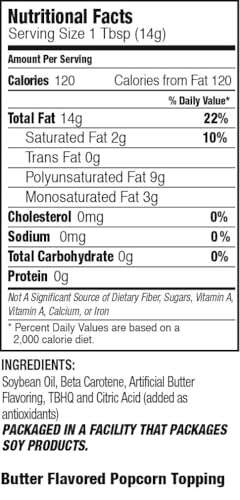
• Butter or buttery flavoring, which may feel heavy and can trigger symptoms in some people
• Large amounts of salt, which can encourage temporary water retention
• Cheese powder, which may bother people with lactose intolerance or sensitivity to rich foods
• Caramel, which adds sugar and may cause digestive upset in some people
• Chili, garlic, or onion seasoning, which can trigger symptoms in people with irritable bowel syndrome
• Oil used in cooking, especially when the portion is large
Movie theater popcorn often contains more oil, salt, and flavoring than homemade popcorn. That makes it harder to identify whether the corn or the toppings caused the problem.
4. The hulls may irritate a sensitive gut
Popcorn hulls are the outer parts that can stick between your teeth. They also contain coarse fiber that some people find harder to digest.
This does not mean popcorn is harmful. It means people with a sensitive digestive system may notice more discomfort after eating it. Chewing well can help, but it may not remove the issue for everyone.
5. Constipation can make bloating worse
If stool moves slowly through your colon, gas can become trapped. Eating a fiber-rich snack without enough fluids may add bulk before your body has cleared older stool.
This can make popcorn seem like the cause when constipation is the larger issue. Regular water intake, movement, and gradual fiber changes often help.

Is popcorn hard to digest?
Popcorn is not usually hard to digest for healthy adults. The inside of the kernel is mostly starch, while the outer hull adds fiber. Your digestive system breaks down the starch, but some fiber passes into the colon.
The way you prepare popcorn also matters. Air-popped popcorn with little seasoning is usually simpler than popcorn cooked in a lot of oil. Sweet or heavily coated popcorn may take longer to feel comfortable because it contains more fat and sugar.
Some people may notice undigested pieces of popcorn in their stool. This can happen because the hull contains fiber that human enzymes do not fully break down. It is usually harmless.
If popcorn causes severe pain, repeated vomiting, blood in the stool, or ongoing diarrhea, do not assume the snack is to blame. A health professional should assess those symptoms.
Can popcorn cause bloating with IBS?
Popcorn may cause bloating in people with irritable bowel syndrome, or IBS, but tolerance varies. Plain popcorn is often considered a lower-FODMAP food in normal portions. FODMAPs are short-chain carbohydrates that can draw water into the gut and ferment quickly.
The problem may be the portion or the seasoning. Onion and garlic powders, milk-based toppings, sweet coatings, and large amounts of fat can be more troublesome than plain popcorn.
If you have IBS, try a small portion first. Keep a simple food diary and record the popcorn type, amount, toppings, and symptoms. This can show whether the issue is popcorn itself or another ingredient.
A low-FODMAP diet can be useful for some people, but it should not become unnecessarily restrictive. A registered dietitian can help you test foods and maintain good nutrition.

Does popcorn make you bloated if you have lactose intolerance?
Popcorn itself does not contain lactose. Lactose is the sugar found in milk and dairy products.
However, butter, cheese flavoring, and creamy toppings may contain dairy. People with lactose intolerance can develop gas, bloating, cramps, or diarrhea after enough lactose reaches the colon.
Try plain popcorn or a topping made without dairy. Some people tolerate small amounts of butter, while others feel better with a dairy-free spread or a small amount of olive oil.
Read the ingredient label on packaged popcorn. Flavor powders may contain milk ingredients even when the product does not look creamy.
:max_bytes(150000):strip_icc()/VWH-GettyImages-1440304129-3f192b94bbca41469f3f03dd2decb181.jpg)
Does microwave popcorn cause bloating?
Microwave popcorn may cause bloating because of its flavoring, oil, salt, or large serving size. The popcorn kernels are not automatically worse than loose kernels, but the full ingredient list can be more complex.
Some microwave products contain dairy ingredients, artificial flavors, or a high amount of sodium. Sensitivity differs from person to person, so check the label rather than judging the entire category.
A simple option is to use plain kernels in a microwave-safe bowl with a vented cover. You can then control the oil and salt. Avoid sealing the bowl, since steam must escape safely.
“Natural flavors” on a label do not always tell you exactly which ingredients are present. If you repeatedly react to one brand, try a plain product with fewer added ingredients.

How to eat popcorn without getting bloated
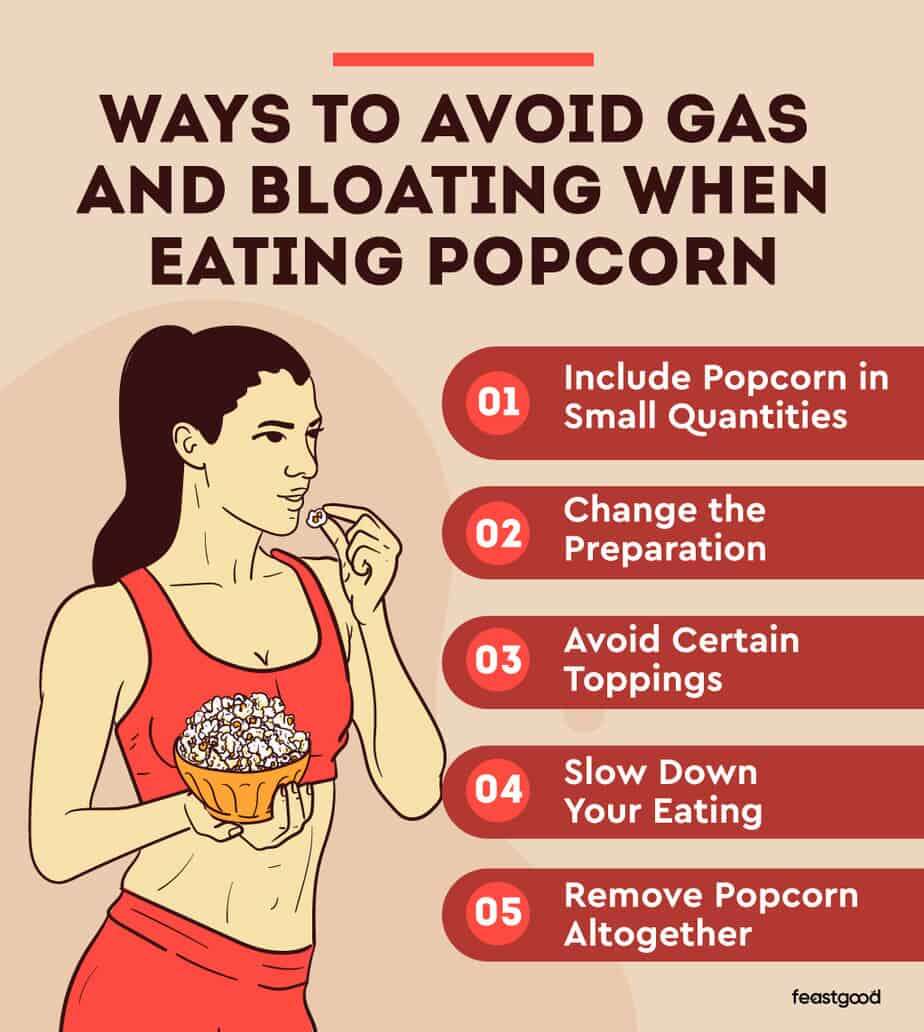
You may not need to stop eating popcorn. A few small changes can make a noticeable difference.
-
Start with a modest serving, such as 2 to 3 cups of popped popcorn.
-
Eat slowly and chew the hulls well.
-
Choose air-popped or lightly oil-popped popcorn.
-
Use a small amount of salt and skip heavy coatings.
-
Drink water throughout the day, especially when increasing fiber.
-
Avoid eating a very large bowl late at night.
-
Test plain popcorn before adding butter, cheese, caramel, or spicy seasoning.
-
Do not combine popcorn with several other foods that cause gas for you.
-
Increase fiber gradually if your usual diet is low in whole grains, fruits, vegetables, and beans.
-
Walk gently after eating if you feel full or gassy.
A practical food-journal example can make this clear. Imagine that plain popcorn causes no symptoms, but movie theater popcorn leads to bloating within a few hours. That pattern points more toward the oil, salt, portion, or flavoring than the corn.
The key lesson is to change one variable at a time. If you change the brand, portion, toppings, and meal at once, you may never learn what triggered the discomfort.

Is popcorn healthy?
Plain popcorn can be a healthy snack. It is a whole grain and can provide fiber while adding fewer calories per cup than many chips or candy snacks.
Its health value depends on how you prepare it. Air-popped popcorn with a light topping is very different from caramel corn or a large theater serving loaded with oil.
Potential benefits of plain popcorn include:
• Whole-grain carbohydrates for energy
• Dietary fiber that supports bowel regularity
• A light texture that can satisfy a craving for something crunchy
• Fewer added ingredients when prepared at home
Popcorn is not a complete meal. It has little protein and may not keep you full for long when eaten alone. Pairing a small serving with a protein-rich food can create a more balanced snack.
Good options may include plain yogurt if you tolerate dairy, a boiled egg, nuts, or a small amount of peanut butter. Choose the pairing based on your own tolerance.
When bloating after popcorn may signal another problem
Occasional bloating is common. Repeated or severe symptoms deserve more attention.
Consider speaking with a health professional if you often have bloating along with:
• Unexplained weight loss
• Blood in the stool
• Persistent vomiting
• Fever
• Severe or worsening abdominal pain
• Ongoing diarrhea or constipation
• Trouble swallowing
• A major change in bowel habits
These symptoms can have many causes, including IBS, lactose intolerance, celiac disease, constipation, or other digestive conditions. Popcorn may simply reveal a problem that was already present.
Do not remove many foods from your diet without guidance. Broad food restriction can reduce fiber, vitamins, and enjoyment while failing to identify the actual trigger.

How long does popcorn bloating last?
Mild bloating from popcorn may improve within a few hours as digestion continues. The timing depends on your portion, the toppings, your bowel habits, and your personal sensitivity.
Gentle movement, water, and avoiding another large meal may help. Do not force yourself to eat more fiber right away if you already feel uncomfortable.
If symptoms last for days, keep returning, or interfere with daily life, seek medical advice. A symptom diary can help your clinician identify patterns.
Remember that bloating is not the same as fat gain. A temporary increase in belly size usually reflects gas, food volume, or fluid rather than body fat.
Frequently Asked Questions About Does Popcorn Make You Bloated
Does popcorn make you bloated more than other snacks?
It can, especially in a large portion or with rich toppings. Plain popcorn is often lighter than fried snacks, but its fiber and volume may cause more gas for some people.
Is air-popped popcorn less likely to cause bloating?
Air-popped popcorn may be easier to tolerate because it contains little added oil. However, a very large serving can still cause fullness or gas due to its fiber and volume.
Can popcorn cause gas but not bloating?
Yes. Gas may pass without a strong feeling of abdominal swelling. Other people may feel pressure and bloating even when they do not burp or pass much gas.
Should I avoid popcorn if I have IBS?
Not always. Many people with IBS tolerate a small serving of plain popcorn, but toppings, portion size, and personal triggers matter.