What Is A Good Vacuum Cleaner For Pet Hair: Best Picks
A good vacuum cleaner for pet hair has strong suction, a tangle-free brush, and easy filters.
Finding what is a good vacuum cleaner for pet hair depends on your floors, pets, home size, and cleaning habits. The best model is not always the one with the highest advertised power. It should lift loose fur from carpets, collect dander from hard floors, clean furniture, and keep hair from wrapping around the brush. This guide explains the key features, vacuum types, common mistakes, and practical buying tips so you can choose with confidence.
What Makes a Vacuum Cleaner Good for Pet Hair?
A vacuum designed for pet hair must do more than remove ordinary dust. Pet fur can work deep into carpet fibers, cling to upholstery, and collect along baseboards. Fine dander may also pass through weak filters and return to the room through the exhaust air.
The best vacuum cleaner for pet hair usually combines strong airflow, a well-designed brush roll, sealed construction, and useful attachments. These features work together like a team. Strong suction lifts the fur, the brush roll pulls it from fabric, and the filter traps the fine particles.
Look for these important features:
• Strong suction and airflow: Airflow helps move fur from the floor into the dust bin. Suction alone does not tell the whole story.
• A tangle-resistant brush roll: This reduces hair wrapping and saves time during maintenance.
• A sealed filtration system: A sealed vacuum helps keep dust and pet dander inside the machine.
• A washable or replaceable filter: Clean filters help the vacuum maintain airflow.
• A motorized pet tool: This tool is useful for stairs, sofas, beds, and car seats.
• A large dust bin or bag: Homes with several pets may need more capacity.
• Adjustable cleaning height: This helps the vacuum move smoothly across rugs, thick carpet, and hard floors.
A vacuum with every feature may cost more, but the right features can make daily cleaning much easier. A cheaper model may look attractive at first but become frustrating if the brush clogs or the filter blocks after a few uses.

Which Type of Vacuum Is Best for Pet Hair?
There is no single best vacuum style for every home. Upright, canister, stick, robot, and handheld vacuums each solve a different problem. Your choice should match the amount of fur, the floor type, and how often you clean.
Upright vacuums
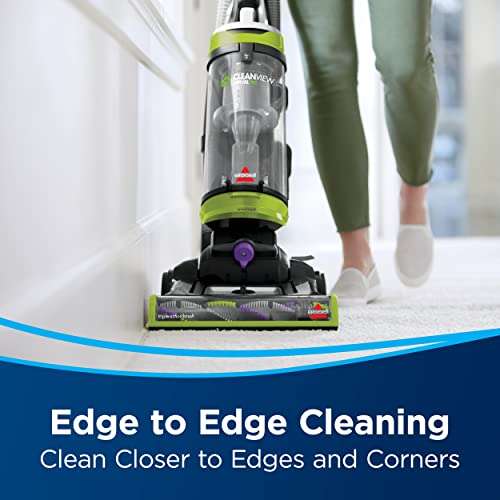
Upright vacuums are often a strong choice for homes with wall-to-wall carpet. They usually provide powerful cleaning, wide floor heads, and large dust bins. Many also include height settings and motorized pet attachments.
An upright vacuum cleaner for pet hair is ideal when you need deep carpet cleaning. Its limits are weight and noise. It may be harder to carry up stairs or use in a small apartment.
Canister vacuums
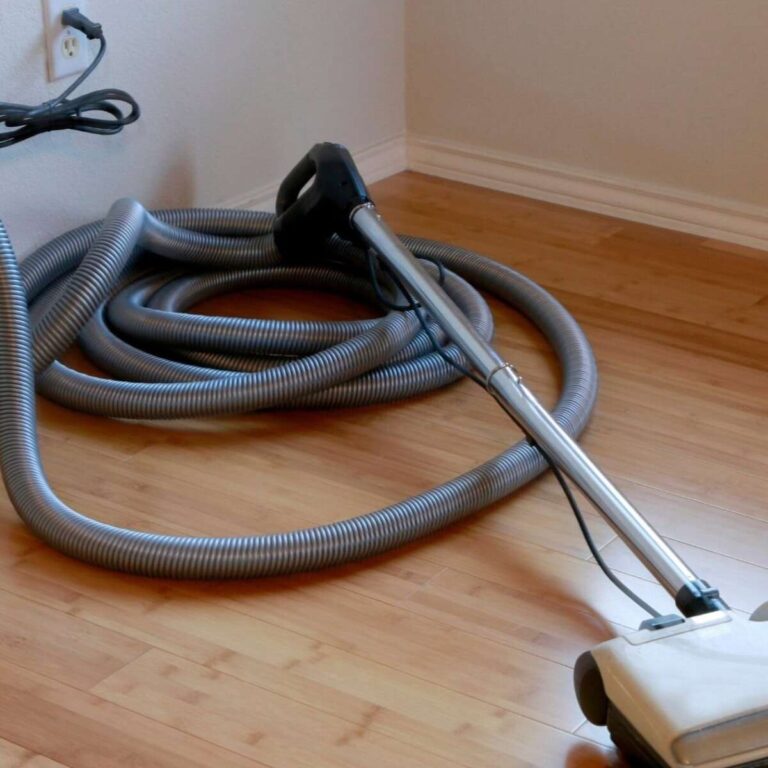
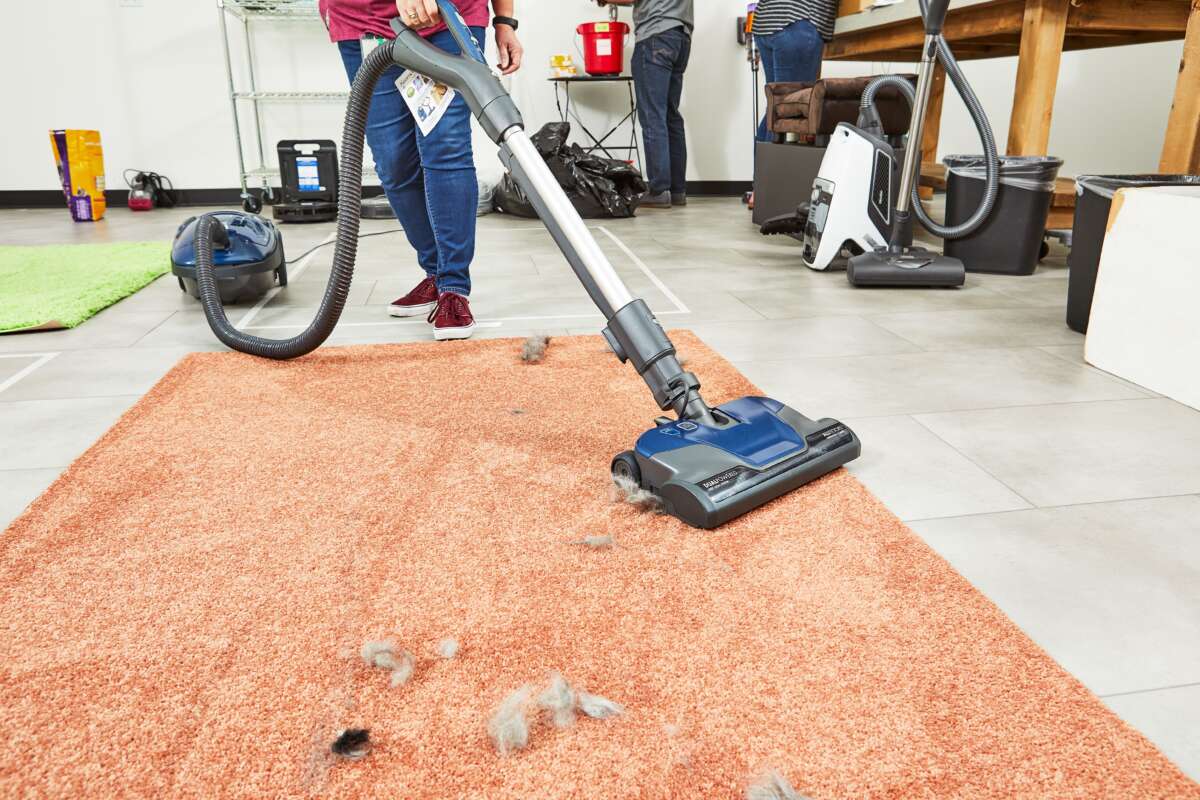
Canister vacuums have a separate body connected to a hose and floor head. They are easy to guide across hard floors, stairs, and furniture. Their flexible hose can also reach under beds and low cabinets.
A canister vacuum cleaner for pet hair can be a smart choice for homes with mixed flooring. The main drawback is storage. You must move both the canister and the hose while cleaning.
Cordless stick vacuums
Cordless stick vacuums are light, quick, and convenient for daily fur pickup. They work well for small homes, apartments, and quick cleanups after a pet sheds. Many premium models now include a motorized brush and handheld mode.
Battery life is the main limitation. Thick carpet, turbo settings, and repeated use can drain the battery quickly. A cordless vacuum cleaner for pet hair is best when convenience matters more than long deep-cleaning sessions.
Robot vacuums
Robot vacuums can collect fur every day with little effort. They are helpful for pet owners who find hair on the floor soon after cleaning. Models with mapping, obstacle detection, and self-emptying docks offer extra convenience.
However, robot vacuums may struggle with thick rugs, stairs, cords, and large clumps of fur. They also need regular brush and sensor care. Think of a robot vacuum as a daily maintenance tool, not always a complete replacement for a full-size vacuum.
Handheld vacuums
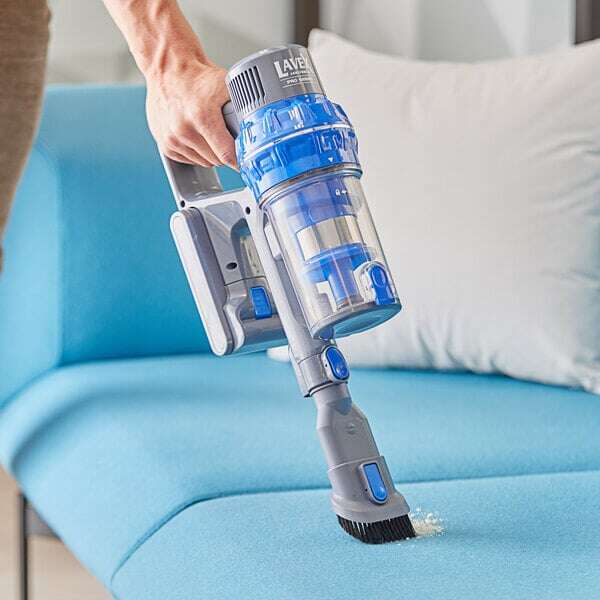
Handheld vacuums are useful for sofas, pet beds, stairs, and car interiors. They are easy to grab when your dog jumps on the couch or your cat leaves fur on a chair.
A handheld vacuum cleaner for pet hair usually cannot replace a full-size vacuum. Its small bin and shorter battery life make it better for spot cleaning.
:max_bytes(150000):strip_icc()/spr-shark-dyson-mar-25-test-ball-animal-3-extra-upright-vacuum-jkim-0411-2c4fac9db9214f61b44a9b56d8484762.jpeg)
Key Features to Check Before Buying
Shopping for a pet hair vacuum can feel confusing because brands use different terms for similar features. Focus on how the machine performs, not only on marketing claims.
Brush roll design
A standard brush roll may pick up fur well but become wrapped in long hair. Look for a brush labeled tangle-free, anti-hair-wrap, or self-cleaning. These designs vary, so read independent reviews and check how easy the roll is to remove.
Some brush rolls use rubber fins instead of dense bristles. Rubber surfaces can work well on hard floors and upholstery because they attract hair without pushing it around.
Suction and airflow
Manufacturers may advertise watts, amps, or air watts. These numbers can help, but they do not tell you everything. A vacuum with excellent airflow, a sealed body, and a well-shaped floor head may clean better than a machine with a larger motor rating.
For carpet, you need enough agitation to loosen embedded hair. For hard floors, you need a floor head that creates a close seal without scattering debris.
Filtration
Pet homes contain fur, skin flakes, dust, and outdoor particles. A high-efficiency filter can capture very small particles, but the whole vacuum must be sealed for that filter to work well.
If someone in your home has allergies or asthma, consider a sealed system with a high-efficiency filter. No household vacuum removes every allergen, and regular washing of pet bedding and rugs still matters.
Dust bin or bag capacity
A small dust bin fills quickly in a home with a shedding dog. When the bin becomes full, airflow may drop and cleaning performance can suffer.
Bagged vacuums often hold more debris and reduce contact with dust during disposal. Bagless models save the cost of replacement bags but may release a small cloud of dust when emptied.
Attachments
Useful pet tools include:
• A motorized upholstery tool for sofas and chairs
• A crevice tool for corners and baseboards
• A soft dusting brush for shelves and delicate surfaces
• A flexible hose for stairs and awkward spaces
• A hard-floor head for tile, wood, laminate, or vinyl
A long list of attachments is not automatically better. Choose tools you will actually use and store them where they are easy to reach.

Best Vacuum Features for Different Floors
The best vacuum cleaner for pet hair must match your flooring. A tool that works well on thick carpet may be too aggressive for delicate wood or loose rugs.
Carpet
Carpet traps fur between its fibers. Choose a vacuum with a motorized brush, adjustable height, and strong airflow. A height setting prevents the cleaner from becoming difficult to push across dense carpet.
For deep carpet, move slowly. One slow pass can remove more hair than several rushed passes because the brush has more time to loosen embedded fur.
Hardwood and laminate
Hard floors need a vacuum head that does not scatter debris or scratch the surface. A soft roller or a brush roll that can be switched off is helpful.
Avoid dragging large stones or grit across finished wood. Use the proper floor setting and empty the bin when needed so debris does not fall back onto the floor.
Tile and vinyl
Tile floors often collect fur in grout lines and along edges. A crevice tool can help with these areas. Vinyl floors need gentle cleaning, especially if the surface has a soft finish.
A canister or stick vacuum with a hard-floor mode often works well for these surfaces.
Area rugs
Loose rugs can move or lift when a vacuum creates too much suction. Use the correct height setting and reduce suction if the cleaner pulls at the rug.
Vacuum both sides of washable rugs when possible. Fur often works through the surface and collects underneath.
:strip_icc()/pet-hair-vacuums-test-kenmore-friendly-pop-n-go-canister-target-rmarek-407-21feaa90b6104c4b8e6f7256563c675a.jpg)
How to Choose a Vacuum Based on Your Pet
Different pets create different cleaning challenges. A short-haired dog may leave small, sharp hairs that stick into fabric. A long-haired cat may create soft clumps that collect under furniture.
Consider these points:
• Shedding level: Heavy shedders need a larger bin, durable brush roll, and frequent cleaning.
• Hair length: Long hair increases the risk of brush wrapping and clogged hoses.
• Pet size: Larger pets often produce more fur and tracked dirt.
• Pet habits: Outdoor pets may bring in sand, mud, leaves, and pollen.
• Furniture access: If your pet sleeps on sofas or beds, prioritize a strong upholstery tool.
• Allergy concerns: Choose sealed filtration and maintain filters on schedule.
For example, a long-haired dog in a carpeted home may need an upright vacuum with a tangle-resistant brush. A short-haired cat in a small apartment may do better with a cordless stick vacuum and a compact handheld tool.

Bagged vs. Bagless Vacuums for Pet Hair
Both designs can clean pet hair well. The better choice depends on maintenance and comfort.
Bagless vacuums let you see how much debris you collect. They do not require ongoing bag purchases, but emptying the bin can expose you to dust and dander. You must also wash or replace filters as the manufacturer recommends.
Bagged vacuums contain debris inside a sealed bag. This can be helpful for allergy-sensitive households because disposal is cleaner. Bags add a recurring cost, and you need to keep replacements available.
If your pet sheds heavily, check how the vacuum behaves as the bin or bag fills. Some models lose airflow quickly, while others maintain performance better.

Corded vs. Cordless Pet Hair Vacuums
Corded vacuums provide continuous power. They are often better for large homes, thick carpet, and long cleaning sessions. You do not need to stop and recharge the battery.
Cordless vacuums offer freedom and speed. They are excellent for small daily messes, stairs, and rooms where outlets are inconvenient. Their performance may drop in lower power modes, and replacement batteries can be expensive.
A practical setup for some homes is a cordless vacuum for daily fur and a corded upright or canister vacuum for weekly deep cleaning. This approach costs more, but it can reduce the effort of keeping up with shedding.

Common Mistakes Pet Owners Make
Even the best vacuum cleaner for pet hair cannot perform well when it is poorly maintained. Many cleaning problems come from simple mistakes rather than a weak machine.
Waiting until the floor looks dirty
Fur builds up under furniture and along edges before it becomes obvious. Frequent light cleaning is often easier than one exhausting weekly session.
Ignoring the brush roll
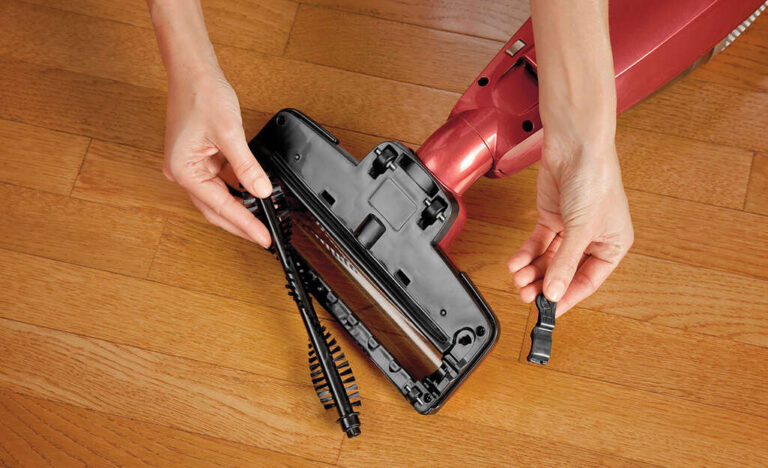
Long hair can wrap around the brush and slow it down. Check the roll every few uses and cut away trapped hair with scissors or the supplied cleaning tool.
Overfilling the bin
A full bin can reduce airflow and make the vacuum smell. Empty it before the debris reaches the maximum line.
Washing filters incorrectly
Some filters are washable, while others must stay dry. Follow the care instructions and let washable filters dry fully before reinstalling them. A damp filter can damage the vacuum and create an unpleasant odor.
Using the wrong attachment
A hard-floor head may not remove deep fur from carpet. A stiff carpet brush may also scatter debris on smooth flooring. Use the attachment designed for each surface.
Expecting one pass to remove everything
Pet hair can be stubborn. Vacuum in two directions on carpet, then use a crevice tool around edges. For upholstery, move slowly and make overlapping passes.
In my experience, the biggest improvement often comes from changing the routine, not buying a more expensive machine. A quick daily pass in high-shed areas can prevent fur from becoming deeply packed into rugs.

A Simple Pet Hair Cleaning Routine
A consistent routine keeps fur under control and reduces stress.
-
Brush your pet regularly. Outdoor brushing can remove loose fur before it reaches the floor.
-
Shake or wash pet bedding as directed by the care label.
-
Vacuum high-traffic areas several times each week.
-
Clean sofas, stairs, and pet beds with a motorized upholstery tool.
-
Use a crevice tool along baseboards and under furniture.
-
Empty the dust bin before it becomes full.
-
Check the brush roll and hose for clogs.
-
Wash or replace filters according to the manufacturer’s schedule.
For a home with multiple shedding pets, divide the house into zones. Clean the entryway and favorite sleeping areas more often than rooms your pets rarely use.

How Much Should You Spend?
A low-cost vacuum may work well for light shedding and small spaces. Mid-range models often offer better brush design, filtration, and durability. Premium vacuums may provide stronger construction, advanced tools, longer warranties, or self-emptying features.
Price does not guarantee performance. Independent tests are useful because they measure fur pickup, edge cleaning, noise, filtration, and ease of use. Also consider the cost of bags, filters, batteries, and repairs.
Before buying, ask:
• Will it clean my main floor type?
• Can I lift and store it comfortably?
• Is the brush roll easy to maintain?
• Are replacement parts easy to find?
• Does the warranty cover the battery and motor?
• Will the dust bin hold enough fur for my home?
A vacuum that fits your routine is usually a better investment than a powerful machine you dislike using.
Frequently Asked Questions About What Is a Good Vacuum Cleaner for Pet Hair
What is a good vacuum cleaner for pet hair and carpet?
A strong upright vacuum with a motorized, tangle-resistant brush roll is often best for carpet. Look for adjustable height, strong airflow, sealed filtration, and a pet upholstery tool.
Is a cordless vacuum good for dog hair?
Yes, a cordless vacuum can be very good for daily dog hair, especially in apartments and small homes. Check its battery life, charging time, brush design, and performance on your carpet type.
Do HEPA filters help with pet hair?
HEPA filters mainly capture fine particles such as dander and dust, not large strands of fur. They are most useful when combined with a sealed vacuum system and regular filter care.
Are bagged vacuums better for pet allergies?
Bagged vacuums can make disposal cleaner because debris stays inside the bag. A sealed bagless vacuum can also work well, but emptying its bin may release more dust.
How often should I vacuum pet hair?
Vacuum high-shed areas two to four times per week, or daily if your pet sheds heavily. Furniture, pet beds, and stairs may need extra cleaning between floor sessions.
Can a robot vacuum replace a pet hair vacuum?
A robot vacuum can reduce daily fur, but it may not replace a full-size vacuum for stairs, upholstery, thick carpet, or deep cleaning. It works best as part of a complete cleaning routine.
Conclusion
The best vacuum cleaner for pet hair has the right mix of suction, brush design, filtration, capacity, and useful tools. Choose an upright for deep carpet cleaning, a cordless stick for quick daily work, a canister for mixed floors, or a robot for automatic maintenance.
Think about your pet’s shedding level, your flooring, your home size, and your comfort with maintenance. A well-matched vacuum can turn pet hair from a daily battle into a manageable chore. Compare models by real cleaning features and long-term costs, then choose the one you will use often.

Liora Pennings is a seasoned chef and kitchen enthusiast with a passion for turning everyday cooking into an effortless experience. With years of hands-on culinary expertise, she specializes in practical techniques, ingredient know-how, and smart kitchen solutions that help home cooks elevate their meals. At KitchFlair.com, Liora shares her best tips, time-saving tricks, and honest product reviews to guide readers toward a more efficient, enjoyable, and inspired cooking routine. Whether you’re a beginner or a seasoned home chef, Liora’s friendly, knowledge-packed insights make every visit to the kitchen a little easier—and a lot more delicious.