How Much Is A Vacuum Cleaner: 2026 Price Guide
A vacuum cleaner usually costs $50 to $800, while premium robot and cordless models can exceed $1,500.
Knowing how much is a vacuum cleaner helps you set a sensible budget before you shop. Prices vary by type, suction power, battery life, filtration, included tools, brand, and repair support. This guide breaks down real-world price ranges, explains what you get at each level, and shares practical buying tips so you can choose value instead of simply choosing the most expensive machine.
Average Vacuum Cleaner Prices in the United States
For most homes, how much is a vacuum cleaner depends on the style and features you need. A basic upright or stick vacuum may cost less than $100, while a strong cordless, canister, or robot vacuum can cost several hundred dollars.
Here is a general price guide:
• Basic handheld vacuum: $20 to $80
• Entry-level stick vacuum: $50 to $150
• Standard upright vacuum: $80 to $300
• Canister vacuum: $100 to $500
• Cordless stick vacuum: $150 to $800
• Robot vacuum: $150 to $1,500 or more
• Central vacuum system: $800 to $3,000 or more, including installation
These are common retail ranges in the U.S. Prices may change during holiday sales, product launches, and clearance events. A model listed at $300 may also drop to $200 during a major sale.
When people ask how much is a vacuum cleaner, they often want the lowest fair price. In my experience comparing vacuum models, the best value is often in the $150 to $350 range. This range usually offers useful tools, better filters, stronger motors, and more durable parts without the high cost of luxury features.

Vacuum Cleaner Cost by Type
The best way to understand how much is a vacuum cleaner is to compare each major type. Each design serves a different home and cleaning routine.
Handheld Vacuums
Handheld vacuums usually cost $20 to $80. They work well for crumbs, stairs, furniture, car seats, and small spills.
Most handheld models have short run times and small dust bins. They are useful as a second vacuum, but they may not replace a full-size machine for carpets or whole-home cleaning.
Stick Vacuums
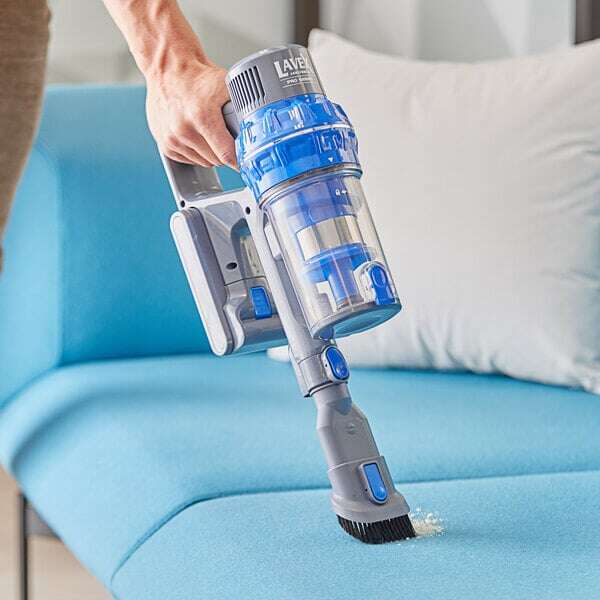
Stick vacuums cost about $50 to $800. Corded models are often cheaper, while cordless models cost more because of their battery and charging system.
A low-cost stick vacuum may suit a small apartment with hard floors. A mid-range or premium model may include:
• A motorized brush head
• Multiple power settings
• A removable battery
• A wall mount
• A washable filter
• Tools for upholstery and crevices
Cordless convenience is a major reason people pay more. You can grab the vacuum quickly without finding an outlet, but the battery may need replacement after several years.
Upright Vacuums
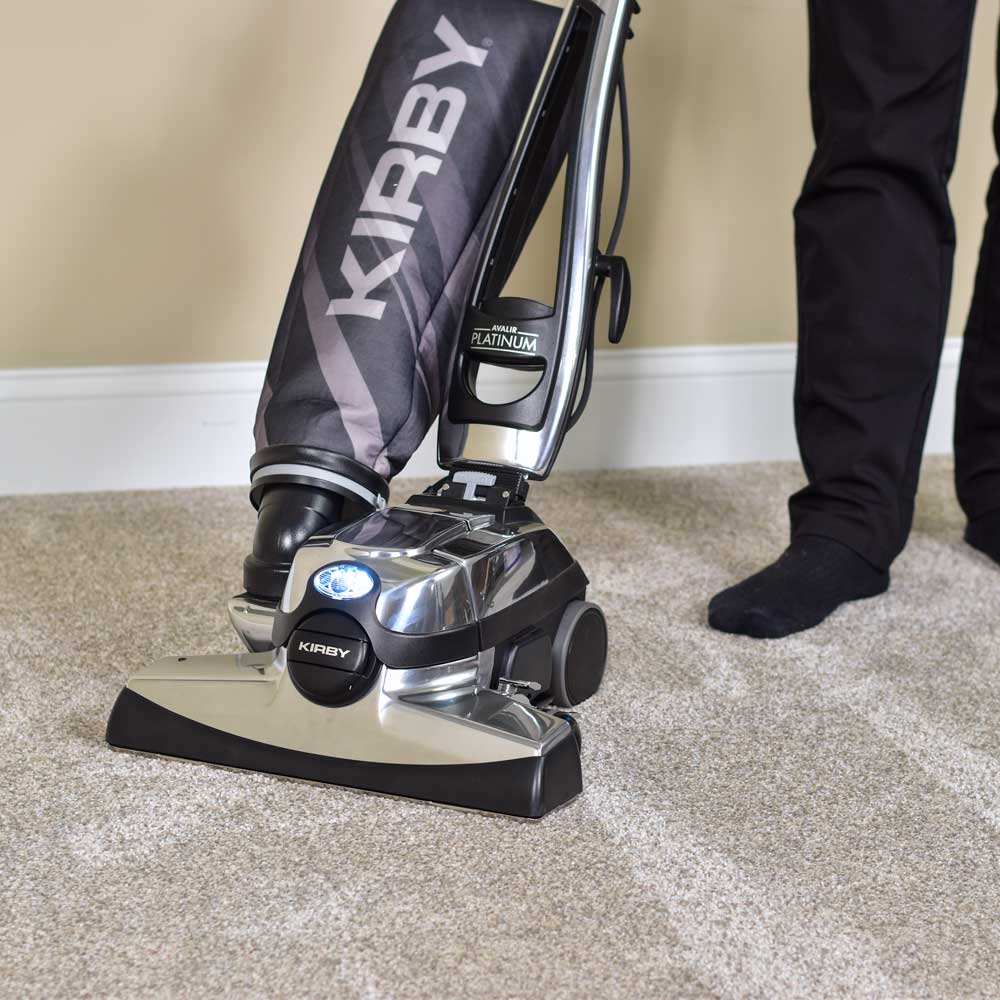
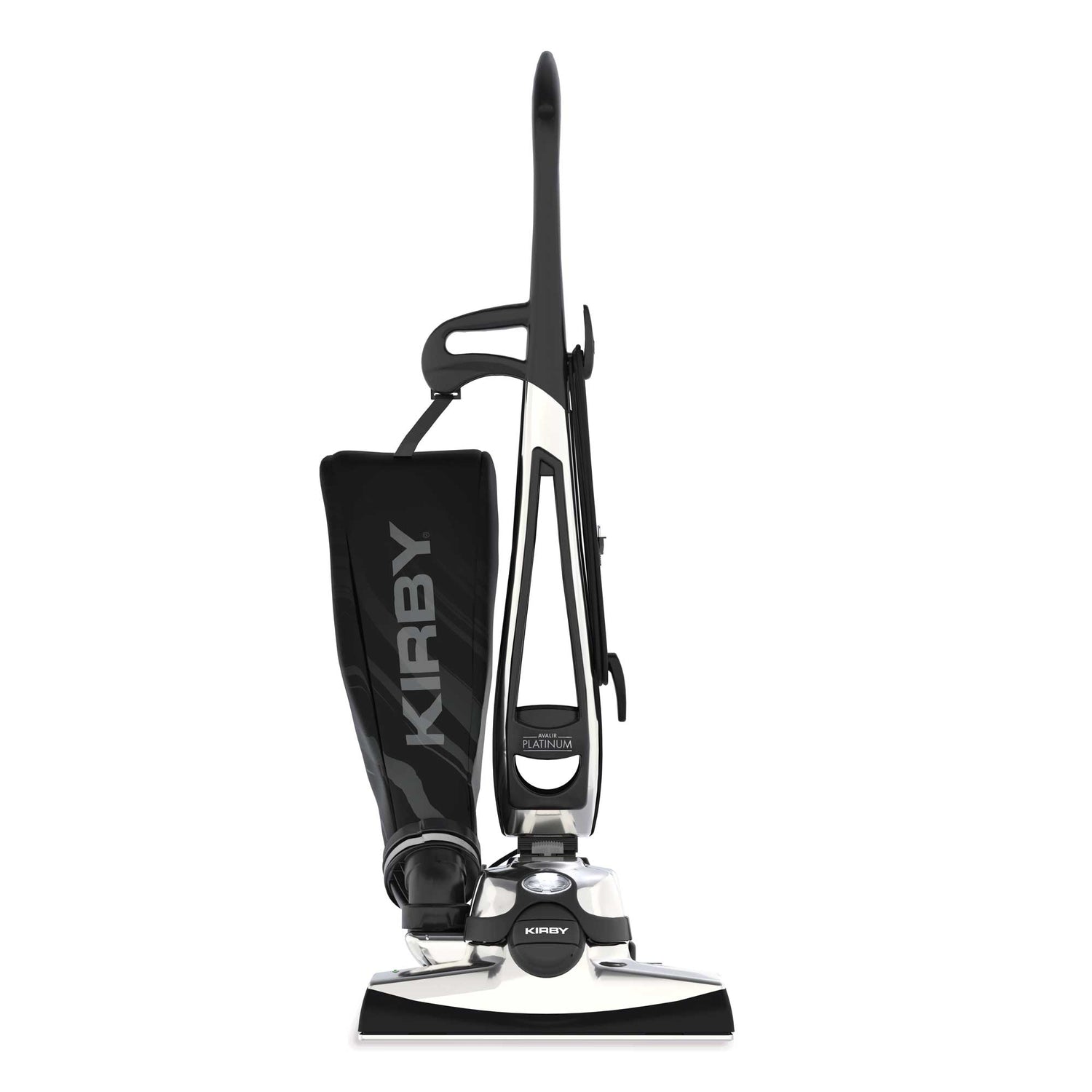
Upright vacuums generally cost $80 to $300. They remain popular because they provide strong carpet cleaning and large dust bins.
Many upright models include height adjustment, rotating brush rolls, hose attachments, and sealed filtration. Some are designed for homes with pets and use tangle-resistant brush rolls.
An upright vacuum can be a smart choice if you have wall-to-wall carpet. It may feel heavy on stairs, though, so check the machine’s weight before buying.
Canister Vacuums
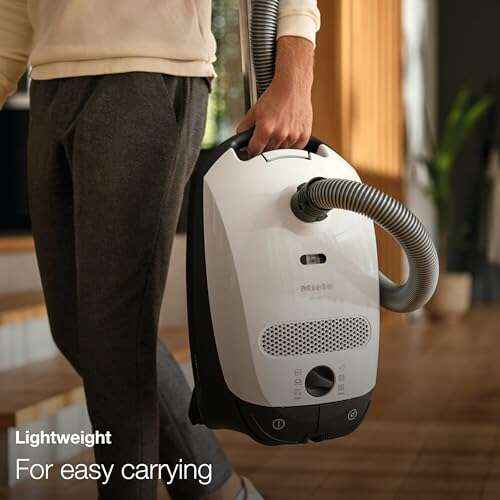
Canister vacuums often cost $100 to $500. They have a separate motor unit connected to a hose and cleaning wand.
This design is easy to move across hard floors, stairs, and furniture. A quality canister vacuum can also be quieter than some upright models. Its main drawback is storage, since the hose and body take up more space.
Cordless Vacuums
Cordless vacuum prices range from $150 to $800. The wide price range reflects differences in battery size, motor strength, filtration, battery life, and included tools.
A $200 cordless vacuum may clean hard floors well but struggle with thick carpet. A premium model may offer an automatic power sensor, a brighter floor head, a larger battery, and better performance on pet hair.
Robot Vacuums
Robot vacuums cost around $150 to $1,500 or more. Basic models may vacuum in random patterns, while advanced versions can map rooms, avoid objects, empty their own bins, and mop floors.
The price of a robot vacuum rises sharply when it includes:
• LiDAR or camera mapping
• Self-emptying docks
• Automatic mop washing
• Heated drying
• Dirt detection
• Multi-floor maps
A robot vacuum can reduce daily cleaning work, but it does not always replace a deep-cleaning upright or canister vacuum. Think of it as a helpful maintenance tool rather than a complete cleaning crew.
Central Vacuum Systems
Central vacuum systems cost about $800 to $3,000 or more. The price depends on the home’s size, installation needs, tubing, wall inlets, and power unit.
These systems can be quiet inside rooms because the motor sits in a garage, basement, or utility area. They are best considered during new construction or major remodeling, since installing the pipes later can be expensive.
What You Get at Different Price Levels
How much is a vacuum cleaner at different price points? The answer becomes clearer when you look at features instead of price alone.
Vacuums Under $100
Vacuums under $100 are usually best for light cleaning. They may work well in dorm rooms, studios, small apartments, and homes with mostly hard floors.
Common limits include:
• Short cords or short battery life
• Small dust bins
• Basic filters
• Less powerful brush rolls
• More plastic parts
A cheap vacuum is not always a bad vacuum. It can be a good buy when you need a simple machine for crumbs and light dust.
Vacuums From $100 to $300
This is often the strongest value range for many households. You can find reliable upright, canister, and entry-level cordless models here.
At this price, look for a sealed system, washable filters, a powered brush roll, and a warranty of at least one year. If you have pets, make sure the floor head is designed to collect hair rather than push it around.
Vacuums From $300 to $700
In this range, you may get stronger suction, quieter operation, better filtration, longer battery life, and more accessories.
Premium cordless vacuums often sit here. So do advanced canister models and higher-end robot vacuums. The extra cost may be worthwhile if you clean often, have allergies, or need to manage pet hair every day.
Vacuums Above $700
Vacuums above $700 usually add convenience and specialized performance. Examples include self-emptying robot systems, luxury cordless models, high-end canister vacuums, and central vacuum equipment.
The most expensive option is not automatically the best choice. A $1,000 robot vacuum may still miss corners, cords, or deep carpet. Always match the features to your home rather than buying based on brand status.
What Affects Vacuum Cleaner Prices?
Several features explain why how much is a vacuum cleaner can vary so widely.
Motor and Cleaning Power
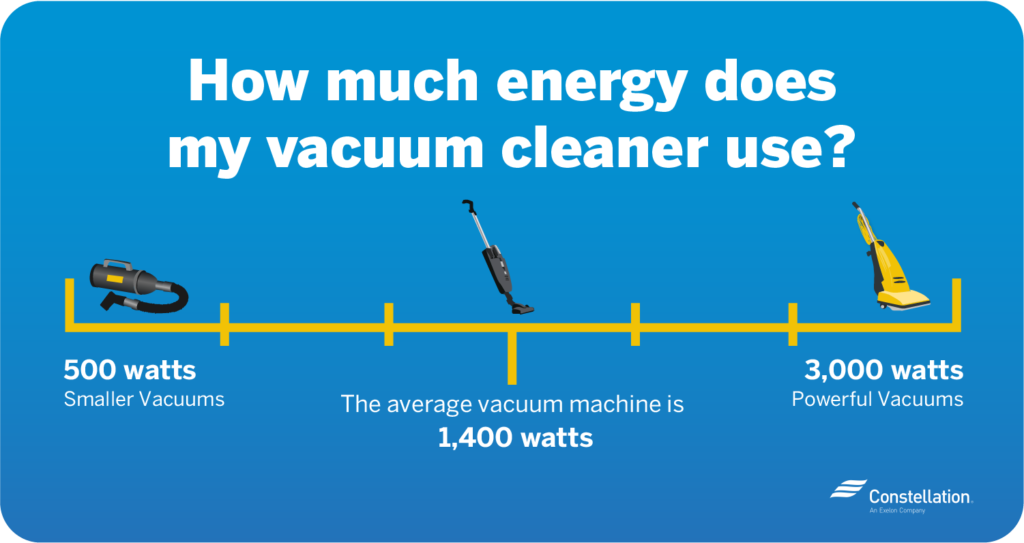
Motor design affects airflow and brush-roll speed. However, a higher wattage number alone does not prove better cleaning.
A vacuum cleans through a combination of airflow, suction, brush action, nozzle design, and seals. Look for independent testing when possible, especially if carpet cleaning matters to you.
Filtration
Basic vacuums may use simple filters that stop larger dust. Better models often use a sealed system and a high-efficiency filter.
A HEPA filter can capture very small particles under controlled test conditions. The full vacuum must also be sealed well. A HEPA label means less if dusty air leaks from gaps around the body.
Battery Life
Battery-powered vacuums cost more because batteries and charging systems add expense. Advertised run time may refer to the lowest power setting without a motorized tool.
Real cleaning time is often shorter. If a vacuum claims 60 minutes, you may get much less time when using maximum power and a powered floor head.
Build Quality
A durable vacuum may use stronger wheels, better hinges, metal wand sections, and replaceable parts. Build quality matters because common failure points include brush rolls, belts, batteries, hoses, and latches.
A cheaper vacuum may cost less today but more over time if it breaks outside the warranty period.
Brand and Warranty
Brand reputation can affect the price. A trusted brand may offer better customer service, parts access, and warranty support.
Check what the warranty covers. Some warranties exclude batteries, filters, belts, or damage caused by blocked airflow.
Smart Features
Robot vacuums become more expensive when they include app control, room mapping, object recognition, and automatic maintenance.
Smart features can save time, but they may also create more parts that need cleaning or repair. Convenience has value, but it should not replace basic cleaning performance.
Extra Costs to Include in Your Budget
When calculating how much is a vacuum cleaner, include the cost of ownership. The purchase price is only the beginning.
You may need to buy:
• Replacement filters: $10 to $50
• Vacuum bags: $5 to $30 per pack
• Belts: $5 to $25
• Brush rolls: $20 to $100
• Replacement batteries: $80 to $250 or more
• Cleaning solution for mop robots: $10 to $30
• Extended warranties: $20 to $150
Bagged vacuums have a continuing bag cost, but bags can reduce dust exposure during disposal. Bagless models avoid bags but need regular filter washing and bin cleaning.
Robot vacuums may also need replacement side brushes, mop pads, wheels, and dust bags for the dock. These costs are easy to overlook when comparing models.
From my own product comparisons, replacement batteries are one of the biggest surprises for cordless vacuum buyers. Before purchasing, search for the battery price and confirm whether users can replace it without sending the unit to a service center.

How to Choose the Right Vacuum for Your Home
The right answer to how much is a vacuum cleaner starts with your floors and daily habits.