How To Use A Vacuum Cleaner: Easy Step-By-Step Guide
Use a vacuum cleaner by preparing the room, choosing the right setting, and cleaning slowly in overlapping passes.
Learning how to use a vacuum cleaner well is about more than pushing it across the floor. The right technique improves suction, protects flooring, removes more dust, and helps your machine last longer. This guide explains each step clearly, from setup and floor care to maintenance and common mistakes.
Understand How a Vacuum Cleaner Works
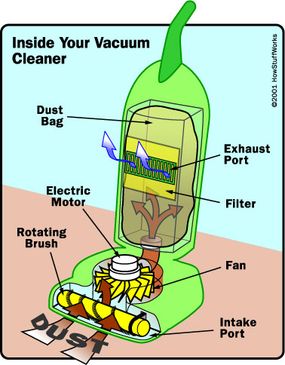
A vacuum cleaner uses suction to pull dirt, dust, hair, and small debris from surfaces. A motor creates airflow, while filters and a dust bag or dust bin collect the material. Some models also use a rotating brush roll to lift dirt from carpets.
Learning how to use a vacuum cleaner starts with knowing its main parts:
• Handle: Lets you guide the machine across the floor.
• Power switch: Turns the motor and brush roll on or off.
• Dust bin or bag: Holds collected dirt.
• Filter: Traps fine particles and protects the motor.
• Brush roll: Loosens dirt from carpet fibers.
• Hose and attachments: Clean stairs, furniture, corners, and narrow spaces.
• Height adjustment: Sets the cleaner to match the floor type.
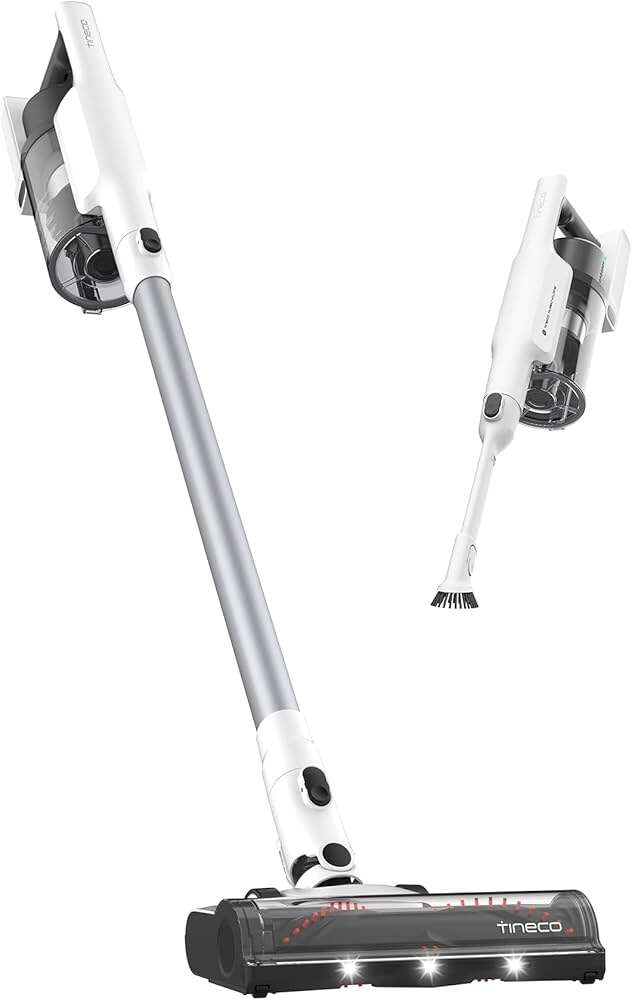
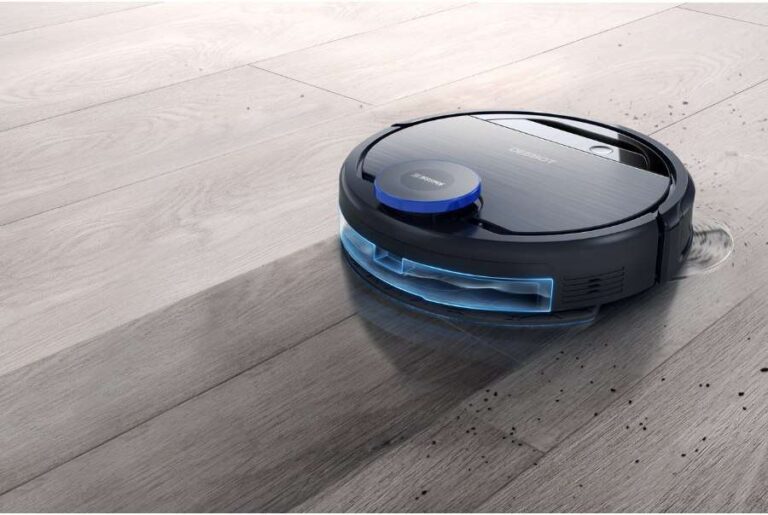
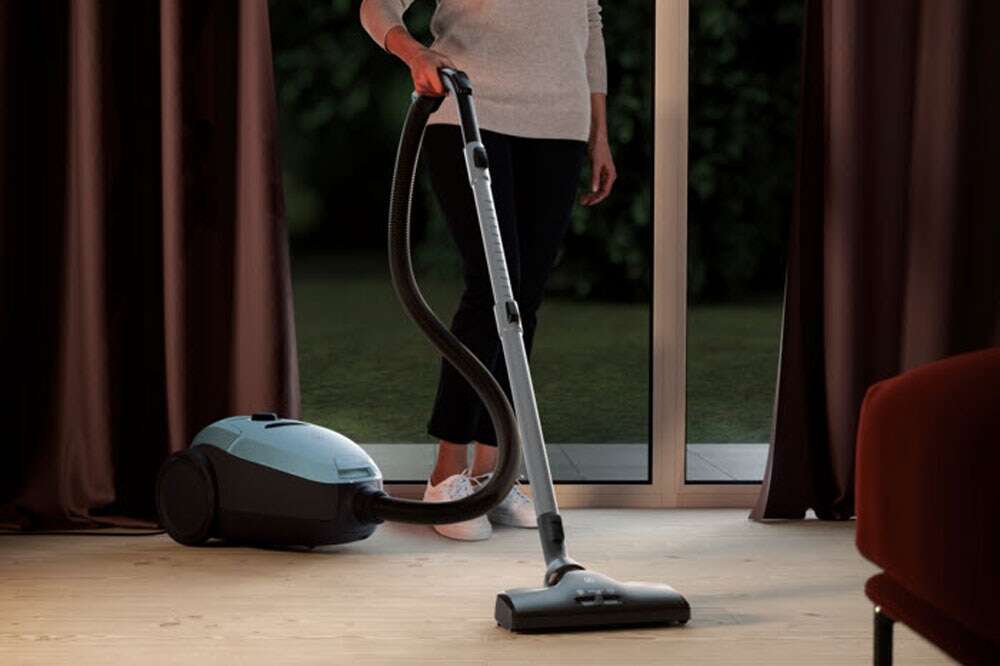
Different machines suit different needs. An upright vacuum works well on large carpeted areas. A canister vacuum offers easy control on hard floors and stairs. A stick vacuum is light and quick for daily messes, while a handheld vacuum works best for small spills and upholstery.
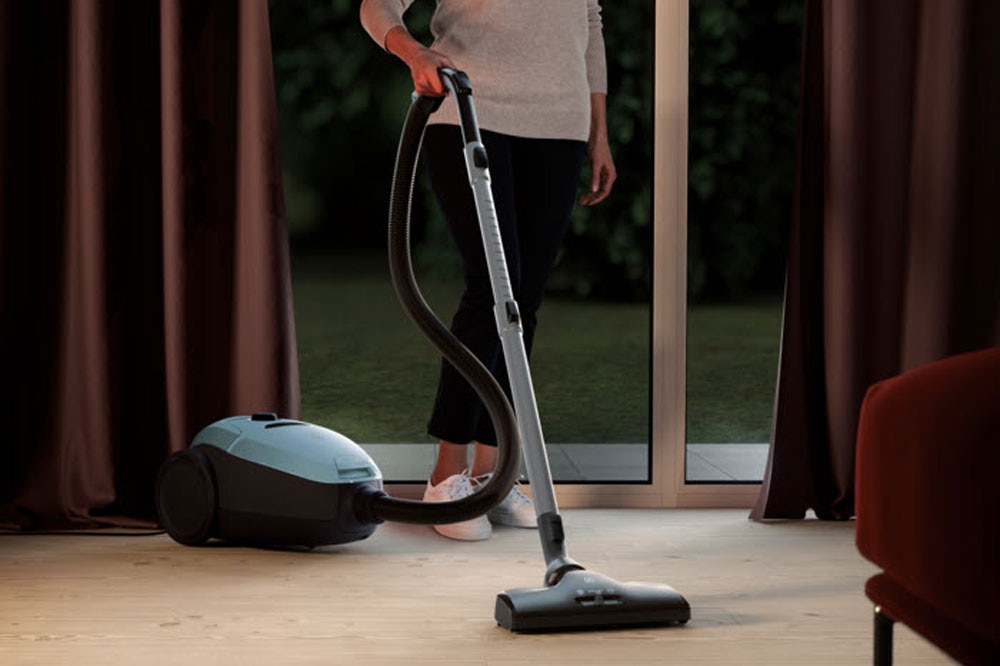
Prepare the Room Before Vacuuming
Good preparation makes vacuuming faster and more effective. Pick up toys, socks, cords, paper, and other objects before turning on the machine. Small items can block the hose, damage the brush roll, or become trapped inside the vacuum.
Move light furniture when possible. You do not need to empty the entire room, but shifting chairs and small tables helps you reach hidden dust. Open curtains and check under beds, sofas, and cabinets, where dirt often gathers.
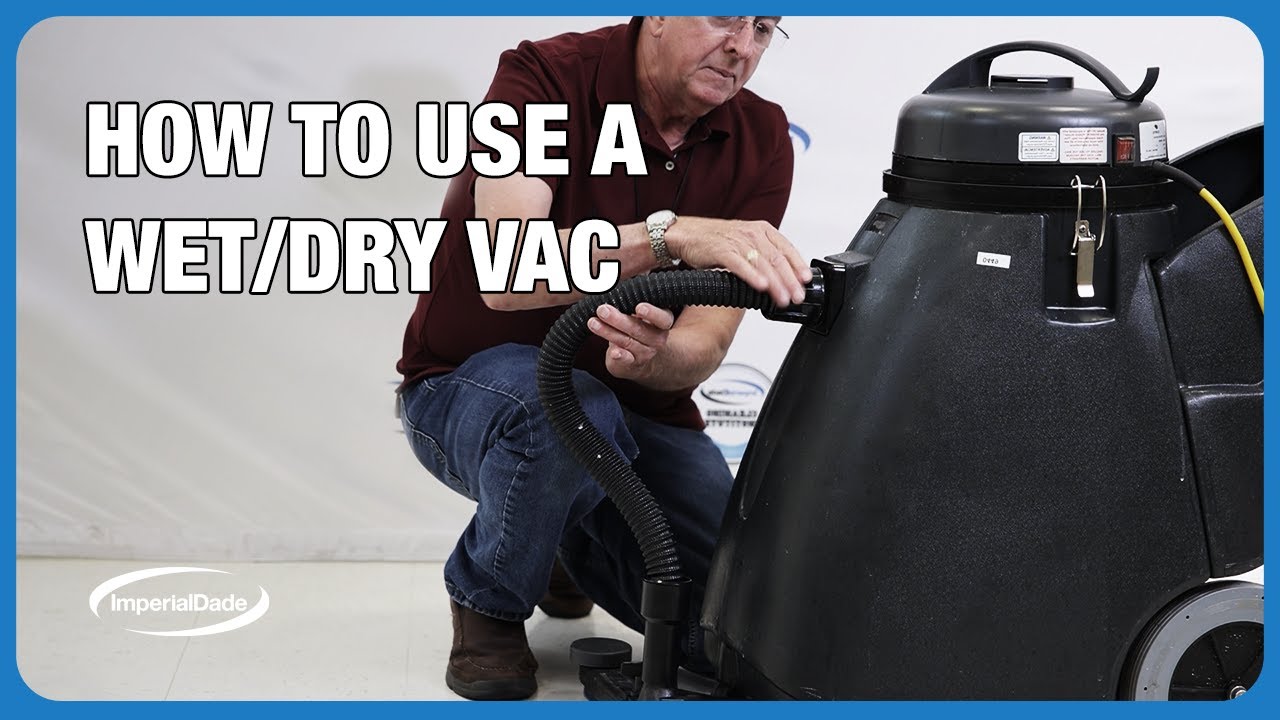
Before you begin, inspect the floor for special hazards. Do not vacuum wet spills with a standard dry vacuum. Water can damage the motor and create an electrical risk. Use a wet-dry vacuum only when the manufacturer says it is safe.
A simple preparation routine includes:
-
Remove large objects from the floor.
-
Check for coins, screws, glass, and other sharp items.
-
Secure loose cords and cables.
-
Close doors to rooms you are not cleaning.
-
Dust high surfaces before vacuuming the floor.
Dusting first matters because loose particles often fall downward. If you vacuum before dusting shelves or ceiling fans, you may need to clean the floor again.

Choose the Correct Vacuum Setting
The correct setting depends on the surface. Most vacuum cleaners have controls for carpet height, suction, brush action, or floor type. Always check the owner’s manual because settings vary by model.
For low-pile carpet, use a lower height when the machine moves easily. For thick carpet, raise the height slightly if the vacuum feels difficult to push. A setting that is too low may strain the motor and slow your work.
For hardwood, tile, laminate, and vinyl, turn off the rotating brush if your vacuum allows it. A spinning brush can scatter debris or scratch delicate flooring. Use a hard-floor mode with gentle suction when available.
Use these general settings:
• Carpet: Keep the brush roll on if the manufacturer recommends it.
• Hardwood: Turn the brush roll off and use a soft floor head.
• Tile: Use a floor head that can reach grout lines.
• Area rugs: Reduce suction if the rug lifts or moves.
• Upholstery: Use a small brush attachment with gentle suction.
• Stairs: Use a hose, wand, or stair tool instead of forcing an upright vacuum onto each step.
If you are unsure, test the setting in a hidden area. Watch for scratching, rug movement, or unusual resistance.
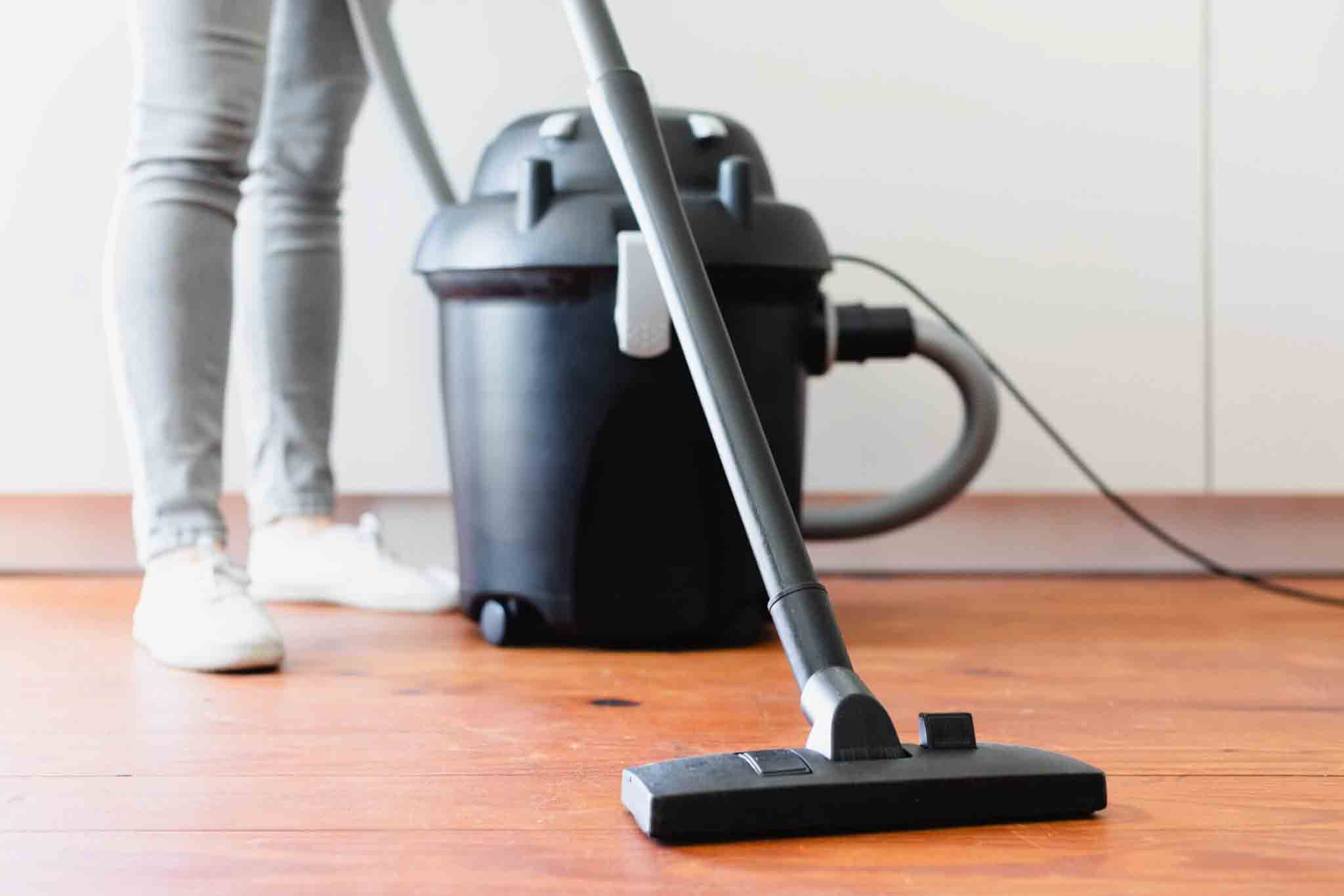
How to Use a Vacuum Cleaner Step by Step
Once the room is ready and the setting is correct, follow a steady process. This method works for most upright, canister, stick, and cordless vacuum cleaners.
1. Plug in or charge the vacuum
For a corded model, connect the plug to a safe outlet. Keep the cord behind you and away from the cleaning head. For a cordless model, check the battery level before you start.
A weak battery may reduce suction or stop the machine halfway through the room. If you have a large home, charge the vacuum fully before cleaning.
2. Start at the farthest point
Begin in the corner farthest from the doorway. Work toward the exit so you do not walk across freshly cleaned areas. This approach also creates a simple path and prevents missed sections.
3. Vacuum in slow, straight passes
Push the vacuum forward slowly, then pull it back over the same path. Overlap each pass by about one-third of the cleaning head. This prevents narrow strips of dirt from staying between passes.
Fast movements often leave debris behind. Think of the vacuum head as a small broom that needs time to lift dirt. Slow, controlled passes usually clean better than repeated quick passes.
4. Change direction
After cleaning the room in one direction, make a second pass at a right angle. Carpet fibers can hold dirt from different angles. Changing direction helps the brush roll reach more of the pile.
For example, vacuum north to south first. Then clean east to west. This method is especially useful in busy areas such as hallways, living rooms, and entryways.
5. Clean edges and corners
Use the edge of the vacuum head along baseboards and walls. Follow with a crevice tool for tight corners. Dust often collects around furniture legs, beneath radiators, and along room edges.
6. Use attachments for furniture
Use an upholstery tool on sofas, chairs, and cushions. For fabric furniture, make short strokes and avoid pressing too hard. Remove cushions when possible and vacuum both sides.
7. Finish with the doorway
Once the main floor is clean, vacuum the area near the doorway. This removes dirt carried in while you moved around the room.
This step-by-step method is the foundation of how to use a vacuum cleaner properly. It works best when paired with regular filter care and the correct floor setting.

How to Vacuum Different Floor Types
Each floor needs a slightly different approach. Using the same setting everywhere can reduce cleaning performance or cause damage.
Carpet
Vacuum carpet slowly in overlapping lines. Use the correct height setting and keep the brush roll moving when appropriate. High-traffic areas may need two or three passes.
Do not force the cleaner into thick carpet. If it becomes hard to push, raise the height or lower the suction. A vacuum that seals too tightly can strain the motor.
Hardwood Floors
Use a soft floor attachment and turn off the brush roll. Move the vacuum in straight lines and pay special attention to gaps between boards. Avoid using a beater bar on delicate wood.
Check for small stones and grit near entrances. These particles can act like sandpaper under shoes and damage the finish.
Tile Floors
Use a hard-floor head or a vacuum attachment designed for tile. Move slowly across grout lines, where fine dirt can settle. A crevice tool can help around toilet bases, cabinets, and corners.
Do not rely on suction alone for sticky spills. Vacuum dry debris first, then clean the stain with a flooring-safe method.
Area Rugs
Secure lightweight rugs before vacuuming. Use lower suction if the rug lifts, wrinkles, or gets pulled into the machine. For fringed rugs, avoid running the brush roll over the edges because threads may wrap around it.
Vacuum both sides when possible. Dirt often falls through the weave and collects beneath the rug.
Stairs
Stairs need extra care because they are narrow and uneven. Use a hose with a stair tool, and keep the vacuum body on a stable step or floor. Never balance a heavy upright machine where it could fall.
Work from the top step downward if the hose length allows. Keep one hand free for balance, and do not stretch beyond a safe position.
How Often Should You Vacuum?
The right schedule depends on traffic, pets, children, allergies, and floor type. There is no single rule for every home.
A practical routine looks like this:
• Low-traffic rooms: Vacuum once a week.
• Living rooms and hallways: Vacuum two or three times a week.
• Homes with pets: Vacuum several times a week or as needed.
• Entryways: Clean frequently because outdoor dirt enters here first.
• Homes with allergy concerns: Vacuum high-use areas often and maintain filters carefully.
• Spills and visible debris: Clean them right away.
Regular vacuuming prevents dirt from sinking deeper into carpet fibers. It also reduces the amount of dust that becomes airborne when people walk across the floor.
Do not wait until the floor looks dirty. Fine dust may be difficult to see, especially on patterned carpet or dark flooring. A consistent schedule is easier than trying to remove a large buildup later.
Clean Furniture, Curtains, and Hard-to-Reach Areas
A vacuum cleaner can clean much more than floors. The right attachment helps remove dust from fabric, vents, shelves, mattresses, and corners.
For upholstery, use a brush or upholstery tool. Vacuum cushions, seams, and areas beneath pillows. These spots can collect crumbs, pet hair, and skin flakes.
For curtains, use low suction and a soft brush. Start at the top and work downward. Test delicate fabric first, since strong suction may pull threads or damage the material.
For mattresses, vacuum both sides when practical. Focus on seams and edges, but do not assume vacuuming replaces washing bedding or following professional allergy advice.
Use a crevice tool for:
• Baseboards
• Window tracks
• Sofa gaps
• Car seats
• Cabinet edges
• Behind appliances
• Radiator covers
A flexible hose or extension wand can improve reach. Avoid forcing the wand into vents or electrical equipment unless the manufacturer specifically permits it.

Empty the Dust Bin and Replace the Bag Safely
A full dust bin or bag reduces airflow. When airflow drops, the vacuum may clean poorly even if the motor is working normally. Many machines have a fill line or indicator, but you should also watch for changes in suction.
Turn off and unplug a corded vacuum before opening it. For a cordless model, switch it off and remove the battery if the manual recommends doing so. Empty the dust bin over a trash can to reduce mess.
If your vacuum uses a disposable bag, replace it when it is full or when suction falls. Do not reuse a bag unless it is designed for reuse. A tightly packed bag can limit airflow and place stress on the motor.
Washable dust bins should be cleaned with the method listed in the manual. Let all parts dry fully before reinstalling them. Moisture inside the vacuum can encourage odors, mold growth, or electrical damage.