How Many Ounces 12-Cup Coffee Maker: Easy Answer
A 12-cup coffee maker usually holds 60 fluid ounces because each coffee cup equals 5 fluid ounces.
The answer sounds simple, but coffee maker “cups” are smaller than standard US drinking cups. In this guide, you’ll learn how many ounces a 12-cup coffee maker really makes, why the carafe may hold less than expected, how much coffee and water to use, and how to measure it correctly.
How many ounces are in a 12-cup coffee maker?
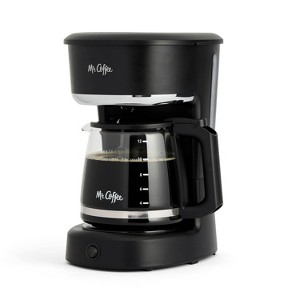
A standard 12-cup coffee maker holds about 60 fluid ounces of water.
The math is simple:
• 1 coffee maker cup = 5 fluid ounces
• 12 coffee maker cups × 5 fluid ounces = 60 fluid ounces
• 60 fluid ounces = 7.5 standard US cups
• 60 fluid ounces = 1.875 quarts
• 60 fluid ounces = about 1.77 liters
So, when someone asks, “How many ounces 12-cup coffee maker?” the standard answer is 60 fluid ounces.
However, this is the rated capacity. The amount of brewed coffee in your cup may be slightly lower. Coffee grounds absorb water, and a small amount stays inside the filter basket, tubing, and carafe.
A 12-cup coffee maker is similar to a 60-ounce pitcher, but it does not work like a pitcher filled with plain water. Brewing removes some water from the final drink, just as a sponge holds part of a glass when you pour water over it.
Why does a coffee maker cup equal 5 ounces?
The word “cup” causes most of the confusion. In cooking, one US cup equals 8 fluid ounces. In the coffee industry, a machine cup often equals 5 fluid ounces.
This smaller measurement comes from older coffee serving standards. Many automatic drip coffee makers use 5-ounce cups to describe their capacity. The number appears on the water tank, carafe markings, product box, and instruction manual.
That means a 12-cup coffee maker does not make twelve full 8-ounce mugs. Instead, it makes twelve small 5-ounce servings.
Here is the difference:
• Coffee maker cup: 5 fluid ounces
• Standard US measuring cup: 8 fluid ounces
• Small coffee serving: about 5 to 6 fluid ounces
• Typical home mug: 10 to 16 fluid ounces
This is why the answer to how many ounces 12-cup coffee maker can feel smaller than expected. A 60-ounce carafe produces about seven and a half standard 8-ounce cups, not twelve.
Some brands use a 4-ounce or 6-ounce cup size. Always check the markings on your specific carafe. The product manual is the most reliable guide when the label does not explain the measurement.

How many actual cups does a 12-cup coffee maker make?
A 12-cup coffee maker makes about 7.5 standard 8-ounce cups of brewed coffee.
The calculation looks like this:
- A 12-cup machine holds 60 fluid ounces.
- A standard US cup contains 8 fluid ounces.
- Divide 60 by 8.
- The result is 7.5 cups.
In real use, the final amount may range from about 55 to 60 fluid ounces. The difference depends on the coffee dose, grind, filter, machine design, and water left in the system.
For example, you may fill the reservoir to the 12-cup line but pour only 55 ounces into the carafe. That result is normal. Coffee grounds can retain nearly twice their weight in water, and some machines keep a small amount in the internal pipes.
A 12-cup coffee maker may serve:
• Twelve 5-ounce cups
• Ten 6-ounce cups
• Seven 8-ounce cups, with some coffee left
• Four to six large travel mugs
Your mug size changes the serving count. A 12-ounce mug gives you about five full mugs, while a 16-ounce travel tumbler gives you about three and a half.

How much water does a 12-cup coffee maker need?
A full 12-cup coffee maker needs about 60 fluid ounces of water, measured to the 12-cup line.
Use the water tank markings rather than filling the carafe to the brim. The markings are designed for that machine’s cup definition, and they account for the shape of the reservoir.
For smaller batches, use this guide:
| Coffee maker setting | Approximate water |
|---|---|
| 4 cups | 20 fluid ounces |
| 6 cups | 30 fluid ounces |
| 8 cups | 40 fluid ounces |
| 10 cups | 50 fluid ounces |
| 12 cups | 60 fluid ounces |
These amounts assume a 5-ounce coffee maker cup. If your machine uses 6-ounce cups, the 12-cup setting may hold 72 fluid ounces instead.
Use filtered water when possible. Water makes up most of the drink, so its taste matters. The Specialty Coffee Association recommends water with balanced mineral content and a brewing temperature near 195°F to 205°F for quality drip coffee. Most automatic brewers aim for this range, though performance varies by model.
Do not use boiling water in the reservoir. The coffee maker heats the water during brewing. Adding hot water can damage some machines and may affect the brew cycle.
How much coffee should you use for 60 ounces of water?
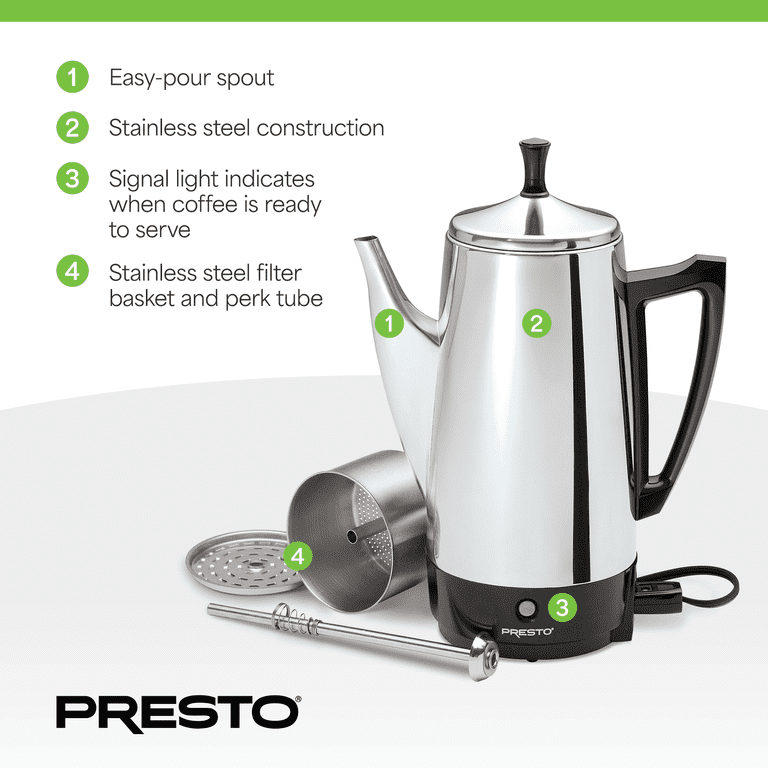
For 60 fluid ounces of water, start with about 10 to 12 level tablespoons of ground coffee.
A common starting ratio is 1 to 2 tablespoons of coffee per 6 fluid ounces of water. For a full 12-cup coffee maker, that equals:
• Mild coffee: 9 to 10 tablespoons
• Medium coffee: 10 to 12 tablespoons
• Strong coffee: 12 to 14 tablespoons
A more precise method uses weight. Start with about 55 to 65 grams of coffee for 60 fluid ounces of water. Adjust the amount based on the roast, grind, and your taste.
Dark roasts often taste strong even when you use the same weight as a light roast. A fine grind can also make coffee taste more intense and bitter. For most automatic drip machines, use a medium grind.
In my own kitchen testing, the most common mistake is adding coffee by sight. A heaping spoon can hold much more than a level spoon. A basic digital scale gives more consistent results and makes it easier to repeat a good batch.
Use a paper filter that matches the basket size. A poor fit can allow grounds into the carafe or cause water to flow too quickly around the coffee bed.

How many ounces does a 12-cup coffee maker yield after brewing?
A full 12-cup coffee maker often yields about 55 to 60 fluid ounces of brewed coffee.
The machine may begin with 60 ounces of water, but not all of it reaches the carafe. Coffee grounds absorb water during brewing. The filter and basket may also hold a small amount.
Several factors affect the final yield:
• Coffee dose: More grounds usually retain more water.
• Grind size: A fine grind can slow flow and change water retention.
• Filter type: Paper and permanent filters behave differently.
• Machine design: Internal tubes and heaters hold some water.
• Brew strength: Strong settings may use a different water pattern.
• Carafe shape: A narrow carafe can make the amount look different.
Do not judge the machine only by the last cup. Place the empty carafe on a kitchen scale, zero the scale, and weigh the brewed coffee. One fluid ounce of water weighs about 29.6 grams, although coffee has a slightly different density.
This simple test helps you learn how many ounces 12-cup coffee maker produces in your home. It also shows whether the reservoir marks match the actual output.
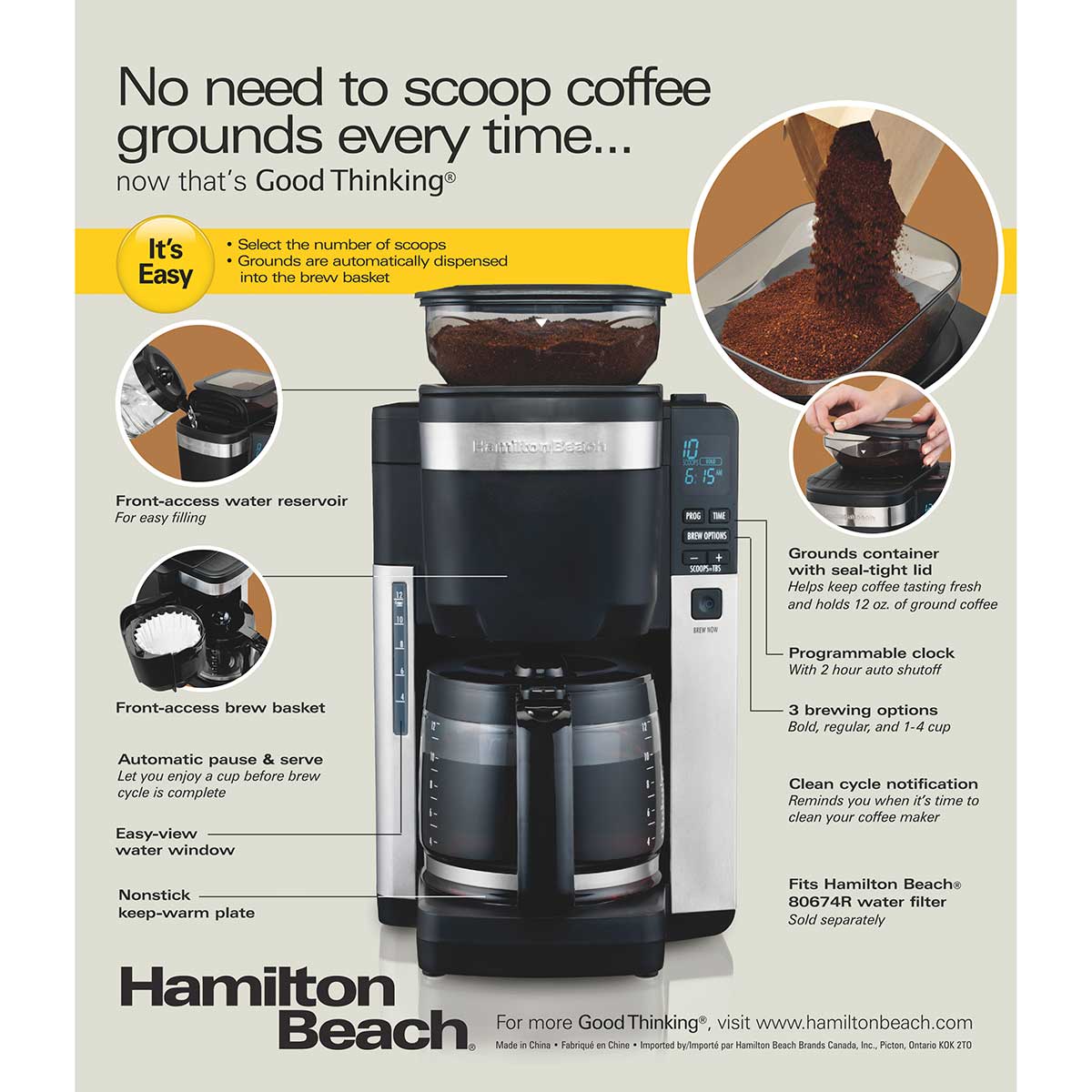
How to measure a 12-cup coffee maker accurately
You can measure your machine in a few minutes.
- Fill the reservoir with water to the 12-cup line.
- Pour the water into a large measuring container.
- Record the number of fluid ounces.
- Brew the water without coffee or a filter.
- Measure the water left in the carafe.
- Compare the starting and final amounts.
Do not use a dry measuring cup for water. Use a liquid measuring jug with fluid-ounce markings. Keep the jug on a level surface and read the mark at eye level.
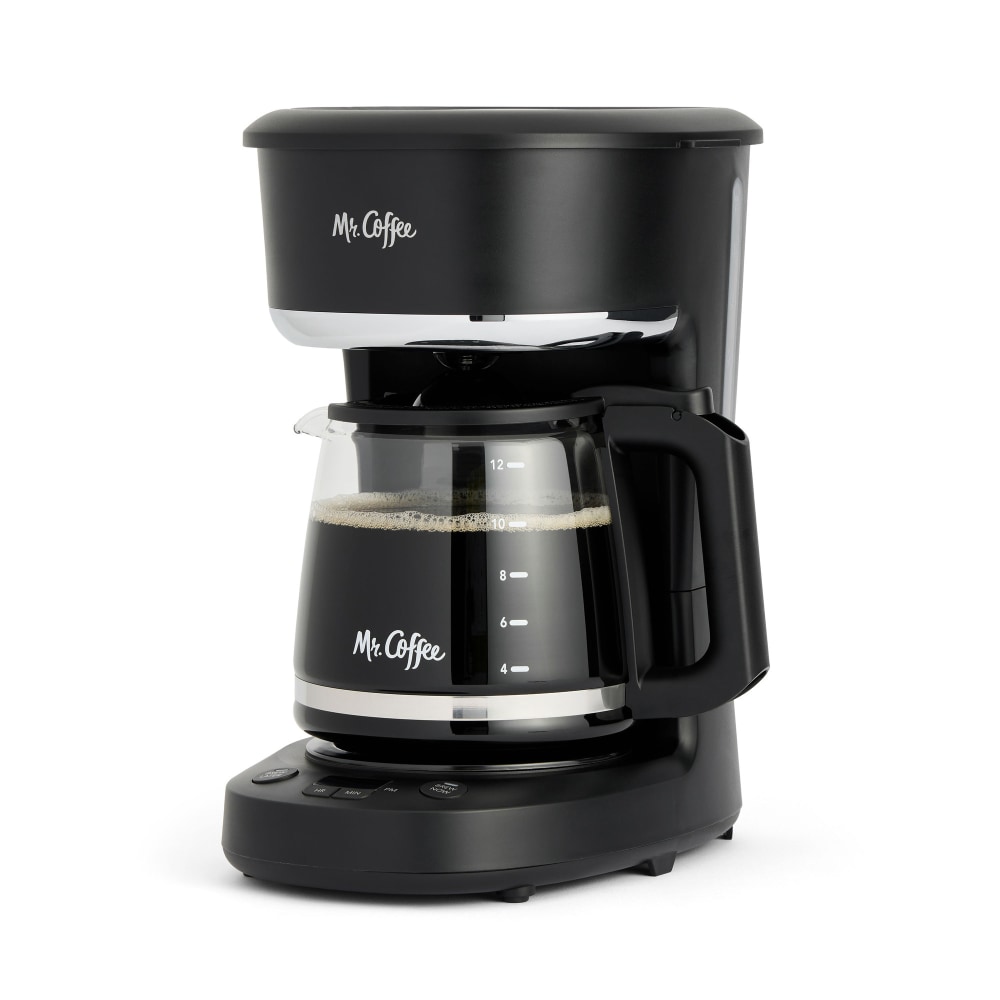
You can also check the carafe itself. Many carafes have a scale that shows 2, 4, 6, 8, 10, and 12 cups. These numbers are machine cups, not standard 8-ounce cups.
If the 12-cup line equals 60 ounces, your machine follows the usual 5-ounce standard. If it equals 72 ounces, the machine likely uses a 6-ounce cup. Some specialty brewers may use a different capacity altogether.
This test is useful when replacing a carafe. A “12-cup” replacement carafe may not fit or hold the same amount if the original machine uses a different cup standard.

12-cup coffee maker ounces compared with common drink sizes
Understanding serving sizes makes the capacity easier to picture.
A 60-ounce brew is roughly equal to:
• Seven 8-ounce cups, with 4 ounces left
• Five 12-ounce cups
• Three 16-ounce travel mugs, with 12 ounces left
• Twelve 5-ounce coffee servings
• About 1.77 liters
A typical American mug is often larger than a coffee maker cup. If you pour one full 12-ounce mug, you use more than two machine cups.
This matters when serving guests. A full 12-cup coffee maker may serve six people if each person drinks one 8-ounce cup. It may serve fewer people if everyone wants a large mug or a refill.
For an office meeting, count servings by ounces rather than by the machine label. For example, ten people drinking 8 ounces each need 80 ounces. One full 12-cup coffee maker will not be enough.
For a family breakfast, one full pot may be plenty. For a brunch or large gathering, brew a second pot or use a larger commercial brewer.
Common mistakes when using a 12-cup coffee maker
Many brewing problems come from measurement errors, not from the machine itself.
• Treating each machine cup as 8 ounces: This causes you to expect 96 ounces from a standard 12-cup model.
• Filling the reservoir above the line: Too much water can overflow the filter basket or weaken the coffee.
• Using too little coffee: The brew may taste thin, even when the water amount is correct.
• Packing the grounds down: Pressing coffee into the basket can slow the flow and create bitter flavors.
• Ignoring the grind size: Very coarse coffee can taste weak, while very fine coffee can taste harsh.
• Trusting every replacement carafe: Capacity labels are not always identical across brands.
• Forgetting water quality: Hard or stale water can affect flavor and leave mineral buildup.
Clean the machine on the schedule recommended in its manual. Mineral scale can slow heating and change the flow rate. A clean brewer gives you a more reliable answer to how many ounces 12-cup coffee maker produces.
Never mix cleaning solutions with coffee or drinking water. Run the required rinse cycles before brewing again.
Does altitude change the amount of coffee in a 12-cup maker?
Altitude usually does not change the labeled capacity of a 12-cup coffee maker. The reservoir still holds the same marked volume.
However, high altitude can affect brewing temperature and extraction. Water boils at a lower temperature as elevation rises, so the machine may not extract coffee in the same way. The result can taste weaker or less balanced.
At high elevations, try a slightly finer grind or a little more coffee. Make small changes rather than changing everything at once.
Water hardness also affects coffee. Hard water can leave scale inside the heating system. Soft or filtered water may improve taste and help maintain the brewer, depending on your local supply.
Frequently Asked Questions
How many ounces are in a 12-cup coffee maker?
A standard 12-cup coffee maker holds 60 fluid ounces. This uses the common coffee maker measurement of 5 ounces per cup.
Does a 12-cup coffee maker make twelve regular cups?
No. It makes twelve 5-ounce coffee servings, which equals about seven and a half standard 8-ounce cups. Large mugs will reduce the total number of servings.
How many tablespoons of coffee do I need for a 12-cup coffee maker?
Start with 10 to 12 level tablespoons for a medium-strength brew. You can use less for mild coffee or more for a stronger cup.
How many liters are in a 12-cup coffee maker?
A standard 12-cup coffee maker holds about 1.77 liters, based on 60 fluid ounces. The actual brewed output may be slightly lower because the grounds absorb water.
Why does my 12-cup coffee maker make less than 60 ounces?
Coffee grounds retain water, and some water remains in the filter basket and internal parts. A full reservoir can therefore produce about 55 to 60 ounces of brewed coffee.
Are all 12-cup coffee makers the same size?
No. Many use 5-ounce cups, but some use 4-ounce or 6-ounce cups. Check the water tank markings and the manufacturer’s manual for the exact capacity.
Conclusion
A standard 12-cup coffee maker holds about 60 fluid ounces of water. That equals twelve 5-ounce coffee maker cups, about seven and a half standard 8-ounce cups, or roughly 1.77 liters.
The final brewed amount may be lower because coffee grounds absorb water. For the best results, check your carafe markings, measure water with a liquid cup, and begin with 10 to 12 tablespoons of ground coffee.
Now that you know how many ounces 12-cup coffee maker capacity represents, measure your own machine and adjust the coffee to match your preferred strength. Share this guide with another coffee drinker or explore more brewing tips for better coffee at home.

Liora Pennings is a seasoned chef and kitchen enthusiast with a passion for turning everyday cooking into an effortless experience. With years of hands-on culinary expertise, she specializes in practical techniques, ingredient know-how, and smart kitchen solutions that help home cooks elevate their meals. At KitchFlair.com, Liora shares her best tips, time-saving tricks, and honest product reviews to guide readers toward a more efficient, enjoyable, and inspired cooking routine. Whether you’re a beginner or a seasoned home chef, Liora’s friendly, knowledge-packed insights make every visit to the kitchen a little easier—and a lot more delicious.