How To Make Coffee In A Pot: Easy Brewing Guide
To make coffee in a pot, simmer water with grounds, steep briefly, then strain it into your cup.
Learning how to make coffee in a pot is useful when you lack a coffee maker, travel, camp, or simply want a simple cup with rich flavor. The method is easy, but small choices such as water temperature, grind size, and steep time can change the result. This guide explains how to make coffee in a pot with clear steps, practical ratios, common fixes, and tips learned from testing this method at home and outdoors.
What Does It Mean to Make Coffee in a Pot?
Making coffee in a pot means brewing ground coffee directly in a saucepan, camping pot, or small kettle. Unlike drip coffee, the grounds sit in hot water for a short time before you separate them from the drink.
This method is close to cowboy coffee. It is also similar to French press coffee because the grounds steep in water. The main difference is that the coffee grounds are not held inside a filter during brewing.
Learning how to make coffee in a pot can give you a strong, full-bodied cup. Some fine grounds may remain at the bottom, but careful pouring or straining can reduce that issue.
What You Need
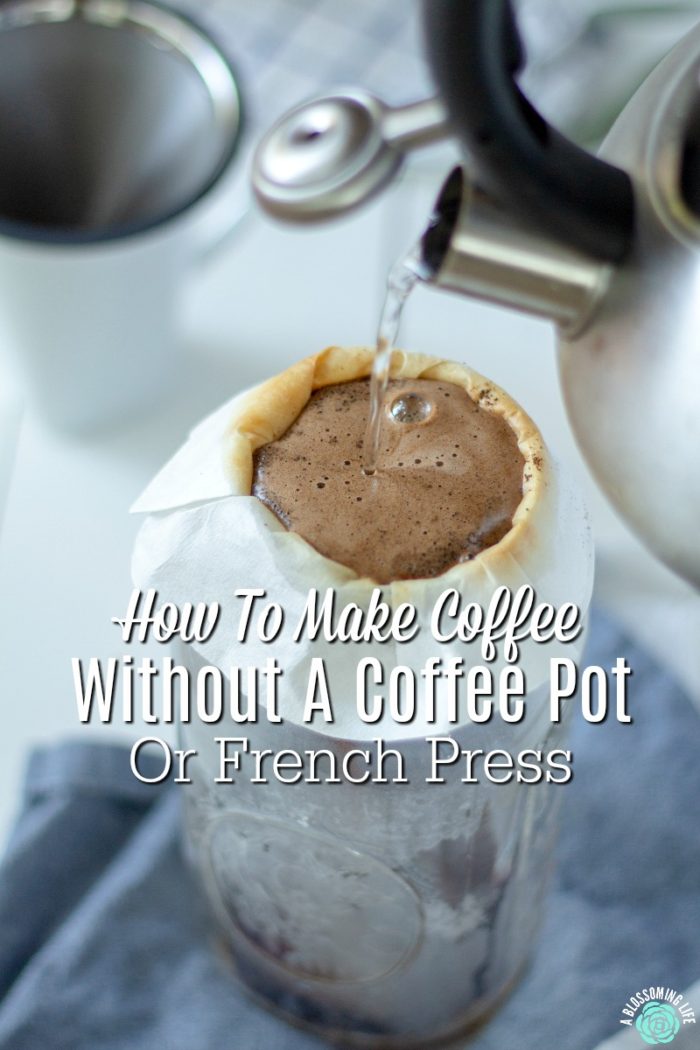
You only need a few basic items to make coffee in a pot. Use clean tools and fresh ingredients for the best taste.
• A small saucepan or coffee pot
• Fresh drinking water
• Ground coffee
• A spoon
• A mug
• A fine mesh strainer, paper filter, or ladle
• A heat source, such as a stove or camp burner
A medium saucepan works well for two to four cups. Avoid using a pot with old food odors, grease, or soap residue. Coffee absorbs unwanted smells easily.
For the coffee, choose a medium or medium coarse grind. Very fine grounds can create a muddy cup because they pass through most strainers. Freshly ground beans usually taste better, but pre ground coffee still works well when stored in an airtight container.
Coffee to Water Ratio
The basic ratio is one to two tablespoons of ground coffee for every 6 ounces of water. You can adjust this amount based on your preferred strength.
Use this guide:
• Mild coffee: 1 tablespoon per 6 ounces of water
• Medium coffee: 1½ tablespoons per 6 ounces of water
• Strong coffee: 2 tablespoons per 6 ounces of water
A standard 8 ounce mug needs about 2 tablespoons of coffee for a medium to strong cup. If you are serving four people, start with 8 tablespoons of coffee and 32 ounces of water.
Measuring by weight gives more consistent results. A useful starting ratio is 1 gram of coffee for every 15 to 17 grams of water. If the coffee tastes weak, add more grounds next time. If it tastes harsh, use fewer grounds or shorten the steep time.
How to Make Coffee in a Pot: Step-by-Step
The best way to make coffee in a pot is to control the heat and avoid a long, rolling boil. Boiling coffee grounds too hard can pull out bitter flavors.
1. Measure the Water
Pour the needed amount of fresh water into the pot. Add a little extra if you plan to strain the coffee, since a small amount will remain with the grounds.
Cold, filtered water often produces a cleaner taste than heavily chlorinated tap water. However, regular tap water is fine if it tastes good on its own.
2. Heat the Water
Place the pot over medium heat and warm the water until it reaches a gentle simmer. Small bubbles should form near the sides and bottom.
The ideal brewing range for coffee is often around 195 to 205°F. You do not need a thermometer to make coffee in a pot. Simply remove the pot from high heat when the water is very hot but not violently boiling.
3. Add the Coffee Grounds
Turn the heat to low or remove the pot from the burner. Add the measured coffee grounds and stir once so all the grounds become wet.
Stir gently. Vigorous stirring can make the coffee cloudy and may break up the grounds into smaller pieces.
4. Steep the Coffee
Let the coffee steep for about 4 minutes. Keep the heat low if the pot is still on the burner.
For a lighter cup, steep for 3 minutes. For a stronger cup, steep for up to 5 minutes. Longer steeping does not always create better coffee. It can make the drink bitter and dry.
5. Settle the Grounds
Remove the pot from the heat and wait for 1 to 2 minutes. This pause allows many grounds to sink to the bottom.
You can tap the side of the pot gently or add one tablespoon of cold water. The temperature change can help the grounds settle, though it may slightly cool the coffee.
6. Strain and Serve
Pour the coffee slowly into your mug. Leave the last small amount in the pot so the settled grounds do not enter your cup.
For a cleaner drink, pour the coffee through a fine mesh strainer lined with a paper filter. Add milk, cream, sugar, or spices after straining.
This simple process shows exactly how to make coffee in a pot without special equipment. The key is gentle heat, a short steep, and a careful pour.

How to Improve the Flavor
The basic method works, but a few details can make the coffee smoother and more balanced.
Use Fresh Coffee
Coffee loses flavor as it reacts with air. Whole beans are best when used within a few weeks of roasting, but the roast date matters more than a vague “best by” date.
Store coffee in an airtight, opaque container in a cool cabinet. Do not store it in the refrigerator, where moisture and food odors can damage the flavor.
Choose the Right Grind
Medium coarse grounds are usually the safest choice for pot coffee. They are large enough to settle and small enough to release flavor during a short steep.
Fine grounds may taste bitter and leave heavy sediment. Very coarse grounds can taste weak because they need more time to release flavor.
Use Clean Water
Water makes up most of your coffee, so its taste matters. If your tap water tastes flat, metallic, or strongly chlorinated, try filtered water.
Avoid distilled water for regular brewing. It may produce a dull cup because it lacks minerals that help extract coffee flavor.
Control the Heat
A rolling boil is one of the most common mistakes when people learn how to make coffee in a pot. High heat can overextract the grounds and create a burnt taste.
Use medium heat to warm the water, then lower the heat or remove the pot before adding coffee. Gentle brewing gives you more control.
Clean the Pot Well
Coffee oils can become rancid and affect future batches. Wash the pot after each use with warm water and mild dish soap.
If the pot smells stale, simmer a mixture of water and a small amount of baking soda for a few minutes. Rinse it well before making coffee again.
Common Mistakes and How to Fix Them
Even a simple brewing method can go wrong. These fixes can help you adjust the next batch.
• Bitter coffee: Use less coffee, cooler water, or a shorter steep time.
• Weak coffee: Add more grounds or steep for another minute.
• Sour coffee: Use hotter water, fresher coffee, or a slightly longer steep.
• Muddy coffee: Use a coarser grind and pour more slowly.
• Burnt coffee: Do not boil the grounds, and remove the pot from direct heat.
• Cold coffee: Preheat your mug with hot water before serving.
• Uneven flavor: Stir once after adding the grounds so they all become fully wet.
When I make coffee in a pot, my biggest early mistake is leaving the pot on high heat after adding the grounds. The coffee becomes strong, but not in a pleasant way. Lower heat and a timer make a clear difference.
Another useful lesson is to avoid chasing strength with extra brewing time. More grounds usually create a fuller cup, while excessive steeping often adds bitterness.

Variations on Pot Coffee
Once you understand how to make coffee in a pot, you can adapt the method to different settings and tastes.
Camping Coffee
For camping, use a durable metal pot and medium coarse coffee. Bring the water to a near boil, remove it from the fire, add the grounds, and steep for about 4 minutes.
Pour slowly or use a camp coffee filter. Wind can make outdoor heat difficult to control, so watch the coffee closely rather than relying only on a timer.
Spiced Coffee
Add a small cinnamon stick, a pinch of cardamom, or one strip of orange peel while the water heats. Remove the spice before serving.
Avoid adding too many spices at once. Strong spices can hide the coffee’s natural flavor.
Milk Coffee
Brew the coffee in water first, then add warm milk to the cup. Heating milk directly in the pot can cause scorching and makes cleanup harder.
A simple starting point is two parts coffee to one part warm milk. Add sugar or honey to taste.
Cold Brew Style Pot Coffee
A regular pot method is not true cold brew, which requires many hours of cold steeping. However, you can combine coarse coffee and cold water in a covered pot and let it steep in the refrigerator for 12 to 16 hours.
Strain the mixture carefully, then serve it over ice. Dilute it with water or milk because cold brew concentrate can be strong.
:max_bytes(150000):strip_icc()/Moka-Pots-FT-MAG-0425-d2d0736377564f59963ed25fd1d0e2b0.jpg)
How to Make Coffee in a Pot for a Group
When serving several people, increase both the water and coffee while keeping the same ratio. Do not fill the pot to the very top because stirring and pouring become difficult.
For six 8 ounce cups, use:
• 48 ounces of water
• About 12 tablespoons of coffee for a medium strength brew
• A pot that holds at least 2 quarts
Heat the water in batches if your pot is small. Brewing two fresh batches often tastes better than overcrowding one pot.
Serve the coffee soon after brewing. If it must sit, transfer it to a preheated insulated carafe. Leaving coffee over direct heat causes the flavor to become harsh and stale.

Pot Coffee Compared With Other Brewing Methods
Pot coffee is not the only way to brew. Each method has different strengths.
• Drip coffee: Cleaner and more consistent, but it needs a machine and filter.
• French press: Full-bodied and rich, with better control over steeping.
• Pour over: Bright and clear, but it requires careful pouring and a filter.
• Instant coffee: Fast and convenient, but it usually has less aroma and depth.
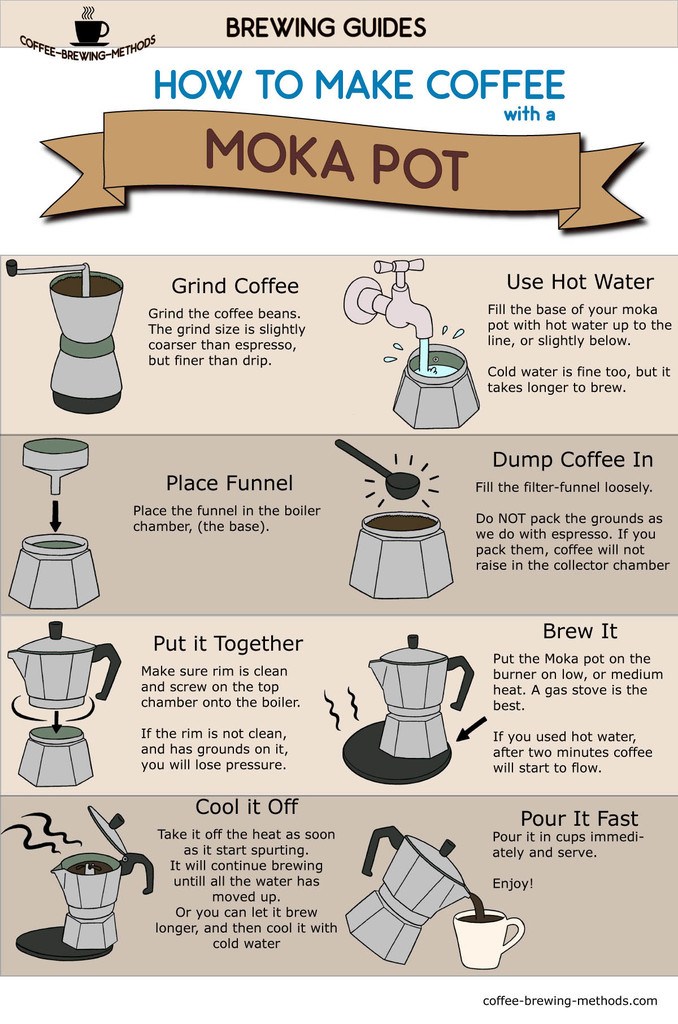
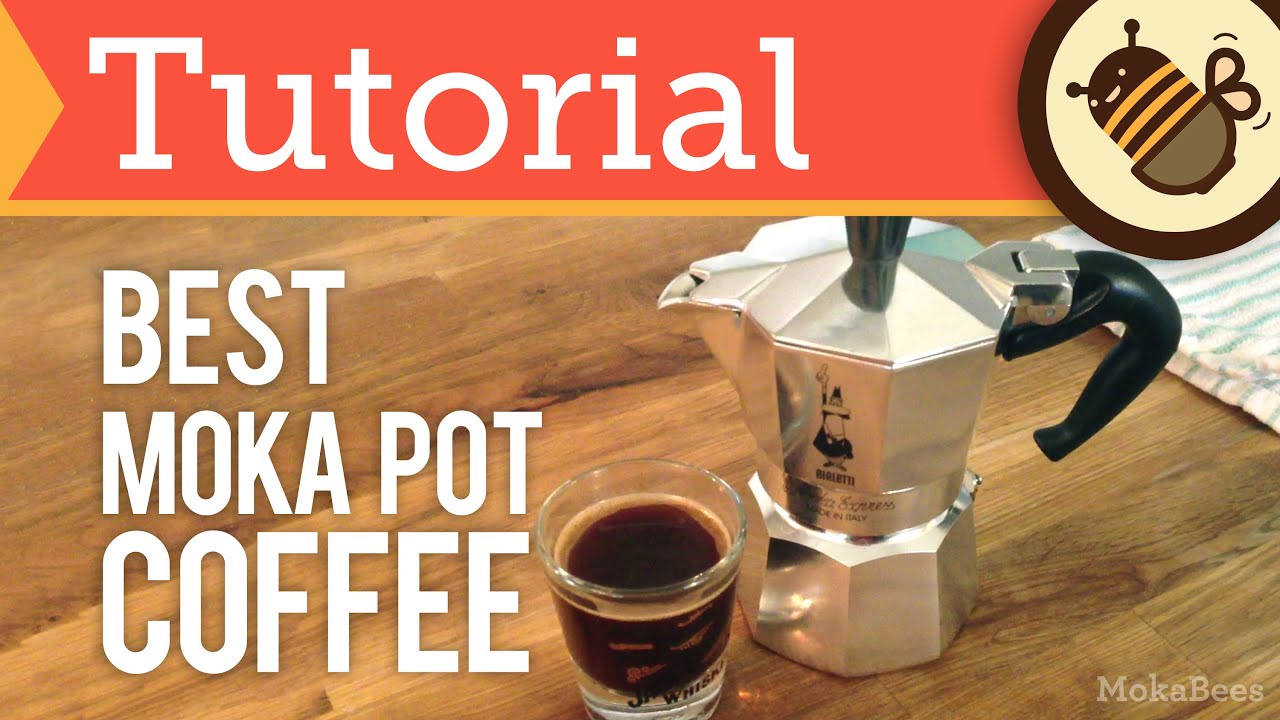
• Moka pot coffee: Dense and intense, but it uses a special stovetop brewer and creates a different style of drink.
The main benefit of learning how to make coffee in a pot is flexibility. You can brew coffee in a kitchen, hotel room, cabin, or campsite with very little equipment.
The main limitation is sediment. Without a paper filter, some fine particles may remain in the cup. A careful pour and a fine strainer solve most of the problem.
Safety and Storage Tips
Use a stable pot and keep the handle turned away from the edge of the stove. Hot coffee and metal cookware can cause burns, especially around children.
Do not leave a pot unattended on a burner. If you are camping, keep the pot away from tent walls, dry grass, and loose clothing.
Drink coffee soon after brewing for the best quality. If you save leftovers, cool them quickly, place them in a clean covered container, and refrigerate them. Use refrigerated brewed coffee within about 3 to 4 days.
Never rely on smell alone to judge food safety. When in doubt, discard old coffee, especially if milk or cream has been added.
Frequently Asked Questions About How to Make Coffee in a Pot
Can I boil coffee grounds directly in water?
You can, but hard boiling often creates bitter and harsh coffee. For better results, heat the water first, add the grounds after removing the pot from high heat, and steep gently.
How long should coffee steep in a pot?
A steep time of about 4 minutes works well for most medium coarse grounds. Use 3 minutes for a lighter cup and up to 5 minutes for stronger coffee.
How much coffee should I use in a pot?
Start with 1½ to 2 tablespoons of ground coffee for every 6 ounces of water. Adjust the amount based on taste, coffee type, and grind size.
Do I need a coffee filter to make coffee in a pot?
No, a filter is not required. You can let the grounds settle and pour carefully, but a fine mesh strainer or paper filter will produce a cleaner cup.
What is the best pot for making coffee?
A clean stainless steel saucepan or camping pot works well. Choose a pot with a stable base and enough room for the water, grounds, stirring, and pouring.
Why does my pot coffee taste bitter?
Bitter coffee usually comes from excessive heat, too many grounds, or a long steep time. Lower the heat, shorten the brewing time, or reduce the coffee dose in your next batch.
Can I make coffee in a pot on a campfire?
Yes, but control the heat as much as possible. Heat the water near the fire, move the pot away from direct flames before adding coffee, and let the grounds steep for about 4 minutes.
Conclusion
Learning how to make coffee in a pot is simple, affordable, and useful in many situations. Use fresh water, medium coarse grounds, about 1½ to 2 tablespoons of coffee per 6 ounces of water, gentle heat, and a short steep.
Let the grounds settle before pouring, and use a strainer when you want a cleaner cup. Start with the basic ratio, taste the result, and adjust one detail at a time. Brew a batch today, try your preferred grind and strength, and share your favorite pot coffee method with someone who enjoys a good cup.
Liora Pennings is a seasoned chef and kitchen enthusiast with a passion for turning everyday cooking into an effortless experience. With years of hands-on culinary expertise, she specializes in practical techniques, ingredient know-how, and smart kitchen solutions that help home cooks elevate their meals. At KitchFlair.com, Liora shares her best tips, time-saving tricks, and honest product reviews to guide readers toward a more efficient, enjoyable, and inspired cooking routine. Whether you’re a beginner or a seasoned home chef, Liora’s friendly, knowledge-packed insights make every visit to the kitchen a little easier—and a lot more delicious.