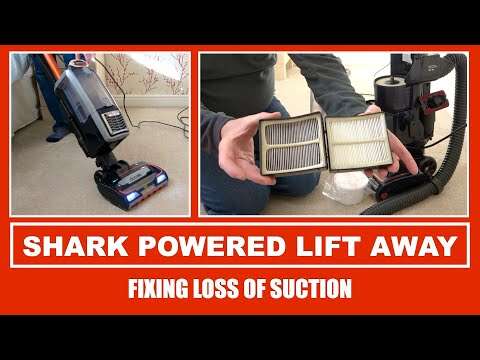
How To Fix Vacuum Cleaner Weak Suction: Quick Tips
Check hoses, seals, and blockages after filter cleaning to restore full suction.
I’ve fixed dozens of vacuums and teach simple, safe steps to solve weak suction after filter cleaning. This guide digs into why suction stays low, how to test parts, and clear steps to fix the issue. If you want fast results and reliable tips for how to fix vacuum cleaner weak suction after filter cleaning, you’re in the right place.

Why suction can stay weak after filter cleaning
Even after a clean filter, your vacuum can still pull less air. Dirt can hide in hoses, seals, brush rolls, and the bin. Small tears or clogged vents cut airflow. Filters help, but they are only one part of the air path.
Common causes you should check now:
- Clogged hose or wand that traps debris.
- Blocked inlet or brush roll filled with hair.
- Worn seals or gaskets around the dust bin.
- Cracked hose or loose connections that leak air.
- Motor or fan damage reducing suction power.
If you want to learn how to fix vacuum cleaner weak suction after filter cleaning, start by checking the whole airflow path. I learned this the hard way when I blamed a filter for low suction, but a small toy in the hose was the real culprit.

Step-by-step diagnostic checklist
Follow this quick test plan. Each step takes a few minutes. Work in order so you don’t miss the simple fixes.
- Run the vacuum and listen
- Turn the vacuum on with the hose removed.
- Listen for a steady motor sound. A weak motor noise can mean lost power or a failing fan.
- Check airflow at the hose end
- Put your hand near the hose inlet to feel airflow.
- Little or no airflow points to a blockage or sealed leak.
- Inspect the filter again
- Remove and reseat the filter. Some filters need to be dry before use.
- Make sure the filter is correct for your model and placed the right way.
- Scan the hose and wand
- Shine a flashlight down the hose. Look for clogs.
- Flex the hose. Kinks or collapsed sections reduce airflow.
- Look at the brush roll and intake
- Remove hair and fibers from the brush roll.
- Check the intake plate and door for stuck debris.
- Test with the dust bin removed
- Run the motor briefly with the bin removed to listen for changes.
- If suction improves, the bin seal or latch may leak.
If you follow these checks you will find most causes of weak suction after cleaning the filter. I often find hair wraps or small toys in the hose. These steps show how to fix vacuum cleaner weak suction after filter cleaning without parts or skill.

Deep cleaning steps beyond the filter
Cleaning the filter is not enough. Clean every part of the air path for best results.
Hose and wand
- Detach the hose and kick out any loose debris into a trash can.
- Use a long brush or flexible rod to push or pull clogs out.
- For wet messes, rinse and fully dry the hose before reattaching.
Brush roll and bearings
– Remove hair and string wrapped around the brush.
- Check bearings or end caps for wear. Replace if stuck.
- Make sure the brush spins freely. A stuck brush reduces pickup.
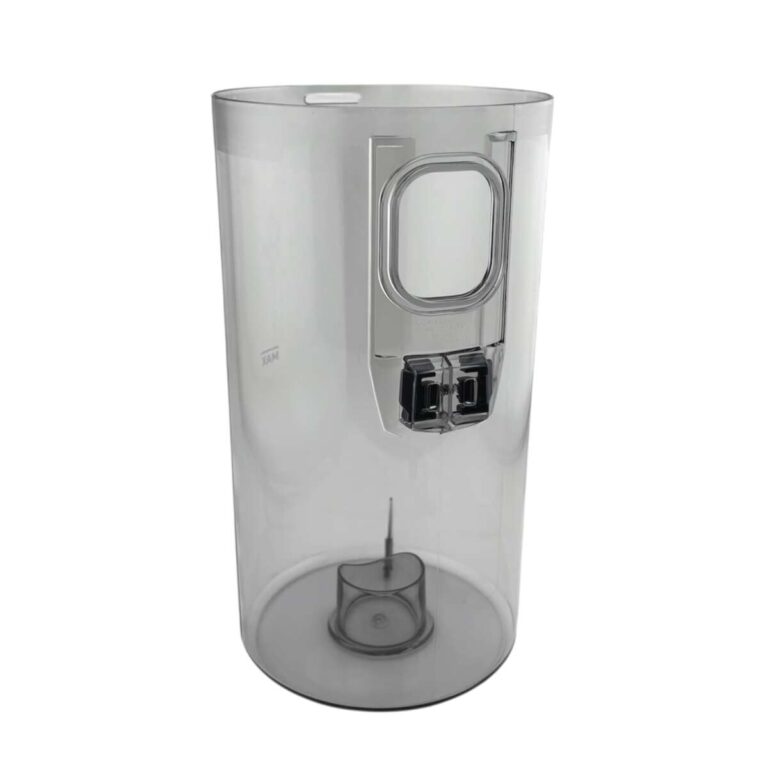
Dust bin and seals
- Wipe the bin with a damp cloth. Let it dry.
- Inspect the rubber seals and gaskets. Clean old dust and re-seat them.
- Replace cracked seals. Leaks here are common causes of lost suction.
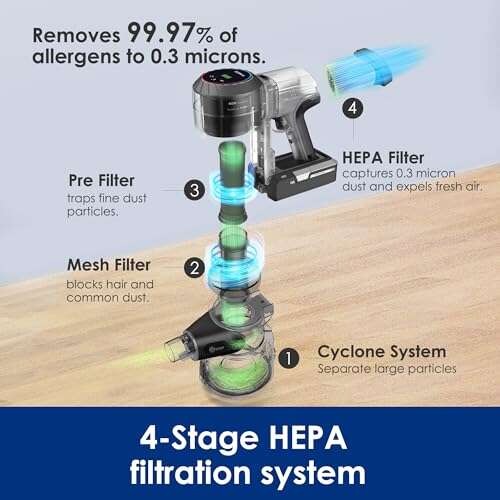
HEPA and secondary filters
- Some HEPA filters need special care. Replace if clogged or damaged.
- Confirm filters are fully dry before re-installing. A damp filter can block air.
Short example: once I rinsed a foam pre-filter and let it stay damp. Suction dropped more. Drying the filter fixed it. That taught me to let filters dry completely and check the whole path every time.

How to check and fix motor, belts, and seals
If simple fixes fail, look at moving parts and seals. These need basic tools and care.
Belts and drive systems
- Turn off and unplug the vacuum.
- Check the belt for wear or stretch. Replace worn belts.
- A slipping belt lets the brush spin but cuts suction.
Seals and gaskets
- Inspect seals at the dust bin, motor housing, and attachments.
- Replace torn seals. New gaskets are cheap and help a lot.
Motor and fan checks
- Smells or grinding noises may mean motor or fan damage.
- If motor speed is low, call a pro or check warranty.
- Running the motor without the fan connected can damage it—avoid risky tests.
Always unplug before opening the unit. If you’re unsure about motor work, a certified repair tech is safer and often cost-effective. These checks explain how to fix vacuum cleaner weak suction after filter cleaning when internal parts are the issue.
Maintenance tips to prevent weak suction
A little care saves time and money. Use these simple routines.
Weekly tasks
- Empty the dust bin or change bags before they reach full.
- Quick-check the brush roll and remove hair.
Monthly tasks
- Inspect hoses, seals, and attachments for clogs.
- Wash washable filters and let them dry fully.
Every 6–12 months
- Replace HEPA and foam filters per the manual.
- Replace belts and worn seals.
Good habits
- Avoid vacuuming large debris that can clog hoses.
- Keep small parts and toys off the floor. A lost toy is a common clog.
- Record maintenance dates. It helps track wear.
These practices keep your vacuum strong and reduce the need to learn how to fix vacuum cleaner weak suction after filter cleaning again. My cleaning log cut repair calls by half.

When to repair or replace your vacuum
Sometimes repair cost exceeds value. Use this guide to decide.
Repair if:
- The vacuum is newer and under warranty.
- Parts like belts, seals, or a broken hose are cheap.
- The motor and fan are in good shape.
Replace if:
- The motor is failing and repair costs more than half the unit price.
- The unit is old and parts are hard to find.
- Multiple components need replacement at once.
If you choose repair, get a quote from a certified tech. A clear estimate helps you decide quickly. If you want to know how to fix vacuum cleaner weak suction after filter cleaning at home, prefer repairs that fix seals, hoses, and belts first.
People also ask
Why is my vacuum still weak after cleaning the filter?
A cleaned filter helps but other parts can block airflow. Check hoses, seals, brush roll, and the dust bin for clogs or leaks.
Can a damp filter cause weak suction?
Yes. A damp filter blocks air. Always dry washable filters fully before reinstalling.
How often should I replace filters?
Replace disposable or HEPA filters per the manual, usually every 6–12 months, or sooner if you vacuum often or have pets.

Frequently Asked Questions of how to fix vacuum cleaner weak suction after filter cleaning
How do I find a clog in the hose?
Disconnect the hose and use a flashlight to look through. Use a long brush or flexible rod to push or pull the clog free.
Will a torn seal cause weak suction?
Yes. Torn or loose seals allow air to escape. Replace seals to restore full suction.
Is it okay to run the vacuum without a filter?
No. Running without a filter can blow dust into the motor and cause damage. Always use correct filters.
My brush won’t spin but suction is fine. What now?
Check the belt and brush bearings. Replace a broken or loose belt and remove wrapped hair.
When should I call a pro for weak suction?
Call a pro if you detect motor noise changes, burning smells, or if motor speed is low. These signs may mean internal damage.
Conclusion
You can fix most weak suction problems after filter cleaning by checking the full airflow path. Start with simple steps: feel the airflow, inspect hoses, clear the brush roll, and check seals. If that does not work, inspect belts and motor or get a repair quote. Try these steps today to restore power and avoid repeat issues. Share your results, ask a question below, or subscribe for more home repair tips.

Liora Pennings is a seasoned chef and kitchen enthusiast with a passion for turning everyday cooking into an effortless experience. With years of hands-on culinary expertise, she specializes in practical techniques, ingredient know-how, and smart kitchen solutions that help home cooks elevate their meals. At KitchFlair.com, Liora shares her best tips, time-saving tricks, and honest product reviews to guide readers toward a more efficient, enjoyable, and inspired cooking routine. Whether you’re a beginner or a seasoned home chef, Liora’s friendly, knowledge-packed insights make every visit to the kitchen a little easier—and a lot more delicious.