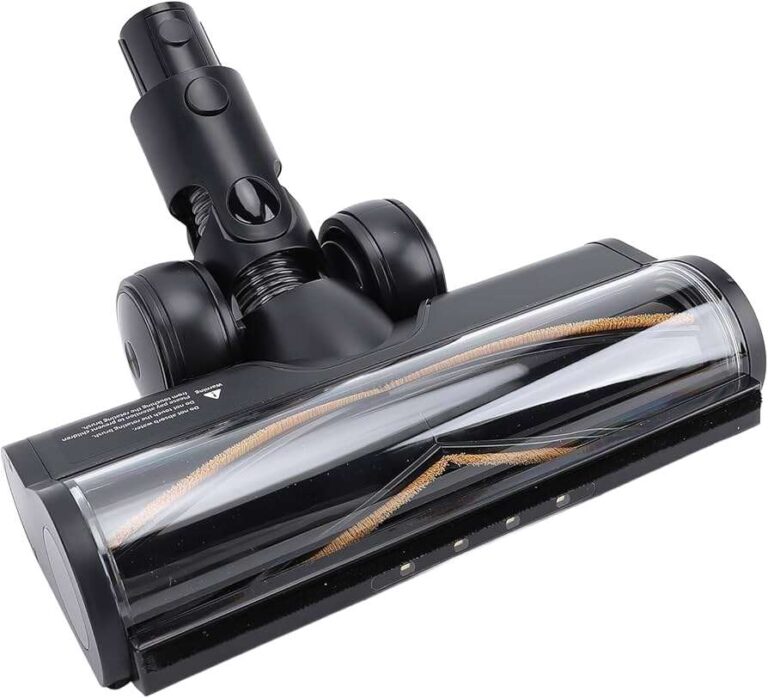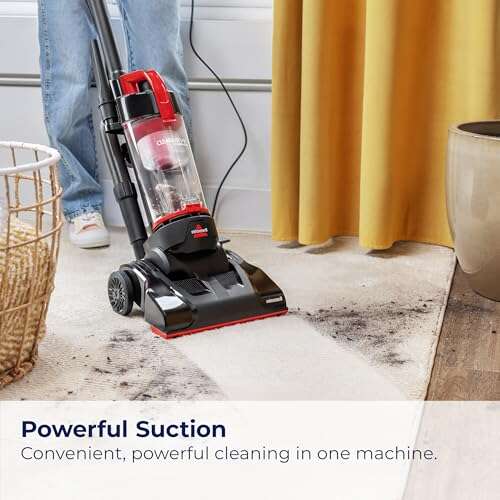
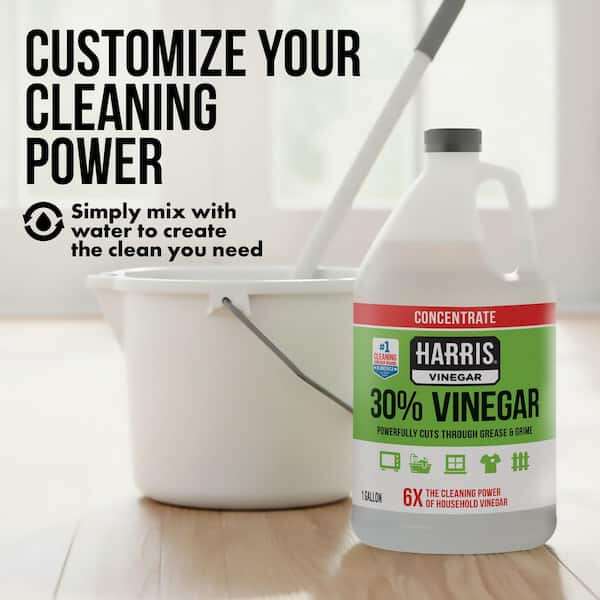
How To Clean Vacuum Cleaner Hose With Vinegar Solution: DIY
Mix equal parts white vinegar and water, rinse well, and air-dry the hose.
I’ve cleaned dozens of vacuum hoses in homes and rental properties, and I’ll show you a safe, simple method for how to clean vacuum cleaner hose with vinegar solution that actually works. This guide explains supplies, step-by-step directions, safety tips, and real-world lessons from hands-on experience so you can remove grime, odors, and small clogs without harming the hose or motor.

Why clean your vacuum hose
Clogged or dirty hoses cut suction and spread odors. A grimy hose lowers cleaning power and strains the motor.
Cleaning with a vinegar solution lifts grease, kills many bacteria, and reduces smells without harsh chemicals. Knowing how to clean vacuum cleaner hose with vinegar solution saves money and extends appliance life.

What you'll need
- White distilled vinegar, 1 cup
- Warm water, about 1 cup or more
- A large bucket or tub
- Long flexible brush or plumbing snake
- Microfiber cloths or towels
- Gloves and eye protection if preferred
- Towels or drying rack for air-drying
I prefer a soft long brush made for vents. It reaches dust without scratching the plastic. Gather these items before you start to keep the process quick.
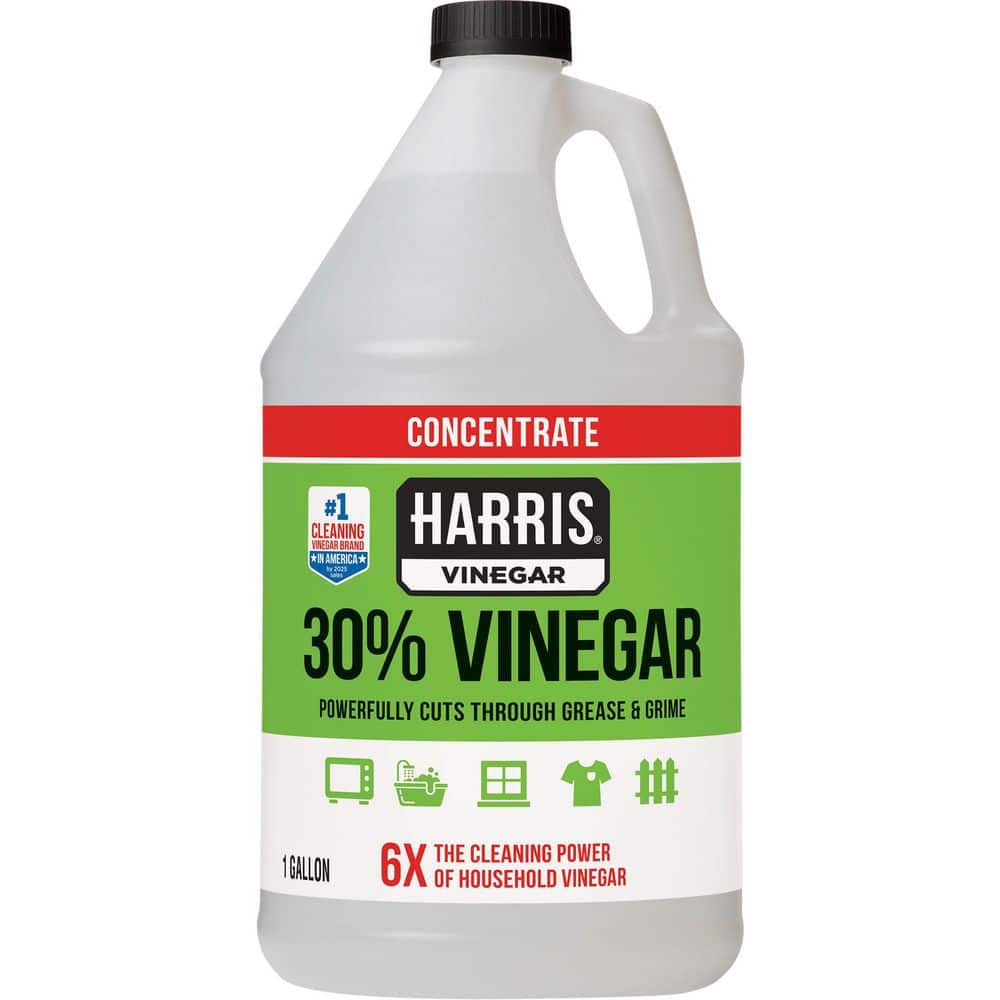
Step-by-step: how to clean vacuum cleaner hose with vinegar solution
-
Unplug and detach the hose.
Make sure the vacuum is off and unplugged. Remove the hose from the unit and accessories. -
Check for large blockages.
Shine a light through the hose. Pull out obvious debris by hand or with pliers. This reduces the risk of pushing clogs deeper. -
Prepare the vinegar solution.
Mix equal parts white vinegar and warm water in a bucket. Use enough to fully submerge the hose section you plan to clean. -
Soak and agitate.
If the hose can be submerged, coil it gently and soak for 15–30 minutes. For non-submersible hoses, pour the solution through and rotate the hose while letting it drain. -
Brush the inside.
Run a long flexible brush or plumbing snake through the hose several times to dislodge stuck dirt. Move slowly and work from both ends when possible. -
Rinse thoroughly.
Flush the hose with clean warm water until the runoff is clear and vinegar scent is faint. Multiple rinses help prevent residue reaching the motor later. -
Dry completely.
Shake out excess water and leave the hose open on a drying rack or hang it so air flows through. Allow at least 24 hours to fully dry before reconnecting.
These steps describe how to clean vacuum cleaner hose with vinegar solution in a safe, repeatable way that reduces odors and loosens grime.

Deep cleaning, stubborn clogs, and odor removal
For stubborn grease or sticky debris, increase soak time to 45 minutes. Run a diluted dish soap through the hose before a final vinegar rinse to break down oil.
If you find a severe clog you cannot dislodge with a brush, use a flexible plumbing snake gently. Avoid forceful poking that could tear the hose lining.
For strong odors, add a few tablespoons of baking soda to a rinse cycle after the vinegar soak. Baking soda neutralizes lingering smells and complements the vinegar cleaning action.
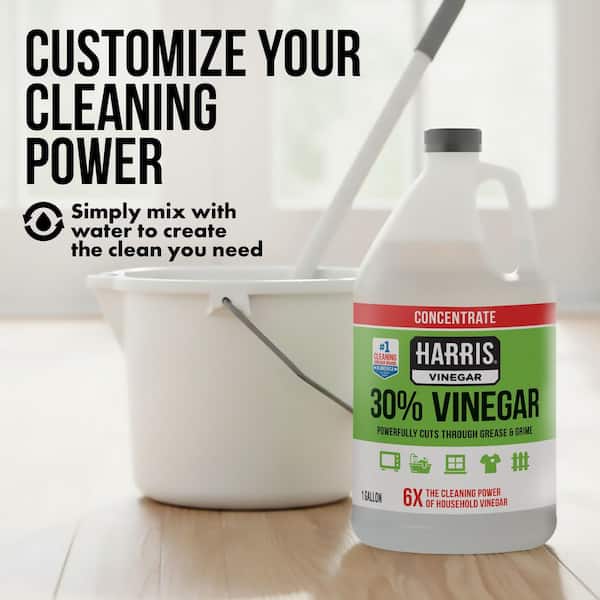
Precautions and what to avoid
-
Do not use bleach or ammonia with vinegar.
Mixing these creates harmful fumes and can damage materials. -
Avoid hot water on heat-sensitive hoses.
Very hot water can soften some plastics. Use warm, not boiling, water. -
Don’t run the vacuum while the hose is full of water.
Water in the vacuum can damage the motor and electronics. -
Check manufacturer guidance first.
Some hoses have electrical components or liners not meant to be soaked. When in doubt, consult the manual.
I once soaked a hose that had an electrical connector inside. It caused corrosion and required replacement. Now I always inspect the hose construction before submerging.

Maintenance schedule and simple tips
-
Clean interior every 3–6 months.
Regular cleaning prevents buildup and preserves suction. -
Empty the canister or bag after heavy use.
Less debris in the housing reduces the chance of blockages traveling to the hose. -
Use hose-friendly attachments for pet hair.
Brushes designed to capture hair cut down on internal tangles. -
Store the hose loosely coiled.
Tight kinks can trap debris or weaken the material.
These small habits reduce how often you’ll need a full vinegar-based clean. I follow this routine in rental turnovers and see fewer clogs and fewer service calls.

Troubleshooting: signs your hose needs cleaning and when to replace
-
Reduced suction and weak pickups suggest a partial clog.
Clean the hose with the vinegar solution and test suction again. -
Persistent bad smells after cleaning may mean mold.
If odors return after repeated vinegar cleans, inspect for cracks or internal liners that trap moisture; consider replacement. -
Cracks, brittleness, or torn lining mean replacement.
Vinegar cleans only; it won’t restore structural damage. Replace a damaged hose to avoid motor harm.
Knowing when to clean and when to replace helps keep your vacuum safe and effective. If repeated cleans don’t help, replacement is usually cheaper than repairing motor damage.
Frequently Asked Questions of how to clean vacuum cleaner hose with vinegar solution
Can vinegar damage my vacuum hose?
Vinegar is gentle on most plastics when diluted with water. Always check the hose material and avoid soaking hoses with electrical parts or delicate liners.
How long should I soak the hose in the vinegar solution?
Soak for 15–30 minutes for routine cleaning, and up to 45 minutes for heavy grime. Longer soaks may help but inspect the hose first for sensitive components.
Will vinegar remove mold from inside the hose?
Vinegar can reduce mold and mildew and help neutralize odors. For severe mold, repeat treatments or professional replacement may be necessary.
Can I use straight vinegar without diluting?
Straight vinegar is stronger and may risk softening some plastics. Use a 1:1 vinegar to water mix for a safer, effective clean.
How often should I clean my vacuum hose with vinegar solution?
Every 3–6 months is a good rule for most homes. Clean sooner if you vacuum wet spills, lots of pet hair, or experience reduced suction.
Conclusion
Cleaning a vacuum hose with a vinegar solution is an easy, affordable way to restore suction, cut odors, and extend the life of your vacuum. Follow the step-by-step routine, take simple precautions, and keep a short maintenance schedule to avoid clogs and motor strain. Try this method the next time your vacuum feels weak—then share your results or questions below to help others get cleaner air and stronger suction.

Liora Pennings is a seasoned chef and kitchen enthusiast with a passion for turning everyday cooking into an effortless experience. With years of hands-on culinary expertise, she specializes in practical techniques, ingredient know-how, and smart kitchen solutions that help home cooks elevate their meals. At KitchFlair.com, Liora shares her best tips, time-saving tricks, and honest product reviews to guide readers toward a more efficient, enjoyable, and inspired cooking routine. Whether you’re a beginner or a seasoned home chef, Liora’s friendly, knowledge-packed insights make every visit to the kitchen a little easier—and a lot more delicious.