
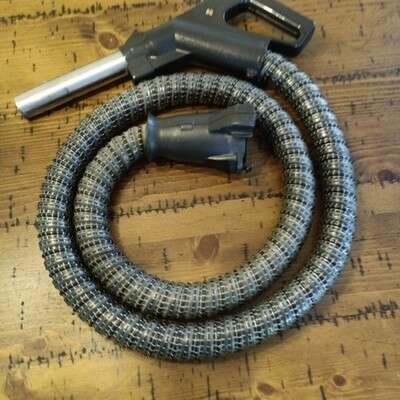
How To Clean Vacuum Cleaner Hose With Household Items: Fix
Clean your vacuum hose with simple household items: warm water, dish soap, vinegar, and a bendable tool.
I’ve cleaned hundreds of hoses as a home appliance pro and homeowner. This guide shows exactly how to clean vacuum cleaner hose with household items safely and effectively. You’ll get step-by-step methods, tools you already own, clog removal tricks, drying and deodorizing tips, and easy prevention habits. Read on and you’ll finish with a fresh hose and better suction.
Why cleaning matters for your vacuum hose
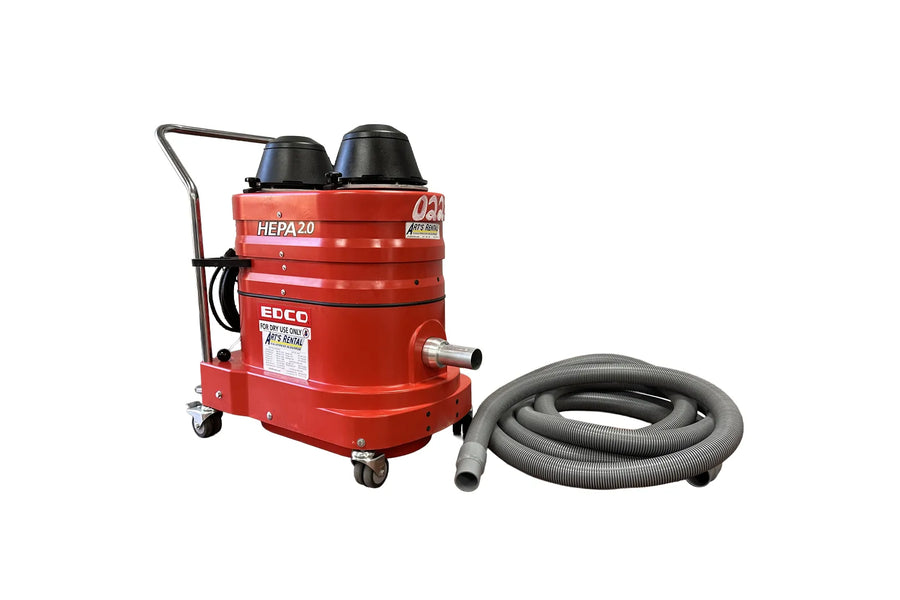
A clogged or dirty hose cuts suction and spreads dust back into the room. Regular cleaning restores power, reduces odors, and extends your vacuum’s life. Learning how to clean vacuum cleaner hose with household items saves money and avoids buying specialty cleaners. It also prevents mold and bacteria from building up inside the hose.

Household items and tools you’ll need
You likely have everything required at home. Gather these items before starting to clean.
- Warm water
- Dish soap or mild detergent
- White vinegar
- Baking soda
- Bucket or sink
- Long flexible brush, broom handle, or coat hanger (straightened)
- Microfiber cloths or old towels
- Rubber gloves
- Funnel (optional)
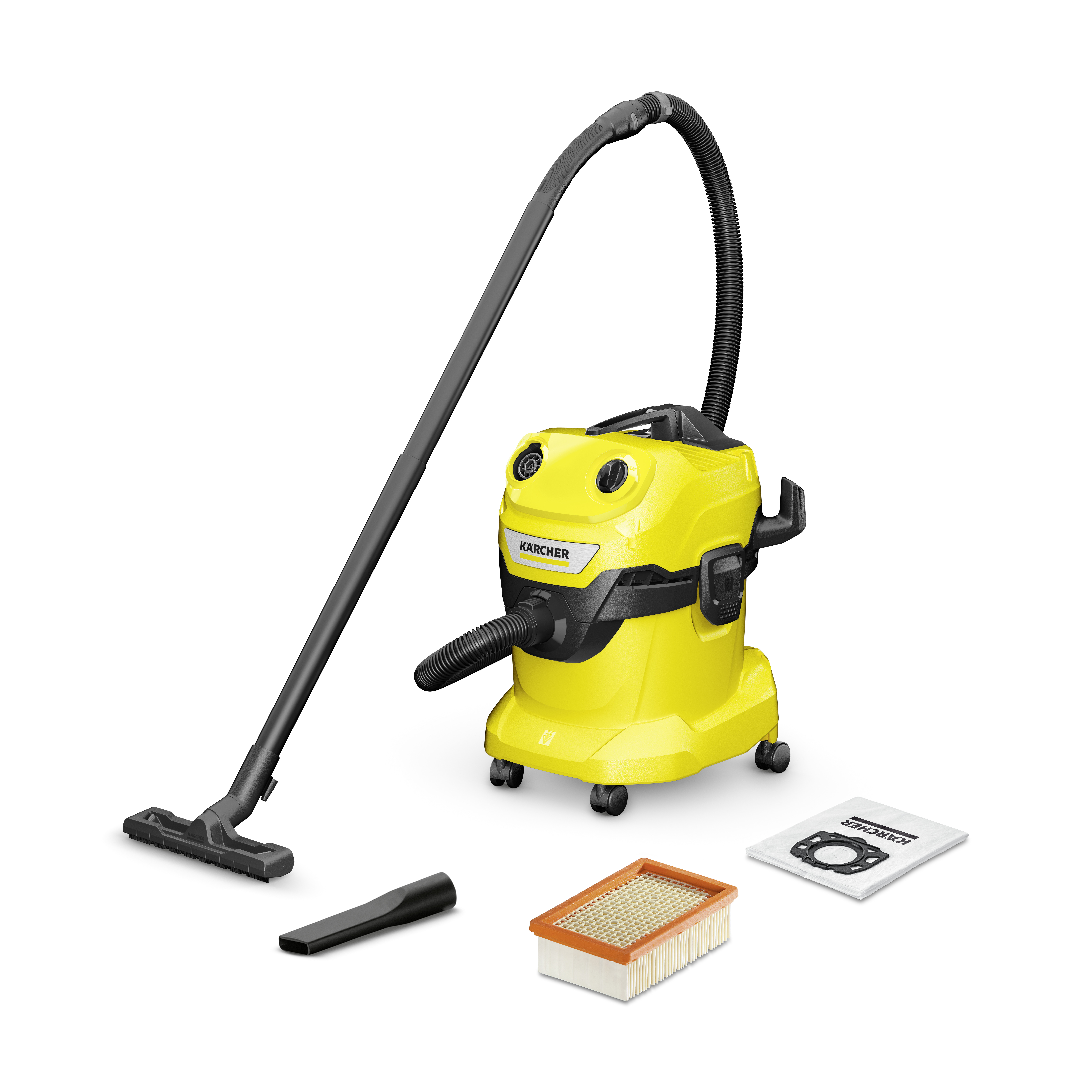
- Wet/dry vacuum or another vacuum (optional for blow-through)
These items are gentle on plastic and rubber hoses. Avoid harsh solvents. Knowing how to clean vacuum cleaner hose with household items reduces risk of damage.
Step-by-step: simple flush method (best first try)
This method is fast and works for light to moderate dirt.
- Detach the hose from the vacuum. Unplug the machine.
- Shake and tap the hose outside to dislodge loose debris.
- Run warm water through the hose from one end to the other. Use a faucet or bucket and pour with a funnel.
- Add a few drops of dish soap to the water. Swish the hose so suds pass through.
- Rinse thoroughly with clean water until no soap remains.
- Squeeze out excess water and hang the hose vertically to dry for 24 hours.
This approach is the core of how to clean vacuum cleaner hose with household items. It’s safe for most hoses and very effective for dust and pet hair.
Deep clean for odors and grime: vinegar and baking soda method
Use this if the hose smells or has sticky buildup.
- Mix 1 cup white vinegar with 2 cups warm water in a bucket.
- Pour a half cup baking soda into the hose, then pour the vinegar solution slowly so fizzing helps lift grime.
- Plug both ends with cloth or caps and shake gently for a minute.
- Let sit 15–30 minutes, then flush with warm water until clear.
- Dry vertically, and sprinkle a little baking soda inside after drying to neutralize leftover odors.
This method shows another safe way to clean vacuum cleaner hose with household items while neutralizing odors naturally.
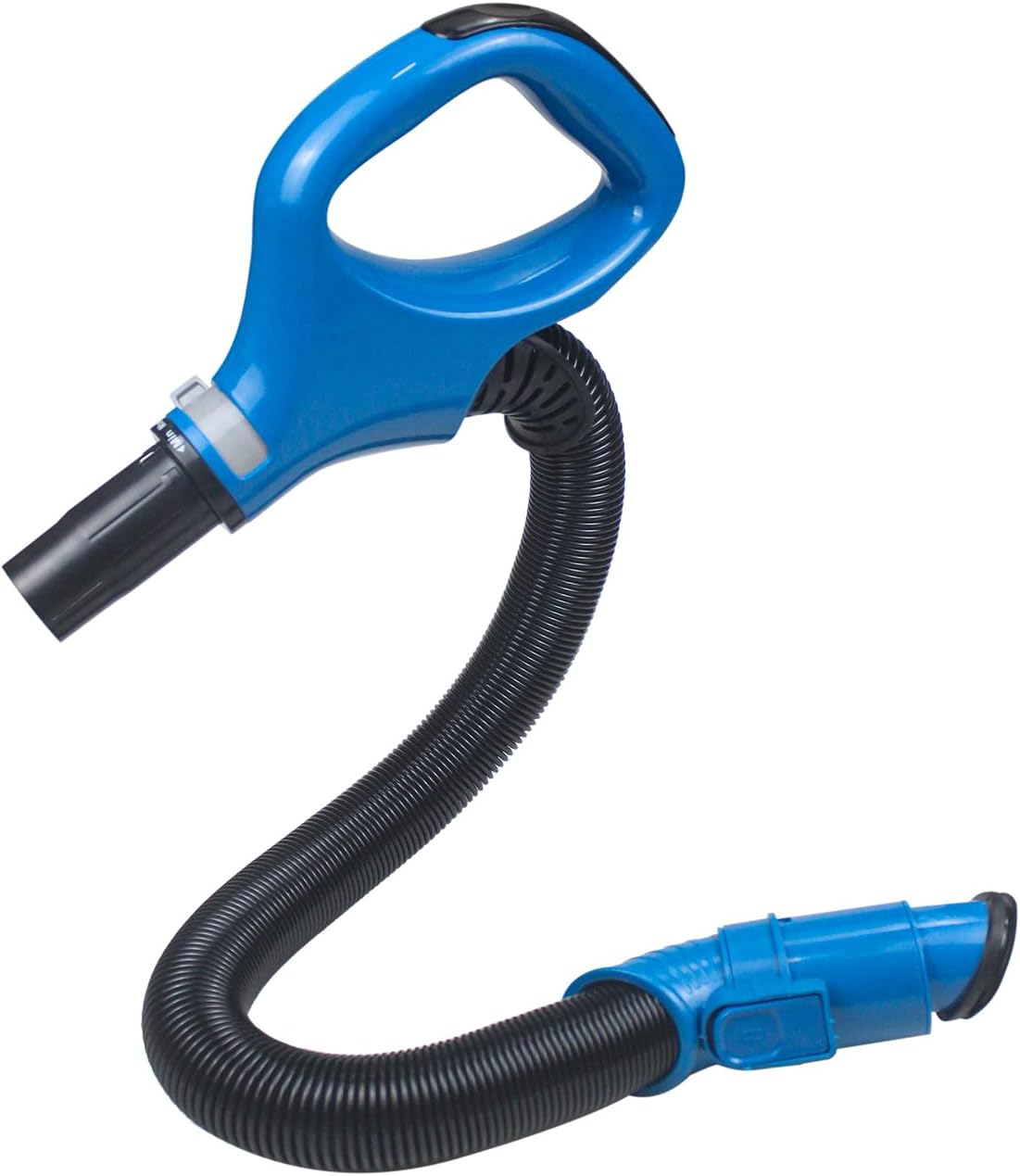
Removing stubborn clogs and hair tangles
Persistent clogs need a tool and patience.
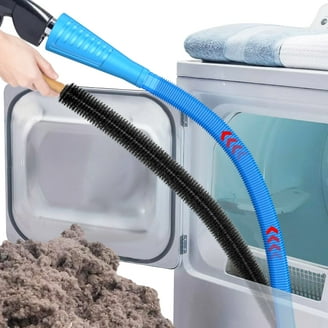
- Use a straightened wire coat hanger or a long flexible brush to reach blockages. Push or pull gently to avoid tearing the hose.
- For compact clogs, create suction from the far end with another vacuum or wet/dry vac to pull the clog out.
- If the hose is detachable at both ends, push water through forcefully to dislodge the obstruction.
- Avoid sharp tools that can puncture the hose.
When learning how to clean vacuum cleaner hose with household items, always protect the hose from sharp objects and hot water that can warp plastic.
Drying, sanitizing, and reassembly
Proper drying prevents mildew and odors.
- Squeeze and shake out as much water as possible.
- Hang the hose vertically with one end open. Use a coat rack or hook.
- Run the vacuum briefly (if manufacturer allows) with the hose attached to blow airflow and speed drying.
- For extra sanitizing, wipe the exterior with a 1:1 vinegar-water mix and a cloth.
- Reattach only when fully dry and inspect for wear before using.
These steps complete the how to clean vacuum cleaner hose with household items routine and protect your vacuum from moisture damage.
Preventive maintenance tips
Small habits keep hoses clean longer.
- Empty canister or change bags regularly to reduce backflow.
- Use attachments like crevice tools for big debris.
- Inspect the hose monthly for clogs, cracks, or wear.
- Store the hose loosely coiled, not kinked.
- Avoid vacuuming large solids like coins, socks, or wet food.
Following these simple tips reduces how often you need to deep clean the hose.

Personal experience: mistakes I made and lessons learned
I once used boiling water to clean a hose after a spill. The hose warped and needed replacement. I learned to use warm, not hot, water. I also tried a metal tool that scratched the interior. Now I use plastic brushes or flexible rods and always test a small section before trying stronger methods.
From years of repairs, the best practice is gentle force and patience. That’s key when you learn how to clean vacuum cleaner hose with household items without causing damage.
Quick questions you might have
How long does drying take?
Drying usually takes 12–24 hours, depending on humidity and how much water was inside.
Can I use bleach to sanitize?
Bleach can damage hose material and leave fumes. Use diluted vinegar instead for safe sanitizing.
Will cleaning improve suction?
Yes. Clearing blockages and built-up dust restores airflow and improves suction quickly.
Frequently Asked Questions of how to clean vacuum cleaner hose with household items
How often should I clean my vacuum hose?
Clean the hose every 3–6 months for average use. If you have pets or vacuum often, clean it every 1–2 months.
Can I put the hose in the washing machine?
Most hoses are not machine-safe. The agitator can bend or tear the hose. Hand cleaning is safer.
What household item removes bad smells best?
White vinegar neutralizes odors effectively when flushed through and rinsed afterward.
Is it safe to use vinegar on all hose types?
Vinegar is safe for most plastic and rubber hoses in diluted form. Test a small area if unsure.
What do I do if my hose has a hole?
Small punctures can be sealed temporarily with duct tape. Replace the hose for a reliable, long-term fix.
Can I use the vacuum to dry the hose faster?
Using a wet/dry vacuum to blow air through the hose helps speed drying. Check the manual before using your regular vacuum to blow airflow.
How do I prevent future clogs?
Use attachments for large debris and inspect the hose after heavy cleanups. Empty the dustbin regularly.
Conclusion
You can revive a weak vacuum in one afternoon by learning how to clean vacuum cleaner hose with household items. Warm water, dish soap, vinegar, and a flexible tool are all you need. Clean gently, dry thoroughly, and adopt simple maintenance habits to keep suction strong and smells away. Try these methods this week and share your results or questions in the comments — or subscribe for more practical home-care tips.

Liora Pennings is a seasoned chef and kitchen enthusiast with a passion for turning everyday cooking into an effortless experience. With years of hands-on culinary expertise, she specializes in practical techniques, ingredient know-how, and smart kitchen solutions that help home cooks elevate their meals. At KitchFlair.com, Liora shares her best tips, time-saving tricks, and honest product reviews to guide readers toward a more efficient, enjoyable, and inspired cooking routine. Whether you’re a beginner or a seasoned home chef, Liora’s friendly, knowledge-packed insights make every visit to the kitchen a little easier—and a lot more delicious.