How To Calibrate Coffee Grinder For Different Brew Methods:
Match grind size to brew method, then tweak for taste and flow.
I’ve tuned grinders for cafe work and home setups. This guide shows how to calibrate coffee grinder for different brew methods using clear steps, tests, and real-world tips. You will learn what to change, why it matters, and how to avoid common mistakes so your coffee tastes its best.

Why calibrating your grinder matters
Calibrating your grinder sets the base for consistent taste. Small grind changes change extraction a lot. That affects bitterness, sourness, and body. If you want reliable cups, you must learn to dial in grind and dose. I used to chase problems in recipes. Often the grinder was the culprit. Fixing it saved time and improved flavor.
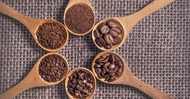
Understanding grind size, extraction, and variables
Grind size controls how fast water extracts soluble flavors. Finer grinds extract faster. Coarser grinds extract slower. Other key variables are dose, water temperature, brew time, and agitation. Burr type and grinder burr wear also matter. Use these simple rules:
- If coffee tastes sour, extraction is underdone. Make grind finer or brew longer.
- If coffee tastes bitter or harsh, extraction is overdone. Make grind coarser or shorten brew time.
PAA-style question: What is the ideal grind range for different brews?
Short answer: Espresso needs very fine grind, pour-over medium-fine, French press coarse, and cold brew extra coarse. Exact settings vary by grinder, roast, and recipe.
PAA-style question: How often should you recalibrate a grinder?
Short answer: Recalibrate whenever you change beans, roast level, dose, water, or notice flavor drift. Also check after cleaning or burr replacement.

Step-by-step calibration workflow (universal)
Follow these simple steps to calibrate coffee grinder for different brew methods.
- Clean and check
- Clean hopper and burrs. Remove old grounds. Check burrs for wear.
- Start with a reference recipe
- Use a known recipe for that method. Note dose, water temp, and brew time.
- Set a starting grind
- Pick a mid-range grind for that method. For pour-over start medium-fine. For French press start coarse.
- Brew and taste
- Brew one shot or cup. Taste for bitterness, sourness, and body.
- Adjust by small steps
- Change grind in tiny steps. For stepless grinders, move 1–2 clicks. For stepped grinders, move one notch.
- Repeat and record
- Brew again. Note the setting that tastes best. Write down setting and dose.
Practical tip from my experience: Make only one change at a time. If you change grind and dose together, you won’t know which fixed the issue.

Calibrating for specific brew methods
Below are clear targets and tactics to calibrate coffee grinder for different brew methods. Use them as starting points, then fine-tune.
Espresso
Target grind: Very fine. Shots pull in 20–30 seconds for typical 18–20 g dose and 30–40 g yield.
Signs and corrections:
- Slow, bitter shots: coarsen grind a click or one step.
- Fast, thin, sour shots: fine tune finer by a click.
Personal note: In a busy cafe I found that changing beans required 2–4 clicks adjustment. Log settings per bean.
Pour-over (V60, Kalita, Chemex)
Target grind: Medium to medium-fine. Brew times 2.5–4 minutes depending on method.
Signs and corrections:
- Fast run-off and weak cup: make grind finer by small steps.
- Slow puddle and bitter cup: coarsen grind slightly.
Practical tip: Hold pour symmetry and use a timer. Calibrate grind to match the recipe’s brew time.
French press
Target grind: Coarse. Steep 4–6 minutes.
Signs and corrections:
- Gritty, over-extracted taste: coarsen grind.
- Thin, under-extracted taste: make grind slightly finer or extend steep time.
I once used a too-fine grind for press and got silty cups. Swapping to a burr coarser setting fixed it instantly.
AeroPress
Target grind: Depends on recipe. For espresso-style short cups use fine. For longer brews use medium.
Signs and corrections:
- Fast plunge and sour notes: grind finer or reduce water contact.
- Slow plunge and bitterness: coarsen a touch or shorten immersion.
Cold brew
Target grind: Extra coarse. Long steep 12–24 hours.
Signs and corrections:
- Weak brew: use finer coarse grind or increase steep time.
- Over-extracted or peppery notes: make grind coarser or cut steep time.
Moka pot
Target grind: Fine, but not espresso-fine. Aim slightly coarser than espresso.
Signs and corrections:
- Slow brew and bitter: coarsen grind.
- Fast spray and watery: fine tune grind finer.
When adjusting any method, the goal is stable extraction. Record the grind setting, dose, and time for each bean and method. That record is your best calibration tool.

Common mistakes and troubleshooting
Here are frequent errors and how to avoid them.
- Changing multiple variables at once
- Only change grind or dose at a time.
- Assuming one setting fits all beans
- Lighter roasts often need finer grind than dark roasts.
- Ignoring grinder maintenance
- Dirty burrs change flow and flavor. Clean regularly.
- Using stepped grinders as a crutch
- Stepped grinders can skip the ideal. Learn how to compensate with dose or time.
Personal lesson: Early on I blamed beans for bad shots. The real problem was dull burrs. Replace burrs on schedule.
- Stepped grinders can skip the ideal. Learn how to compensate with dose or time.
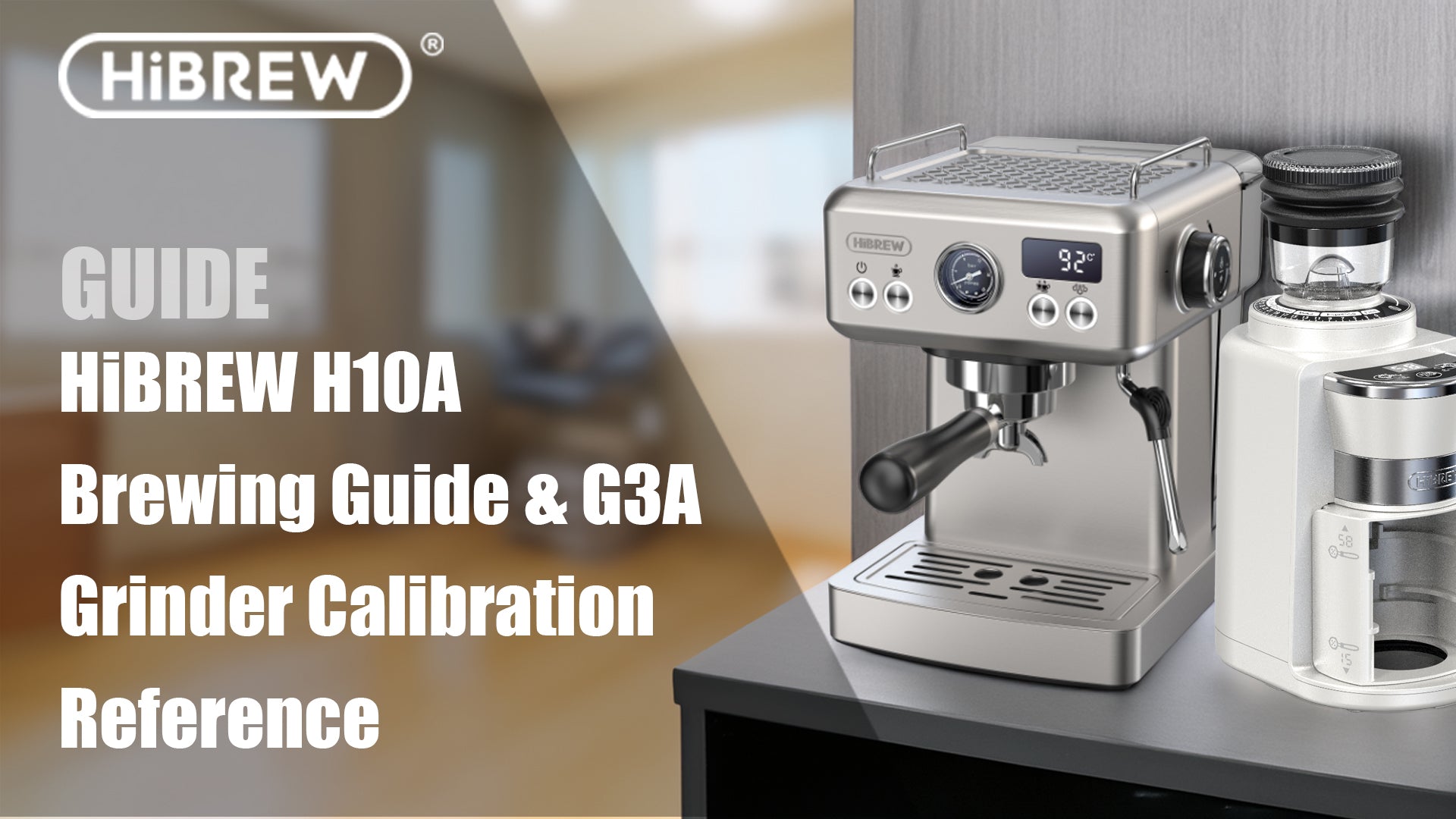
Tools and gear to make calibration easier
Good tools speed up dialing in. Consider these items.
- Scale with 0.1 g accuracy for dose and yield.
- Timer to track brew and shot times.
- Flow-control kettle for pour-over repeatability.
- Refractometer to measure extraction if you want data-driven dialing.
- Grinder with precise adjustments and quality burrs.
I use a simple scale and timer every day. For home use, a scale and notes beat guesses.

Frequently Asked Questions of how to calibrate coffee grinder for different brew methods
How often should I recalibrate my grinder?
Recalibrate whenever you change beans, roast, dose, or water. Also recalibrate after cleaning or burr replacement.
How many clicks should I change at a time?
Change one or two clicks on stepless grinders, or one step on stepped grinders. Small moves give clearer results.
Can the same grinder work for espresso and French press?
Yes, but you must readjust settings for each method. High-quality grinders with wide ranges perform best.
What if my coffee tastes flat after adjustment?
Flat taste usually means under-extraction or stale beans. Try a finer grind, fresher beans, or higher water temp.
Do I need a refractometer to calibrate properly?
No. A refractometer helps quantify extraction, but good tasting and consistent timing work well for most home brewers.
Conclusion
Calibrating your grinder is the most effective way to improve coffee across brew methods. Start with a clean grinder, use a reference recipe, change grind in small steps, and record what works. Be patient and taste often. Try these steps with your next brew and note the difference. Share your results or questions in the comments and subscribe for more practical coffee tips.

Liora Pennings is a seasoned chef and kitchen enthusiast with a passion for turning everyday cooking into an effortless experience. With years of hands-on culinary expertise, she specializes in practical techniques, ingredient know-how, and smart kitchen solutions that help home cooks elevate their meals. At KitchFlair.com, Liora shares her best tips, time-saving tricks, and honest product reviews to guide readers toward a more efficient, enjoyable, and inspired cooking routine. Whether you’re a beginner or a seasoned home chef, Liora’s friendly, knowledge-packed insights make every visit to the kitchen a little easier—and a lot more delicious.