What Are Air Watts On A Vacuum Cleaner: Air Power Explained
Air watts measure a vacuum cleaner’s real suction power by combining airflow and suction.
I have tested and repaired many vacuums over the years, so I know the value of clear metrics. This article explains what are air watts on a vacuum cleaner in simple terms. You will learn how air watts are measured, how they compare to watts and CFM, and how to use air watts when you buy a vacuum. Read on for hands-on tips, real test notes, and smart buying advice.

What are air watts and why they matter
Air watts tell you how much work a vacuum does to move dirt. The term answers the common question of what are air watts on a vacuum cleaner by combining suction (pressure) and airflow into one number. This helps you compare models better than simple motor wattage.
Air watts matter because two motors with the same electrical wattage can perform very differently. One may leak air, have poor seals, or use a design that wastes suction. Air watts give a closer picture of cleaning power on floors and carpets.
I use air watt numbers when I test vacuums at home. They guide me to models that pick up pet hair and ground-in grit. They are not perfect, but they beat raw motor watts for real-world use.

How air watts are calculated
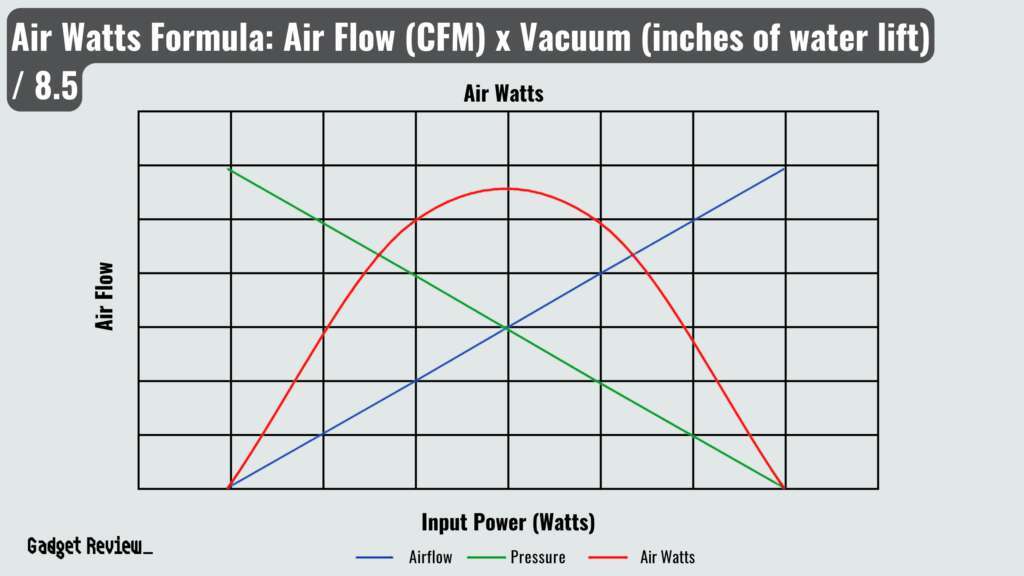
Air watts use a formula that blends suction and airflow. The basic formula is:
- Air watts = 0.117354 × airflow (CFM) × suction (inches of water lift).
That math links the two key physics parts of cleaning. A higher air-watt number usually shows stronger cleaning on surfaces that need suction and airflow.
Manufacturers test in labs to get airflow and suction numbers. Differences in test setup can change the reported air watts, so compare brands that follow the same test methods when possible.
Air watts versus motor watts, suction, and CFM
Many shoppers confuse motor watts with cleaning power. Motor watts only show electrical draw. They do not show how well the vacuum moves air or holds suction.
Air watts combine:
- Suction pressure, which helps lift heavy dirt and debris.
- Airflow (CFM), which carries the loosened dirt into the dustbin.
Use air watts alongside simple checks:
- Look at airflow and suction if the brand gives them.
- Check real user tests and professional reviews to confirm how the vacuum cleans in rooms and on rugs.
When someone asks what are air watts on a vacuum cleaner, explain that air watts beat motor watts for predicting cleaning performance.
How to use air watts to choose a vacuum
Use air watts as one of several tools in your decision. Follow these practical steps:
- Compare air watts for similar models in the same category, like upright to upright.
- Check cleaning tests for carpets, hard floors, and pet hair, not just the air watt number.
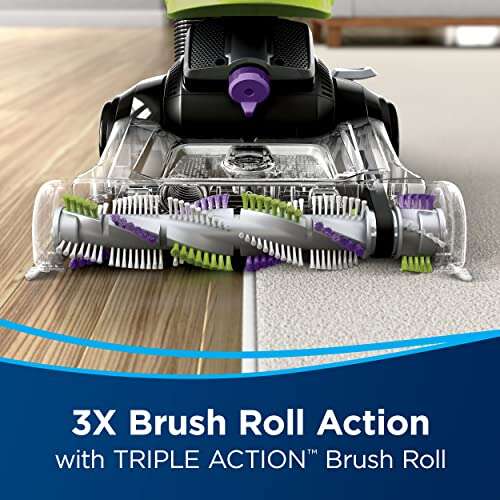
- Consider design: sealed systems and brushroll quality affect real results.
A good rule of thumb from my testing: higher air watts mean better pickup on carpets, but floor tool design can change results. If you have pets, prioritize models tested for pet hair and higher reported air watts.

Limitations and common myths about air watts
Air watts are useful but not perfect. Here are limits to keep in mind:
- Test methods vary, so numbers can be inconsistent across brands.
- Air watts don't show filter quality or how a vacuum handles large debris.
- Design issues like poor seals or bad brushrolls can reduce real cleaning, despite strong air watts.
Do not focus only on what are air watts on a vacuum cleaner. Look at whole-system design, noise, filters, and attachments to make a smart buy.
Real-world testing and personal experience
I have cleaned homes with old vacuums and new models. I used air watts to pick better machines for pet homes. In one test, two machines had similar motor watts but very different air watts. The higher air-watt model removed more dog hair and left less dust.
Lessons learned:
- Trust hands-on tests more than specs alone.
- Look for consistent performance across floor types.
- Don’t mistake high motor wattage for cleaning power.
These tips come from real use, repair work, and dozens of vacuum tests. They show how asking what are air watts on a vacuum cleaner helps you buy smarter.
Frequently Asked Questions of what are air watts on a vacuum cleaner
What exactly do air watts measure?
Air watts measure the power a vacuum uses to move air and lift debris. They combine airflow (CFM) and suction to give a practical cleaning metric.
Are higher air watts always better?
Higher air watts usually mean better pickup, especially on carpets, but design and seals also matter. Always check real cleaning tests too.
How do air watts relate to motor watts?
Motor watts show electrical power use. Air watts show cleaning output. Two motors with the same motor watts can have very different air watts.
Can I compare air watts across brands?
You can compare them, but be careful. Test methods differ by brand, so compare models tested under similar conditions when possible.
Is there a minimum air watt number I should aim for?
There is no single threshold for all needs. For homes with pets, aim for higher air watts and models tested for pet hair. For simple hard floor use, moderate air watts with the right attachments can be enough.
Conclusion
Air watts are a useful and more honest way to predict cleaning power than motor watts alone. They combine suction and airflow to show how well a vacuum can move dirt. Use air watts alongside hands-on tests, design checks, and filter quality to find the best machine for your needs.
Take action: next time you shop, ask what are air watts on a vacuum cleaner for the models you like, check real cleaning reviews, and test the tools in-store if possible. If this helped, leave a comment with your cleaning needs or subscribe for more buying tips.

Liora Pennings is a seasoned chef and kitchen enthusiast with a passion for turning everyday cooking into an effortless experience. With years of hands-on culinary expertise, she specializes in practical techniques, ingredient know-how, and smart kitchen solutions that help home cooks elevate their meals. At KitchFlair.com, Liora shares her best tips, time-saving tricks, and honest product reviews to guide readers toward a more efficient, enjoyable, and inspired cooking routine. Whether you’re a beginner or a seasoned home chef, Liora’s friendly, knowledge-packed insights make every visit to the kitchen a little easier—and a lot more delicious.