What is a Double Dutch Oven: Ultimate Cooking Guide
Hey there, fellow home cook! 👋
If you’re like me, you probably love discovering kitchen tools that make cooking easier and more fun. Well, let’s talk about one that might just change your entire cooking game — the Double Dutch Oven.
This incredible piece of cookware doesn’t just simmer stews or bake bread. It does double duty. Imagine having a pot and a skillet in one smart design. Sounds handy, right?
In this guide, I’ll explain what a Double Dutch Oven is, how it works, what makes it special, and why I can’t imagine cooking without mine anymore. I’ll share a few personal moments too — the first loaf I baked in mine, the first stew I made — because I want you to see how this cookware fits into real life.
Let’s dive in!
🥘 What Exactly Is a Double Dutch Oven?
A Double Dutch Oven is a special kind of cast iron 2-in-1 cookware. Think of it as a traditional Dutch oven — the heavy pot known for slow cooking and baking — but smarter.
The trick? Its lid doubles as a skillet.
So, you’re not just getting one pot — you’re getting two. The bottom part works like a deep, round casserole dish that’s perfect for soups, stews, or bread. The lid, on the other hand, has a flat or slightly curved surface with handles. Flip it over, and you’ve got a skillet for frying eggs, searing steaks, or toasting sandwiches.
When I first saw this design, I remember thinking, “Wait… the lid is a pan?” But once I used it, it clicked. It’s the kitchen equivalent of getting two tools in one box.

Credit: unocasa.com
🔧 Design and Build: Why It’s So Clever
Let’s talk materials and design — because that’s where a Double Dutch Oven really shines.
Most models are made of cast iron, and some are enameled cast iron (which means they’re coated with smooth, colorful enamel for easier cleanup). Both types are tough, long-lasting, and amazing at holding heat evenly.
🔹 Key Design Features
-
Heavy Base: Thick walls help distribute heat evenly.
-
Dual-Use Lid: The top isn’t just a lid — it’s a skillet you can use separately.
-
Loop Handles: Both lid and base have sturdy handles for oven use.
-
All-Surface Friendly: Works on gas, electric, induction, oven, grill, or even campfire.
When I first bought mine — a 5-quart cast iron model from a well-known American brand — I noticed how solid it felt. You can tell when a piece of cookware will last decades, not just a few years.
The weight also gives you confidence. You know it will hold steady heat, whether you’re baking bread or roasting chicken.
💡 Why Choose a Double Dutch Oven Over a Regular One?
You might be asking, “What’s the big deal? Isn’t this just a Dutch oven with a fancy lid?”
Good question — but there’s more to it.
1. Versatility
The lid-as-skillet feature is a game changer. You can brown meat in the lid while simmering soup in the base — all at the same time.
2. Space Saving
If your kitchen is like mine (tiny apartment vibes 🙋♂️), every inch of space matters. One pot that serves as two tools saves a ton of space.
3. Efficiency
No need to heat multiple pans. Heat transfers evenly between the base and the lid. You save energy, time, and effort.
4. Even Cooking
Because it’s cast iron, heat spreads uniformly. No hot spots. No half-burned sides.
5. Durability
A good Double Dutch Oven lasts forever — literally. Many families pass them down through generations.
When I bought mine, I thought of it as an investment, not just another pot. It replaced my old roasting pan, my skillet, and even my bread baker.

Credit: www.thekitchn.com
🍞 Cooking Techniques You’ll Love
So, what can you actually do with it? Pretty much everything.
Let’s go through some cooking techniques that highlight its magic.
🍞 1. Baking Bread
If you’ve ever wondered how bakers get that perfect golden crust and chewy center — it’s steam. And a Double Dutch Oven traps steam like a pro.
Here’s what I do:
-
Preheat the base and lid in the oven at 450°F (230°C).
-
Drop in my dough, score it, and cover it with the skillet lid.
-
Bake for about 40 minutes.
The result? A crisp crust with a tender crumb — just like bakery bread.
When I baked my first loaf, I remember pulling off the lid and gasping — the loaf looked professional! That’s when I fell in love with this pot.
🍗 2. Roasting & Braising
The heavy lid locks in moisture, which makes it ideal for roasting meat or braising vegetables.
Try this:
-
Sear chicken thighs in the lid (using it as a skillet).
-
Add broth, onions, and herbs to the base.
-
Combine them, cover, and roast at 375°F for an hour.
The meat turns fall-apart tender, and the sauce thickens beautifully.
🥘 3. Stovetop-to-Oven Cooking
Here’s where double Dutch oven benefits really shine.
You can start on the stovetop — say, by sautéing onions or browning beef — and then pop the entire pot into the oven without switching pans.
That seamless transition means fewer dishes and better flavor since you’re not losing those tasty brown bits.
I often make chili this way: sauté in the lid, simmer in the pot, then bake it slowly. It’s cooking efficiency at its best.
🔥 4. Outdoor or Campfire Cooking
Because cast iron handles direct heat, you can use it on grills or campfires. Imagine camping and cooking stew in the pot while flipping burgers on the lid-skillet — total win!
If you’re into outdoor cooking, this tool might be your best friend.
🥣 Recipes That Shine in a Double Dutch Oven
You can make almost anything, but here are my top favorites:
-
Sourdough Bread: Crusty, airy, golden perfection.
-
Hearty Beef Stew: Tender meat, rich broth, and soft veggies.
-
Sunday Roast Chicken: Juicy on the inside, crispy on top.
-
Mac and Cheese Bake: Bubbly, cheesy goodness that browns evenly.
-
Vegetarian Chili: Deep flavors, zero effort.
Once, I made an entire brunch in my Double Dutch Oven — frittata in the pot, sautéed potatoes in the lid. My guests thought I used three pans. Nope. Just one genius piece of cookware.
🧽 Care and Maintenance: Keep It Forever
Your Double Dutch Oven can last generations — but only if you care for it.
🧼 Cleaning Tips
-
Cool Before Washing: Don’t shock hot cast iron with cold water.
-
Use Warm Water & Soft Sponge: Skip harsh scrubbers or soap (for bare cast iron).
-
For Enameled Models: Gentle soap is fine.
-
Dry Immediately: Prevents rust.
-
Oil Lightly: A tiny bit of oil keeps the surface smooth and seasoned.
🌟 Seasoning Bare Cast Iron
If your model isn’t enameled, you’ll need to “season” it once in a while:
-
Rub a thin coat of oil inside and out.
-
Place it upside-down in an oven at 350°F (175°C).
-
Bake for one hour.
-
Let it cool before storing.
It sounds technical, but it’s easy. Think of it as giving your cookware a spa treatment.
🏠 Storage
Store it dry, and if stacking, place a paper towel between the pot and lid to prevent scratches. I leave my lid slightly ajar to avoid moisture buildup.
I’ve used mine for over two years, and with this simple care, it still looks brand new.
🛒 Choosing the Right Double Dutch Oven
Not all Double Dutch Ovens are created equal. Let’s go over how to choose the one that’s right for you.
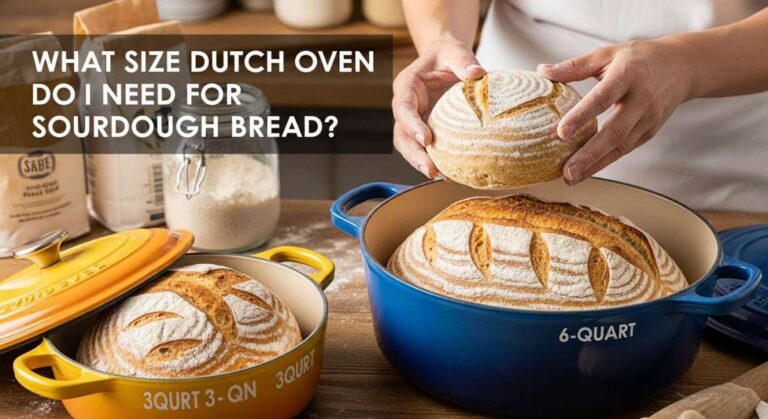
1. Size Matters
A 5- or 6-quart model is perfect for families of 4-6. If you cook big meals or batch recipes, go up to 7 quarts.
2. Material Choices
-
Bare Cast Iron: Great heat retention, needs seasoning.
-
Enameled Cast Iron: Easy to clean, no seasoning needed, comes in colors.
-
Hybrid Designs: Some brands mix cast iron with enamel interiors for the best of both worlds.
3. Brand Reputation
Reputable brands like Lodge, Le Creuset, and Staub make excellent Double Dutch Ovens. Lodge, in particular, is known for its budget-friendly yet long-lasting cast iron cookware.
In fact, Food & Wine magazine called the Lodge Double Dutch Oven “the best value for home cooks who want durability and versatility.”