
How To Make Indian Filter Coffee: Easy Guide
Make Indian filter coffee by brewing strong coffee decoction, then mixing it with hot milk and sugar.
Indian filter coffee is known for its rich aroma, bold taste, and smooth, creamy finish. The secret is not fancy equipment. It is the slow drip of finely ground coffee through a traditional metal filter, followed by hot milk and a little sugar. This guide explains how to make Indian filter coffee at home, how to choose the right coffee, and how to fix common brewing mistakes.
What Is Indian Filter Coffee?
Indian filter coffee, also called South Indian filter coffee, is a strong milk coffee made with a metal coffee filter. The filter has two chambers. The top chamber holds ground coffee and hot water, while the lower chamber collects the dark coffee decoction.
Unlike instant coffee, this method extracts flavor slowly. The result is thicker, deeper, and more fragrant. Many traditional blends use Arabica or Robusta coffee with chicory. Chicory adds body, a slight earthy note, and a longer finish.
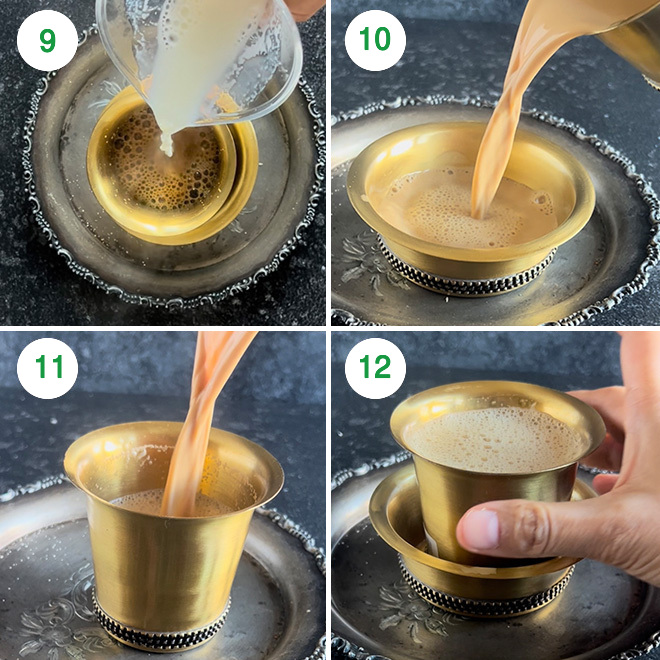
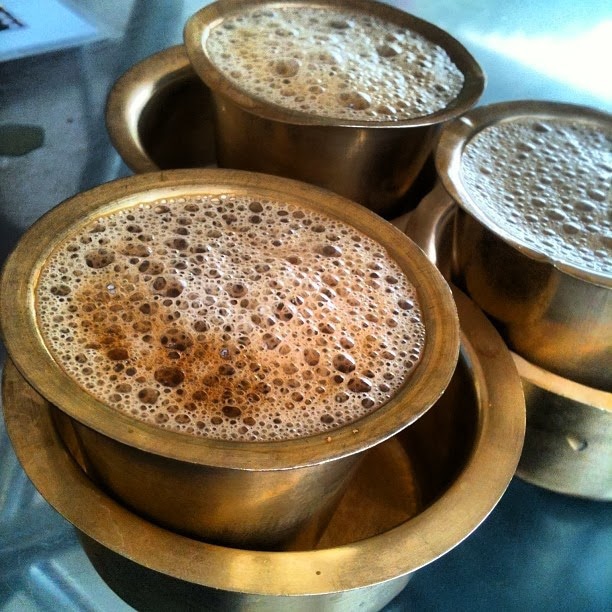
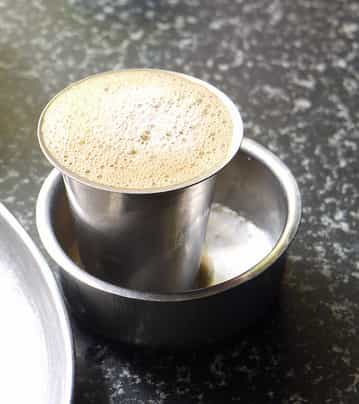
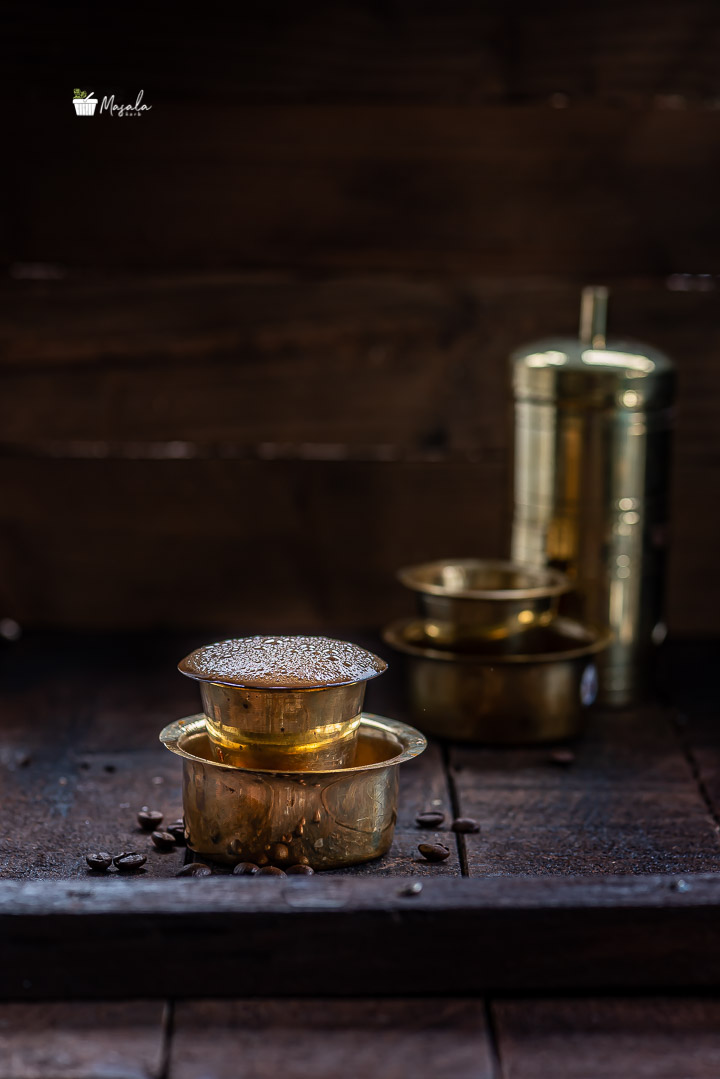
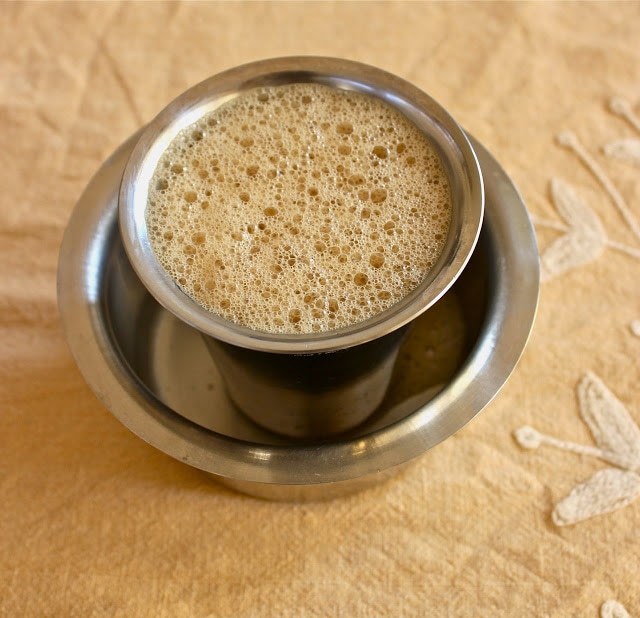
Indian filter coffee is often served in a stainless steel tumbler and a wide bowl called a davara. The coffee is poured back and forth between them to cool it slightly and create a light layer of froth.

Ingredients for Indian Filter Coffee
You need only a few ingredients to make Indian filter coffee. Still, each one affects the final taste.
Basic ingredients
For two small servings, use:
• 3 tablespoons finely ground coffee made for a South Indian filter
• 1 cup hot water
• 1 cup whole milk
• 2 to 4 teaspoons sugar, based on taste
This amount makes a strong coffee base. You can add more milk if you prefer a lighter drink.
Choosing the right coffee
Use coffee labeled for Indian filter coffee or coffee suitable for a South Indian metal filter. A medium-dark roast works well because it stays bold after mixing with milk.
A blend of coffee and chicory is traditional. Common blends may contain 70% to 80% coffee and 20% to 30% chicory, but the exact ratio varies. More chicory usually gives a heavier body and stronger bitterness.
Freshly ground coffee is best. If you buy pre-ground coffee, choose a fine grind. It should be finer than French press coffee but slightly coarser than espresso powder.
Why milk matters
Whole milk creates the richest Indian filter coffee. Its fat softens the sharp edges of the coffee and gives the drink a creamy texture.
You can use low-fat milk, but the coffee may taste thinner. Plant-based milk can also work, though oat milk usually gives better body than almond milk. Heat plant-based milk gently because some types can separate.
How to Make Indian Filter Coffee Step by Step
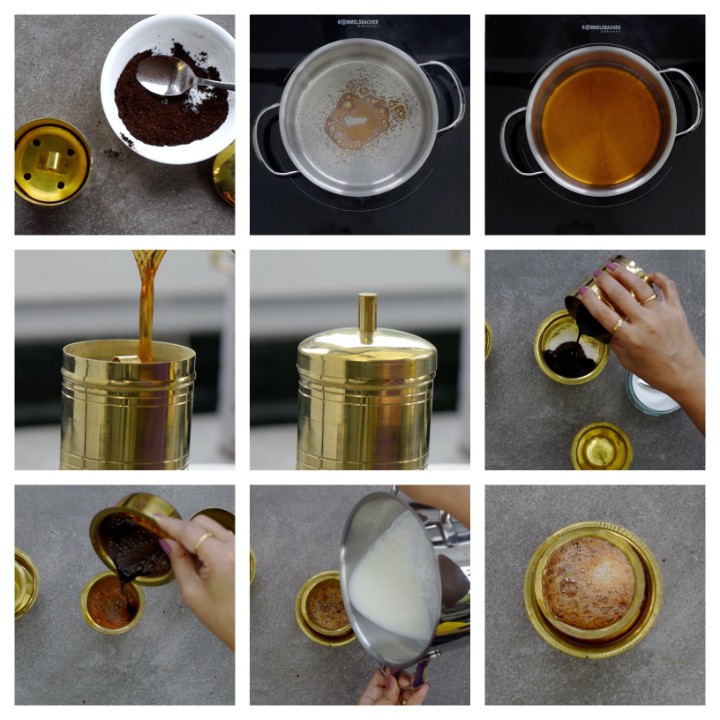
Learning how to make Indian filter coffee is easy once you understand the brewing order. The most important steps are packing the coffee evenly, using hot water, and allowing enough time for the decoction to drip.
1. Warm the coffee filter
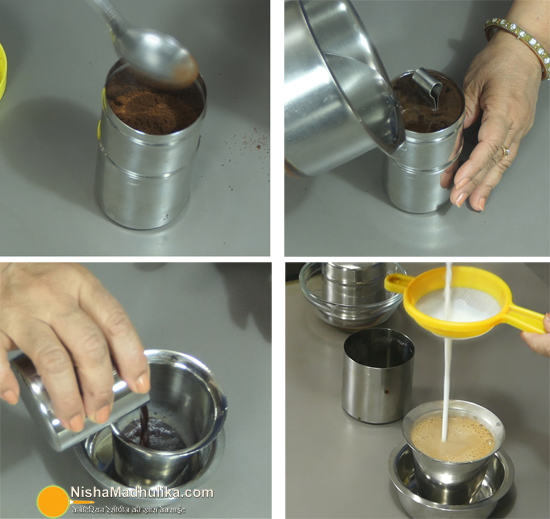
Rinse the metal filter with hot water. This warms the metal and removes any stale coffee oils from the previous brew.
Place the filter on a small plate or bowl. Make sure the lower chamber is clean and dry before you begin.
2. Add the ground coffee
put 3 tablespoons of finely ground coffee into the upper chamber. Spread it evenly with a spoon.
Do not press the coffee down firmly. A light, even surface allows the water to pass through at a steady pace. Pressing too hard can block the filter and produce a bitter decoction.
3. Place the press
Set the small perforated press on top of the coffee grounds. It should rest gently on the surface.
The press keeps the grounds under water during brewing. It also helps the water spread across the coffee instead of running through one small channel.
4. Add hot water
Heat 1 cup of water until it is very hot but not violently boiling. Pour it into the top chamber.
A temperature near 195°F to 205°F works well for coffee extraction. If you do not have a thermometer, bring the water to a boil and let it sit for about 30 seconds before pouring.
Pour slowly. Avoid filling beyond the chamber’s capacity.
5. Let the decoction drip
Close the filter with its lid and leave it undisturbed for 10 to 15 minutes. The coffee will slowly drip into the lower chamber.
The first portion is usually dark and strong. The later drops are lighter, so allow the full brew to finish for a balanced flavor.
Do not shake the filter while it drips. Moving it can push fine grounds through the holes and make the coffee cloudy or gritty.
6. Heat the milk
While the decoction brews, heat 1 cup of milk in a saucepan. Bring it close to a boil, but watch it carefully so it does not scorch or overflow.
For a traditional taste, use hot whole milk. Add sugar to the milk while it heats, or add it directly to the serving cup.
7. Mix the coffee and milk
Add 2 to 3 tablespoons of strong decoction to each cup. Pour in the hot milk and stir.
For a stronger cup, use more decoction. For a smoother and milder cup, add more milk. A starting ratio of 1 part decoction to 3 or 4 parts milk works well.
8. Create the traditional froth
Pour the coffee between the tumbler and davara two or three times. Keep the cups close together at first to avoid splashing.
This action cools the coffee slightly, blends the milk and decoction, and creates a thin foam. You can also use two heat-safe cups if you do not own a traditional davara set.
The Best Coffee-to-Water Ratio
The coffee-to-water ratio controls the strength of the decoction. For most home brewers, 3 tablespoons of coffee to 1 cup of water is a reliable starting point.
Use these general ratios:
• Strong decoction: 4 tablespoons coffee to 1 cup water
• Medium decoction: 3 tablespoons coffee to 1 cup water
• Light decoction: 2 tablespoons coffee to 1 cup water
The final drink also depends on the milk ratio. A strong decoction can handle more milk. A weak decoction may disappear when mixed with hot milk.
When learning how to make Indian filter coffee, change only one variable at a time. Adjust the coffee amount first, then the milk, and finally the sugar. This makes it easier to find your preferred balance.

How to Get a Strong, Smooth Decoction
A good decoction should be dark, fragrant, and clean. It should not taste burnt, watery, or overly bitter.
Use these practical tips:
• Use fresh coffee stored in an airtight container.
• Grind the beans shortly before brewing when possible.
• Use filtered water if your tap water has a strong taste.
• Keep the coffee bed level in the upper chamber.
• Do not press the grounds tightly.
• Use water that is hot but not aggressively boiling.
• Let the filter drip without moving it.
• Brew a second, weaker decoction only if you need more liquid.
In my kitchen tests, the most common mistake is over-packing the upper chamber. It seems logical that more pressure will make stronger coffee, but it often stops the drip. The result is an uneven brew with a bitter top layer and weak coffee underneath.
Another useful lesson is to avoid storing brewed decoction for too long. It tastes best soon after brewing. If you must save it, refrigerate it in a sealed container and use it within a day.
How to Adjust Indian Filter Coffee to Your Taste
Indian filter coffee is flexible. You can change the strength, sweetness, and milk level without changing the basic method.
For stronger coffee
Add more decoction rather than adding extra coffee grounds after brewing. This gives you more control and avoids an uneven extraction.
You can also use a darker roast or a blend with more Robusta. Robusta usually provides more body and a stronger roasted taste.
For milder coffee
Use more hot milk and less decoction. You can also brew the coffee with slightly more water, but too much water may make the decoction thin.
For less bitterness
Try a lighter roast, use less chicory, or reduce the brewing time slightly. Bitterness can also come from water that is too hot, coffee that is packed too tightly, or grounds that are too fine.
For less sweetness
Start with 1 teaspoon of sugar per serving. Traditional Indian filter coffee is often sweet, but you can reduce the amount without affecting the brewing process.
For a vegan version
Use oat milk or soy milk. Heat it gently and choose a coffee blend without any added dairy ingredients. The taste will differ from classic Indian filter coffee, but the brewing method stays the same.
Common Mistakes to Avoid
Knowing what not to do can improve your coffee quickly. These problems are easy to fix.
Using instant coffee
Instant coffee dissolves in water, but it does not create the same deep decoction. It can make a convenient drink, yet it will not have the texture or aroma of traditional Indian filter coffee.
Using the wrong grind
Very coarse coffee allows water to pass too fast. The decoction becomes weak. Powder-fine coffee can clog the filter and create muddy, bitter coffee.
Adding boiling milk too aggressively
Milk that boils for a long time can develop a cooked taste. Heat it until steaming and very hot, then remove it from the stove.
Skipping the resting time
The coffee needs time to drip. Opening the filter too soon or stirring the grounds can disturb the extraction.
Using old coffee
Coffee loses aroma after exposure to air, heat, light, and moisture. Keep it in an airtight container in a cool, dark cupboard. Avoid storing it in the refrigerator, where moisture and food odors can affect the grounds.
Making too much decoction
Fresh decoction has the best aroma. Brew only what you plan to drink, especially if you want a bright and clean flavor.
Indian Filter Coffee Without a Traditional Filter
You can make a similar drink without a metal South Indian filter, although the texture may change.
Using a French press
Add finely ground coffee to a French press and steep it with hot water for about four minutes. Press slowly, then mix the coffee with hot milk and sugar.
Using an AeroPress
An AeroPress can create a concentrated coffee base. Use a fine to medium-fine grind, a short brew time, and less water than usual. The result will be clean and strong, though it will not have the same slow-drip character.
Using a pour-over brewer
A pour-over method can work with a fine grind and a slow pour. The coffee may taste brighter and lighter because pour-over brewers usually produce a cleaner cup.
These methods are useful when you travel or do not have access to a traditional filter. Still, the classic metal filter remains the best choice for an authentic result.
How to Serve Indian Filter Coffee
Traditionally, Indian filter coffee is served very hot in a stainless steel tumbler and davara. The wide bowl makes it easy to cool the drink and build foam.
Serve it with breakfast foods such as:
• Idli
• Dosa
• Vada
• Upma
• Pongal
• Medu vada
The coffee’s roasted bitterness works well with savory foods. In many South Indian homes, coffee is more than a drink. It is part of the morning rhythm, a welcome for guests, and a small pause during a busy day.
For safety, use heat-safe cups when pouring between vessels. Do not pour boiling liquid from a great height. A small amount of foam is enough.
Health and Caffeine Considerations
Coffee can fit into a balanced diet, but caffeine affects people in different ways. A strong serving of Indian filter coffee may contain more caffeine than a mild milk coffee because the decoction is concentrated.
If caffeine makes you restless, drink a smaller serving or use more milk. Avoid drinking it late in the day if it affects your sleep.
People who are pregnant, sensitive to caffeine, or taking medicines that interact with caffeine should follow advice from a qualified health professional. Sugar also adds calories, so reduce it if you are monitoring added sugar.
The exact caffeine amount depends on the coffee variety, roast, serving size, and brewing method. For that reason, home-brewed Indian filter coffee does not have one fixed caffeine value.
Frequently Asked Questions
How long does Indian filter coffee take to brew?
The decoction usually takes 10 to 15 minutes to drip. Including milk preparation and serving, the full process often takes about 15 to 20 minutes.
What coffee powder is best for Indian filter coffee?
Use finely ground coffee made for a South Indian metal filter. A coffee and chicory blend is traditional, while 100% Arabica gives a softer and more aromatic cup.
Why is my filter coffee weak?
Weak coffee may result from too little coffee, a coarse grind, too much water, or too much milk. Try using 3 to 4 tablespoons of coffee per cup of water and reduce the milk slightly.
Why does my coffee taste bitter?
A bitter taste can come from over-packing the filter, using very dark or stale coffee, brewing with extremely hot water, or allowing the coffee to sit too long. Keep the coffee bed loose and use fresh grounds.
Can I make Indian filter coffee without chicory?
Yes. Chicory is traditional but not required. Coffee without chicory usually tastes brighter, lighter, and more clearly fruity or floral.
Can I store Indian coffee decoction?
You can refrigerate leftover decoction in a sealed container for up to one day. Fresh decoction has better aroma, so make only as much as you expect to use.
How much decoction should I use per cup?
Start with 2 to 3 tablespoons of decoction for each small cup. Add more if you prefer a stronger drink, or increase the milk for a gentler flavor.
Conclusion
Making Indian filter coffee at home comes down to four simple choices: fresh coffee, the right grind, a steady drip, and hot milk. Start with 3 tablespoons of coffee, 1 cup of hot water, and 1 cup of whole milk, then adjust the strength and sweetness to suit your taste.
Give the decoction time to brew, avoid pressing the grounds too tightly, and serve the coffee fresh. Once you learn how to make Indian filter coffee, you can fine-tune each cup like a barista in your own kitchen. Try the method today, then share your favorite coffee-to-milk ratio or explore more traditional Indian recipes.

Liora Pennings is a seasoned chef and kitchen enthusiast with a passion for turning everyday cooking into an effortless experience. With years of hands-on culinary expertise, she specializes in practical techniques, ingredient know-how, and smart kitchen solutions that help home cooks elevate their meals. At KitchFlair.com, Liora shares her best tips, time-saving tricks, and honest product reviews to guide readers toward a more efficient, enjoyable, and inspired cooking routine. Whether you’re a beginner or a seasoned home chef, Liora’s friendly, knowledge-packed insights make every visit to the kitchen a little easier—and a lot more delicious.