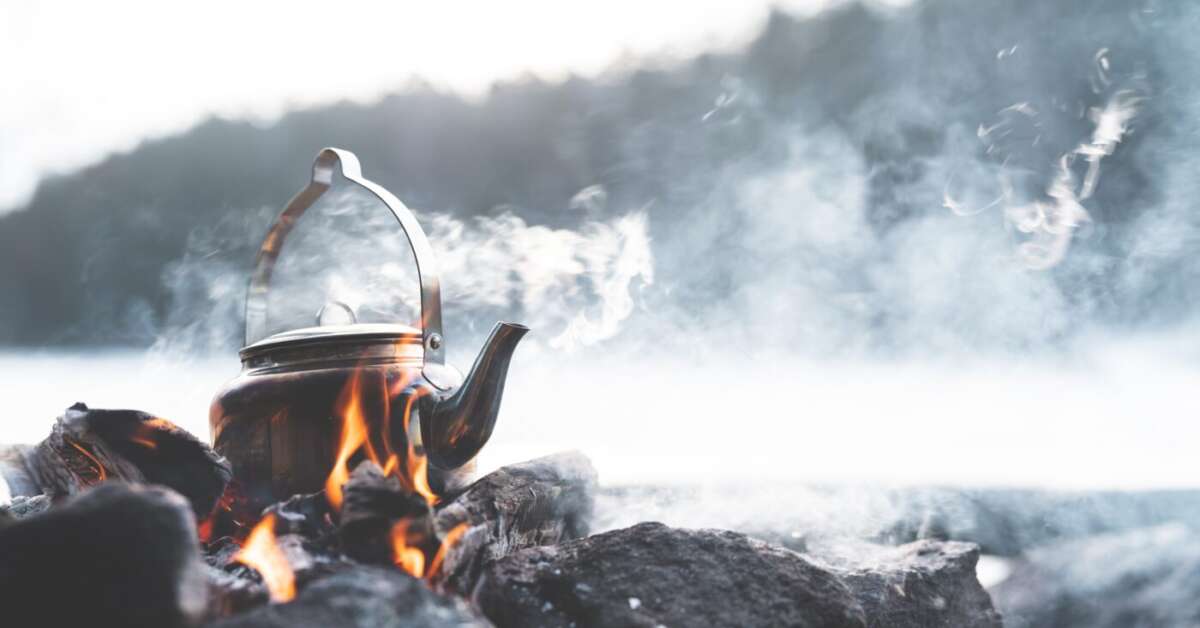
How To Make Coffee While Camping Without Equipment: Simple
Brew coffee without gear: boil grounds, strain through cloth, or cold-steep in a jar.
I’ve brewed camp coffee in rain, wind, and at dawn with nothing but a pot, a bandana, and curiosity. This guide shows practical, tested ways to make coffee while camping without equipment, explains the why behind each method, and gives simple steps, safety tips, and taste tricks so you can enjoy good coffee even when you forget the gear.
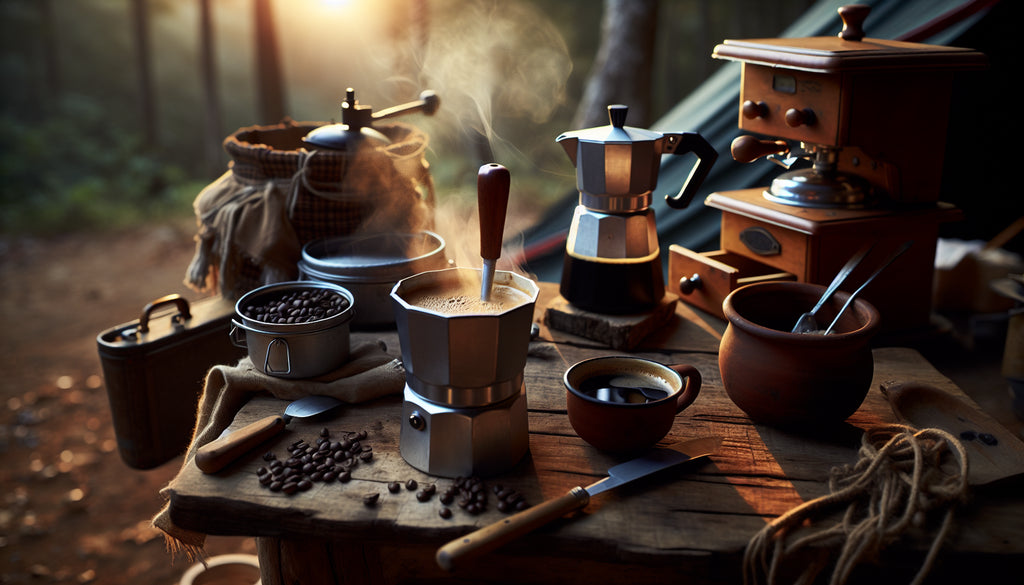
Why you should learn how to make coffee while camping without equipment
Learning how to make coffee while camping without equipment saves weight and stress. You stay flexible when plans change and when gear gets lost or wet. I’ve stood on a trail at 5 a.m., grateful I could still get my caffeine fix without a French press or filter.
src="https://www.homegrounds.co/wp-content/uploads/2019/09/photo-camping-coffee.webp"
alt="Basic principles: what coffee needs to brew”
style=”max-width: 100%; height: auto; border: 2px solid black; border-radius: 10px; display: block; margin: 0 auto;”
loading=”lazy”
/>
Basic principles: what coffee needs to brew
Coffee needs four things: heat, water, ground coffee, and a way to separate grounds from the cup. Heat extracts flavor from the grounds. Time controls strength. Separation keeps gritty bits out of your mug. Understanding these basics makes every improvised method work.
:max_bytes(150000):strip_icc()/faw-upcycle-i-refuse-to-settle-for-bad-coffee-while-traveling-these-yeti-and-aeropress-picks-make-it-easy-tout-5df30deac70d47f58c45a8bb9aa2bede.jpg)
Reliable methods to make coffee while camping without equipment
Below are clear, step-by-step methods that work in the wild. Pick the one that fits your supplies and comfort level. Each method includes pros, cons, and quick tips so you can adapt on the fly.
Cowboy coffee (boil-and-settle)
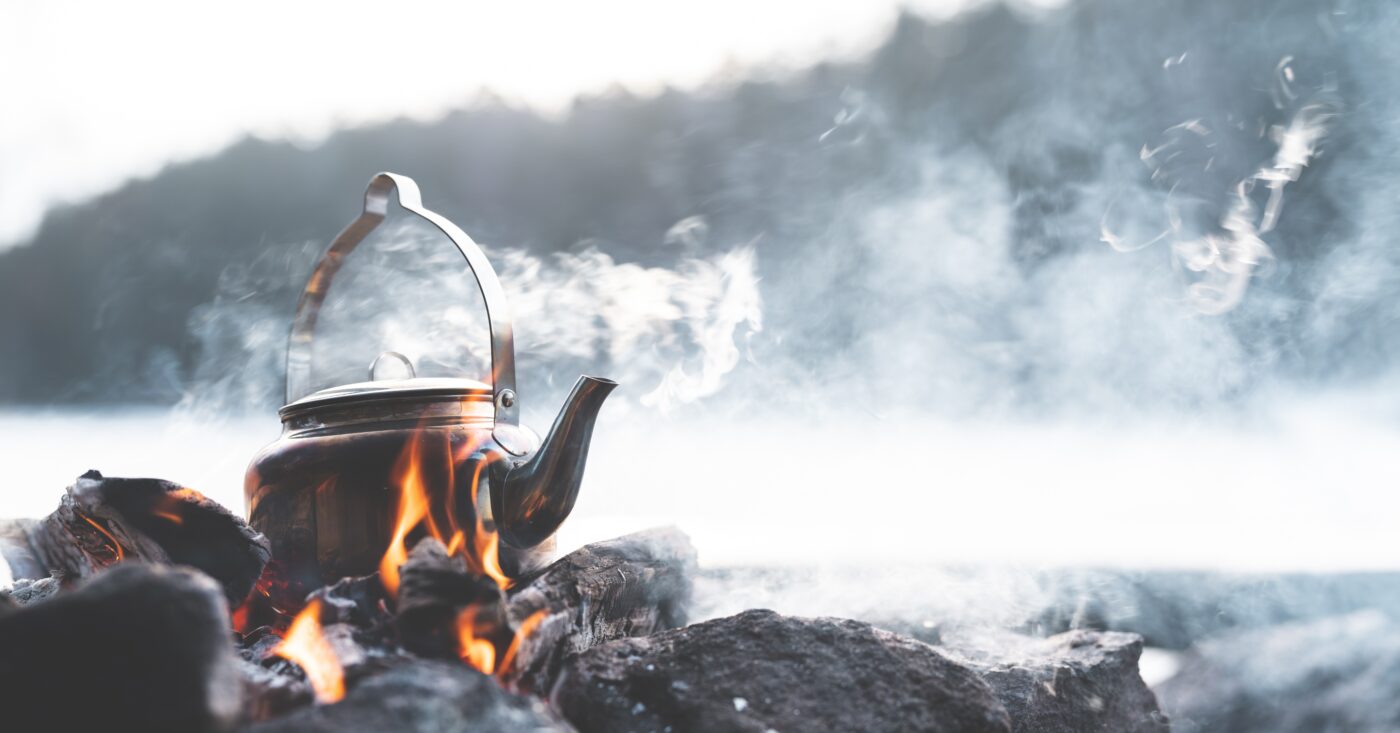
Cowboy coffee is fast and classic. It uses direct heat and no filter.
- Measure coffee: about 1 to 2 tablespoons of medium-coarse coffee per 8 ounces of water.
- Bring water to a boil in a pot or kettle.
- Remove from heat briefly, add grounds, stir, and let sit 3–4 minutes.
- Sprinkle a pinch of cold water to help grounds settle to the bottom.
- Pour slowly, leaving the last bit in the pot to avoid sludge.
Pros: Fast, simple, bold flavor.
Cons: Can be gritty if poured too quickly.
Tip: Use coarser grounds to reduce sediment.
Coffee in a sock or bandana (cloth-filter method)
A cloth works surprisingly well as a filter and is easy to pack.
- Put grounds into a clean bandana, sock, or cotton cloth.
- Tie or hold the cloth to make a small pouch.
- Pour hot water over the pouch into your cup or pot. Allow to steep 3–5 minutes.
- Lift the pouch and squeeze gently for extra strength.
Pros: Cleaner cup than cowboy coffee; reusable cloth.
Cons: Cloth can stain; needs rinsing.
Tip: Use coarse grounds to avoid too much sludge in the pouch.
Makeshift pour-over with paper or mesh
If you have paper (napkin, paper towel) and a cup rim, you can make a quick filter.
- Fold a paper towel into a cone and place over a cup.
- Add grounds and pour hot water slowly in circles.
- Let coffee drip into the cup.
Pros: Cleaner flavor.
Cons: Paper can tear; taste may pick up paper fibers.
Tip: Wet paper slightly first to seat it and reduce papery taste.
Cold steep (no heat option)
Cold steep works when you can wait several hours or overnight.
- Combine 1 part coffee to 4–6 parts cold water in a jar.
- Stir, cover, and let sit in a cool place 8–12 hours.
- Strain through cloth or pour carefully, leaving grounds behind.
Pros: Smooth, low-acid cup; no fire needed.
Cons: Requires planning and time.
Tip: Makes a concentrate you can dilute and keep chilled.
Hot-rock coffee (if no pot)
Use clean heated rocks to heat water in a container-free setup.
- Heat smooth, non-porous rocks directly in the fire until very hot.
- Place rocks into a hollow log or metal can with water and grounds.
- Let the water heat and extract flavor, then remove rocks.
Pros: Useful when cookware was left behind.
Cons: Harder to control temperature; risk of rock cracking.
Tip: Use river rocks that have been in water before and avoid rocks with visible fractures.
Jar-and-rock French-press trick
Use a jar and a heavy flat rock as a press.
- Add grounds to a wide-mouth jar with hot water (1:16 ratio).
- Steep 3–4 minutes, then press a clean flat rock down slowly to separate grounds.
- Pour gently.
Pros: Cleaner than cowboy coffee.
Cons: Hard to press evenly; rock must be clean and flat.
Tip: Wrap rock in cloth before pressing for extra filtration.
Tin-can percolator improvisation
Two nested cans can act like a crude percolator.
- Clean two cans, one slightly smaller to nest inside the other.
- Place grounds in the smaller one and water in the larger.
- Heat so steam pushes water up through grounds briefly, controlling heat.
Pros: Fun and old-school.
Cons: Hard to optimize; safety risk with sharp can edges.
Tip: File down edges or wrap rim before use.
Instant substitutes and boosters
If you have any instant coffee, use it. If not, boost weak brew with roasted cocoa, chicory, or cinnamon from your spice kit for flavor depth.
Pros: Reliable and simple.
Cons: Not the same as fresh-brewed coffee.
Tip: Carry single-serve instant as a tiny backup on future trips.
Water, grind size, ratios, and safety
Small tweaks make big flavor differences. Keep it safe.
- Ratios: Aim for about 1:15 to 1:17 coffee to water by weight (roughly 1 to 2 tablespoons per 8 ounces).
- Grind: Coarser grinds reduce sediment in improvised filters; fine grinds extract faster but make more grit.
- Temperature: Boiling water is okay but let it cool 30 seconds off the boil for best extraction.
- Safety: Always use clean water. Boil raw water for at least one minute (longer at altitude) to kill pathogens.
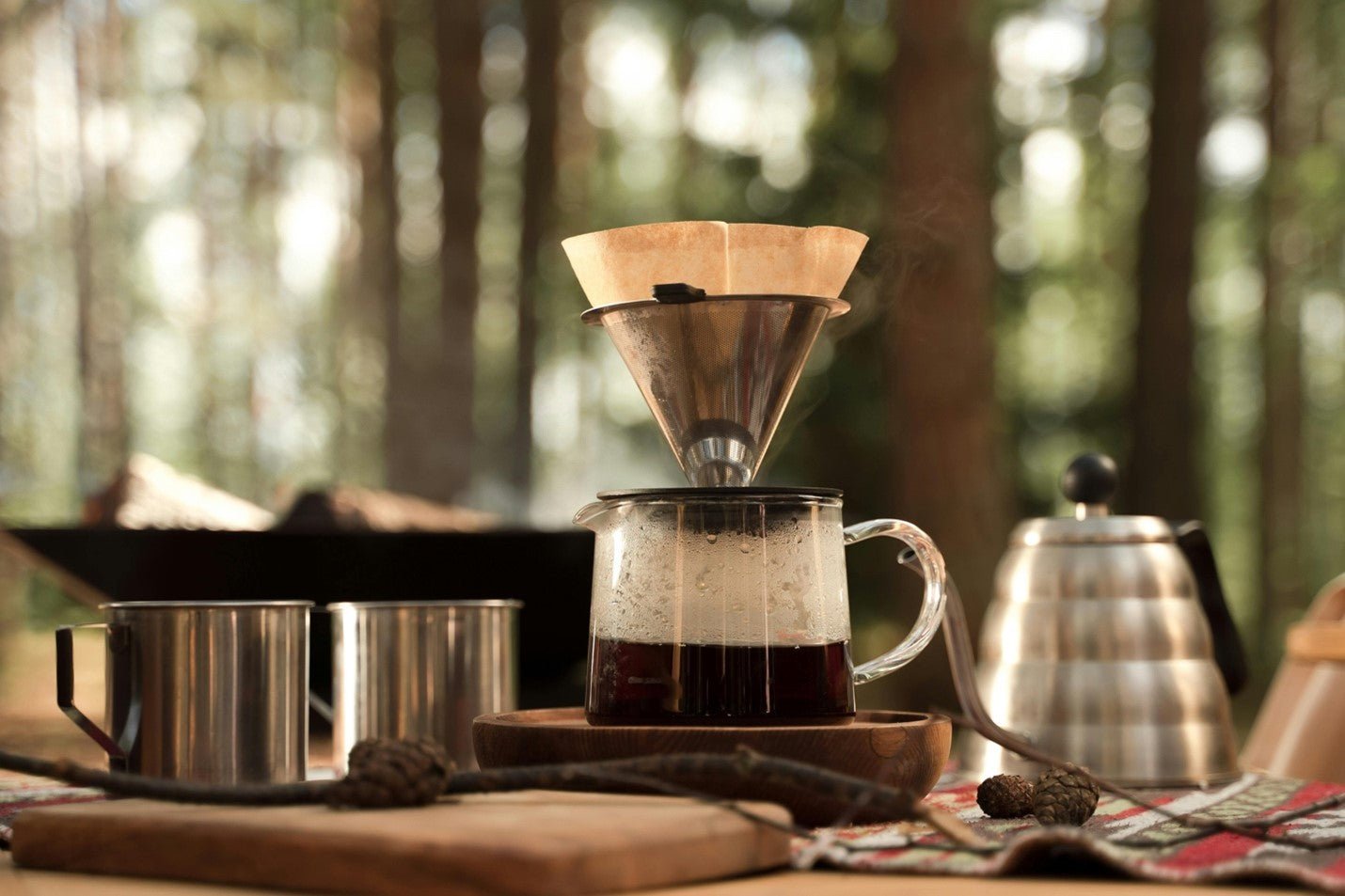
Practical tips, flavor tweaks, and mistakes to avoid
A few small habits improve every cup.
- Toast whole beans briefly over coals for a fresh aroma when you have beans but no grinder.
- Avoid adding grounds directly to hot water for too long; it can taste bitter.
- Strain at least twice if using very fine grounds to reduce grit.
- Rinse cloth filters before first use to remove lint and reduce odd tastes.
- When in doubt, go coarser, shorter steep for cleaner cup.
Personal experiences and lessons learned
Once I forgot my French press at a basecamp. I used a bandana and a pot. The result was rough but comforting; it tasted better with a splash of milk and patience. I also learned to always pack a tiny bit of instant coffee as a plan B. Those trips taught me to respect clean water and to never trust a rock unless I inspected it.

Lightweight gear to consider next time
If you want backups that still keep your pack light, consider these.
- One small bandana or cotton cloth for filtering.
- A collapsible cup or metal mug.
- A tiny packet of instant coffee or a coffee bag.
- A lightweight hand grinder if you want fresh grounds.
- A compact metal pot with a lid.
These items cut weight but make every method above easier and cleaner.

Frequently Asked Questions of how to make coffee while camping without equipment
How do I keep coffee grounds out of my cup without a filter?
Use a cloth, bandana, or folded paper towel as a filter. Pour slowly and let grounds settle before pouring.
Can I use cold water to make camp coffee?
Yes—cold-steep coffee in a jar for 8–12 hours to make a smooth concentrate without heat. It needs planning but yields low-acid coffee.
Is cowboy coffee safe to drink?
Yes, cowboy coffee is safe if you use clean water and boil it; the main issue is grit and stronger bitterness if over-extracted.
How much coffee should I use per cup?
Aim for 1 to 2 tablespoons per 8 ounces of water, adjusting to taste and the brewing method you use.
Will boiling grounds ruin the flavor?
Boiling can make coffee bitter if grounds steep too long; remove from heat and steep briefly, or let water cool a bit before adding grounds.
Conclusion
You can make satisfying coffee while camping without equipment by using simple tricks: boil-and-settle, cloth filters, cold-steep, hot rocks, or improvised presses. Practice one or two methods before your trip, keep water safe, and pack a tiny backup if you worry about being without gear. Try a method tonight before your next trip, then share your favorite hack or question below — I’d love to hear which one worked best for you.

Liora Pennings is a seasoned chef and kitchen enthusiast with a passion for turning everyday cooking into an effortless experience. With years of hands-on culinary expertise, she specializes in practical techniques, ingredient know-how, and smart kitchen solutions that help home cooks elevate their meals. At KitchFlair.com, Liora shares her best tips, time-saving tricks, and honest product reviews to guide readers toward a more efficient, enjoyable, and inspired cooking routine. Whether you’re a beginner or a seasoned home chef, Liora’s friendly, knowledge-packed insights make every visit to the kitchen a little easier—and a lot more delicious.