
How To Make Chemex Coffee: Perfect Pour-Over Guide
To make Chemex coffee, use medium coarse grounds, hot water, slow pours, and a clean paper filter.
Learning how to make Chemex coffee is simple, but small details shape the final cup. The right grind, water temperature, pouring rhythm, and brew time can create coffee that tastes bright, smooth, and free of grit. This guide explains how to make Chemex coffee with clear steps, tested ratios, common fixes, and practical tips you can use at home.

What Is Chemex Coffee?
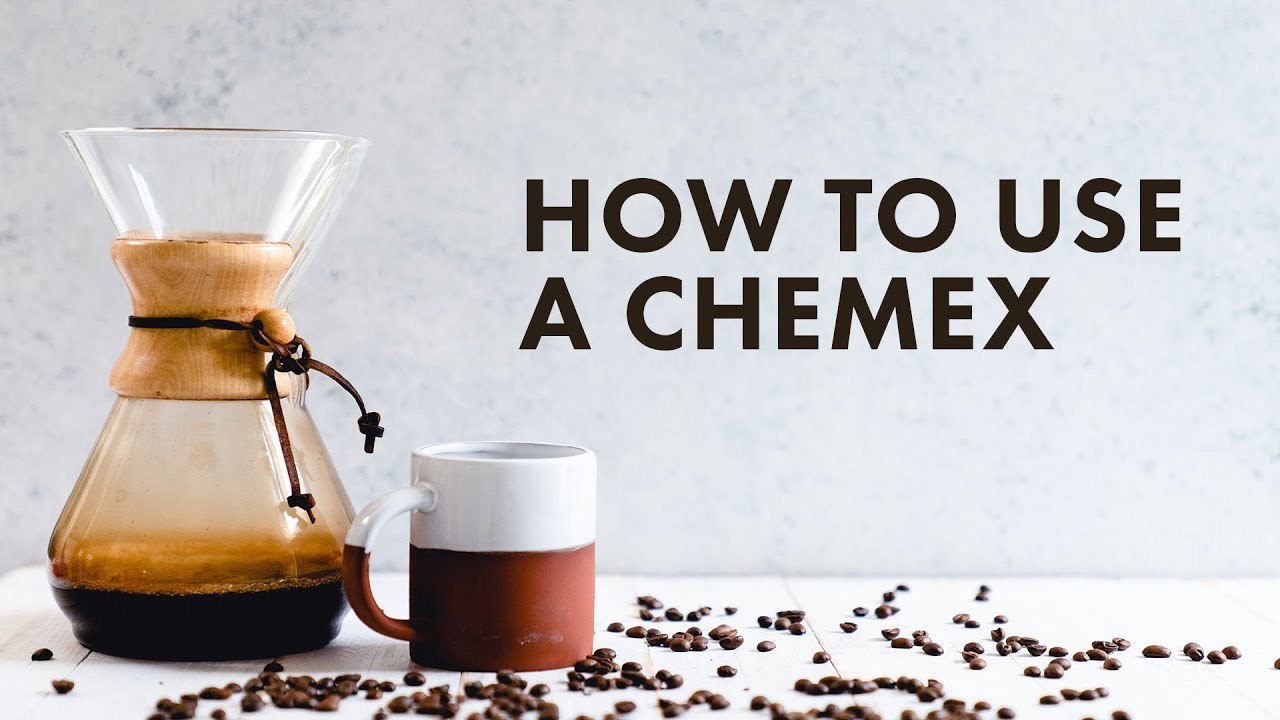
Chemex coffee is a type of pour-over coffee brewed in a glass Chemex brewer. The brewer uses a thick paper filter that removes much of the coffee oil and fine sediment. The result is usually a clean, light-bodied cup with clear flavors.
The Chemex brewer was designed in 1941 by German chemist Peter Schlumbohm. Its hourglass shape is both useful and attractive. The upper section holds the coffee and filter, while the lower section collects the brewed coffee.
Learning how to make Chemex coffee gives you more control than using an automatic coffee maker. You control the water flow, contact time, and coffee ratio. Think of it as guiding the water through the grounds rather than simply pressing a button.
A Chemex can brew several cups at once, depending on its size. A six-cup model often makes about 30 ounces of coffee, while a three-cup model is better for one or two people.
What You Need to Make Chemex Coffee
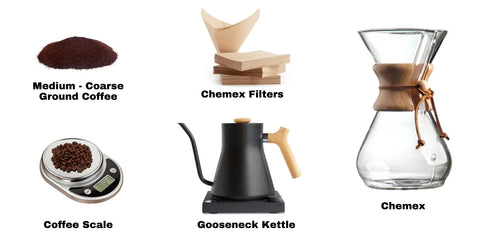
Before learning how to make Chemex coffee, gather the right tools. Good equipment helps, but you do not need a costly setup to begin.
You will need:
• A Chemex brewer
• Chemex paper filters
• Fresh coffee beans
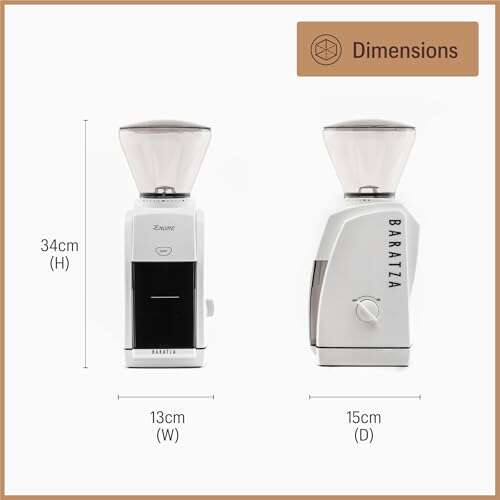
• A burr grinder
• A digital kitchen scale
• A gooseneck kettle, if possible
• Clean, fresh water
• A timer
• A mug or serving cup
A burr grinder is useful because it produces more even coffee particles than a blade grinder. Even grounds extract at a more balanced rate. Blade grinders often create a mix of powder and large pieces, which can make the coffee taste both bitter and weak.
Use filtered water when your tap water has a strong smell or taste. Water makes up most of the final drink, so poor water can hide the flavor of good beans. Coffee professionals often recommend water with balanced mineral content, rather than completely distilled water.
For this guide on how to make Chemex coffee, a scale is one of the best upgrades. It helps you repeat a recipe and adjust it with confidence.

The Best Coffee-to-Water Ratio
A good starting ratio for how to make Chemex coffee is 1 gram of coffee for every 16 grams of water. This is often written as a 1:16 ratio.
For one large mug, try:
• 30 grams of coffee
• 480 grams of water
• A final brew time of about 4 to 5 minutes
For two smaller cups, try:
• 40 grams of coffee
• 640 grams of water
• A final brew time of about 5 to 6 minutes
You can change the ratio based on taste. Use more coffee for a stronger cup. Use less coffee for a lighter cup.
A simple guide is:
• 1:15 creates a stronger, richer brew
• 1:16 creates a balanced brew
• 1:17 creates a lighter, more delicate brew
Do not treat these numbers as strict rules. Coffee beans vary by origin, roast level, age, and density. The ratio is your starting map, not the final destination.
When I first learned how to make Chemex coffee, I used a measuring spoon instead of a scale. My results changed from one morning to the next. The scale solved that problem and made it much easier to understand what each adjustment did.

Choosing Coffee Beans for a Chemex
The Chemex works well with many coffee styles, but light and medium roasts are especially popular. These roasts often show fruit, floral, citrus, caramel, or tea-like notes.
Choose whole beans when possible. Coffee begins to lose aroma after grinding because more surface area touches the air. Grinding just before brewing helps preserve the bean’s flavor.
Look for a roast date on the package. Beans are often best after a short resting period following roasting. Many coffees taste balanced between several days and a few weeks after the roast date, though the ideal window depends on the coffee and storage method.
Good choices include:
• Ethiopian coffee for floral and berry notes
• Colombian coffee for caramel and balanced fruit flavors
• Guatemalan coffee for chocolate and spice notes
• Kenyan coffee for bright acidity and berry flavors
• Brazilian coffee for nutty, sweet, and full flavors
Avoid storing coffee in the refrigerator. Moisture and food odors can damage its flavor. Keep the beans in an airtight container in a cool, dark cabinet.
Learning how to make Chemex coffee also means learning how to taste it. If the cup tastes sharp and sour, it may need more extraction. If it tastes dry and bitter, it may need less extraction.
How to Make Chemex Coffee Step by Step
This method explains how to make Chemex coffee with a balanced recipe. It works well for most light and medium roast beans.
1. Heat the water
Heat the water to about 195 to 205°F. If you do not have a thermometer, bring the water to a boil and let it rest for about 30 to 60 seconds.
Very hot water can extract harsh flavors, especially from dark roast coffee. Water that is too cool may leave the coffee sour, thin, or underdeveloped.
2. Fold and place the filter
Open the Chemex paper filter into a cone. Place the thicker, three-layer side over the pouring spout. The single-layer side should face the opposite wall.
This placement helps air escape during brewing. It also keeps the filter from sealing tightly against the brewer.
3. Rinse the filter
Pour hot water around the inside of the filter. This removes much of the paper taste and warms the Chemex.
Let the water drain fully, then discard it. Be careful when holding the glass brewer because it may become hot.
4. Grind the coffee
Grind the beans at a medium coarse setting. The grounds should look a little coarser than table salt.
If the coffee drains too slowly, make the grind slightly coarser. If it drains too quickly, make the grind slightly finer. Change only one setting at a time so you know what caused the result.
5. Add the coffee
Place the ground coffee into the rinsed filter. Gently shake the Chemex to create a flat coffee bed.
A level bed helps the water move through the grounds evenly. Do not press or pack the coffee down.
6. Bloom the coffee
Start your timer and pour about twice the weight of the coffee in water. For 30 grams of coffee, pour about 60 grams of water.
Make sure all the grounds become wet. Let the coffee bloom for 30 to 45 seconds.
The bloom allows trapped carbon dioxide to escape. Fresh coffee often expands and bubbles during this stage. Skipping the bloom can lead to uneven extraction because gas may block water from reaching some grounds.
7. Pour in slow circles
After the bloom, pour the remaining water slowly. Use small circles and avoid pouring directly onto the paper filter.
For a 30 gram recipe, you might pour in stages:
• Pour to 200 grams
• Wait briefly
• Pour to 340 grams
• Pour to 480 grams
Keep the coffee bed gently covered with water, but do not flood the brewer. A steady flow gives you better control than one large pour.
8. Let the coffee drain
Allow the water to pass through the grounds. The total brew time will often be about 4 to 6 minutes, depending on the recipe, grind, and brewer size.
Remove the filter when the coffee finishes draining. Swirl the brewed coffee in the Chemex before serving. This mixes the stronger coffee from the beginning with the lighter coffee from the end.
This step-by-step method is the foundation of how to make Chemex coffee. Once it tastes good, change one detail at a time to develop your own recipe.
How to Improve Your Chemex Brewing Technique
The pouring style can change the cup as much as the coffee itself. Pour gently and keep the kettle close to the coffee bed. A high pour can disturb the grounds and cause uneven extraction.
Try to pour in controlled circles. Start near the center, move toward the edges, then return to the center. Avoid pouring on the paper because water may run down the side without passing through the coffee.
Keep the coffee bed level. If one side rises higher than the other, the water may find an easier path through the lower side. This is called channeling, and it can create a cup with both bitter and sour flavors.
Use the same recipe for several brews before making major changes. When I test how to make Chemex coffee with a new bean, I keep the ratio and water temperature steady first. Then I adjust the grind based on taste and brew time.
A gooseneck kettle gives you more control, but it is not required. A regular kettle can work if you pour slowly and carefully.

How Grind Size and Brew Time Affect Flavor
Grind size controls how quickly water moves through coffee. It also affects how much flavor the water extracts.
A finer grind has more surface area. Water extracts flavor more quickly, and the brew may take longer to drain. A coarse grind lets water pass more quickly and may produce a lighter cup.
Use these signs to guide your adjustments:
• Sour, sharp, or thin coffee may need a finer grind or longer brew time.
• Bitter, dry, or harsh coffee may need a coarser grind or shorter brew time.
• Weak coffee may need more coffee or a finer grind.
• Strong coffee may need more water or less coffee.
• A slow, blocked drawdown may mean the grind is too fine.
Do not rely on brew time alone. Taste matters more than a specific number. A five-minute brew can taste excellent with one coffee and unpleasant with another.
The goal of how to make Chemex coffee is balance. You want sweetness, pleasant acidity, and a clean finish. You do not need to chase a perfect timer reading.

Common Chemex Mistakes to Avoid
Many problems with Chemex coffee come from small habits. The good news is that most are easy to fix.
Using a very fine grind
A fine grind can slow the filter and create a bitter or dry taste. Start with a medium coarse grind, then adjust in small steps.
Skipping the filter rinse
Unrinsed filters may add a papery flavor. Rinsing also warms the brewer and helps the filter sit in place.
Pouring too fast
Fast pouring can overflow the filter or disturb the coffee bed. Slow, steady pours give the coffee more even contact with water.
Using stale beans
Old beans may taste flat, dull, or papery. Buy smaller amounts and store them in an airtight container.
Ignoring water quality
Strongly chlorinated or mineral-heavy water can affect the taste. Use clean filtered water when needed.
Moving the filter during brewing
Avoid pressing or stirring the filter. Excess movement can push fine particles into the paper and slow the brew.