How To Clean Reusable Coffee Filter Without Damage: Tips
Rinse after every brew, scrub gently, and soak occasionally in mild vinegar to prevent damage.
I have brewed coffee for years and tested many filters. This guide shows clear, safe, and easy steps on how to clean reusable coffee filter without damage. You will learn daily care, deep cleaning, material-specific tips, and what to avoid. Read on to keep your filter working and tasting great.

Why proper cleaning matters
A clean filter keeps coffee tasting fresh. Oils and fines build up fast. If you skip cleaning, you can get bitter coffee and reduced flow. Knowing how to clean reusable coffee filter without damage protects your gear and saves money.
A well cared-for filter also lasts longer. Proper cleaning keeps tiny holes clear and prevents rust or mold. Follow simple steps and you will see better cups and fewer problems.
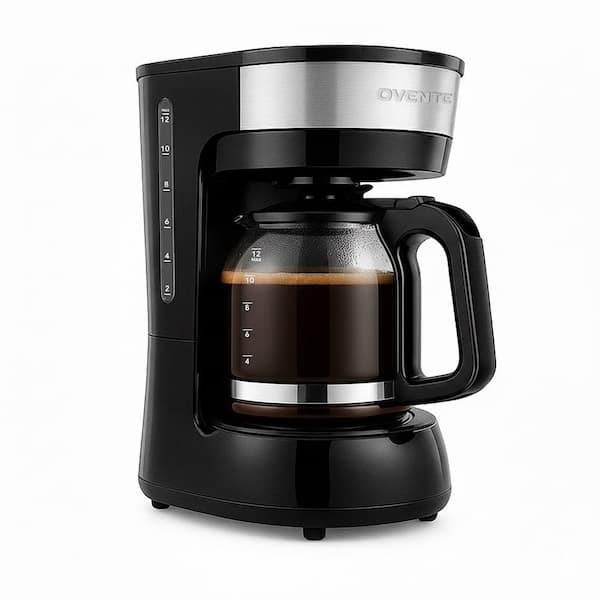
Know your filter type before you start
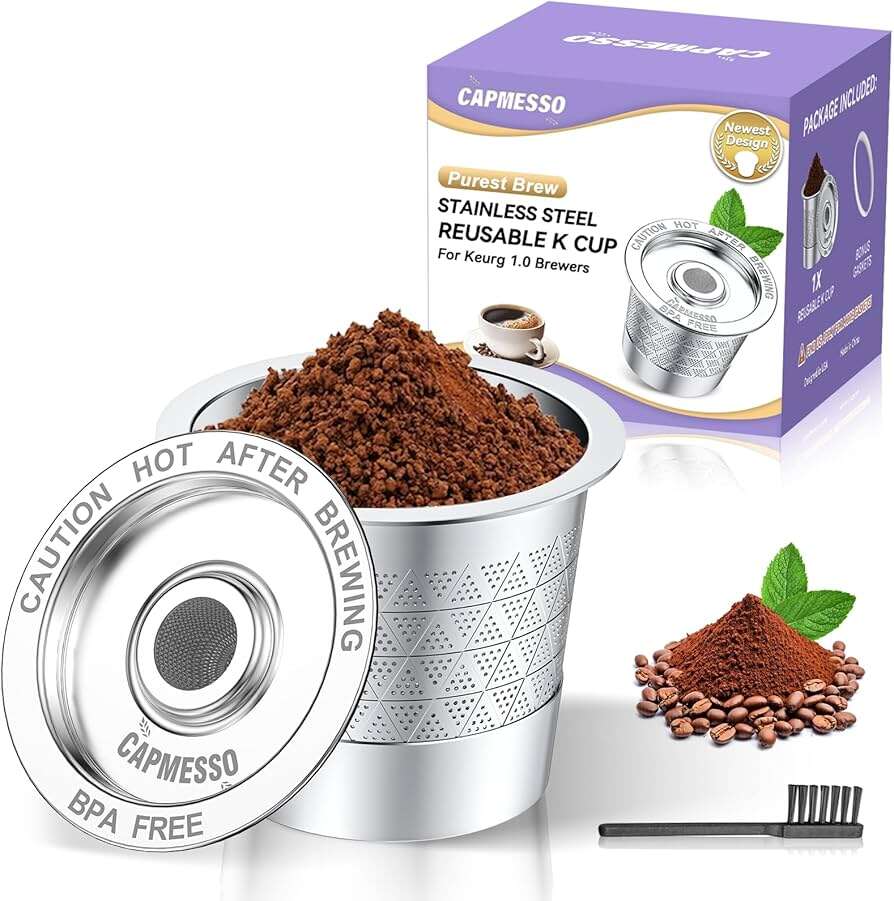
Reusable filters come in metal mesh, cloth, silicone, and metal with fine plating. Each needs a slightly different approach. Identify your filter to choose the safest method.
Metal mesh handles scrubbing and vinegar soaks. Cloth filters are gentle and need careful rinsing and air drying. Silicone is the easiest but still needs thorough rinsing. Understanding your filter helps you clean it right and avoid damage.

Daily cleaning: quick safe steps
These short steps take less than a minute and prevent build-up.
- Rinse immediately after brewing with hot water to remove grounds.
- Tap out used grounds into the compost or trash; don’t force them through the sink.
- Use a soft brush or cloth with a drop of mild dish soap for light scrubs.
- Rinse thoroughly so no soap stays in the mesh.
Do this daily and you will reduce the need for harsh deep cleaning. This routine is the easiest way to protect your filter and keep it tasting clean. Practicing how to clean reusable coffee filter without damage daily makes deep cleans rare.
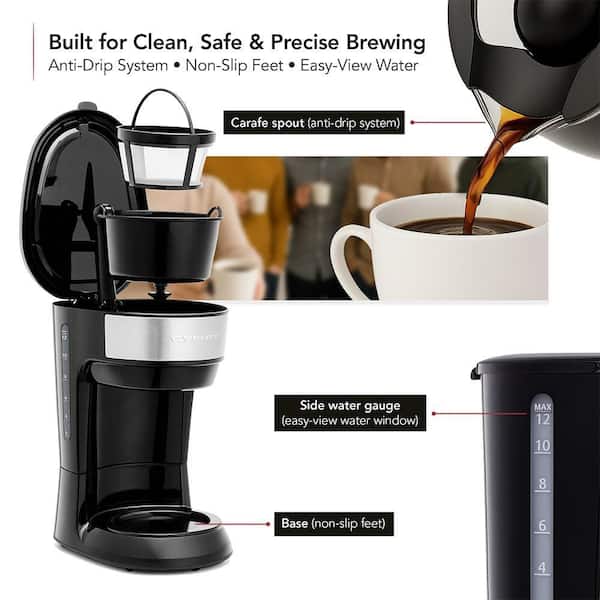
Deep cleaning and safe descaling
Deep clean weekly to monthly, depending on use. This removes oils, stains, and mineral scale.
- Vinegar soak: Mix one part white vinegar and two parts warm water. Soak metal or silicone filters for 20–30 minutes. Rinse well and scrub gently.
- Baking soda paste: For stained cloth or mesh, rub a paste of baking soda and water, wait 10 minutes, then rinse.
- Gentle brush: Use a soft toothbrush to clear tiny holes. Work from both sides if possible.
- Avoid bleach or strong acids. They can weaken materials and leave residues.
How often to deep clean? If you brew daily, do a deep clean weekly. If you brew less, once a month is fine. Can you use vinegar safely? Yes, in dilute form for metal and silicone. It is not ideal for delicate cloth filters without extra rinsing. Will hot water alone remove oils? Hot water helps but may not remove old oils; mild soap or a baking soda scrub is better for heavy build-up. These quick Q&A tips show practical checks when learning how to clean reusable coffee filter without damage.
Cleaning by material: step-by-step
Metal mesh filter
- Rinse and tap out grounds.
- Soak in vinegar solution for 20–30 minutes if clogged.
- Use a soft brush to clear holes. Rinse well and dry.
Cloth filter
- Rinse immediately in hot water.
- Hand wash with mild soap. Avoid boiling each time.
- Hang to air dry fully to prevent mildew.
Silicone filter
- Rinse and wash with dish soap.
- For stains, soak in warm water with a little vinegar.
- Silicone can also go in the top rack of many dishwashers, but check the maker’s note.
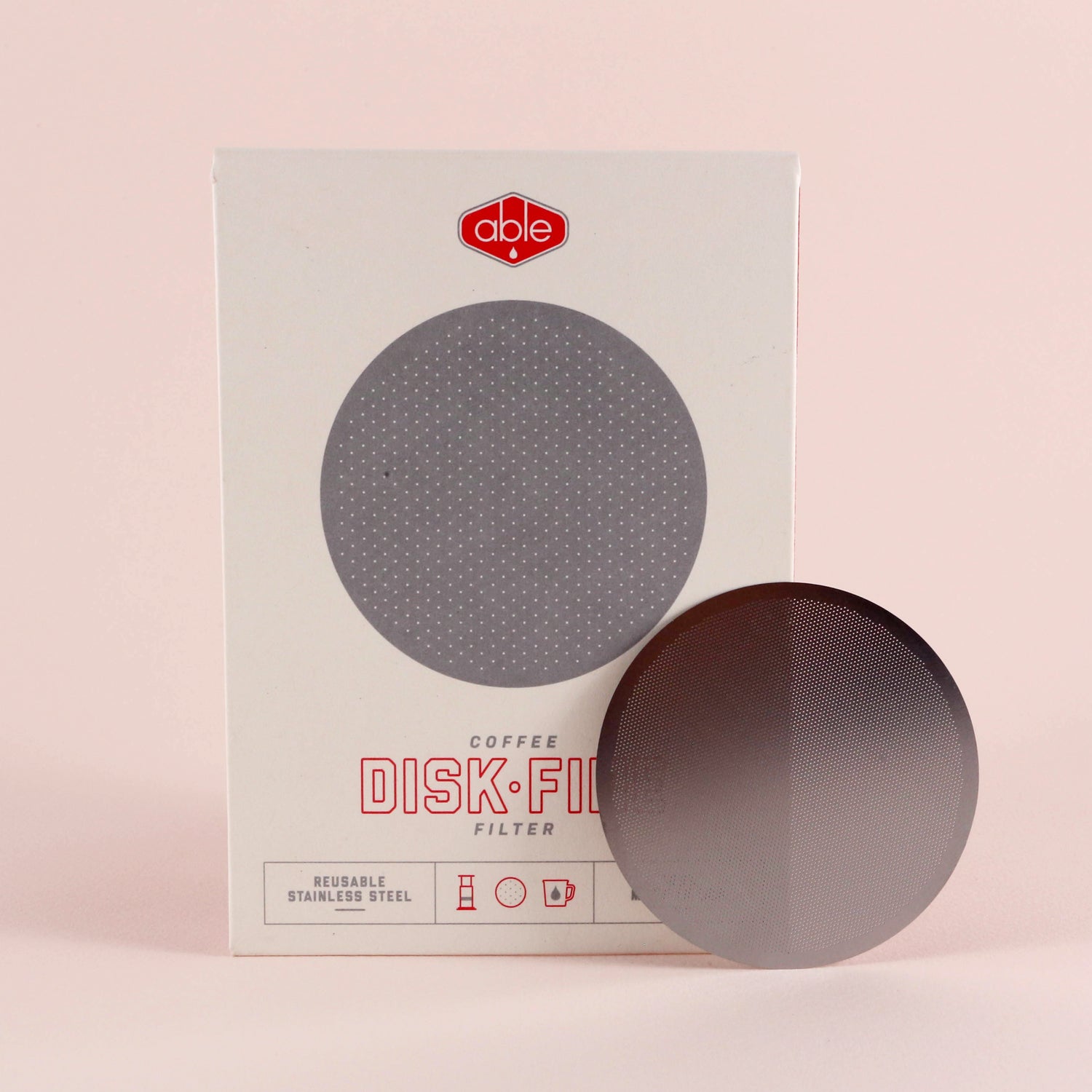
Paper-style reusable filters (plated metal)
- Avoid heavy scrubbing that can wear the plating.
- Rinse, then soak briefly in mild vinegar if needed.
- Dry completely to prevent corrosion.
These tailored steps help you keep each filter type safe. Knowing material needs is key to how to clean reusable coffee filter without damage.

Drying, storage, and maintenance
Dry filters fully before storing. Trapped moisture lets mold grow. Lay cloth filters flat or hang them. For metal and silicone, pat dry then air dry on a rack.
Store filters in a clean, dry place. Avoid sealed plastic bags while damp. Regular checks and cleaning keep performance high and reduce odors. Following these habits makes how to clean reusable coffee filter without damage simple and routine.
Common mistakes to avoid
Avoid these easy errors that shorten filter life.
- Using wire brushes or metal scrubbers that tear cloth or scratch plating.
- Leaving wet filters in a closed space where mold can form.
- Using strong bleach or harsh chemicals that weaken material.
- Forcing grounds down the sink, which can clog both filter and plumbing.
A few small habits stop big problems. Learn these and you will protect your filter for years.

When to replace your reusable coffee filter
Filters do wear out. Look for holes that don’t clear, bent mesh, stains you can’t remove, or persistent off-odors. Cloth may thin and lose flow control. Metal can warp or corrode.
If performance drops or taste suffers despite cleaning, replace it. Proper cleaning extends life, but nothing lasts forever. Knowing when to swap makes how to clean reusable coffee filter without damage part of smart care.

My experience and practical tips
I have used metal and cloth filters for years. A soft toothbrush saved a mesh filter that seemed clogged. I learned that vinegar soaks work, but long soaks can darken cloth. I now rinse daily and deep clean weekly. This routine cut my coffee faults and kept filters for years.
One tip I use: keep a small soft brush near the sink. Scrub right after rinsing. Small effort, big payoff. These practical steps reflect real use and show how to clean reusable coffee filter without damage in day-to-day life.
Frequently Asked Questions of how to clean reusable coffee filter without damage
How often should I deep clean my reusable filter?
If you brew daily, deep clean once a week. For light use, a monthly deep clean is enough.
Can I use vinegar on all filter types?
Vinegar is fine for metal and silicone in dilute form. Rinse cloth filters extra well after any vinegar soak.
Will dishwashers damage reusable filters?
Silicone and many metal filters tolerate top-rack dishwashers. Cloth filters should not go in the dishwasher.
How do I remove oil build-up from a metal mesh filter?
Soak briefly in warm water and mild detergent, then scrub gently with a soft brush. A baking soda paste helps stubborn oil.
Can I boil my reusable filter to clean it?
Boiling is OK for many metal and silicone filters but may harm some cloth materials. Check the filter maker’s guidance before boiling.
Is toothpaste or harsh cleaner safe to scrub filters?
No. Harsh cleaners can leave residues and damage materials. Use mild dish soap, vinegar, or baking soda instead.
How do I stop my filter from smelling?
Clean after each use, deep clean regularly, and dry fully. If smell persists, soak in vinegar solution and rinse well.
Conclusion
You can keep a reusable filter clean without damage by rinsing after each brew, using soft brushes, and doing safe weekly deep cleans. Match methods to the filter material and avoid harsh chemicals. Small daily habits extend lifespan and keep coffee tasting great.
Try a simple routine today: rinse, brush gently, and air dry. If this guide helped, leave a comment, share your favorite tip, or subscribe for more practical coffee care advice.

Liora Pennings is a seasoned chef and kitchen enthusiast with a passion for turning everyday cooking into an effortless experience. With years of hands-on culinary expertise, she specializes in practical techniques, ingredient know-how, and smart kitchen solutions that help home cooks elevate their meals. At KitchFlair.com, Liora shares her best tips, time-saving tricks, and honest product reviews to guide readers toward a more efficient, enjoyable, and inspired cooking routine. Whether you’re a beginner or a seasoned home chef, Liora’s friendly, knowledge-packed insights make every visit to the kitchen a little easier—and a lot more delicious.