
Who Invented The Coffee Maker: A Brief History
No single person invented the coffee maker; early French drip pots evolved into today’s machines.
The story of who invented the coffee maker is more complex than one name and one patent. Coffee brewing changed over centuries, from simple pots and cloth filters to percolators, espresso machines, electric drip brewers, and pod systems. This guide explains the key inventors, dates, designs, and breakthroughs that shaped the modern coffee maker.
Who invented the coffee maker?
The earliest coffee makers were simple pots that held ground coffee and hot water. Historians often connect the first drip-style coffee pot to France in the early 1800s, with designs linked to Jean-Baptiste de Belloy, the Archbishop of Paris.
However, Jean-Baptiste de Belloy did not invent coffee itself or create the only early coffee brewer. His design helped popularize a pot with two sections. Hot water sat above the coffee grounds and slowly passed through them into a lower container.
This basic idea still exists in many coffee makers today. Water moves through coffee grounds, extracts flavor, and collects in a pot or cup.
The answer depends on the type of coffee maker:
• Early drip coffee pot: Often linked to French designs from the early 1800s.
• Percolator: Developed through several patents, including James Nason’s 1865 design and Hanson Goodrich’s 1889 improvement.
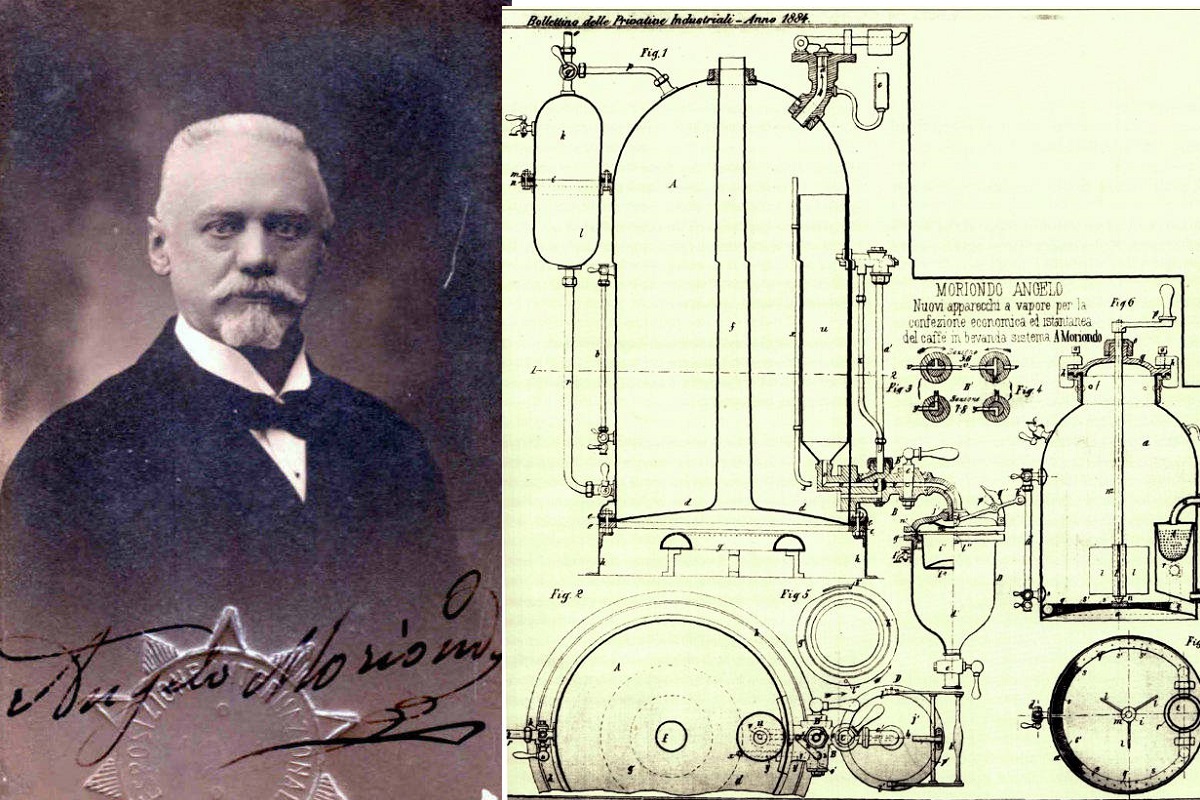
• Espresso machine: First patented by Angelo Moriondo in Italy in 1884.
• Paper coffee filter: Invented by Melitta Bentz in Germany in 1908.
• Modern automatic drip coffee maker: Developed from earlier drip systems and commercial electric brewing technology during the 20th century.
So, the best answer to who invented the coffee maker is that no single inventor created the modern machine. Many inventors improved the process step by step.
:max_bytes(150000):strip_icc()/__opt__aboutcom__coeus__resources__content_migration__serious_eats__drinks.seriouseats.com__images__20110419-antique-machine-394ec59fafd545a689d50875b93054f3.jpg)
The first coffee brewing methods
Before the coffee maker existed, people brewed coffee in basic pots. They boiled water with roasted, ground coffee and then allowed the grounds to settle.
This method worked, but it left a thick layer of coffee sediment in the cup. It also made it hard to control the brewing time and water temperature.
By the 1700s and early 1800s, coffee drinkers wanted a cleaner cup. European makers began designing pots that separated water from coffee grounds.
Common early brewing methods included:
• Boiling coffee in a pot
• Using cloth bags to hold ground coffee
• Pouring hot water through coffee in a perforated container
• Using metal filters or screens
• Brewing coffee in two-part pots
These early methods were not as precise as modern brewing systems. Still, they introduced the key idea behind nearly every coffee maker: water must pass through coffee at a controlled rate.
French drip pots became especially important. They used an upper container for hot water and coffee grounds, along with a lower container for the brewed drink.
The design was simple, much like pouring water through a small garden bed. The water moved through the grounds, collected their soluble flavors, and drained into the pot below.

Jean-Baptiste de Belloy and the French drip pot
Jean-Baptiste de Belloy is often named when people ask who invented the coffee maker. He was a French archbishop who owned or supported a popular coffee pot design around the early 1800s.
The exact details of his role are not completely clear. Some historical accounts suggest that he created the design, while others describe him as an important promoter or user of an existing idea.
That uncertainty matters. Historical inventions often develop through shared improvements rather than one dramatic moment. A person may receive credit because their version became popular, even when earlier versions already existed.
The French drip pot usually had these parts:
• An upper chamber for hot water
• A section that held coffee grounds
• Small holes that controlled water flow
• A lower chamber that collected brewed coffee
This system was an early example of gravity brewing. Modern pour-over brewers and automatic drip machines use the same basic principle.
The main benefit was a cleaner cup than boiled coffee. The main limitation was that the user still had to heat and pour the water by hand.

Who invented the coffee percolator?
The coffee percolator developed from earlier brewing pots. American inventor James Nason received a patent for a coffee percolator design in 1865.
Later, Hanson Goodrich patented an improved percolator in 1889. His version helped establish the familiar stovetop percolator, which became common in American homes.
A percolator works differently from a basic drip coffee maker. As water heats, pressure pushes it up through a tube. The hot water then sprays over coffee grounds in a basket and flows back into the lower chamber.
The cycle repeats until the coffee reaches a strong flavor.
Percolators became popular because they were:
• Durable
• Simple to use
• Suitable for stovetop cooking
• Capable of making several cups
• Easy to clean
They also had a weakness. Repeated boiling could make coffee taste bitter or harsh. Many people still remember the loud bubbling sound of a percolator from family kitchens and office break rooms.
The percolator was not the first coffee maker, but it was one of the most important steps toward convenient home brewing.

Who invented the espresso machine?
Angelo Moriondo of Turin, Italy, patented an early espresso machine in 1884. His design used steam and water pressure to brew coffee more quickly than traditional methods.
Moriondo’s machine was large and mainly intended for restaurants and cafes. It did not look like the compact espresso machines found in homes today.
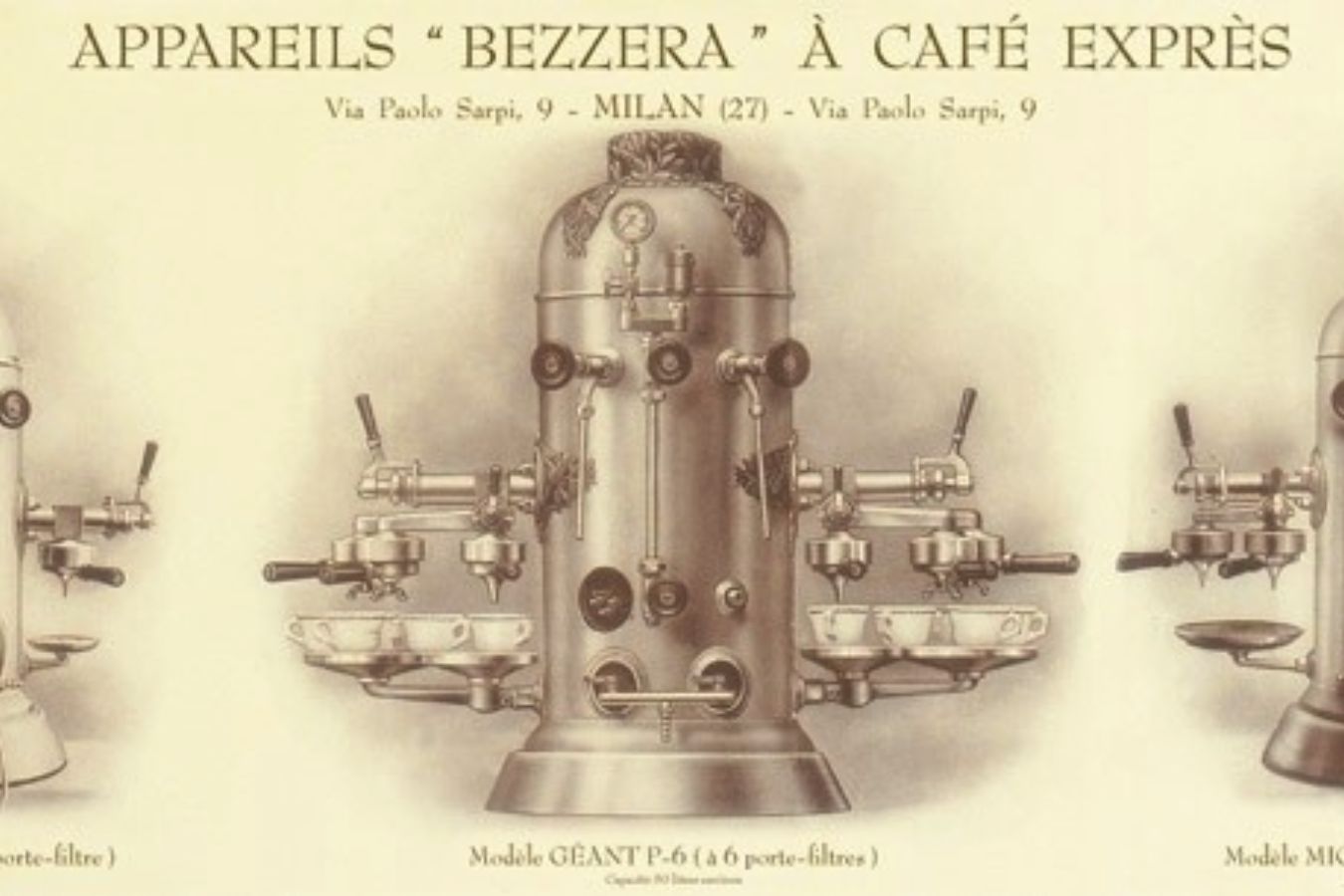
Later inventors improved the concept. Luigi Bezzera worked on practical espresso machine features, including individual servings. Desiderio Pavoni helped bring espresso machines into wider commercial use in the early 20th century.
Espresso machines changed coffee culture because they made a concentrated drink in seconds rather than minutes. They also created the foundation for drinks such as:
• Cappuccino
• Caffè latte
• Americano
• Macchiato
• Mocha
Early espresso machines used steam pressure. Modern machines often use pumps that provide more stable pressure and better control.
This history shows why asking who invented the coffee maker requires a specific definition. A drip brewer, percolator, and espresso machine are all coffee makers, but they use different technologies.
Melitta Bentz and the paper coffee filter
Melitta Bentz made one of the most important improvements in coffee brewing. In 1908, she created the first practical paper coffee filter in Germany.
Before her invention, many coffee drinkers used cloth or metal filters. These options could allow fine grounds into the cup. Cloth also absorbed coffee oils and was difficult to keep clean.
Bentz used blotting paper from her son’s school supplies. She placed it inside a perforated brass cup and poured hot water over coffee grounds.
The result was a smoother and cleaner cup. It also reduced the bitter taste caused by over-extraction and boiling.
Melitta Bentz received a patent for her filter system and later established a company that became known for coffee filters and brewing equipment.
Her invention did not create the first coffee maker. Instead, it solved one of the biggest problems in coffee brewing: separating the finished drink from the grounds.
Today, paper filters remain common in automatic drip machines and pour-over brewers. This makes Melitta Bentz a central figure in the history of the coffee maker.
How the modern automatic coffee maker developed
The modern automatic coffee maker combines several older ideas. It uses a water reservoir, a heating element, a tube, a showerhead, a filter basket, and a carafe.
Here is how it usually works:
-
Water enters a reservoir.
-
A heating element warms the water.
-
Steam pressure or a small pump moves the water upward.
-
A showerhead spreads water over the coffee grounds.
-
Gravity pulls the brewed coffee into the carafe.
-
A warming plate keeps the coffee hot.
This design became common in homes during the 20th century. Electric coffee makers removed the need to boil water in a separate kettle and pour it by hand.
Brands such as Mr. Coffee helped make automatic drip brewing popular in the United States during the 1970s. The machines were easy to use and fit the fast pace of modern kitchens.
The automatic coffee maker also introduced convenient features such as:
• Programmable start times
• Automatic shutoff
• Brew-strength controls
• Reusable filters
• Thermal carafes
• Built-in grinders
• Water-level markings
The technology is not complicated, but small design choices affect flavor. A weak showerhead can create uneven extraction. A poor heating system can produce water that is too cool. A dirty machine can add stale or bitter flavors.
Why the coffee maker became so popular
The coffee maker became popular because it solved several everyday problems at once. It made coffee faster, reduced mess, and allowed people to prepare several cups with little effort.
Convenience was especially important as electric appliances entered American homes. People wanted reliable tools that saved time before work, school, or travel.
Coffee makers also made results more consistent. A measured amount of water and coffee could produce a similar drink each morning.
The main benefits include:
• Speed: Most drip machines brew a full pot in several minutes.
• Ease: Users only need coffee, water, and a filter.
• Consistency: The machine controls the flow and heat.
• Capacity: One brew cycle can serve several people.
• Cost: Home brewing often costs less than buying daily cafe drinks.
There are still limits. Many basic coffee makers do not heat water to the ideal brewing range. They may also hold coffee on a hot plate for too long, which can create a burnt taste.
For better results, use fresh coffee, clean the machine often, and avoid leaving brewed coffee on a warming plate for hours.
Coffee maker technology today
Modern coffee makers now cover a wide range of brewing styles. The basic automatic drip machine remains popular, but it is only one option.
Today’s coffee equipment includes:
• Automatic drip coffee makers
• Single-serve pod machines
• Espresso machines
• French presses
• Pour-over brewers
• Moka pots
• Cold brew systems
• Siphon coffee makers
• Bean-to-cup machines
Smart coffee makers can connect to mobile apps. Some allow users to set brewing times, adjust strength, and monitor water levels.
Single-serve machines focus on speed and convenience. Their main concern is waste, since many pods use plastic, aluminum, or mixed materials.
High-end drip machines often focus on temperature control and even water distribution. Some models meet standards set by coffee research groups for brewing temperature and contact time.
Still, a costly machine cannot fix poor coffee. Fresh beans, correct grinding, clean water, and proper storage remain just as important as the machine itself.
How to choose the right coffee maker
The best coffee maker depends on how you drink coffee. A person who wants one quick cup has different needs from a family that drinks a full pot each morning.
Consider these points before buying:
• Serving size: Choose a single-serve model for one cup or a larger brewer for groups.
• Brew style: Select drip, espresso, French press, or another method based on your taste.
• Speed: Look for fast heating if you have a busy morning.
• Temperature control: Stable heat helps improve extraction.
• Cleaning: Removable parts make regular care easier.
• Filter type: Paper filters create a clean cup, while metal filters allow more oils through.
• Carafe design: Thermal carafes keep coffee hot without continuous heating.
• Cost per cup: Pod systems may cost more over time than ground coffee.
A simple test can help. Brew the same coffee in two machines and compare aroma, body, bitterness, and aftertaste. This practical approach often reveals more than a long feature list.
Also check the manufacturer’s cleaning instructions. Mineral buildup can slow water flow and change the taste. In hard-water areas, descaling may be needed more often.
Common mistakes coffee maker owners make
Even a good coffee maker can produce poor coffee when basic steps are missed. The most common mistake is using old coffee that has lost its aroma.
Other mistakes include:
• Using too much or too little coffee
• Grinding beans too fine for a drip machine
• Using water with a strong odor or taste
• Skipping regular cleaning
• Leaving coffee on a hot plate too long
• Reusing a paper filter
• Filling the reservoir above its limit
• Placing the machine in direct heat or sunlight
A useful starting point is about 1 to 2 level tablespoons of ground coffee for every 6 ounces of water. Adjust this ratio based on taste and the coffee’s roast level.
Medium-ground coffee usually works well in a standard drip coffee maker. A fine grind may slow water flow and create bitter coffee. A coarse grind may produce a weak, thin drink.
The best lesson from coffee maker history is simple: good design helps, but careful use matters too.
Frequently Asked Questions About Who Invented the Coffee Maker
Who is usually credited with inventing the first coffee maker?
Early French drip coffee pots from the early 1800s are often linked to Jean-Baptiste de Belloy. However, the history is not completely certain, and several makers contributed to the design.
Did Melitta Bentz invent the coffee maker?
No. Melitta Bentz invented the paper coffee filter in 1908, not the first coffee maker. Her invention greatly improved drip brewing by keeping coffee grounds out of the cup.
Who invented the electric coffee maker?
The electric coffee maker developed through many inventions rather than one confirmed creator. Manufacturers later combined electric heating, automatic water flow, and drip brewing into the machines used in modern homes.
Who invented the espresso machine?
Angelo Moriondo patented an early espresso machine in Italy in 1884. Later inventors, including Luigi Bezzera and Desiderio Pavoni, improved the design and helped make espresso machines more practical.
When was the coffee percolator invented?
James Nason patented an early coffee percolator design in 1865. Hanson Goodrich patented an improved version in 1889, helping the stovetop percolator become popular.
Is a French press a coffee maker?
Yes. A French press is a manual coffee maker. It brews coffee by steeping grounds in hot water and then pressing them through a metal mesh filter.
What was the first coffee maker made from?
Early coffee makers were made from materials such as ceramic, copper, brass, and other metals. Modern machines commonly use plastic, stainless steel, glass, and aluminum components.
Conclusion
The answer to who invented the coffee maker is not one simple name. French drip pots helped establish the basic method, percolators added pressure and circulation, Moriondo developed early espresso technology, and Melitta Bentz created the paper filter that improved drip coffee.
The modern coffee maker is the result of many useful ideas working together. Understanding that history can also help you choose and use your own machine more wisely.
Keep your brewer clean, use fresh coffee, and test different grind sizes and coffee-to-water ratios. If you enjoyed this guide, explore more coffee brewing resources or share your favorite coffee maker and brewing method in the comments.

Liora Pennings is a seasoned chef and kitchen enthusiast with a passion for turning everyday cooking into an effortless experience. With years of hands-on culinary expertise, she specializes in practical techniques, ingredient know-how, and smart kitchen solutions that help home cooks elevate their meals. At KitchFlair.com, Liora shares her best tips, time-saving tricks, and honest product reviews to guide readers toward a more efficient, enjoyable, and inspired cooking routine. Whether you’re a beginner or a seasoned home chef, Liora’s friendly, knowledge-packed insights make every visit to the kitchen a little easier—and a lot more delicious.