How Many Decibels Is The Average Vacuum Cleaner: Noise
The average vacuum cleaner produces about 70 to 80 decibels, with 75 dB being a common real-world estimate.
Knowing how many decibels is the average vacuum cleaner helps you choose a quieter model, protect your hearing, and avoid disturbing others. Sound readings can vary by vacuum type, floor surface, motor setting, and measuring distance, so this guide explains what the numbers mean in everyday use.
How Many Decibels Is the Average Vacuum Cleaner?
The average vacuum cleaner produces around 75 decibels, or dB, when measured during normal operation. Most household models fall between 70 and 80 dB, while some older or high-powered vacuums may reach 85 dB or more.
So, how many decibels is the average vacuum cleaner in a typical home? A practical answer is about 75 dB at a distance of roughly 3 feet. This is close to the sound of busy traffic or a loud conversation.
A vacuum’s listed sound level may not match what you hear in your home. Manufacturers may test the machine under controlled conditions, while your room may have hard floors, empty walls, and surfaces that reflect sound.

Typical Vacuum Cleaner Decibel Ranges
Different vacuum designs create different sound levels. Motor power, airflow, filters, fans, and floor heads all affect the final reading.
| Vacuum type | Typical noise level |
|---|---|
| Quiet cordless vacuum | 60 to 70 dB |
| Robot vacuum | 55 to 70 dB |
| Standard canister vacuum | 65 to 75 dB |
| Modern upright vacuum | 70 to 80 dB |
| Stick vacuum on high power | 70 to 82 dB |
| Older or high-powered upright | 78 to 85 dB |
| Shop vacuum | 80 to 95 dB |
These ranges are estimates, not fixed rules. A quiet upright can be softer than a loud canister vacuum, even though upright models often produce more noise.
When people ask how many decibels is the average vacuum cleaner, they often expect one exact number. In practice, 75 dB is the best general estimate, but the actual level may differ by 10 dB or more.

What Does 75 Decibels Sound Like?
A sound level of 75 dB is loud but common in daily life. You can usually hear another person near a running vacuum, but you may need to raise your voice.
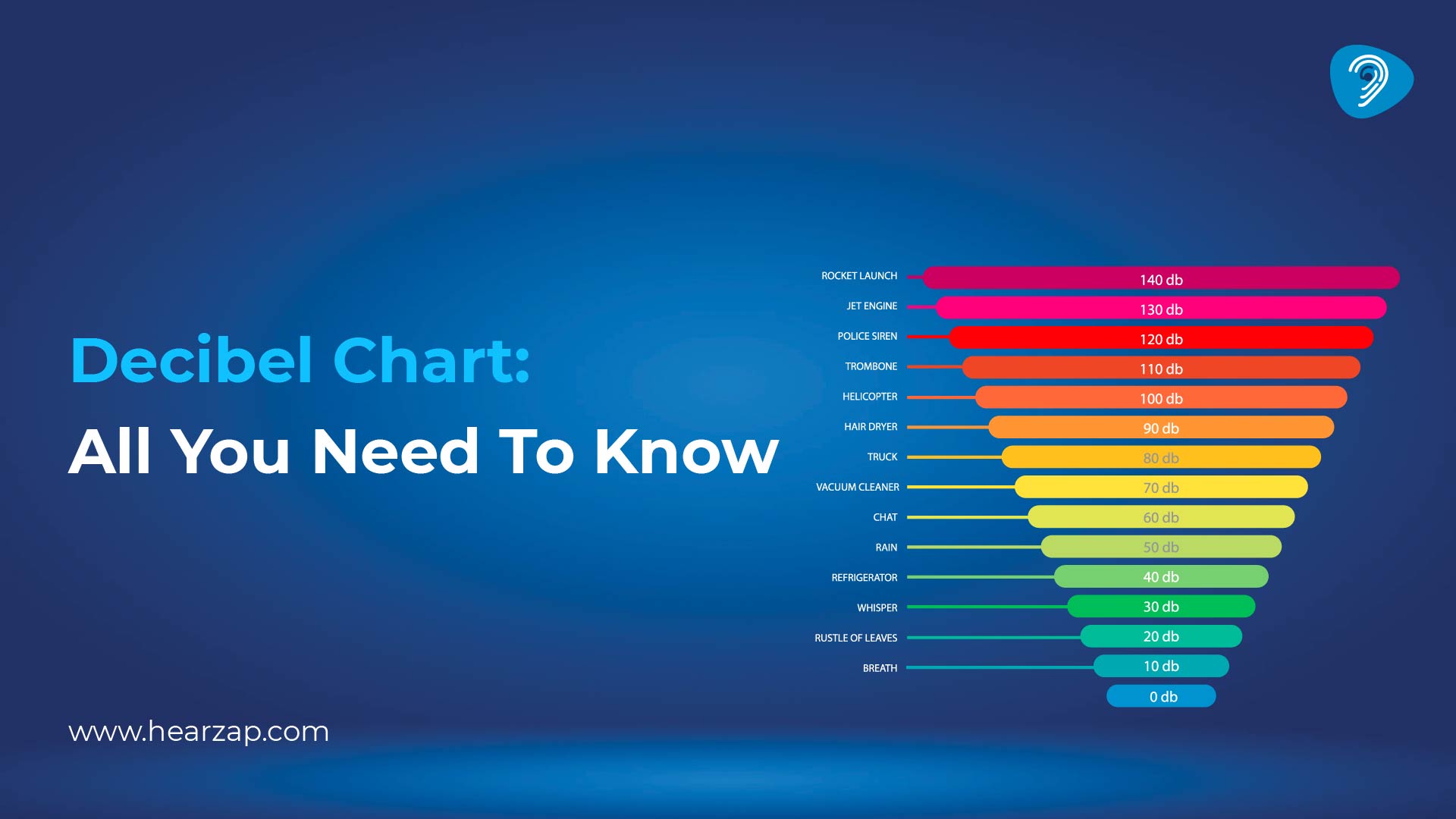
For comparison:
• 30 dB sounds like a quiet bedroom.
• 50 dB resembles a calm conversation.
• 60 dB is similar to normal speech.
• 70 dB is like busy street traffic from a short distance.
• 75 dB is comparable to a loud conversation or many vacuum cleaners.
• 85 dB is similar to heavy city traffic or a loud shop vacuum.
Decibels use a logarithmic scale. This means a 10 dB increase is not a small step. A sound at 80 dB has much more acoustic energy than one at 70 dB and may seem about twice as loud to many listeners.
That is why a vacuum rated at 85 dB can feel much louder than one rated at 75 dB. The five- or ten-point difference on the package may seem minor, but your ears can notice it quickly.
Why Vacuum Cleaners Are So Loud
A vacuum cleaner makes noise from several parts working at once. The electric motor spins a fan at high speed, which creates suction and moves air through the machine.
The main noise sources include:
• The motor and cooling fan.
• Air rushing through the hose and floor head.
• Vibrations from the brush roll.
• Loose panels or poorly fitted parts.
• Air movement through filters and vents.
• Contact between the floor head and a hard floor.
Strong suction does not always mean extreme noise. Better insulation, balanced fans, rubber mounts, and improved airflow can help a vacuum clean well without sounding harsh.
A full filter can also change the sound. When airflow becomes restricted, the motor may work harder and produce a higher-pitched whine. Cleaning the filter can improve both performance and sound.

How Vacuum Type Affects Noise
Upright vacuums
Upright vacuums often produce 70 to 80 dB. Their motors are close to the floor, and their brush rolls can add vibration and noise on wood, tile, and other hard surfaces.
Canister vacuums
Canister models may sound quieter because the motor sits farther away from your head. The hose also creates distance between you and the main noise source. However, some powerful canister machines are still quite loud.
Cordless stick vacuums
Cordless vacuums often have a lower sound level on standard mode. High-power or turbo mode can raise the reading by several decibels and shorten battery life.
Robot vacuums
Robot vacuums commonly produce 55 to 70 dB. They are usually less powerful than upright models, but their lower sound level makes them easier to run while people work or sleep.
Shop vacuums
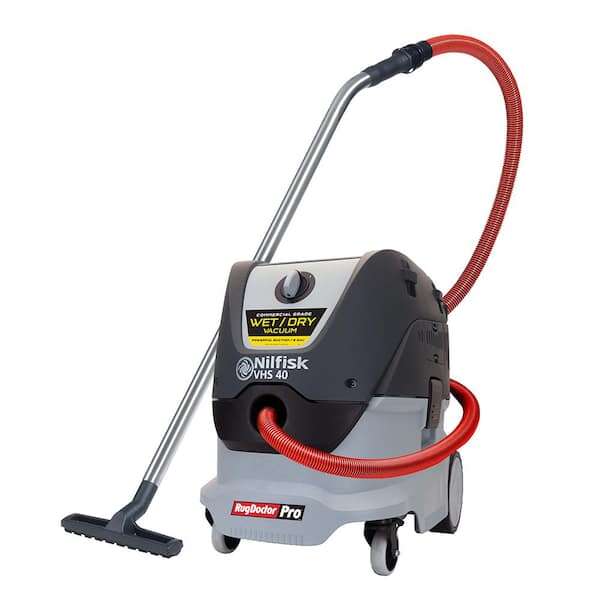
Shop vacuums are among the loudest household cleaning machines. Many produce 80 to 95 dB, especially when used with wide hoses or strong suction settings.
This comparison shows why the answer to how many decibels is the average vacuum cleaner depends on the machine category. A robot vacuum and a shop vacuum should not be judged by the same noise standard.

What Changes a Vacuum Cleaner’s Decibel Level?
The same vacuum can sound different from one room to another. Several factors influence the measured and perceived noise.
Distance
Sound becomes quieter as you move away from the source. A reading taken 1 foot from the motor will be higher than one taken 3 feet away.
Floor type
Hard floors reflect sound and can make a vacuum seem louder. Carpet absorbs some sound, although the brush roll may still create noticeable noise.
Room size
Small rooms often feel louder because sound reflects from nearby walls. Large rooms may sound less intense, even when the vacuum produces the same measured level.
Vacuum settings
Turbo and maximum-power modes usually create more noise than low or eco modes. The increase may be useful for thick carpet, but it is not always needed for light dust.
Maintenance
A blocked filter, full dust cup, tangled brush roll, or damaged bearing can raise noise. A sudden change in sound may signal a maintenance problem.
Measurement method
A phone app can provide a rough estimate, but it is not as accurate as a calibrated sound-level meter. Microphone quality, room echo, and background noise can affect the result.

How to Measure Vacuum Cleaner Noise at Home
If you want to know how many decibels is the average vacuum cleaner in your own home, you can take a simple reading.
-
Download a reputable sound meter app or use a calibrated sound-level meter.
-
Place the device about 3 feet from the vacuum.
-
Keep the microphone at about waist height.
-
Close windows and turn off fans, televisions, and air conditioners.
-
Run the vacuum on its normal setting for at least 20 seconds.
-
Record the average reading, not only the highest number.
-
Repeat the test on carpet and hard flooring.
Do not place your phone directly beside the motor. That position does not represent normal listening distance and may exaggerate the result.
It is also useful to measure the vacuum when standing beside it. This gives you a more realistic idea of how loud the machine feels during cleaning.

Are Average Vacuum Cleaner Decibels Harmful?
For most people, using a household vacuum for a short cleaning session is unlikely to cause hearing damage. Still, repeated exposure to loud sound can place stress on the ears, especially when the sound level approaches 85 dB.
Occupational safety guidance commonly uses 85 dBA over an eight-hour workday as a point where hearing protection and exposure limits become important. Home cleaning usually lasts far less than eight hours, but the risk depends on volume, time, distance, and personal sensitivity.
You may want hearing protection if:
• You use a shop vacuum often.
• You clean for long periods.
• You work in a small, echoing room.
• You have tinnitus or sound sensitivity.
• The vacuum sounds close to 85 dB or higher.
Foam earplugs or earmuffs can reduce noise. Never use protection that prevents you from hearing alarms, children, pets, or other safety warnings.
How to Choose a Quiet Vacuum Cleaner
If noise matters, check the product’s stated sound rating before buying. Look for a model listed below 70 dB if you want a noticeably quieter cleaning experience.
Keep these points in mind:
• Compare ratings measured in dB or dBA under similar conditions.
• Look for a low-noise, quiet, or sound-insulated design.
• Choose adjustable suction instead of a single high-power mode.
• Consider a canister model if motor distance matters.
• Select a robot vacuum for light daily cleaning.
• Read reviews that mention pitch, vibration, and real-room noise.
• Check whether replacement filters and brush parts are easy to find.
A lower dB number is helpful, but it is not the only measure of quality. A very quiet vacuum may have weaker suction, a smaller dust bin, or a short battery life. The best choice balances noise, cleaning power, weight, filtration, and price.
When comparing how many decibels is the average vacuum cleaner with a product’s rating, remember that testing methods may differ. A 68 dB claim from one brand may not be directly equal to a 68 dB claim from another.
Practical Ways to Make a Vacuum Quieter
You may be able to reduce noise without replacing your vacuum. Start with basic care and use the lowest setting that completes the job.
Try these steps:
• Empty the dust cup before it becomes full.
• Wash or replace filters as the manual advises.
• Remove hair from the brush roll.
• Check the hose for clogs.
• Tighten loose panels and wheels.
• Use the correct floor setting.
• Keep the vacuum away from walls when possible.
• Clean during reasonable daytime hours.
• Close nearby doors to reduce sound spread.
In my experience with household cleaning equipment, the biggest mistake is using maximum power for every surface. High power can make a vacuum louder without improving results on a bare floor or thin rug.
A quieter routine often comes from small changes. Slow, steady passes, clean filters, and the right nozzle can work better than simply turning the motor to its loudest setting.
Decibel Ratings, dB, and dBA Explained
The term dB means decibel, a unit used to describe sound level. The term dBA means A-weighted decibel, which adjusts the measurement to reflect how human hearing responds to different pitches.
Most consumer vacuum ratings use dB or dBA. A-weighted readings are often more useful for everyday noise because human ears do not hear all frequencies equally.
Two vacuums with the same dB rating may still sound different. One may produce a low hum, while another creates a sharp, high-pitched whine. The second model may feel more irritating even if the meter shows the same number.
This is one limitation of asking how many decibels is the average vacuum cleaner. A single number cannot describe pitch, vibration, room echo, or how comfortable the sound feels over time.
What I Learned From Comparing Vacuum Noise
A useful real-world lesson is that perceived loudness matters as much as the printed rating. A vacuum with a smooth, low hum can feel easier to tolerate than one with a high-pitched motor, even when both are close to 75 dB.
Another common mistake is trusting a phone app as an exact test. These apps are useful for comparisons, but they should not replace a calibrated meter when accurate hearing-safety data matters.
The most practical approach is to compare models in the same way. Measure them at the same distance, use the same floor type, and test the same power mode. This creates a fairer comparison than relying on marketing numbers alone.
How Many Decibels Is the Average Vacuum Cleaner? FAQs
Is 75 dB loud for a vacuum cleaner?
A 75 dB vacuum is moderately loud and common for household cleaning. You can usually talk near it, but you may need to speak louder than normal.
Is a 70 dB vacuum considered quiet?
Yes, a 70 dB vacuum is generally quieter than the average model. It may still be clearly audible, but it is often more comfortable for apartments, offices, and homes with pets.
How many decibels is a quiet vacuum cleaner?
A quiet vacuum cleaner usually produces about 60 to 70 dB. Robot vacuums and some cordless models often fall within this range.
Can a vacuum cleaner damage hearing?
Short use of a typical 70 to 80 dB vacuum is unlikely to damage hearing for most people. Frequent, long exposure to louder machines near or above 85 dB may increase the need for hearing protection.
Why does my vacuum sound louder than its rating?
Your vacuum may sound louder because of hard floors, room echo, a short listening distance, or a high-power setting. A clogged filter, full dust bin, or damaged part can also increase noise.
Are cordless vacuums quieter than upright vacuums?
Many cordless vacuums are quieter on standard mode, but turbo mode can be loud. Noise depends on the motor, fan, brush roll, and insulation rather than the power source alone.
How can I reduce vacuum cleaner noise?
Empty the dust bin, clean the filters, remove hair from the brush roll, and use the lowest effective power setting. Closing doors and cleaning during the day can also reduce disturbance.
Conclusion
The average vacuum cleaner produces about 70 to 80 dB, with roughly 75 dB being a useful everyday estimate. Quiet robot and cordless models may stay near 60 to 70 dB, while shop vacuums and older uprights can reach 85 dB or higher.
Distance, floor type, room echo, power mode, and maintenance all affect how loud a vacuum seems. Compare dB ratings carefully, test machines from the same distance, and choose a quieter model if noise affects your comfort, pets, neighbors, or family.
Use the lowest effective setting, maintain your vacuum, and consider hearing protection for louder equipment or long cleaning sessions. If this guide helped, explore more home appliance guides or share your own vacuum noise experience in the comments.

Liora Pennings is a seasoned chef and kitchen enthusiast with a passion for turning everyday cooking into an effortless experience. With years of hands-on culinary expertise, she specializes in practical techniques, ingredient know-how, and smart kitchen solutions that help home cooks elevate their meals. At KitchFlair.com, Liora shares her best tips, time-saving tricks, and honest product reviews to guide readers toward a more efficient, enjoyable, and inspired cooking routine. Whether you’re a beginner or a seasoned home chef, Liora’s friendly, knowledge-packed insights make every visit to the kitchen a little easier—and a lot more delicious.